Turmeric: The 1 Anti-Inflammatory Food For Gut Health — An Evidence-Based Guide
We often look for a single food that can quietly support digestion, calm inflammation, and fit into our daily meals. Turmeric, and specifically its active compound curcumin, has earned a top spot on that shortlist. Over the last decade, research into curcumin’s effects on gut inflammation, the intestinal barrier, and the microbiome has grown considerably. In this guide we’ll walk through why turmeric ranks as the #1 anti-inflammatory food for gut health in 2026, how curcumin works in the gut, what clinical studies actually show, practical ways to use turmeric daily (food, teas, supplements), and simple tips to maximize absorption. We’ll finish with easy recipes and necessary safety considerations so you can use turmeric intentionally and effectively. Our goal is to give you clear, evidence-based steps, not hype, so you can decide how turmeric fits into your gut-health plan.
Why Turmeric Ranks At The Top For Gut-Friendly Anti-Inflammatory Power
Turmeric has moved from spice rack curiosity to an evidence-backed functional food largely because of curcumin, its principal polyphenol with potent anti-inflammatory activity. We rank turmeric highly for gut health for three practical reasons: mechanistic plausibility, measurable effects in clinical and preclinical models, and real-world versatility. Mechanistically, curcumin modulates key inflammatory pathways, notably NF-κB and COX enzymes, which control cytokine production that drives intestinal inflammation. That makes it relevant for conditions where inflammation is central, like inflammatory bowel disease (IBD), irritable bowel syndrome (IBS) with inflammatory features, and even low-grade metabolic inflammation that affects gut permeability.
Beyond theories, researchers have documented curcumin’s ability to reduce markers of inflammation (CRP, TNF-α, IL-6) and to influence gut tissue healing in animal models. In humans, trials have shown symptomatic benefits and reduced relapse rates in some ulcerative colitis studies when curcumin is used as an adjunct. Finally, turmeric is practically easy to incorporate, in foods, beverages, and standardized supplements, giving it an advantage over treatments requiring prescriptions or complex regimens. For these reasons, science, outcomes, and usability, turmeric stands out as the #1 anti-inflammatory food for gut health in our assessment.
How Curcumin Works In The Gut
Curcumin affects the gut at multiple biological levels. Rather than a single magic bullet, its actions are pleiotropic: it dampens inflammatory signaling, supports barrier integrity, and interacts with the microbiome.
At the molecular level, curcumin inhibits NF-κB, a transcription factor that switches on inflammatory genes. It also downregulates COX-2 and other pro-inflammatory enzymes while upregulating antioxidant defenses via Nrf2 pathways. The downstream result is lower expression of proinflammatory cytokines (IL‑1β, TNF‑α, IL‑6), which helps reduce mucosal inflammation and associated pain.
Curcumin’s local effects in the intestinal lumen may be especially important: when present in the gut, it can modulate microbial populations and their metabolites (short-chain fatty acids), which are tightly linked to immune regulation. It also appears to promote mucosal healing signals and mucus production in animal studies, supporting barrier function. In short, curcumin works by both calming inflammatory signaling and creating a gut environment more conducive to repair and balanced immunity.
Impact On The Gut Microbiome And Intestinal Barrier
Curcumin’s interaction with the microbiome is bidirectional: microbes metabolize curcumin into bioactive compounds, and curcumin shifts microbial composition in ways that often favor gut health. In animal studies and emerging human work, curcumin supplementation has been linked to increased abundance of beneficial genera such as Bifidobacterium and Lactobacillus, and reduced levels of pro-inflammatory Proteobacteria. These shifts can increase production of short-chain fatty acids (SCFAs) like butyrate, which nourish colonocytes and strengthen the mucosal barrier.
On the barrier side, curcumin has been shown to upregulate tight junction proteins (occludin, claudin, ZO-1) in preclinical models, reducing intestinal permeability, commonly called “leaky gut.” Reduced permeability means fewer endotoxins (like LPS) crossing into circulation and triggering systemic inflammation. Clinically this translates into lower inflammatory markers and, in some trials, symptom improvement in conditions where barrier dysfunction plays a role.
We should note the evidence varies: most robust mechanistic data comes from animal models and in vitro studies, while human microbiome trials are smaller and heterogeneous. Still, the converging findings make a convincing case that curcumin supports a healthier microbiome and a tighter intestinal barrier, two pillars of gut health.
Clinical Evidence Linking Turmeric To Improved Digestive Health
Clinical research on turmeric and curcumin has matured: we now have randomized controlled trials (RCTs), meta-analyses, and several condition-specific studies. The most compelling clinical data exist for ulcerative colitis. Multiple RCTs have demonstrated that adding curcumin (typically 1–3 grams of turmeric extract containing standardized curcumin per day) to standard therapy lowers relapse rates and improves clinical remission compared with placebo. A 2019–2022 meta-analysis across several small RCTs found a consistent trend toward reduced relapse in mild-to-moderate ulcerative colitis when curcumin was used adjunctively.
For IBS, evidence is promising but mixed: some trials report improvements in abdominal pain and bloating, while others see only modest benefit. Trials vary in formulation, dose, and symptom endpoints, which complicates interpretation. For non-specific dyspepsia and functional GI symptoms, small studies show symptom relief and improved quality of life, but larger confirmatory trials are still needed.
We also see systemic improvements in inflammatory biomarkers (CRP, TNF-α) in trials of metabolic syndrome and fatty liver disease, conditions that influence gut permeability and gut-driven inflammation. Overall, the clinical picture supports curcumin as a useful adjunct for inflammatory gut conditions, particularly ulcerative colitis, with encouraging signals in IBS and functional GI disorders.
Key Studies, Outcomes, And What The Research Actually Shows
We’ll summarize a few representative trials so you can see the data pattern. One landmark RCT (Hanai et al., 2006) randomized patients with quiescent ulcerative colitis to 1 gram curcumin twice daily plus mesalamine versus mesalamine alone: the curcumin group had significantly fewer relapses at six months. Later trials using similar adjunct doses (1–3 g/day of standardized curcumin) replicated reduced relapse rates and improved endoscopic scores in mild-to-moderate disease.
In IBS, a 2018 double-blind RCT using a turmeric extract showed modest reductions in abdominal pain and improved global symptom scores after eight weeks versus placebo, though effects were smaller than typical pharmaceutical trials and not uniform across all endpoints. Meta-analyses that pool small, heterogeneous studies conclude that curcumin likely has a small-to-moderate beneficial effect on abdominal pain and bloating, but larger, standardized trials are needed.
Importantly, many positive outcomes occur when curcumin is used as an adjunct to standard care rather than as a stand-alone therapy. That pattern suggests curcumin complements, rather than replaces, established treatments.
How To Use Turmeric Daily: Food, Teas, And Supplements
Turmeric is flexible, we can use it as a culinary spice, in teas and golden milk, or as concentrated supplements. For everyday dietary use, include 1–2 teaspoons of ground turmeric in curries, soups, roasted vegetables, or blended into smoothies. Golden milk (turmeric, milk or plant milk, ginger, black pepper) is a soothing nightly option.
Turmeric teas provide gentle, continuous exposure: steep grated fresh turmeric or powdered turmeric with lemon, ginger, and black pepper for 5–10 minutes. Fermented turmeric beverages (like probiotic kombuchas with turmeric) are another emerging option that may enhance bioactivity.
Supplements are the most practical route to reach curcumin doses used in clinical trials. Standardized curcumin extracts (20–95% curcuminoids) and enhanced formulations (e.g., phytosome, nanoparticle, or curcumin with piperine) can deliver consistent therapeutic amounts. When selecting supplements, choose trusted brands with third-party testing and clear curcumin content labeling. As a general approach, we start with dietary turmeric for baseline benefits and consider supplements when clinical goals call for higher, standardized dosing.
Practical Dosing Guidelines And Form Selection
Dosing depends on the goal. For culinary and maintenance use, 500–1,000 mg of turmeric powder daily (roughly 1–2 teaspoons) provides baseline polyphenol exposure. For therapeutic effects observed in trials, curcumin doses typically range from 500 mg to 3,000 mg daily of standardized curcumin, often split into two doses.
Form selection matters because curcumin is poorly soluble and has low oral bioavailability. Formulations that improve absorption include curcumin-phospholipid complexes (Meriva®/phytosome), curcumin nanoparticles, micellar curcumin, and combinations with piperine (black pepper extract). Piperine can increase curcumin absorption substantially, some studies report up to a 20-fold (or higher) increase depending on formulation, but it also influences drug metabolism, so we use caution.
A practical starting protocol: for maintenance, a standardized curcumin supplement providing 300–500 mg curcuminoids per day: for therapeutic adjunctive use (e.g., mild ulcerative colitis or significant symptoms), 1,000–2,000 mg curcuminoids daily in divided doses, using an enhanced-absorption formulation. Always check product labels for curcuminoid content rather than raw turmeric weight.
Maximizing Absorption: Simple Pairings And Preparation Tips
Because curcumin’s bioavailability is limited, simple culinary and supplement strategies can greatly increase absorption. Pair curcumin with black pepper (piperine), which inhibits hepatic and intestinal glucuronidation, boosting serum curcumin levels substantially. Combining turmeric with dietary fat (olive oil, coconut oil, avocado) enhances solubility since curcumin is lipophilic: add turmeric to dishes with healthy fats or blend into oil-based dressings.
Heat helps too: light cooking increases curcumin’s extractability from the root or powder, which is why curries have better curcumin release than cold preparations. Fermentation and combination with living cultures may also transform curcumin into more bioactive metabolites, though human data are preliminary.
If using supplements, choose enhanced formulations (phytosomes, micelles) that bypass some absorption barriers. When we combine strategies, a phytosome curcumin supplement plus a meal containing fat and black pepper, we’re stacking compatible mechanisms to maximize the amount of curcumin that reaches systemic circulation and the gut mucosa. That’s practical and evidence-aligned.
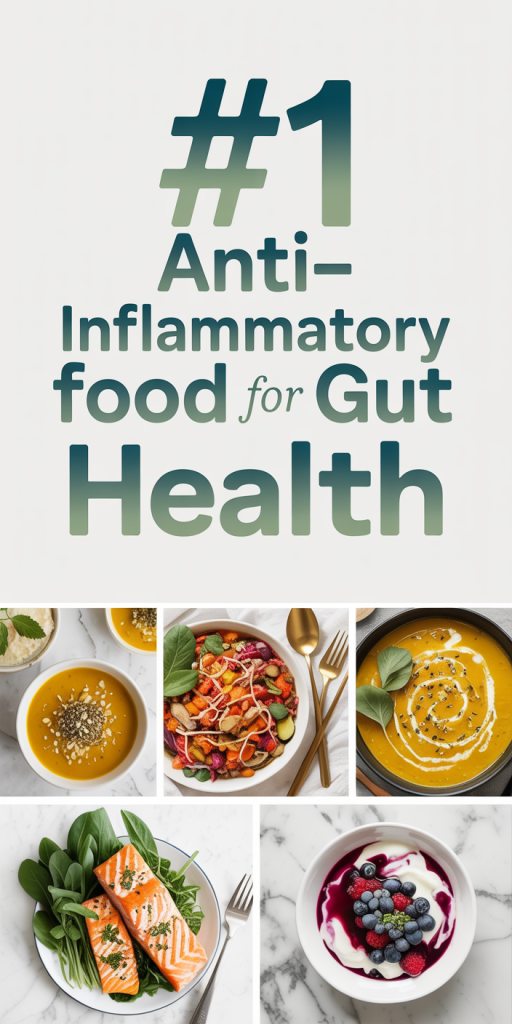
Easy Recipes And Meal Ideas To Boost Gut Health With Turmeric
We’ll share simple, gut-friendly ways to integrate turmeric into everyday meals so you get both flavor and function.
- Golden Milk (Nighttime Calm): Warm 1 cup unsweetened almond or oat milk with 1 tsp turmeric, 1/4 tsp black pepper, 1/2 tsp cinnamon, and 1 tsp coconut oil. Sweeten lightly with honey or maple if desired. Sip 20–30 minutes before bed to support digestion and sleep.
- Turmeric-Ginger Lentil Soup (Healing Broth): Sauté onion, garlic, 1 tbsp grated ginger, and 1 tbsp turmeric in 1–2 tbsp olive oil. Add red lentils, vegetable broth, carrot, and cumin: simmer until tender. Finish with lemon juice and chopped cilantro. Lentils provide fiber and prebiotic starches to nourish the microbiome.
- Turmeric Bowl (Lunch): Roast cauliflower tossed with olive oil, 1 tsp turmeric, black pepper, and smoked paprika. Serve over quinoa with sautéed greens, avocado, and a tahini-lemon dressing. The fat from avocado and tahini boosts curcumin absorption.
- Turmeric-Black Pepper Smoothie (Quick): Blend 1 banana, 1 cup yogurt or plant yogurt, 1 tsp turmeric, pinch black pepper, 1 tbsp almond butter, and 1 tsp honey. The yogurt adds probiotics while the fat and pepper help curcumin uptake.
These recipes are adaptable, kid-friendly, and designed to combine fat and piperine for better absorption while delivering fiber and fermented elements where possible.
Safety Considerations, Side Effects, And Who Should Avoid Turmeric
Turmeric is generally safe at culinary amounts and well-tolerated in most supplement studies, but there are important cautions. At higher therapeutic doses (≥1,000 mg curcuminoids daily), some people report gastrointestinal upset, nausea, diarrhea, or increased reflux. Rarely, high-dose curcumin can cause gallbladder contraction and may worsen gallstones or bile obstruction: hence, people with gallbladder disease should avoid therapeutic doses unless supervised by a clinician.
Curcumin has anticoagulant effects and can potentiate antiplatelet or anticoagulant medications (warfarin, aspirin, clopidogrel), increasing bleeding risk. If we’re on blood thinners or scheduled for surgery, we advise discussing turmeric supplements with our care team and pausing them before procedures per medical guidance.
Pregnancy and breastfeeding: culinary turmeric is safe: but, high-dose curcumin supplements are not recommended during pregnancy because of limited safety data and theoretical effects on uterine contractility.
Interactions: piperine-containing formulas can inhibit drug metabolism (CYP enzymes), altering levels of prescription medications. People with active liver disease should use caution and consult a clinician due to potential liver enzyme changes reported rarely with concentrated curcumin.
Bottom line: food-based turmeric is broadly safe: therapeutic supplements require attention to dose, interactions, and pre-existing conditions. When in doubt, we consult a healthcare provider.