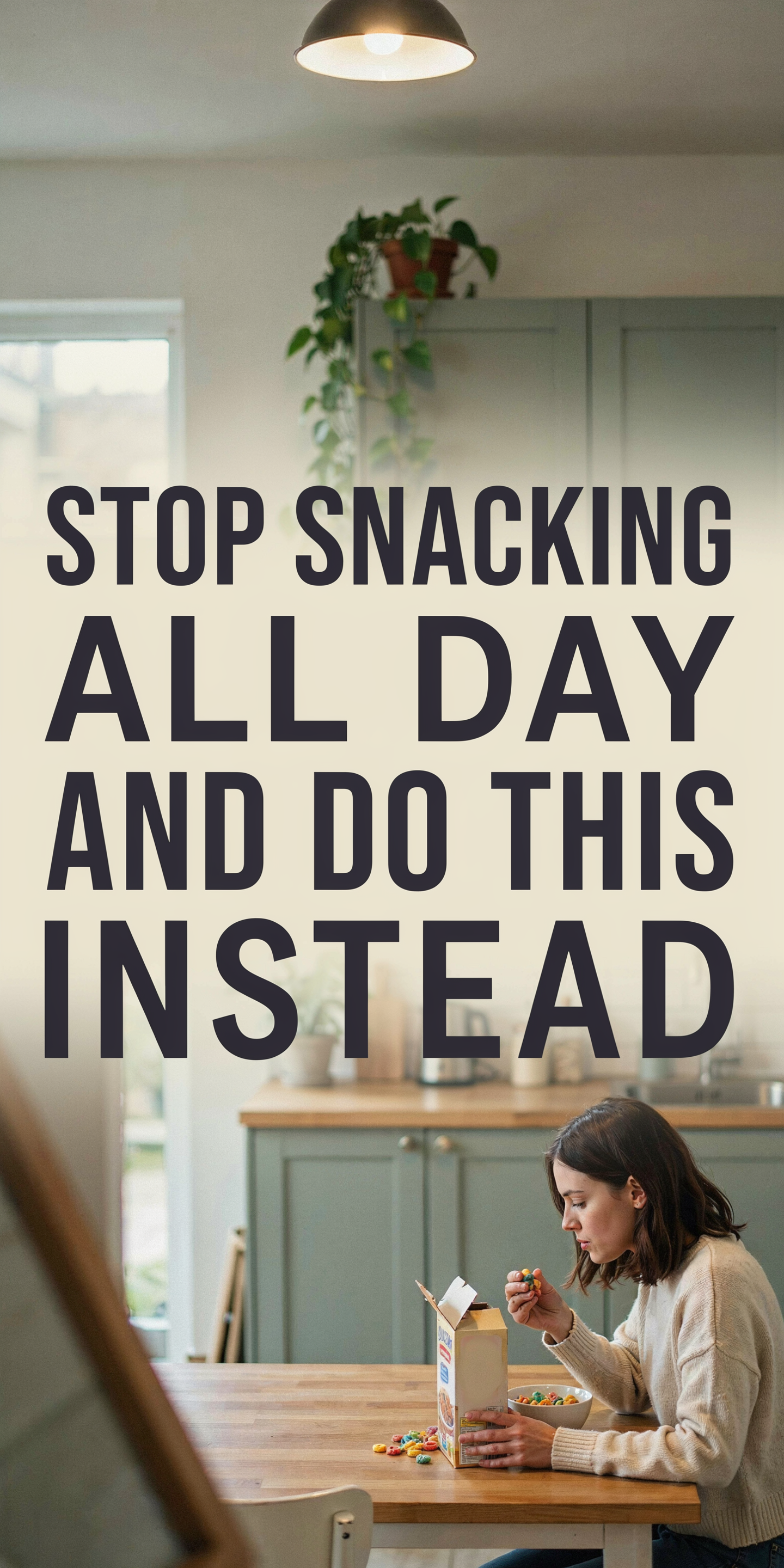
What Should I Eat to Stay Full? Stop Snacking All Day and Do This Instead
Feeling like you’re grazing all day, reaching for chips, chocolate, or sugary coffee to get through the afternoon? You’re not alone. Chronic snacking usually means meals aren’t holding you — either because of what’s on your plate, how meals are spaced, or lifestyle factors like sleep and stress. The good news: with a few smart changes — focusing on satiety-building foods, balanced meals, and simple habits — you can stop snacking all day and actually feel satisfied between meals.
This article explains the science-backed principles that keep you full, offers practical food lists, gives behavior tips to curb grazing, and delivers seven concrete recipes and meal ideas you can start using today.
Why do we snack so much?
Snacking is driven by a mix of physiology, environment, and emotion:
- Biological hunger: Low blood sugar or an actual caloric deficit prompts the brain to seek energy.
- Macronutrient composition: Meals low in protein, fiber, or healthy fat digest quickly — you feel hungry again.
- Habit and cues: Stress, boredom, seeing food ads, or walking past the kitchen trigger nibbling.
- Sleep and stress hormones: Poor sleep and chronic stress increase ghrelin (hunger hormone) and decrease leptin (satiety hormone).
- Liquid calories: Sugary drinks don’t trigger fullness like solid food does.
Understanding the why helps you choose the what — foods, meal structures, and habits — that actually suppress unnecessary snacking.
The science of satiety: what keeps you full longer
To design meals that reduce snacking, aim to combine food features that promote fullness:
Protein: the single most effective macro for satiety
Protein increases fullness hormones and reduces hunger hormones. It also preserves muscle mass when you’re in a calorie deficit. Aim for protein at every meal (rough targets: 20–35 g per main meal, adjusted to your body size and activity).
Examples: eggs, Greek yogurt, cottage cheese, poultry, fish, tofu, tempeh, legumes, lean beef, protein-rich plant foods.
Fiber: slows digestion and adds volume
Fiber absorbs water, slows gastric emptying, and provides sustained blood sugar release. High-fiber meals keep you feeling full longer.
Examples: beans, lentils, oats, whole grains, vegetables, berries, apples, pears, chia/flax seeds.
Healthy fats: flavor, slow digestion, and satiety
Fats slow stomach emptying and add palatability, which helps you feel satisfied. Keep portions reasonable because fats are calorie-dense.
Examples: avocados, olive oil, nuts, seeds, fatty fish.
Low-glycemic carbohydrates: stable energy, less rebound hunger
High-GI carbs spike blood sugar and can lead to a quick crash that triggers snacking. Choose whole grains and starchy vegetables.
Examples: steel-cut oats, quinoa, sweet potatoes, brown rice, barley.
Volume & water: eat your water
High-water and high-volume foods (vegetables, broth-based soups) fill the stomach for relatively few calories.
Mindful eating & meal structure
Eating slowly, focusing on your meal, and including protein/fiber/fat reduce the urge to snack later. Balanced meals with these components minimize hunger between meals.
What should you eat to stay full? Key foods and sample combinations
Below is a practical list of foods that promote satiety, organized by category, followed by sample meal templates and snack ideas that actually reduce the need to graze all day.
H3: High-satiety foods to prioritize
- Protein sources: eggs, Greek yogurt, cottage cheese, lean meats (chicken, turkey), fish (salmon, tuna), tofu, tempeh, edamame, lentils, chickpeas
- High-fiber carbs: oats, quinoa, barley, brown rice, beans, lentils, apples, pears, berries, broccoli, Brussels sprouts
- Healthy fats: avocado, olive oil, nuts (almonds, walnuts), seeds (chia, flax, pumpkin), nut butters
- High-volume vegetables: leafy greens, cucumbers, bell peppers, zucchini, cauliflower, tomatoes
- Filling dairy & alternatives: kefir, full-fat Greek yogurt, skyr, cottage cheese
- Flavor-and-satiety boosters: herbs, spices, vinegar (improves blood sugar response), lemon, garlic
H3: Meal templates that work (mix and match)
- Breakfast: Protein + fiber + healthy fat. Example: Greek yogurt + berries + chia + almonds.
- Lunch: Protein + veggies + whole grain. Example: Grilled chicken + big salad + quinoa.
- Dinner: Protein + starchy veg + non-starchy veg + healthy fat. Example: Salmon + sweet potato + steamed broccoli + olive oil.
- Snacks (only if needed): Pair protein with fiber or fat. Example: Apple slices + 2 tbsp peanut butter; hard-boiled egg + carrot sticks.
Behavior tips that support fullness and stop grazing
- Eat enough at meals: Many people under-eat at breakfast or lunch and then binge later. Include protein and fiber to avoid this.
- Time meals strategically: Aim for 3 balanced meals; optional planned 1–2 protein-rich snacks if you need them.
- Hydrate: Thirst can mimic hunger. Drink water throughout the day.
- Sleep and stress: Prioritize sleep (7+ hours) and use stress-management tools (walking, stretching, deep breathing).
- Slow down and savor: Chew thoroughly and put your fork down between bites — fullness signals take ~20 minutes.
- Prep ahead: Having satisfying meals ready reduces impulse snacking.
- Keep trigger foods out of sight: Out of sight helps out of mind.
- Plan “allowed” snack windows: If you must snack, schedule it and choose protein/fiber-rich options.
Satiating snack ideas (for when you truly need one)
- Greek yogurt (plain, 3/4–1 cup) with a handful of berries and 1 tbsp chia seeds
- Hard-boiled egg + a small apple
- 2 tbsp almond or peanut butter on celery or whole-grain toast
- Small portion of cottage cheese with sliced cucumber and pepper
- Roasted chickpeas (1/3–1/2 cup) with spices
- Edamame (shelled, 1 cup)
- Handful (about 1 oz) of nuts + a piece of fruit
- Hummus (2–3 tbsp) with carrot and bell pepper sticks
- Turkey roll-ups (sliced turkey + avocado + spinach)
- Protein shake with unsweetened plant or dairy milk + 1 scoop protein + spinach
- Small bowl of steel-cut oats with a scoop of protein and cinnamon
- Sliced pear with 1 tbsp tahini
Now, below are seven explicit recipes and meal ideas you can use. Each recipe includes an ingredients list and step-by-step instructions.
Recipes & Meal Ideas
1) Protein-Packed Overnight Oats (Breakfast)
Ingredients:
– 1/2 cup rolled oats
– 3/4 cup unsweetened milk (cow’s milk, soy, or almond)
– 1/2 cup plain Greek yogurt
– 1 scoop vanilla or unflavored protein powder (optional)
– 1 tbsp chia seeds
– 1/2 cup mixed berries (fresh or frozen)
– 1 tbsp nut butter or 8–10 chopped almonds
– Pinch of cinnamon
Instructions:
1. In a jar or container, combine oats, milk, Greek yogurt, protein powder (if using), and chia seeds. Stir until well mixed.
2. Fold in half of the berries and add a pinch of cinnamon.
3. Seal the jar and refrigerate overnight (or at least 4 hours).
4. In the morning, top with remaining berries and nut butter or chopped almonds. Stir and enjoy cold.
2) Savory Chickpea & Veggie Breakfast Scramble (Vegetarian)
Ingredients:
– 1 cup canned chickpeas, drained and rinsed
– 2 large eggs (or 1/2 cup firm tofu, crumbled, for vegan)
– 1/2 small onion, diced
– 1/2 bell pepper, diced
– 1 cup spinach or kale, chopped
– 1 tbsp olive oil
– 1/2 tsp ground cumin
– Salt and pepper to taste
– Fresh lemon wedge and hot sauce (optional)
Instructions:
1. Heat olive oil in a skillet over medium heat. Add onion and bell pepper; sauté 3–4 minutes until softened.
2. Add chickpeas and cumin; cook 2–3 minutes, mashing some chickpeas slightly with a spatula for texture.
3. Push the chickpea mixture to the side and crack eggs into the pan; scramble and then mix together. If using tofu, add crumbled tofu now and cook until heated through.
4. Stir in spinach or kale and cook until wilted. Season with salt, pepper, and a squeeze of lemon juice.
5. Serve hot with whole-grain toast or a small roasted sweet potato for extra staying power.
3) Quinoa & Lentil Power Bowl (Lunch)
Ingredients:
– 1/2 cup cooked quinoa
– 1/2 cup cooked green or brown lentils
– 2 cups mixed salad greens
– 1/2 cup roasted sweet potatoes, cubed
– 1/4 avocado, sliced
– 2 tbsp chopped walnuts
– 2 tbsp crumbled feta (optional)
– Dressing: 1 tbsp olive oil + 1 tbsp lemon juice + 1 tsp Dijon mustard + salt and pepper
Instructions:
1. Place salad greens in a bowl and arrange quinoa, lentils, roasted sweet potatoes, and avocado on top.
2. Sprinkle with walnuts and feta if using.
3. Whisk the dressing ingredients in a small bowl or jar and drizzle over the bowl.
4. Toss gently and eat immediately or pack for work. This bowl delivers protein, fiber, healthy fat, and volume — all great for fullness.
4) Greek Yogurt Parfait with Nuts & Seeds (Snack or Mini-Meal)
Ingredients:
– 3/4 cup plain Greek yogurt
– 2 tbsp mixed seeds (chia, flax, pumpkin)
– 1 tbsp honey or a small mashed banana (optional)
– 1/4 cup mixed berries
– 1 tbsp chopped walnuts or almonds
– 1 tsp cinnamon
Instructions:
1. Spoon Greek yogurt into a bowl or jar.
2. Layer in berries and sprinkle seeds and chopped nuts.
3. Add honey or mashed banana if you want a touch of sweetness. Sprinkle cinnamon on top.
4. Mix gently and enjoy. This parfait provides protein, healthy fat, and fiber to suppress cravings.
5) Hearty Salmon, Sweet Potato & Greens (Dinner)
Ingredients:
– 4–6 oz salmon fillet
– 1 medium sweet potato, cut into cubes
– 2 cups steamed broccoli or asparagus
– 1 tbsp olive oil
– 1 tsp smoked paprika
– Salt and pepper to taste
– 1/2 avocado (optional)
Instructions:
1. Preheat oven to 425°F (220°C). Toss sweet potato cubes with half of the olive oil, smoked paprika, salt, and pepper. Roast on a sheet pan for 20–25 minutes until tender.
2. Season salmon with salt and pepper and a drizzle of olive oil. Place on a separate baking sheet and roast for 10–12 minutes (depending on thickness) until cooked.
3. Steam broccoli or asparagus for 3–5 minutes until bright green and tender-crisp.
4. Plate salmon with roasted sweet potato and greens. Top with sliced avocado for extra healthy fat and creaminess.
6) Turkey & Veggie Lettuce Wraps (Light Lunch or Dinner)
Ingredients:
– 6–8 oz lean ground turkey
– 1/2 cup shredded carrot
– 1 small zucchini, diced
– 1/4 cup chopped onion
– 1 clove garlic, minced
– 1 tbsp olive oil
– 1 tbsp low-sodium soy sauce or tamari
– 8 large lettuce leaves (butter or romaine)
– 1 tbsp chopped peanuts or sesame seeds (optional)
Instructions:
1. Heat olive oil in a skillet over medium heat. Add onion and garlic; sauté until translucent.
2. Add ground turkey and cook until no longer pink, breaking it up with a spatula.
3. Stir in carrot and zucchini; cook 3–4 minutes until veggies are tender-crisp.
4. Add soy sauce/tamari and toss to coat. Remove from heat.
5. Spoon turkey-veggie mixture into lettuce leaves and sprinkle with chopped peanuts or sesame seeds if desired. Fold and eat like a wrap.
7) Make-Ahead Mason Jar Salad (Meal-Prep Friendly)
Ingredients:
– 1/2 cup cooked farro or brown rice
– 1/2 cup canned chickpeas, rinsed
– 1 cup mixed salad greens
– 1/4 cup shredded carrots
– 1/4 cucumber, sliced
– 2 tbsp crumbled goat cheese or feta (optional)
– Dressing: 1 tbsp olive oil + 1 tbsp apple cider vinegar + 1 tsp mustard + salt and pepper
Instructions:
1. In a mason jar, layer ingredients starting with the dressing at the bottom, then farro or rice, chickpeas, shredded carrots, cucumber, cheese (if using), and finish with salad greens at the top.
2. Seal jars and refrigerate for up to 4 days.
3. When ready to eat, shake jar to mix dressing and contents, or pour into a bowl. The cooked grain + chickpeas + cheese and oil provide long-lasting satiety.
How to build a satiating plate: quick checklist
Before you eat, glance at your plate and check:
– Protein: Is there a substantial protein source? (eggs, meat, legumes, tofu, yogurt)
– Fiber/veg: Is half the plate vegetables or fiber-rich foods?
– Whole grains/starchy veg: Is there a slow-digesting carb portion?
– Healthy fat: Is there a source of fat for flavor and satiety?
– Drink: Have you had water with your meal?
If any component is missing, add a small side (e.g., a handful of nuts, a boiled egg, an extra cup of veggies).
Common pitfalls and how to fix them
- Too many liquid calories: Swap sugary coffees or smoothies for plain coffee, tea, or water plus a satisfying snack.
- Low-protein breakfast: If you’re snacking before lunch, add eggs, Greek yogurt, or a protein shake in the morning.
- Skipping meals: Skipping leads to overeating later. Plan quick, balanced meals even on busy days.
- Overreliance on “diet” low-fat foods: Removing fats often reduces fullness. Include small amounts of healthy fats instead.
- Not tracking portions: Even healthy fats and nuts can be easy to overconsume. Use portion sizes (e.g., 1 oz nuts, 1/2 avocado) to stay in control.
When to see a professional
If you’re constantly hungry despite balanced meals, or if hunger is accompanied by unexplained weight changes, fatigue, or mood shifts, consult a registered dietitian or your healthcare provider. Underlying conditions (thyroid disorders, diabetes, or other metabolic issues) can affect appetite and should be evaluated.
Conclusion: eat for fullness, not deprivation
Curbing constant snacking isn’t about willpower — it’s about designing meals and routines that make you naturally satisfied. Focus on protein at every meal, fiber-rich vegetables and whole grains, and a touch of healthy fat. Prioritize sleep, hydrate, and practice mindful eating. Use the recipes and snack ideas above to start replacing grazing with meals that actually stick to your ribs. Over time, these simple, sustainable shifts will reduce cravings, stabilize energy, and make “snacking all day” a thing of the past.
Want a weekly meal plan or grocery list based on these principles? I can create a 7-day menu with shopping lists tailored to your preferences and calorie needs — tell me whether you prefer vegetarian, pescatarian, or omnivore and any food allergies.