
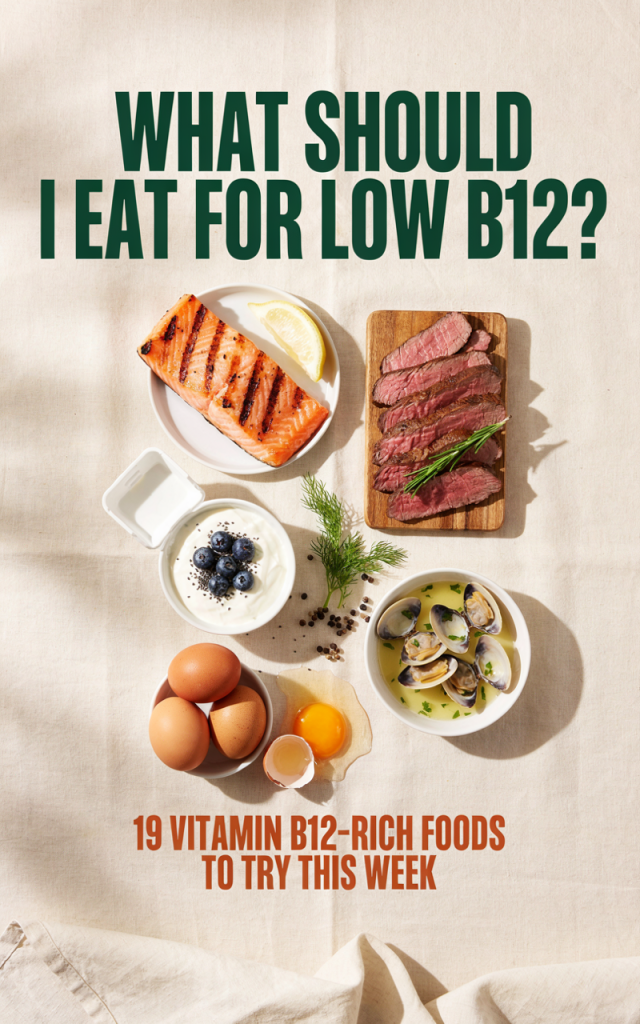
What Should I Eat for Low B12? 19 Vitamin B12-Rich Foods to Try This Week
Vitamin B12 is essential for energy production, brain health, nerve function, and red blood cell formation. If you’ve been told your B12 is low, or you want to proactively include more B12-rich foods in your diet, this guide gives you clear, practical options. Below you’ll find 19 foods that contain vitamin B12, who’s most at risk for deficiency, how to improve absorption, and easy meal ideas and recipes you can try this week.
Whether you’re managing a diagnosis, following a specific diet, or simply prioritizing nutritional balance, this article will help you choose delicious, B12-supporting meals with confidence.
Why Vitamin B12 Matters
Vitamin B12 (cobalamin) plays several crucial roles:
– Supports healthy nerve cells and neurological function.
– Helps form and maintain red blood cells.
– Plays a role in DNA synthesis.
– Supports energy metabolism and helps reduce fatigue related to deficiency.
B12 is water-soluble but stored in the liver, so deficiency can develop slowly. Many people don’t notice symptoms until levels are quite low.
Who’s At Risk of Low B12?
- Vegetarians and especially vegans (few reliable plant sources).
- Older adults (reduced stomach acid and intrinsic factor).
- People with gastrointestinal disorders (Crohn’s, celiac disease, atrophic gastritis).
- Those who’ve had gastric bypass or other stomach surgeries.
- Long-term use of certain medications (like metformin or proton pump inhibitors).
- People with pernicious anemia (autoimmune loss of intrinsic factor).
If you suspect deficiency, check with a healthcare provider — they can test levels and recommend dietary changes or supplements.
How Much B12 Do You Need?
The general recommended daily amount for most adults is about 2.4 micrograms (mcg) per day. Needs are slightly higher during pregnancy and breastfeeding. Because some people absorb B12 poorly, clinicians sometimes recommend higher oral doses or injections in cases of deficiency or malabsorption.
How B12 Absorption Works (Short Version)
Dietary B12 is bound to protein in foods. Stomach acid releases it, and intrinsic factor (a protein made by stomach cells) binds B12 so the small intestine can absorb it. Conditions or medications that reduce stomach acid or intrinsic factor can reduce absorption. Fortified foods and supplements contain free B12 that can be easier to absorb.
19 Vitamin B12-Rich Foods
Below are 19 foods to consider. Where appropriate, I note which options are particularly useful for plant-based eaters and which require attention to fortification.
1. Clams
Clams are among the richest natural sources of B12. A small serving of cooked clams can provide well above your daily needs. They’re also a great source of iron and lean protein.
2. Beef Liver
Organ meats like beef liver are extremely B12-dense and provide iron and vitamin A. A small portion goes a long way — try to enjoy liver occasionally rather than daily.
3. Sardines
Sardines (fresh or canned) are a convenient, affordable fatty fish that delivers B12 plus omega-3 fats and calcium when canned with bones.
4. Salmon
Salmon is both heart-healthy and B12-rich. Wild or farmed, it’s a flexible option for dinners, salads, and bowls.
5. Tuna
Canned or fresh tuna provides a solid B12 boost. Use in sandwiches, salads, or warm dishes — just be mindful of mercury exposure with frequent large servings.
6. Mussels
Mussels are another excellent shellfish source of B12 and are often more budget-friendly than other seafood. Try them steamed with a light sauce.
7. Crab
Crab meat is flavorful and delivers B12, along with zinc and selenium. Use it in salads, cakes, or pasta.
8. Oysters
Oysters are nutrient-dense and offer B12 plus zinc and iron. Enjoy raw (if safe and preferred) or cooked in stews and on the grill.
9. Shrimp
Shrimp contain B12 and are quick to prepare. They work well in stir-fries, salads, pasta, and tacos.
10. Beef (muscle cuts)
Lean beef contains B12, iron, and complete protein. Choose leaner cuts and watch portion sizes to balance saturated fat intake.
11. Pork
Pork provides B12 in cuts like tenderloin and chops. Preparing pork with vegetables makes a balanced, B12-rich meal.
12. Chicken
Poultry has modest amounts of B12 compared with red meat and fish, but it still contributes to daily intake — especially when eaten regularly.
13. Eggs
Eggs (particularly the yolks) contain B12. They’re a versatile, accessible source for many people and work well in breakfast and baking.
14. Milk and Dairy (milk, yogurt, cheese)
Dairy products are common B12 sources in omnivorous diets. Yogurt or milk in a smoothie or cereal can boost intake conveniently.
15. Fortified Breakfast Cereals
Many breakfast cereals are fortified with B12 and can be an easy daily source — check labels and choose lower-sugar options for best health.
16. Fortified Plant Milks
For vegans or dairy-avoidant people, fortified plant milks (soy, almond, oat) are a reliable source of added B12. Check packaging to confirm fortification amounts.
17. Fortified Nutritional Yeast
Many brands of nutritional yeast are fortified with B12 and can be sprinkled on popcorn, pasta, or used in vegan “cheesy” sauces. Verify the label — only fortified varieties provide B12.
18. Nori (Seaweed)
Certain seaweeds like nori can contain small amounts of B12. Levels can be variable and sometimes the B12-like compounds are inactive, so rely on seaweed as a possible extra but not a sole source.
19. Fortified Tofu and Meat Alternatives
Some tofu, tempeh, and other meat substitutes are now fortified with B12. Check labels — when fortified, these products are valuable options for vegetarians and vegans.
Practical Tips to Improve B12 Intake and Absorption
- Spread B12 sources across meals rather than trying to meet needs in one large serving.
- If you’re vegetarian or vegan, prioritize fortified foods and consider a supplement after talking to your clinician.
- Older adults or people with gut conditions may need higher doses or alternative routes (like injections) prescribed by a doctor.
- If taking acid-suppressing medication or metformin long-term, discuss B12 monitoring with your clinician.
- Cooking doesn’t destroy B12 as much as you might think, but extremely high-heat processing can reduce levels — gentle cooking preserves nutrients.
Meal Ideas & Recipes (Easy to Try This Week)
Below are practical recipes and meal ideas that incorporate the B12-rich foods above. Each recipe lists ingredients (bulleted) and step-by-step instructions (numbered).
Salmon and Spinach Grain Bowl (Quick Weeknight Bowl)
Ingredients:
– 4–6 oz cooked salmon fillet (fresh or canned)
– 1 cup cooked quinoa or brown rice
– 1–2 cups baby spinach
– 1/2 avocado, sliced
– 1 tbsp olive oil
– 1 tbsp lemon juice
– Salt and pepper to taste
– Optional: toasted pumpkin seeds or chopped herbs
Instructions:
1. Warm the cooked grain and place it in a bowl.
2. Sauté baby spinach briefly in a small drizzle of olive oil until wilted, then add to the bowl.
3. Flake salmon over the grains and spinach.
4. Add avocado slices, drizzle with lemon juice and olive oil, and season with salt and pepper.
5. Top with pumpkin seeds or herbs and serve immediately.
Clam Linguine (Simple Shellfish Pasta)
Ingredients:
– 8 oz linguine or spaghetti
– 1 lb fresh clams, cleaned (or canned clams with juices)
– 2 cloves garlic, sliced
– 1/4 cup dry white wine (optional)
– 2 tbsp olive oil
– 1/4 tsp red pepper flakes (optional)
– Fresh parsley, chopped
– Salt and pepper to taste
Instructions:
1. Cook pasta according to package directions until al dente; reserve 1/2 cup pasta water and drain.
2. Heat olive oil in a large skillet over medium heat. Add garlic and red pepper flakes; cook until fragrant.
3. Add clams and white wine (if using), cover, and steam until clams open (discard any unopened shells).
4. Toss pasta into skillet with clams, adding reserved pasta water to loosen the sauce.
5. Finish with chopped parsley, season with salt and pepper, and serve hot.
Nutritional Yeast Avocado Toast (Vegan B12 Boost)
Ingredients:
– 2 slices whole-grain bread, toasted
– 1 ripe avocado
– 2 tbsp fortified nutritional yeast
– 1 tsp lemon or lime juice
– Salt, pepper, and chili flakes to taste
Instructions:
1. Mash the avocado in a small bowl with lemon juice, salt, and pepper.
2. Spread mashed avocado onto toasted bread.
3. Sprinkle each slice with nutritional yeast and chili flakes.
4. Serve as a quick breakfast or snack.
Fortified Cereal Smoothie (Fast Breakfast)
Ingredients:
– 1 cup fortified breakfast cereal (crushed slightly)
– 1 cup fortified plant milk (soy/oat/almond) or dairy milk
– 1 banana
– 1/2 cup Greek yogurt (optional for extra protein) or plant-based yogurt
– 1 tbsp nut butter (optional)
– Ice cubes (optional)
Instructions:
1. Combine all ingredients in a blender.
2. Blend until smooth.
3. Pour into a glass and enjoy — you get B12 from both the fortified cereal and milk.
Beef Liver Pâté (Try It Once a Month)
Ingredients:
– 8 oz beef liver, trimmed and chopped
– 1 small onion, chopped
– 2 cloves garlic, minced
– 3 tbsp butter or ghee (plus extra for finishing)
– 1 tbsp olive oil
– 1 tbsp brandy or cognac (optional)
– Salt, pepper, and fresh thyme to taste
Instructions:
1. Heat olive oil and 1 tbsp butter in a skillet over medium heat. Sauté onion and garlic until soft.
2. Add chopped liver and cook quickly, about 3–4 minutes per side, until just cooked through (do not overcook).
3. Optional: add brandy and cook off alcohol.
4. Transfer cooked mixture into a food processor with remaining butter and thyme; blend until smooth.
5. Season with salt and pepper, transfer to a dish, and chill. Serve with toast or crackers.
Sardine & Tomato Salad (No-Cook Lunch)
Ingredients:
– 1 can sardines in olive oil, drained
– 2 cups mixed greens
– 1 cup cherry tomatoes, halved
– 1/4 red onion, thinly sliced
– 1 tbsp capers (optional)
– 1 tbsp olive oil
– 1 tsp red wine vinegar
– Salt and pepper to taste
Instructions:
1. Combine mixed greens, cherry tomatoes, and red onion in a bowl.
2. Layer drained sardines on top.
3. Drizzle olive oil and red wine vinegar, add capers if using, and season with salt and pepper.
4. Toss gently and serve.
Mussel Stew with Tomatoes (Comforting Pot)
Ingredients:
– 2 lb mussels, cleaned
– 1 can (14 oz) diced tomatoes
– 1 small onion, diced
– 2 cloves garlic, minced
– 1/2 cup white wine or seafood broth
– 2 tbsp olive oil
– Fresh parsley, chopped
– Salt and pepper to taste
Instructions:
1. Heat olive oil in a large pot over medium heat. Sauté onion and garlic until translucent.
2. Add diced tomatoes and white wine or broth; simmer 5 minutes.
3. Add mussels, cover, and cook until mussels open (discard any that remain closed).
4. Stir in parsley, season with salt and pepper, and serve with crusty bread.
How to Use These Foods in a Weekly Plan
- Breakfasts: Eggs, fortified cereals or smoothies with fortified plant milk, Greek yogurt parfaits, or nutritional yeast on toast.
- Lunches: Sardine or tuna salads, egg salad sandwiches, fortified tofu bowls, or clam or crab salads.
- Dinners: Salmon or tuna steaks, mussel or clam pasta, beef or pork with vegetables, chicken meals, or a liver pâté appetizer.
- Snacks: Cottage cheese, cheese sticks, or fortified nutritional yeast sprinkled on popcorn.
If you follow a vegan diet, prioritize fortified cereals, fortified plant milks, fortified nutritional yeast, and fortified meat alternatives. Discuss a B12 supplement with your healthcare provider; most vegans and some vegetarians rely on routine supplementation.
When to See a Professional
- If you have symptoms such as fatigue, tingling or numbness, balance issues, memory problems, or unusual bruising, seek medical attention.
- Ask your clinician for a B12 blood test if you’re at risk, starting symptoms, or taking medications that affect absorption.
- If your levels are low, your clinician will recommend treatment — dietary changes, high-dose oral B12, or injections depending on cause and severity.
Conclusion
Low B12 is manageable with the right food choices and medical guidance. Incorporating a mix of the 19 foods above — especially seafood, eggs, dairy, fortified products, and occasional organ meats — can help you raise and maintain healthy B12 levels. If you follow a plant-based diet or have a condition that impairs absorption, fortified foods and supplements are reliable and effective strategies.
Try one or two of the recipes this week to make adding B12 into your meals easy and enjoyable. And always consult your healthcare provider for testing and personalized advice — with the right plan, you can correct low B12 and protect your energy, brain, and nerve health.
