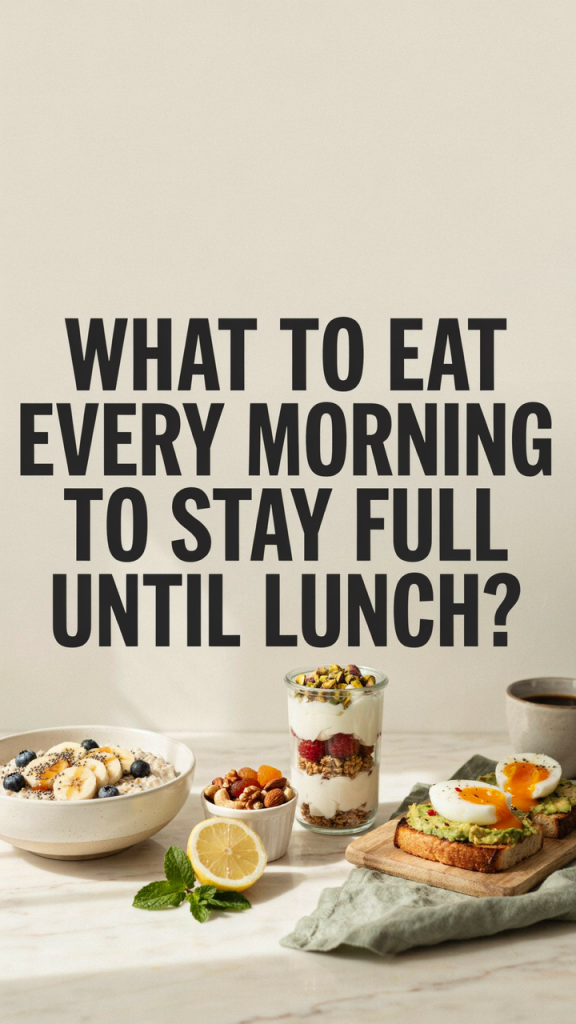
What Should I Eat Every Morning to Stay Full Until Lunch?
Staring down the mid-morning slump or sneaking a second breakfast every day? You’re not alone. What you eat in the morning can make the difference between cruising through your work or feeling distracted, hungry, and low-energy by 10:30 a.m. This guide explains the science-backed principles for staying satisfied until lunch and gives you 10 practical, delicious breakfast ideas (with recipes) you can use to build a consistent habit. Whether you want quick options for busy mornings or cooked meals for weekends, you’ll find variety that prioritizes protein, fiber, healthy fats, and low-glycemic carbohydrates—key nutrients that help sustain fullness and steady energy.
Why breakfast matters for staying full
Skipping breakfast or eating carbohydrate-only breakfasts (like sugary cereal or plain bagels) often leads to a rapid blood sugar rise and crash. That crash triggers hunger and cravings well before lunchtime. A balanced breakfast that combines:
- Sufficient protein (20–30 g or more depending on needs),
- Fiber (to slow digestion),
- Healthy fats (for satiety and sustained energy), and
- Low- to moderate-glycemic carbohydrates (whole grains, fruit, legumes)
…is most likely to keep you full and focused until lunch.
Research and clinical experience consistently show that meals built around these macronutrients reduce hunger hormones, blunt glucose spikes, and prolong feelings of fullness. Beyond nutrients, volume (e.g., vegetables, fruits, and whole grains) and food structure (mixed solids vs. liquids) also matter: solid meals or thick smoothies with fiber and protein tend to satisfy longer than mostly-liquid, low-fiber drinks.
Key principles to build a filling breakfast
H2: What to prioritize each morning
- H3: Protein — the satiety superstar
Aim for 20–35 grams of protein at breakfast when possible. Sources: eggs, Greek yogurt, cottage cheese, tofu, tempeh, lean meats, protein powders, beans, or legumes. - H3: Fiber — slows digestion and stabilizes blood sugar
Include whole grains (oats, quinoa), fruit, vegetables, and seeds (chia, flax) to get 6–10+ grams of fiber. - H3: Healthy fats — prolong fullness and add flavor
Avocado, nuts, seeds, nut butters, and olive oil are excellent choices. - H3: Low- to moderate-glycemic carbs — supply steady fuel
Choose oats, whole-grain bread, sweet potato, and fruit rather than refined sugars and white breads. - H3: Fluids — don’t forget hydration
Dehydration can mimic hunger. Start with water, and add tea or coffee as desired. Avoid high-sugar drinks that can make you hungrier.
10 Breakfast Ideas That Keep You Full (Recipes Included)
Below are ten breakfast ideas designed to keep you satisfied until lunch. Each includes ingredients and step-by-step instructions. Use swaps to accommodate allergies or dietary preferences.
1) Greek Yogurt Power Bowl with Berries, Nuts, Chia, and Oats
Ingredients
– 1 cup (240 g) plain Greek yogurt (2% or full-fat)
– 1/2 cup mixed berries (fresh or thawed frozen)
– 2 tbsp rolled oats
– 1 tbsp chia seeds
– 2 tbsp chopped mixed nuts (almonds, walnuts)
– 1 tsp honey or 1–2 drops stevia (optional)
– Pinch of cinnamon
Instructions
1. Spoon Greek yogurt into a bowl.
2. Stir in oats and chia seeds so they begin absorbing moisture.
3. Top with berries and chopped nuts.
4. Drizzle honey and sprinkle cinnamon if desired.
5. Let sit 2–3 minutes for chia and oats to soften, then enjoy.
Why it works: High in protein (yogurt) + fiber (berries, oats, chia) + healthy fats (nuts) = balanced and filling.
2) Savory Oatmeal with Fried Egg, Avocado, and Spinach
Ingredients
– 1/2 cup rolled oats
– 1 cup water or low-sodium broth
– 1 large egg
– 1/2 avocado, sliced
– 1 cup baby spinach
– 1 tsp olive oil
– Salt and pepper to taste
– Red pepper flakes or hot sauce (optional)
Instructions
1. Cook oats in water/broth according to package instructions until creamy.
2. Meanwhile, heat olive oil in a small skillet, sauté spinach until wilted, then set aside.
3. In the same skillet, fry the egg to your liking.
4. Stir spinach into cooked oats, season with salt and pepper.
5. Top with fried egg and avocado slices. Add red pepper flakes if you like spice.
Why it works: Oats provide sustained carbs and soluble fiber; the egg and avocado add protein and fats for lasting fullness.
3) Veggie Omelette with Whole-Grain Toast
Ingredients
– 2–3 large eggs (or 3/4 cup egg whites + 1 whole egg)
– 1/2 cup diced mixed vegetables (bell peppers, mushrooms, onions, tomatoes)
– 1/4 cup shredded low-fat cheese (optional)
– 1 tsp olive oil or butter
– 1 slice whole-grain or sprouted bread, toasted
– Salt, pepper, and herbs (chives, parsley)
Instructions
1. Whisk eggs with salt, pepper, and herbs.
2. Heat oil in a non-stick skillet, sauté vegetables until softened.
3. Pour eggs over vegetables, cook until edges set, sprinkle cheese, fold omelette.
4. Slide omelette onto a plate and serve with toasted whole-grain bread.
Why it works: Eggs supply high-quality protein and amino acids; vegetables add volume and fiber, while the toast offers whole-grain carbs to round out the meal.
4) Peanut Butter Banana Smoothie with Oats and Protein
Ingredients
– 1 medium ripe banana
– 1 cup unsweetened milk (dairy or plant-based)
– 1 scoop (20–25 g) protein powder (whey or plant-based)
– 1 tbsp peanut butter (or almond butter)
– 2 tbsp rolled oats
– 1/2 cup Greek yogurt (optional for extra protein)
– Ice cubes as needed
Instructions
1. Add all ingredients to a blender.
2. Blend until smooth and thick. Add ice to adjust texture.
3. Pour into a glass and enjoy with a spoon if it’s very thick.
Why it works: A protein shake can mimic a solid meal when it includes oats and nut butter for fiber and fats—keeps you full and portable for busy mornings.
5) Overnight Oats: High-Protein Jar
Ingredients
– 1/2 cup rolled oats
– 1/2 cup milk (dairy or fortified plant milk)
– 1/2 cup plain Greek yogurt
– 1 tbsp chia seeds
– 1/2 cup chopped apple or pear
– 1 tbsp nut butter
– 1/2 tsp cinnamon
– Pinch of salt
Instructions
1. Combine oats, milk, yogurt, chia seeds, nut butter, cinnamon, and salt in a jar.
2. Stir in chopped fruit, seal, and refrigerate overnight.
3. In the morning, stir and add extra milk if needed. Top with a few nuts or a drizzle of honey.
Why it works: The combination of yogurt, chia, and oats provides protein, soluble fiber, and healthy fats, which slow digestion and prolong satiety.
6) Cottage Cheese Fruit Bowl with Seeds and Almonds
Ingredients
– 1 cup cottage cheese (low-fat or full-fat based on preference)
– 1/2 cup sliced fresh fruit (pineapple, peaches, berries)
– 1 tbsp ground flaxseed or chia seeds
– 2 tbsp slivered almonds or chopped walnuts
– 1 tsp honey or maple syrup (optional)
Instructions
1. Spoon cottage cheese into a bowl.
2. Top with sliced fruit, seeds, and nuts.
3. Drizzle a little honey if you want added sweetness.
Why it works: Cottage cheese is high in casein protein, which digests slowly, providing extended fullness. Seeds and nuts add fiber and fat.
7) Whole-Grain Toast with Smashed Chickpea Salad and Spinach
Ingredients
– 1/2 cup canned chickpeas, drained and rinsed
– 1 tsp olive oil
– 1 tsp lemon juice
– 1/4 avocado, mashed (optional)
– Pinch salt and pepper
– 1 slice whole-grain or rye bread, toasted
– Handful baby spinach
Instructions
1. Mash chickpeas in a bowl with olive oil, lemon juice, avocado, salt, and pepper.
2. Spread the chickpea mixture over toasted bread.
3. Top with baby spinach and enjoy.
Why it works: Legumes are an excellent plant-based protein and fiber source; combined with whole-grain toast, this meal keeps blood sugar steady and hunger at bay.
8) Quinoa Breakfast Bowl with Roasted Sweet Potato and Black Beans
Ingredients
– 3/4 cup cooked quinoa
– 1/2 cup roasted sweet potato cubes
– 1/2 cup black beans (canned, rinsed)
– 1 tbsp chopped cilantro
– 1 tbsp pumpkin seeds
– 1 tsp olive oil
– Salt, pepper, and a squeeze of lime
Instructions
1. Assemble cooked quinoa in a bowl.
2. Top with roasted sweet potato cubes and black beans.
3. Drizzle with olive oil, add cilantro and pumpkin seeds, season with salt, pepper, and lime.
Why it works: Quinoa offers complete protein and fiber; sweet potato supplies low-glycemic carbs and volume; beans add more protein and fiber for staying power.
9) Breakfast Burrito: Eggs, Black Beans, Avocado, and Salsa
Ingredients
– 2 scrambled eggs (or tofu scramble)
– 1/4 cup black beans, warmed
– 1/4 avocado, sliced
– 1 tbsp salsa
– 1 whole-grain or low-carb tortilla
– Handful of baby spinach or shredded lettuce
Instructions
1. Warm tortilla on a skillet.
2. Layer scrambled eggs, black beans, avocado, salsa, and spinach down the center.
3. Fold and roll into a burrito. Optionally grill in a pan for a minute per side to crisp.
Why it works: Egg protein + beans + avocado = a balanced macro mix that stabilizes appetite and energy.
10) Tofu Scramble with Veggies and Whole-Grain Toast
Ingredients
– 200 g (about 7 oz) firm tofu, crumbled
– 1/2 cup diced bell pepper and onion
– 1 cup spinach or kale
– 1 tsp turmeric (for color) and 1/2 tsp black pepper
– 1 tbsp nutritional yeast (optional, for cheesy flavor)
– 1 tsp olive oil
– 1 slice whole-grain toast
Instructions
1. Heat olive oil in a skillet, sauté bell pepper and onion until softened.
2. Add crumbled tofu and turmeric, stirring to combine.
3. Cook 4–5 minutes, then add spinach and nutritional yeast. Season with salt and pepper and cook until greens wilt.
4. Serve with toasted whole-grain bread.
Why it works: Tofu is a plant-based protein with steady digestion; vegetables and whole-grain toast deliver fiber and carbs to hold you until lunch.
Portioning, timing, and practical tips
H2: How much should you eat and when?
- Aim to consume breakfast within 1–2 hours of waking if you want stable energy. If you fast in the morning by preference, the same nutritional principles apply to your first meal.
- Portion sizes vary by personal energy needs. As a rough guideline: 300–600 calories for most people who want to maintain energy and avoid hunger before lunch—lean toward higher ranges for very active people or those with higher calorie needs.
- Protein targets: 20–35 g is a useful target for many adults. If you weigh more or are highly active, scale up.
H2: Small but strategic snacks (if needed)
If you do get hungry mid-morning, reach for high-protein and fiber-rich snacks rather than sugary options:
– A small handful of mixed nuts + an apple
– Greek yogurt with berries
– A hard-boiled egg + carrot sticks
– Hummus with cucumber or whole-grain crackers
H2: Morning beverages that help vs. hinder
- Help: Water, cold-brew coffee, green or black tea (no sugar), and unsweetened plant or dairy milks.
- Hinder: Sugary coffee drinks, sweetened juices, and soda—these can provoke a blood sugar crash and early hunger.
Customizing for dietary preferences and restrictions
H2: Vegetarian and vegan swaps
– Replace eggs with tofu scramble or legumes.
– Use plant-based yogurts fortified with protein or add pea/rice protein powders.
– Choose nut butters and seeds for fats.
H2: Gluten-free options
– Use gluten-free oats, quinoa, or gluten-free bread/tortillas.
– Most recipes above adapt easily.
H2: Lower-carb or diabetic-friendly
– Emphasize eggs, Greek yogurt, cottage cheese, avocado, nuts, and low-GI vegetables.
– Include small portions of whole grains when needed for energy, but balance with protein and fat.
Sample 5-day breakfast plan (ideas you can rotate)
H2: Quick plan for variety and satiety
– Day 1: Greek yogurt power bowl + coffee
– Day 2: Savory oatmeal with egg + water with lemon
– Day 3: Peanut butter banana smoothie + handful of almonds
– Day 4: Veggie omelette + whole-grain toast
– Day 5: Overnight oats jar + green tea
Rotate these meals and swap components (fruit, nuts, and spices) to keep it interesting.
Troubleshooting common issues
H2: I still get hungry mid-morning — what then?
– Check protein amount: Increase by 5–10 g next meal (e.g., add an extra egg, 1/4 cup cottage cheese or extra scoop of yogurt).
– Increase fiber and volume: Add vegetables or fruit to your breakfast.
– Assess sleep and stress: Poor sleep or high cortisol can increase appetite.
H2: I don’t have time for cooking
– Prepare overnight oats, yogurt bowls, and smoothie packs the night before. Hard-boiled eggs keep for a week and make assembly quick.
– Keep pre-cooked beans and roasted sweet potatoes in the fridge for fast bowls.
Frequently asked questions (short)
H3: Is coffee with cream enough to keep me full?
No. Coffee with cream adds calories but usually lacks protein and fiber, so it won’t sustain fullness as a balanced breakfast does.
H3: Are smoothies less filling than solid food?
Not necessarily—if a smoothie contains protein, fiber, and healthy fats it can be as filling as a meal. However, very thin, low-fiber smoothies are less satisfying.
H3: Can I eat fruit-only for breakfast?
Whole fruit is healthy but may not keep you full until lunch unless paired with protein or fat, like Greek yogurt, nut butter, or cottage cheese.
Final words: Build a breakfast habit that works for you
Eating a breakfast that keeps you full until lunch is less about a single “magic food” and more about a pattern: prioritize protein, include fiber-rich foods, add healthy fats, and favor low-glycemic carbohydrates. The 10 recipes above are practical examples you can rotate and adapt to your taste, schedule, and dietary needs. Start by choosing one or two breakfasts you enjoy and make them a habit for a week; small consistent changes create big improvements in energy, focus, and hunger control.
You’ve got this—pick a recipe, prepare components ahead of time, and enjoy a calmer, fuller morning. Consistency is the key to feeling your best through lunchtime and beyond.
Conclusion
A filling breakfast keeps you energized, focused, and in control of your eating through the morning. By combining protein, fiber, healthy fats, and smart carbohydrates—through options like Greek yogurt bowls, savory oats, omelettes, smoothies, and grain- or legume-based bowls—you can reliably stay full until lunch. Use the recipes provided, personalize them to your needs, and prioritize preparation to make satiety a convenient, sustainable part of your routine.