What Is the Best Time to Eat Breakfast for Weight Loss?
Introduction
If you’ve ever wondered whether the time you eat breakfast can make or break your weight-loss efforts, you’re not alone. Breakfast has been called “the most important meal of the day,” but what does that mean for people trying to lose weight? Is eating early better than waiting? Does skipping breakfast help? The short answer is: timing can matter, but it’s not the only factor. How much you eat, what you eat, your daily rhythm, and how consistent you are often matter more.
This article unpacks the science behind breakfast timing, explores how circadian rhythms and hormones influence appetite and metabolism, and offers practical guidance on when to eat breakfast for weight loss based on your routine and goals. You’ll also get a collection of evidence-based breakfast recipes and meal ideas designed to support satiety, steady blood sugar, and a calorie-conscious plan.
Why Timing Might Matter for Weight Loss
Eating behaves differently in a body that follows a regular daily rhythm. Our metabolism, digestion, insulin sensitivity, and hunger hormones follow circadian patterns. Here are the main physiological reasons timing could influence weight:
- Circadian rhythm: Many metabolic processes are timed by the body’s internal clock. Insulin sensitivity and glucose tolerance tend to be higher in the morning and decline later in the day. That means your body may handle carbohydrates more efficiently earlier versus late at night.
- Appetite hormones: Ghrelin (the “hunger hormone”) and leptin (the “satiety hormone”) are influenced by sleep and meal timing. Regular early meals can help stabilize these signals, reducing the risk of overeating later.
- Energy balance and adherence: Timing can influence how full you feel throughout the day and how likely you are to make healthy choices. If a morning meal reduces late-day snacking or bingeing, it helps weight management through better adherence.
- Thermic effect of food: The energy your body uses to digest food appears to be somewhat influenced by time of day, with some data suggesting higher thermogenesis earlier.
- Behavior and routine: When you time meals consistently, it can improve overall dietary behavior — for example, reducing mindless snacking and promoting better food choices.
However, note that the magnitude of timing effects is modest compared to total calorie intake, food quality, physical activity, and sleep.
What the Research Says (Short Summary)
- Mixed but informative: Research on breakfast timing and weight loss is mixed. Some studies find that people who eat earlier or who don’t skip breakfast lose more weight or have better metabolic markers. Others find little or no difference when total calories and macronutrients are controlled.
- Intermittent fasting nuance: Studies on time-restricted eating (TRE) suggest that eating within an earlier window (for example, 8 am–4 pm) can improve metabolic markers in some people compared with later windows. Yet many weight-loss benefits of TRE stem from reduced calorie intake, increased meal regularity, and improved adherence rather than timing alone.
- Individual differences matter: Chronotype (your internal preference for mornings vs evenings), work schedule, existing metabolic health, and lifestyle affect how morning eating influences you personally.
Overall: timing can provide a helpful edge — particularly if it aligns with your lifestyle and helps you eat less overall or choose higher-quality foods — but it’s not a silver bullet.
How Early Is “Early”? Practical Timing Options
There’s no single best clock time that fits everyone. Instead, choose a window that matches your sleep/wake cycle, hunger pattern, and daily commitments.
- Within 1–2 hours of waking: For many people, eating within 1–2 hours after waking helps stabilize appetite and prevents excessive hunger later. This is a reliable, practical rule of thumb.
- Breakfast at a consistent time: Consistency helps regulate appetite hormones and energy levels. Aim to eat around the same time every day, even on weekends when possible.
- If you do intermittent fasting: If you follow a 16:8 or similar fasting routine (e.g., eat between noon and 8 pm), your “breakfast” will be later. That’s fine if it helps you create a sustainable calorie deficit and you feel good. For weight loss, adherence matters more than whether you eat at 7 am or noon.
- Night-shift workers: Align meals to your adjusted wake period. Try to maintain consistent meal times relative to when you wake, and avoid eating large meals right before sleep.
Who Might Benefit Most from an Earlier Breakfast?
- People who tend to overeat in the evening: Early, protein-rich breakfasts can reduce nighttime cravings and snacking.
- Those with insulin resistance or prediabetes: Eating earlier in the day when insulin sensitivity is higher can help with blood glucose control.
- People who feel excessively hungry mid-morning: A balanced breakfast with protein and fiber helps with sustained satiety.
- People who want to synchronize meals with activity: If you’re training in the morning, a timely breakfast with carbs and protein can support performance and muscle retention.
Who Should Consider Delaying Breakfast?
- People who do well with intermittent fasting: Some feel less hungry in the morning and function better delaying the first meal. If delaying breakfast reduces total calories and is sustainable, it can work for weight loss.
- Those who experience GI discomfort after early eating: Some people feel bloated or nauseous if they eat right after waking; if so, wait until you feel comfortable.
Breakfast Composition for Weight Loss
Timing is only one piece of the puzzle. What you eat at breakfast matters a lot. For weight loss choose:
- Protein-rich foods: 20–30 grams of protein at breakfast improves satiety and helps preserve lean mass during weight loss.
- Fiber-rich carbs: Oats, berries, whole grains, and vegetables slow digestion and help fullness.
- Healthy fats: Nuts, seeds, avocado, and olive oil add satiety and support metabolic health.
- Minimize added sugar and highly processed, low-satiety foods like sugary cereals, pastries, and sweetened drinks.
- Prioritize whole foods and combine macronutrients for steady blood sugar.
Meal Timing Strategies to Try
- The 1–2 hour rule: Eat within 1–2 hours of waking if you’re hungry and want to limit overeating later.
- Early time-restricted eating: If you want to leverage circadian biology, try an early eating window (e.g., 8 am–4 pm) for a few weeks and monitor results.
- Consistent breakfast schedule: Even if you eat later (due to shift work or fasting), maintain a consistent start time each day.
- Protein-first approach: Start breakfast with protein (Greek yogurt, eggs, or a protein smoothie) to blunt mid-morning hunger.
- Monitor and adapt: Track hunger, energy, and weight for 2–4 weeks to see what time works best.
Sample Breakfast Recipes and Meal Ideas
Below are seven practical, weight-loss-friendly breakfasts that support satiety and steady blood sugar. Each recipe includes ingredients and clear instructions.
1) Greek Yogurt Berry Parfait (High-Protein)
Ingredients:
– 1 cup plain nonfat or low-fat Greek yogurt (about 170 g)
– 1/2 cup mixed berries (blueberries, raspberries, strawberries)
– 2 tablespoons rolled oats or granola (choose low-sugar)
– 1 tablespoon chia seeds or ground flaxseed
– 1 teaspoon honey or maple syrup (optional)
– A few almonds or walnuts, chopped (optional)
Instructions:
1. Spoon the Greek yogurt into a bowl or jar.
2. Layer the mixed berries on top of the yogurt.
3. Sprinkle oats (or granola) and chia seeds over the berries.
4. Drizzle honey if using and finish with chopped nuts for crunch.
5. Serve immediately, or refrigerate in a sealed container for on-the-go.
2) Veggie Omelette with Spinach and Mushrooms (Protein + Vegetables)
Ingredients:
– 2 whole eggs + 2 egg whites (or 3 whole eggs if preferred)
– 1/2 cup fresh spinach, chopped
– 1/3 cup sliced mushrooms
– 1 small tomato, diced
– 1 tablespoon olive oil or cooking spray
– Salt and pepper to taste
– 1 tablespoon fresh herbs (optional: parsley, chives)
– 1 slice whole-grain toast (optional)
Instructions:
1. Whisk eggs and egg whites in a bowl with a pinch of salt and pepper.
2. Heat oil in a nonstick skillet over medium heat; sauté mushrooms for 2–3 minutes until soft.
3. Add spinach and tomato, cook until spinach wilts (about 1 minute).
4. Pour eggs into the skillet and cook, pushing the set edges toward the center until mostly set.
5. Fold omelette in half and slide onto a plate. Garnish with herbs and serve with toast if desired.
3) Overnight Oats with Chia and Berries (Make-Ahead)
Ingredients:
– 1/2 cup rolled oats
– 1 tablespoon chia seeds
– 1 cup unsweetened almond milk (or milk of choice)
– 1/2 cup mixed berries (fresh or frozen)
– 1 scoop protein powder (optional; vanilla or unflavored)
– 1/2 teaspoon cinnamon
– 1 teaspoon nut butter or chopped nuts for topping
Instructions:
1. In a jar or container, combine oats, chia seeds, milk, protein powder (if using), and cinnamon.
2. Stir well to mix and press down to remove air pockets.
3. Top with berries, seal the container, and refrigerate overnight (at least 4 hours).
4. In the morning, stir, add a splash of milk if needed, and top with nut butter or nuts.
5. Enjoy cold or warm gently in the microwave for 30–60 seconds.
4) Green Protein Smoothie (Quick, On-the-Go)
Ingredients:
– 1 cup unsweetened almond milk or water
– 1 scoop whey or plant-based protein powder (approx. 20–25 g protein)
– 1 cup spinach or kale (packed)
– 1/2 banana or 1/2 cup frozen mango (for texture and sweetness)
– 1 tablespoon flaxseed or chia seeds
– Ice as needed
Instructions:
1. Add all ingredients to a high-speed blender.
2. Blend until smooth and creamy, adjusting liquid for desired thickness.
3. Taste and add a little stevia or a few drops of vanilla if more sweetness is desired.
4. Pour into a travel cup and drink within a couple of hours for best texture.
5) Avocado Toast with Poached Egg (Balanced, Satisfying)
Ingredients:
– 1 slice whole-grain or sprouted bread
– 1/2 ripe avocado
– 1 large egg
– Salt, pepper, red pepper flakes, and lemon juice to taste
– Optional: microgreens or arugula
Instructions:
1. Toast the bread to your desired crispness.
2. Mash the avocado in a bowl with a squeeze of lemon juice, salt, and pepper.
3. Poach the egg: bring a pot of water to a simmer, add a splash of vinegar, create a gentle whirlpool, and crack the egg into the center. Cook 3–4 minutes for a runny yolk.
4. Spread mashed avocado on the toast, top with the poached egg, and sprinkle with red pepper flakes and greens if using.
5. Serve immediately.
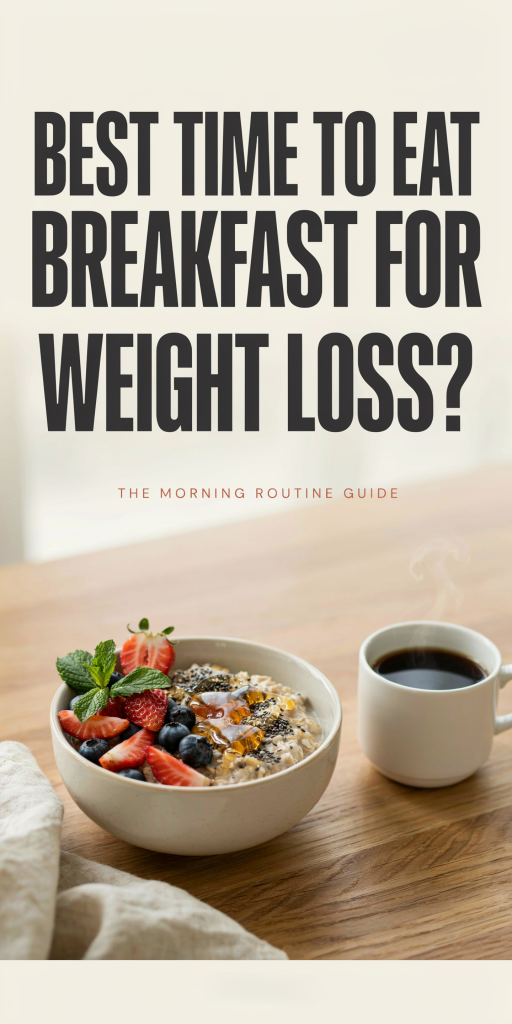
6) Savory Chickpea Breakfast Bowl (High-Fiber, Plant-Based)
Ingredients:
– 1 cup canned chickpeas, drained and rinsed
– 1/2 cup cherry tomatoes, halved
– 1 cup baby spinach
– 1 tablespoon olive oil
– 1/2 teaspoon smoked paprika
– 1/2 avocado, sliced
– Salt and pepper to taste
– Optional: squeeze of lemon and fresh herbs
Instructions:
1. Heat olive oil in a skillet over medium heat. Add chickpeas and smoked paprika, cook 3–4 minutes until slightly crisp.
2. Add cherry tomatoes and cook 1–2 minutes until they begin to soften.
3. Toss in spinach until wilted. Season with salt, pepper, and lemon juice.
4. Transfer to a bowl, top with sliced avocado and fresh herbs.
5. Serve warm as a savory, filling breakfast.
7) Cottage Cheese Fruit Bowl (High-Protein, Low-Prep)
Ingredients:
– 1 cup low-fat cottage cheese
– 1/2 cup sliced peaches or pineapple (fresh or canned in juice, drained)
– 1 tablespoon chopped walnuts or almonds
– 1 teaspoon ground cinnamon or a drizzle of honey (optional)
Instructions:
1. Spoon cottage cheese into a bowl.
2. Top with sliced fruit and nuts.
3. Sprinkle cinnamon or drizzle honey if desired.
4. Mix slightly and enjoy immediately.
Meal Ideas Summary (Quick Reference)
- Greek Yogurt Berry Parfait
- Veggie Omelette with Spinach and Mushrooms
- Overnight Oats with Chia and Berries
- Green Protein Smoothie
- Avocado Toast with Poached Egg
- Savory Chickpea Breakfast Bowl
- Cottage Cheese Fruit Bowl
These options provide a mix of protein, fiber, and healthy fats to help you stay full and reduce overall calorie intake without deprivation.
Practical Tips for Implementing Breakfast Timing for Weight Loss
- Plan for protein: Keep high-protein breakfast options ready (Greek yogurt, eggs, cottage cheese, protein powder).
- Pre-prepare when possible: Overnight oats, yogurt parfait jars, and chopped vegetables make morning meals easier.
- Use timing as a behavior tool: If your late-night snacking is an issue, try shifting breakfast earlier to reduce evening hunger (or the reverse if you’re following fasting).
- Track hunger and energy: For 2–4 weeks, note when you feel best eating breakfast. Adjust timing based on your results.
- Watch portion sizes: Don’t “earn” extra calories by exercising — plan the meal in your daily calorie budget.
- Sleep first: Prioritize regular sleep. Poor sleep disrupts hormones and often makes breakfast timing less effective.
Troubleshooting Common Issues
- “I’m not hungry in the morning.” Try a small, protein-focused snack within 1–2 hours of waking to see if you can expand your eating window gradually. Smoothies or yogurt are good starters.
- “I binge at night even though I eat breakfast.” Evaluate total daily calories and composition. Increasing protein and fiber at breakfast and dinner can help. Check sleep quality and stress management.
- “I’m doing intermittent fasting and not losing weight.” Ensure you’re not overeating during your eating window. Focus on nutrient-dense foods and protein.
- “I’m a night-shift worker.” Aim for meals that align with your personal wake period. Consistency beats rigid timing tied to clock time.
Putting It All Together
- If your goal is weight loss, prioritize a sustainable plan: total calories, food quality, and consistency matter most.
- Eating breakfast earlier (within 1–2 hours of waking) often helps regulate appetite and may improve metabolic responses in many people.
- If intermittent fasting or personal preference leads you to delay breakfast (e.g., breaking fast at noon), that can also support weight loss if you maintain a calorie deficit and balanced macronutrients.
- Choose protein-rich, fiber-forward breakfasts and be consistent with timing relative to your wake time rather than fixating on a specific clock hour.
Conclusion
There’s no universal magic hour that guarantees weight loss. The best time to eat breakfast is the time that aligns with your sleep-wake cycle, reduces your overall hunger-driven overeating, supports steady energy and blood sugar, and — importantly — you can stick with long-term. For many people, that means eating within 1–2 hours of waking and prioritizing protein, fiber, and whole foods. For others, especially those who find intermittent fasting more sustainable, delaying the first meal until later may be more effective.
Use timing as a tool to improve your overall daily eating pattern and adherence, not as the sole strategy. Experiment for a few weeks, track how you feel and how your body responds, and choose the approach that helps you maintain a healthy calorie plan, adequate nutrition, and steady energy throughout the day. Be patient, consistent, and kind to yourself — sustainable weight loss usually follows thoughtful habits more than strict rules.
If you’d like, I can create a 7-day breakfast plan built around your wake time, calorie goals, and food preferences. Which of the sample recipes above appeals to you most, and what time do you usually wake up?