What Are the Benefits of a High-Fiber Diet?
An increasing number of people are discovering that fiber is one of the simplest, most powerful tools for improving health. Despite this, many diets remain low in fiber, leaving people to miss out on benefits that touch digestion, heart health, weight control, blood sugar balance, and even mood. In this article you’ll learn what dietary fiber is, the many evidence-backed benefits of a high-fiber diet, practical ways to add more fiber to your day, and several delicious, easy recipes and meal ideas you can use right away.
This guide is designed to be authoritative, practical, and encouraging — whether you’re a fiber beginner or looking to refine your approach. Read on to find the “why,” “how,” and “what” of a high-fiber diet.
What is dietary fiber?
Dietary fiber is the indigestible part of plant foods — the structural components of fruits, vegetables, whole grains, legumes, nuts, and seeds. Unlike carbohydrates that your body breaks down and uses for energy, fiber passes through the digestive system largely intact. Along the way it performs several important roles.
There are two broad categories of fiber:
– Soluble fiber: dissolves in water and forms a gel-like substance. It helps slow digestion and can reduce blood cholesterol and glucose levels. Sources include oats, barley, apples, citrus fruits, beans, lentils, psyllium.
– Insoluble fiber: does not dissolve in water and adds bulk to stool, helping food pass more quickly through the stomach and intestines. Sources include whole wheat, brown rice, nuts, seeds, and many vegetables.
A third functional category often discussed is fermentable or prebiotic fibers — types of fiber that gut bacteria ferment, producing beneficial compounds like short-chain fatty acids (SCFAs). Examples include inulin, resistant starches, and certain oligosaccharides found in onions, garlic, leeks, asparagus, and bananas.
Recommended intake: how much fiber do you need?
General guidelines (varies by age and sex):
– Adult women (19–50 years): about 25 grams per day
– Adult men (19–50 years): about 38 grams per day
– Older adults: slightly lower targets due to lower calorie needs (rough guide: 21–30 grams/day depending on sex and age)
These are general recommendations; individual needs vary with calorie intake, activity level, and medical conditions. Many people in Western countries consume far less — commonly 15 grams or fewer — so increasing intake is often beneficial.
Top benefits of a high-fiber diet
Below are the major, evidence-supported benefits of increasing dietary fiber:
1. Promotes regularity and prevents constipation
Fiber, especially insoluble fiber, increases stool bulk and speeds transit through the intestinal tract, reducing constipation. Soluble fiber, by absorbing water, also forms a softer stool that’s easier to pass. Regular bowel movements contribute to comfort and reduce risks associated with chronic constipation.
2. Supports weight management and satiety
High-fiber foods are typically more filling per calorie. They slow gastric emptying and increase feelings of fullness, which can reduce overall calorie intake and help with sustainable weight management. Fiber-rich meals tend to displace energy-dense, nutrient-poor foods.
3. Improves blood sugar control
Soluble fiber slows glucose absorption by forming a gel-like matrix in the gut. This blunts rapid post-meal blood sugar spikes and helps maintain steadier blood glucose — particularly important for people with insulin resistance and type 2 diabetes.
4. Lowers cholesterol and supports heart health
Soluble fibers such as beta-glucan (found in oats and barley) and pectin (fruits) can bind bile acids and cholesterol in the intestine, reducing LDL (“bad”) cholesterol. Higher fiber intake is associated with lower risk of cardiovascular disease.
5. Feeds beneficial gut bacteria (prebiotic effect)
Fermentable fibers fuel beneficial gut microbes, which produce short-chain fatty acids (SCFAs) like butyrate, acetate, and propionate. SCFAs support colon cell health, reduce inflammation, and may contribute to metabolic benefits and immune regulation.
6. May reduce risk of colorectal cancer
High-fiber diets promote faster transit time and favorable shifts in gut microbiota — factors linked with reduced risk of colorectal cancer. While research is ongoing, many epidemiological studies support a protective association.
7. Helps manage cholesterol and blood pressure
Beyond lowering LDL cholesterol, diets high in fiber-rich plant foods are associated with healthier blood pressure readings and reduced risk of metabolic syndrome.
8. Enhances nutrient density and diet quality
Emphasizing fiber naturally increases consumption of nutrient-rich foods — vitamins, minerals, antioxidants, and phytochemicals — improving overall diet quality and lowering disease risk.
9. Supports long-term metabolic health
Long-term high-fiber intake is associated with lower risk of type 2 diabetes, improved insulin sensitivity, and maintenance of healthier body weight over time.
Soluble vs. insoluble: when each matters
Understanding both types of fiber helps you target specific goals:
– Want better blood sugar control or lower cholesterol? Prioritize soluble fibers (oats, beans, apples, citrus, flax).
– Want improved stool bulk and regularity? Increase insoluble fibers (whole wheat, bran, many vegetables).
– Want gut microbiome benefits? Add fermentable fibers and prebiotic-rich foods (onions, garlic, leeks, asparagus, bananas, resistant starch from cooled potatoes and rice).
How to increase fiber intake — practical tips
Increasing fiber is straightforward but works best when done gradually:
- Increase slowly: raise fiber intake over 2–4 weeks to allow your gut microbiota and digestive system to adapt and reduce gas or bloating.
- Hydrate: fiber works best with adequate fluids. Drink water throughout the day to help form softer stools.
- Start breakfasts with whole grains: choose oatmeal, whole-grain toast, or bran cereals.
- Emphasize legumes: beans, lentils, and chickpeas are high in fiber and protein — aim for several servings per week.
- Bulk up meals with vegetables: add an extra half cup of vegetables to lunch and dinner.
- Snack smart: choose whole fruit, raw veggies, nuts, and seeds rather than refined snacks.
- Replace refined grains with whole grains: brown rice, quinoa, farro, barley, and whole-wheat pasta.
- Use seeds and nuts: ground flaxseed, chia seeds, almonds, and pistachios add fiber, healthy fats, and texture.
- Read labels: choose packaged foods with higher grams of fiber per serving and lower added sugars.
- Consider a supplemental fiber (e.g., psyllium) only if needed and after discussing with a healthcare provider.
Cautions and special circumstances
- Increase fiber gradually to avoid gas, bloating, and discomfort.
- If iron or mineral absorption concerns exist (e.g., some high-phytate whole grains), diversify grain and legume choices and use methods like soaking, sprouting, or fermenting where appropriate.
- People with certain digestive disorders (e.g., inflammatory bowel disease flare-ups, small intestinal bacterial overgrowth) may need individualized fiber recommendations; consult a gastroenterologist or registered dietitian.
- If you take medications, check interactions — fiber can affect absorption of some drugs; take medications and high-fiber foods at different times if advised.
Practical meal ideas and recipes
Below are several high-fiber recipes and meal ideas you can use today. Each recipe lists ingredients and step-by-step instructions to make implementation easy. Estimated fiber amounts per serving are included where reasonable — these are approximations and will vary by exact ingredients and portions.
High-Fiber Overnight Oats (serves 1)
Estimated fiber: ~10–12 g per serving
Ingredients:
– 1/2 cup rolled oats
– 1 tablespoon chia seeds
– 1 tablespoon ground flaxseed
– 1/2 cup unsweetened almond milk (or milk of choice)
– 1/2 cup Greek yogurt (optional for protein)
– 1/2 small banana, sliced
– 1/4 cup mixed berries (fresh or frozen)
– 1 teaspoon honey or maple syrup (optional)
– Pinch cinnamon
Instructions:
1. In a jar or bowl, combine oats, chia seeds, ground flaxseed, and cinnamon.
2. Stir in almond milk and Greek yogurt (if using) until well mixed.
3. Top with banana slices and berries, then add sweetener if desired.
4. Seal and refrigerate overnight (or at least 4 hours).
5. In the morning, stir and enjoy cold or warm briefly in the microwave.
Lentil and Veggie Soup (serves 4)
Estimated fiber: ~12–16 g per serving
Ingredients:
– 1 cup dried brown or green lentils, rinsed
– 1 medium onion, diced
– 2 carrots, diced
– 2 celery stalks, diced
– 3 cloves garlic, minced
– 1 can (14 oz) diced tomatoes
– 6 cups vegetable broth
– 2 cups chopped spinach or kale
– 1 teaspoon ground cumin
– 1 teaspoon dried thyme
– 2 tablespoons olive oil
– Salt and pepper to taste
– Juice of 1 lemon (optional)
Instructions:
1. In a large pot, heat olive oil over medium heat. Add onion, carrot, and celery; sauté until softened (about 5–7 minutes).
2. Add garlic, cumin, and thyme; cook 1 minute until fragrant.
3. Add lentils, diced tomatoes (with juice), and vegetable broth. Bring to a boil.
4. Reduce heat and simmer for 25–30 minutes, until lentils are tender.
5. Stir in spinach or kale and cook until wilted (2–3 minutes).
6. Season with salt, pepper, and lemon juice to taste. Serve hot.
Chickpea and Avocado Salad Wraps (serves 2)
Estimated fiber: ~12–15 g per wrap
Ingredients:
– 1 can (15 oz) chickpeas, drained and rinsed
– 1 ripe avocado
– 1/4 cup diced red onion
– 1/2 cup diced cucumber
– 1/2 cup shredded carrots
– 2 tablespoons chopped fresh cilantro or parsley
– Juice of 1 lime
– Salt and pepper to taste
– 2 large whole-wheat or high-fiber tortillas
– Optional: handful baby spinach leaves
Instructions:
1. In a bowl, mash the avocado until mostly smooth.
2. Add chickpeas and mash lightly (leave some whole for texture).
3. Stir in red onion, cucumber, shredded carrots, cilantro, and lime juice.
4. Season with salt and pepper.
5. Divide mixture between tortillas, add spinach if using, and roll into wraps. Serve immediately.
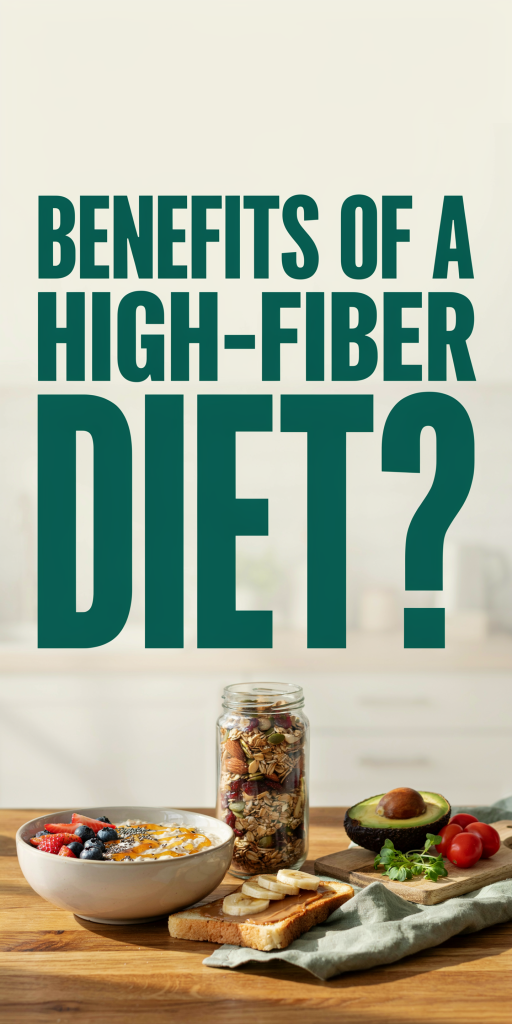
Quinoa Berry Breakfast Bowl (serves 1)
Estimated fiber: ~8–10 g per bowl
Ingredients:
– 1/2 cup cooked quinoa (cooled or warm)
– 1/2 cup mixed berries (strawberries, blueberries, raspberries)
– 2 tablespoons chopped almonds or walnuts
– 1 tablespoon chia seeds
– 1/2 cup plain Greek yogurt or plant-based yogurt
– 1 teaspoon honey or maple syrup (optional)
Instructions:
1. Place cooked quinoa in a bowl.
2. Top with yogurt, mixed berries, nuts, and chia seeds.
3. Drizzle with honey or maple syrup if desired. Stir and enjoy.
Roasted Brussels Sprouts and Sweet Potato (serves 4)
Estimated fiber: ~6–8 g per serving
Ingredients:
– 1 lb Brussels sprouts, trimmed and halved
– 1 large sweet potato, peeled and cubed
– 2 tablespoons olive oil
– 1 teaspoon smoked paprika
– 1/2 teaspoon garlic powder
– Salt and pepper to taste
– Optional: 1/4 cup pumpkin seeds for topping
Instructions:
1. Preheat oven to 400°F (200°C).
2. Toss Brussels sprouts and sweet potato cubes with olive oil, smoked paprika, garlic powder, salt, and pepper.
3. Spread on a baking sheet in a single layer.
4. Roast for 25–30 minutes, stirring halfway, until vegetables are tender and caramelized.
5. Sprinkle with pumpkin seeds before serving.
Black Bean & Brown Rice Burrito Bowl (serves 2)
Estimated fiber: ~15–18 g per serving
Ingredients:
– 1 cup cooked brown rice
– 1 can (15 oz) black beans, drained and rinsed
– 1 cup corn kernels (fresh, frozen, or canned)
– 1 cup chopped romaine or mixed greens
– 1/2 cup pico de gallo or diced tomatoes
– 1/4 avocado, sliced per bowl
– 1 tablespoon chopped cilantro per bowl
– 1 lime, cut into wedges
– Optional: salsa, hot sauce, or Greek yogurt for topping
Instructions:
1. Divide cooked brown rice between two bowls.
2. Top each with black beans, corn, greens, pico de gallo, and sliced avocado.
3. Sprinkle with cilantro and squeeze lime over each bowl.
4. Add optional toppings if desired and serve.
Simple sample high-fiber day (approximate totals)
Here’s an example of how fiber can add up in a day:
– Breakfast: High-Fiber Overnight Oats — 10–12 g
– Snack: Apple and 1 tablespoon almond butter — 4–5 g
– Lunch: Chickpea and Avocado Salad Wrap — 12–15 g
– Snack: Carrot sticks with hummus — 4–5 g
– Dinner: Lentil and Veggie Soup + whole-grain roll — 12–16 g
Total: ~42–53 grams (well within recommended range for many adults; adjust portions for individual needs)
Tips for eating out and travel
- Choose salads with beans or a whole-grain base, brown rice bowls, or burrito bowls with extra beans and vegetables.
- Opt for whole-grain bread or ask for it when available.
- Start with a vegetable-based appetizer (e.g., minestrone, vegetable soup).
- Carry fiber-rich snacks like roasted chickpeas, nuts, or dried fruit (in moderation), and portable portions of ground flax or chia to add to beverages or yogurt.
How long until you notice benefits?
Some improvements, such as easier bowel movements and increased satiety, may be noticeable within days to weeks. Improvements in cholesterol and blood sugar often require a consistent pattern over weeks to months. Long-term benefits like reductions in disease risk accrue over years of healthy eating patterns.
Final considerations
A high-fiber diet is most effective when it’s part of an overall healthy eating pattern: diverse plant foods, healthy fats, lean proteins, and appropriate portion sizes. Fiber’s benefits are maximized in the context of adequate hydration, regular physical activity, and attention to overall calorie and nutrient balance.
If you have specific medical conditions (e.g., IBD, recent abdominal surgery, or IBS with particular sensitivities), talk to a healthcare professional or registered dietitian about the best way to modify fiber for your needs.
Conclusion
The benefits of a high-fiber diet are broad and powerful: improved digestion and regularity, better weight management and satiety, improved blood sugar control, lower cholesterol and heart disease risk, and a healthier gut microbiome. Small, sustainable changes — swapping refined grains for whole grains, adding beans and lentils, choosing fruit and vegetables as snacks, and including seeds and nuts — can add up quickly and make a meaningful difference.
Start gradually, drink plenty of water, and choose a variety of fiber-rich foods to reap the full rewards. Use the recipes and meal ideas above to make fiber delicious and convenient. With consistency and a bit of planning, a high-fiber diet becomes an enjoyable part of daily life that supports long-term health and vitality.
If you’d like, I can create a weekly fiber-rich meal plan tailored to your calorie needs, food preferences, or any dietary restrictions — tell me your goals and I’ll design a plan you can follow.