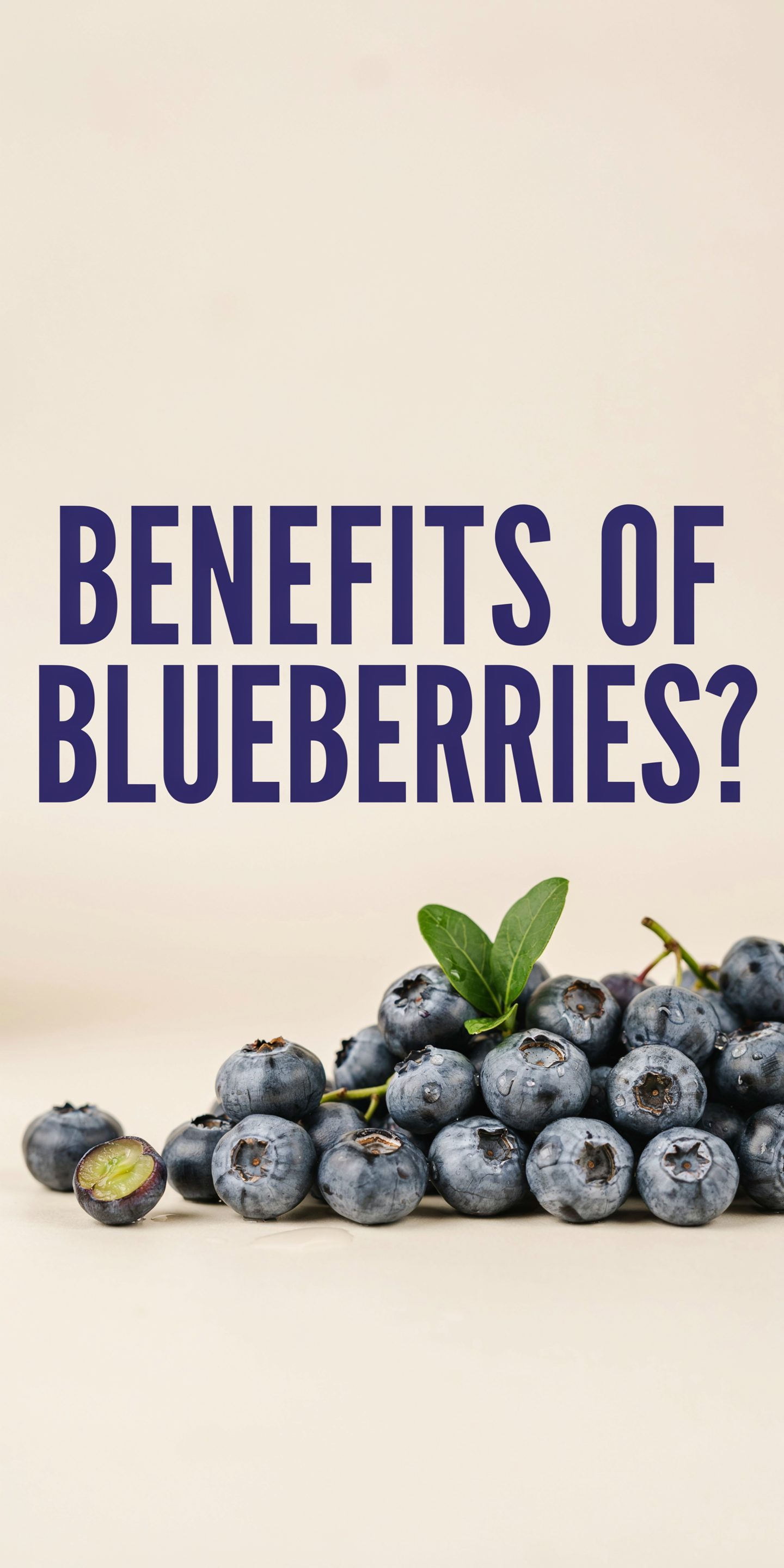
What Are the Benefits of Blueberries?
Blueberries are more than a sweet, colorful treat — they’re a nutritional powerhouse packed into tiny, tasty packages. Whether you sprinkle them on your morning oatmeal, blend them into a smoothie, or enjoy them frozen straight from the bag, blueberries deliver a range of health benefits supported by nutrition science and decades of research. This article explores what makes blueberries special, how they can support specific aspects of health, practical tips for buying and storing them, and simple, delicious ways to add them to your daily routine.
Quick snapshot: Why people love blueberries
- Low in calories, high in nutrients and antioxidants
- Naturally sweet with a pleasing tart edge — versatile in sweet and savory dishes
- Available fresh, frozen, or dried — year-round accessibility
- Backed by research linking them to heart, brain, metabolic, and gut health
In the sections below you’ll find an in-depth look at the nutrition profile of blueberries, the main health benefits, practical guidance for selection and storage, creative consumption ideas, and several recipes you can try at home.
Nutritional profile of blueberries (per 1 cup, ~148 g)
Blueberries are nutrient-dense relative to their calorie content. A typical cup of fresh blueberries provides approximately:
– Calories: ~84
– Carbohydrates: ~21 g (of which ~15 g are sugars)
– Dietary fiber: ~3.6 g
– Protein: ~1.1 g
– Vitamin C: ~24% of the Daily Value (DV)
– Vitamin K: ~36% DV
– Manganese: ~25% DV
– Small amounts of vitamin E, B6, copper, and potassium
Most importantly, blueberries are rich in flavonoids — especially anthocyanins, the pigments that give them their characteristic blue-purple color. These compounds are major contributors to the fruit’s antioxidant and anti-inflammatory effects.
Major health benefits of blueberries
1. Rich source of antioxidants and anti-inflammatory compounds
The anthocyanins, flavonols, and other polyphenols in blueberries act as antioxidants, neutralizing reactive oxygen species (free radicals) that can damage cells and contribute to aging and chronic disease. By reducing oxidative stress and low-grade inflammation, blueberries support overall cellular health and may help protect against chronic conditions linked to inflammation.
2. Heart health support
Evidence suggests regular blueberry consumption can benefit cardiovascular risk factors:
– May help lower blood pressure in people with hypertension or prehypertension.
– Can improve lipid profiles by reducing LDL oxidation and improving endothelial function (the health of blood vessel linings).
– The fiber, polyphenols, and potassium content also support heart-healthy diets.
While blueberries are not a cure-all, incorporating them into a diet rich in whole foods can contribute to better heart health over time.
3. Brain and cognitive benefits
Blueberries are widely studied for their potential cognitive benefits. Clinical trials and observational studies suggest:
– Regular blueberry intake or supplementation may improve certain measures of memory and executive function, particularly in older adults.
– The combination of antioxidants and anti-inflammatory compounds appears to protect neurons, support brain signaling, and improve blood flow to the brain.
These effects are most apparent with consistent consumption over months rather than in single servings.
4. Blood sugar regulation and metabolic health
Blueberries have a relatively low glycemic load and are high in fiber and bioactive compounds that may:
– Improve insulin sensitivity
– Reduce post-meal blood sugar spikes when eaten with carbohydrate-containing meals
– Support healthy weight management as part of a balanced diet
People with diabetes can enjoy blueberries in moderation; pairing them with protein or fat (e.g., yogurt, nuts) helps blunt glucose rises.
5. Gut health and microbiome support
Dietary polyphenols in blueberries reach the colon and interact with the gut microbiota. This relationship can:
– Encourage growth of beneficial bacteria
– Produce metabolites (like short-chain fatty acids) that support colon health and systemic metabolism
– Contribute to improved digestive health and possibly reduced inflammation
While more human research is needed, emerging studies show promising links between blueberry intake and a healthier gut microbial profile.
6. Weight management and satiety
Blueberries are low in calories but provide fiber and water, which help with satiety. Replacing higher-calorie desserts or snacks with fresh or frozen blueberries can be a simple, satisfying strategy for reducing overall calorie intake while still enjoying sweet flavors.
7. Eye and skin health
Anthocyanins and other antioxidants in blueberries can help protect tissues from oxidative damage. This includes:
– Supporting retinal health and protecting against light- and age-related oxidative stress in the eyes
– Helping the skin by neutralizing free radicals that contribute to skin aging; also, vitamins and hydration from fruit consumption support skin health indirectly
8. Nutrient support during pregnancy and growth
Blueberries are a good source of vitamin C, vitamin K, and manganese — nutrients that support tissue formation, bone health, and antioxidant defense. They’re an easy, nutrient-dense snack for pregnant people when included as part of a varied diet.
How much should you eat?
A good target for most healthy adults is about 1 cup (about 150 grams) of blueberries several times per week. Some clinical trials use 1/2 to 2 cups per day for measurable benefits in specific outcomes (e.g., cognitive measures or blood pressure). Aim for variety and consistency rather than perfection: combine blueberries with whole grains, yogurt, nuts, or leafy greens to maximize nutritional benefits.
Fresh vs frozen vs dried: what’s best?
- Fresh: Great flavor and texture; best when in season.
- Frozen: Often just as nutritious as fresh because berries are frozen soon after harvest, which preserves nutrients and antioxidants. Frozen berries are a cost-effective, convenient option year-round.
- Dried: Concentrated calories and sugars; useful in moderation for snacks and baking but consume less often than fresh/frozen.
Frozen blueberries are an excellent everyday choice — use them in smoothies, oatmeal, and baked goods.
How to pick, store, and prepare blueberries
Selecting fresh blueberries
- Look for plump, firm berries with a silvery bloom (a natural, protective waxy coating) — this indicates freshness.
- Avoid berries that are soft, wet, or leaking juice, which may be overripe or starting to spoil.
Storing fresh blueberries
- Keep unwashed blueberries in the refrigerator in a breathable container.
- They typically last 5–10 days depending on freshness at purchase.
- Wash just before eating to preserve texture and shelf life.
Freezing and thawing
- Spread berries in a single layer on a baking sheet, freeze until solid, then transfer to a freezer bag to prevent clumping.
- Frozen blueberries are perfect for smoothies and cooking; thaw briefly for sauces or salads where softer texture is acceptable.
Potential concerns and interactions
- Allergies: True blueberry allergies are uncommon but possible. If you experience itching, swelling, or other allergic symptoms after consuming blueberries, stop and consult a clinician.
- Blood thinners: Blueberries contain vitamin K, which can influence blood clotting. If you take warfarin (Coumadin) or similar medications, discuss consistent intake of vitamin K-rich foods with your healthcare provider.
- Pesticide residues: Choose organic when possible if pesticide exposure is a concern, although washing and buying frozen can reduce risk.
Delicious ways to enjoy blueberries
Here are practical meal ideas and recipes to make blueberries a regular part of your diet. Each recipe lists ingredients as bullets and instructions as a numbered list so you can try them easily at home.
Recipe 1 — Blueberry Power Smoothie
A nutrient-dense smoothie that pairs antioxidants with protein and healthy fats for a balanced breakfast or post-workout snack.
Ingredients
– 1 cup frozen or fresh blueberries
– 1 medium banana
– 1 cup plain Greek yogurt (or plant-based yogurt)
– 1 tablespoon nut butter (almond, peanut, or cashew)
– 1/2 cup unsweetened almond milk (or milk of choice)
– 1 tablespoon chia or flax seeds (optional)
– A handful of spinach (optional)
– Ice (optional, for desired thickness)
Instructions
1. Place all ingredients in a blender.
2. Blend on high until smooth and creamy, adding more milk if too thick.
3. Taste and adjust sweetness by adding a small drizzle of honey or maple syrup if needed.
4. Pour into a glass and enjoy immediately.
Recipe 2 — Blueberry Overnight Oats
Prep the night before for an easy, nutrient-rich breakfast full of fiber, protein, and antioxidants.
Ingredients
– 1/2 cup rolled oats
– 1/2 cup milk or milk alternative
– 1/2 cup plain Greek yogurt
– 1/2 cup fresh or frozen blueberries
– 1 tablespoon chia seeds
– 1 teaspoon honey or maple syrup (optional)
– Pinch of cinnamon
– Toppings: sliced almonds, extra berries, or a few dark chocolate chips (optional)
Instructions
1. In a jar or bowl, combine oats, milk, yogurt, chia seeds, honey, and cinnamon.
2. Gently fold in the blueberries.
3. Seal or cover and refrigerate overnight (at least 6 hours).
4. In the morning, stir, add your preferred toppings, and enjoy cold or warmed briefly.
Recipe 3 — Lemon-Blueberry Yogurt Parfait
A fresh, layered snack or dessert that’s easy to assemble and visually appealing.
Ingredients
– 1 cup plain Greek yogurt
– 1 cup fresh blueberries
– 1 tablespoon lemon zest
– 1–2 teaspoons lemon juice
– 1/4 cup granola or toasted oats
– 1 teaspoon honey or maple syrup (optional)
Instructions
1. In a small bowl, mix yogurt with lemon zest and lemon juice. Sweeten lightly with honey if desired.
2. In serving glasses, layer a spoonful of lemon yogurt, a sprinkle of granola, and a layer of blueberries.
3. Repeat layers until glasses are filled, finishing with a few blueberries on top.
4. Serve immediately for crunchier granola, or chill briefly if preferred.
Recipe 4 — Blueberry Spinach & Feta Salad with Balsamic Glaze
A bright, savory salad that pairs sweet blueberries with salty feta and crunchy nuts — perfect for lunch or as a side dish.
Ingredients
– 4 cups baby spinach or mixed greens
– 1 cup fresh blueberries
– 1/2 cup crumbled feta or goat cheese
– 1/3 cup toasted walnuts or pecans
– 1/4 red onion, thinly sliced (optional)
– 2 tablespoons olive oil
– 1 tablespoon balsamic vinegar
– 1 teaspoon honey or maple syrup
– Salt and black pepper to taste
Instructions
1. In a small bowl, whisk together olive oil, balsamic vinegar, honey, salt, and pepper to make the dressing.
2. In a large bowl, combine spinach, blueberries, crumbled feta, nuts, and red onion if using.
3. Drizzle dressing over the salad and toss gently to coat.
4. Serve immediately as a light lunch or a side alongside grilled protein.
Recipe 5 — Quick Blueberry Chia Jam (No added sugar)
A simple, fiber-rich spread you can use on toast, yogurt, or as a topping for desserts.
Ingredients
– 2 cups fresh or frozen blueberries
– 2 tablespoons chia seeds
– 1–2 tablespoons honey or maple syrup (optional, to taste)
– 1 teaspoon lemon juice
– Pinch of salt
Instructions
1. In a small saucepan, heat blueberries over medium heat until they begin to break down and release juices (about 5–7 minutes).
2. Mash the berries with a fork or spoon to your preferred texture.
3. Stir in chia seeds, lemon juice, and honey. Cook for another 1–2 minutes, stirring to combine.
4. Remove from heat and let cool; the jam will thicken as it cools.
5. Transfer to a jar and refrigerate. Use within 7–10 days.
Frequently asked questions (FAQs)
Are frozen blueberries as healthy as fresh?
Yes. Frozen blueberries are typically picked and frozen at peak ripeness, preserving vitamins and antioxidant compounds. They are an excellent year-round option and often more cost-effective.
Can children eat blueberries every day?
Absolutely. Blueberries are a nutritious, age-appropriate snack for children. They supply vitamins, fiber, and antioxidants. For younger children, cut large berries in half to reduce choking risk.
Do blueberries help with weight loss?
Blueberries alone won’t cause weight loss, but their low calorie and high nutrient density make them a helpful component of a balanced, calorie-controlled diet. Their fiber content supports fullness, which can help reduce overall calorie intake.
How many blueberries are in one serving?
A standard serving is about 1/2 to 1 cup of blueberries. One cup weighs roughly 148 grams. Serving sizes can vary by dietary needs, but 1 cup is a practical daily target for many people.
Final tips for incorporating blueberries into your life
- Keep a bag of frozen blueberries in your freezer for smoothies and oatmeal.
- Add them to salads, salsas, yogurt bowls, and whole-grain pancakes.
- Use them in savory dishes — they pair beautifully with roasted poultry and balsamic reductions.
- Rotate them with other berries and fruits to maximize variety of polyphenols and nutrients.
Conclusion
Blueberries are an easy, delicious way to boost the nutritional quality of your meals. Packed with antioxidants, fiber, vitamins, and beneficial plant compounds, they support heart health, brain function, blood sugar control, and gut health when included as part of an overall healthy diet. Whether fresh or frozen, in a smoothie or a salad, blueberries are versatile and accessible — a small fruit with big potential for your well-being. Try adding a cup a few times a week and see how this simple change can brighten your meals and support your health goals.