The Thyroid-Boosting Trick: A Safe, Science-Backed 6-Week Plan To Revitalize Your Metabolism
We’re living in an era where fatigue, stubborn weight gain, and sluggish metabolism are common complaints, and for many people the thyroid is a key, underappreciated player. In this text we’ll walk through “The Thyroid Boosting Trick,” a practical, science-backed six-week plan that combines targeted nutrition timing, specific foods and supplements, exercise, sleep and stress tactics, plus monitoring guidelines so you can safely support thyroid function and revitalize your metabolism. This isn’t hype or a magic pill: it’s a methodical approach built on evidence about how the thyroid responds to nutrients, circadian cues, and lifestyle. Over six weeks we’ll give you a day-by-day checklist and measurable markers to watch so you know what’s working, and when to seek medical care. Whether you’re managing a diagnosed thyroid condition or simply want to optimize metabolism, our plan is designed for safety and sustainability in 2026’s health landscape. Let’s get into how the thyroid controls metabolism and why a simple, consistent trick can make a measurable difference.
How The Thyroid Controls Metabolism
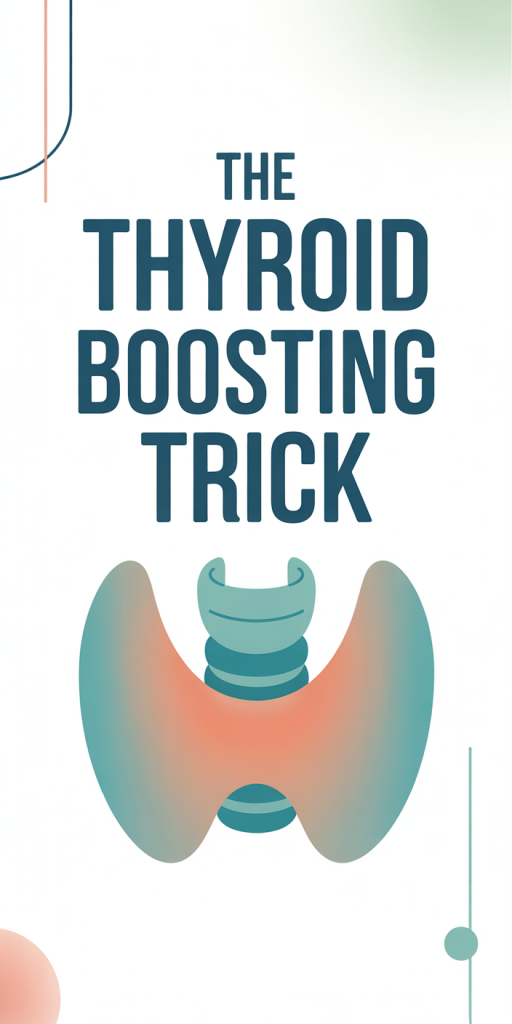
The thyroid is a small gland with outsized influence. Nestled at the front of our neck, it produces thyroid hormones, primarily thyroxine (T4) and the active form triiodothyronine (T3), that act like the body’s thermostat. Those hormones regulate basal metabolic rate, thermogenesis, heart rate, cholesterol metabolism, and even mood and cognitive speed. In practical terms: when thyroid hormone signaling is lower, we burn fewer calories at rest, feel colder, slower, and often struggle with weight and energy. Conversely, higher thyroid activity increases calorie burn and alertness.
Control of this system hinges on the hypothalamic-pituitary-thyroid (HPT) axis. The hypothalamus releases TRH, the pituitary responds with TSH (thyroid-stimulating hormone), and the thyroid secretes T4/T3. Peripheral tissues convert T4 into the more active T3 using enzymes that require nutrients and are sensitive to inflammation, stress, and illness. Autoimmune processes (most commonly Hashimoto’s) can damage thyroid tissue, reducing hormone production: conversely, Graves’ disease can overstimulate it.
Because the system depends on feedback loops, small, consistent influences, like improving nutrient availability, optimizing circadian timing, and reducing inflammatory stressors, can shift hormonal balance over weeks. That’s the physiological rationale behind the plan we’ll outline: we can’t “fix” severe disease without clinicians, but we can create conditions that support healthy thyroid function and metabolic resilience.
The Thyroid-Boosting Trick: Core Concept
At its heart, the Thyroid-Boosting Trick is simple: synchronize nutrient-rich meals, targeted supplements, and circadian-friendly behaviors so the thyroid and its conversion machinery have what they need when they need it. Rather than chasing single superfoods or extreme diets, we’re emphasizing timing and consistency, eating the right nutrients at the right times, separating interfering factors (like certain medications and large amounts of calcium or iron) from thyroid medication, and pairing this with progressive resistance training and sleep optimization.
Why focus on timing? The enzymes that convert T4 to T3 and the receptors that respond to T3 are influenced by metabolic signals tied to feeding and circadian rhythm. For example, protein-rich morning meals can support muscle maintenance and thyroid signaling, while avoiding high-dose iron or calcium at medication time prevents impaired absorption of levothyroxine. Likewise, managing stress hormones (cortisol) through sleep and relaxation prevents cortisol-driven suppression of thyroid conversion. The approach is conservative, evidence-informed, and usable whether you’re on medication or not. We’ll give clear rules: what to eat and when, which supplements to consider, and the exercise and sleep framework to amplify results during the six-week window.
Why This Trick Works When Others Don’t
Many thyroid “fixes” fail because they target one variable and ignore system interactions. Crash diets, for instance, reduce calorie intake but also blunt thyroid hormone conversion and increase reverse T3, a metabolically inactive form, which can leave us feeling worse. Supplements marketed as quick thyroid boosters often use unverified dosages or ignore nutrient interactions: some contain excessive iodine, which can harm susceptible people.
Our trick works because it aligns multiple modest interventions that each have plausible biological effects and stack together. We improve substrate availability (iodine, selenium, iron, zinc, tyrosine), reduce antagonists (timing around thyroid medication, limiting goitrogenic behavior when necessary), and enhance peripheral conversion (addressing vitamin D, sleep, stress, and inflammation). We also use resistance training and short bursts of higher-intensity work to stimulate muscle synthesis and mitochondrial activity, both of which increase resting metabolic rate.
Importantly, we focus on safety and monitoring. Rather than pushing supplements at high doses, we recommend measured intakes and periodic lab checks. The goal isn’t hyperthyroidism, which has its own risks, but restoring balanced function so the metabolism operates as it should.
Targeted Nutrition Timing For Thyroid Support
When we speak about timing, we mean practical meal-pattern choices that optimize thyroid hormone production and conversion without adding complexity. Start the day with a protein-focused breakfast within 60–90 minutes of waking. Protein supplies tyrosine, an amino acid precursor to thyroid hormones, and supports lean muscle mass, which increases metabolic demand. Aim for 20–30 grams of high-quality protein (eggs, Greek yogurt, tofu, or a whey/pea protein blend).
If you’re taking levothyroxine, take it first thing on an empty stomach with water and wait 60–90 minutes before breakfast: if taking other thyroid medications consult your clinician, but the separation rule usually helps absorption. Avoid consuming calcium- or iron-rich supplements within four hours of your medication, as they bind and reduce uptake.
Distribute carbohydrates around activity windows to support thyroid conversion: moderate-carb meals post-workout improve glycogen resynthesis and limit stress-driven conversion to reverse T3. Evening meals should be lighter and include a balance of protein and healthy fats to prevent late-night cortisol spikes that can blunt overnight thyroid activity. Also, regular meal timing, consistent wake and meal times, helps synchronize circadian cues that support hormone rhythms.
Foods And Nutrients That Help
Certain foods give the thyroid raw materials and protect it from oxidative stress. Include iodine-rich foods in moderation: seaweed (nori, wakame) once or twice weekly and iodized salt in controlled amounts: remember excessive iodine can be harmful, especially if autoimmune disease is present. Selenium is crucial for deiodinase enzymes that convert T4 to T3: Brazil nuts (one small nut daily provides ample selenium), seafood, and organ meats are good sources.
Zinc supports thyroid hormone synthesis and receptor sensitivity: oysters, beef, pumpkin seeds, and lentils are practical sources. Iron deficiency impairs thyroid function, combine non-heme iron sources with vitamin C-containing foods to boost absorption (spinach with bell peppers). Adequate vitamin D is associated with better thyroid health: we prefer obtaining levels through safe sun exposure and, if low, a measured supplement after testing.
Limit heavily processed soy products around medication times and avoid raw cruciferous vegetable overconsumption if iodine intake is low, cooked crucifers have far less goitrogenic activity. Healthy fats (olive oil, avocados, fatty fish) support cellular receptor function and hormone transport. Hydration and fiber are helpful, but extremely low-carb or very-low-calorie diets should be avoided because they suppress thyroid conversion.
Key Supplements And Safe Doses
Supplements can fill gaps, but we emphasize measured, evidence-based doses and periodic lab monitoring. Recommended starting points for adults (unless contraindicated and after clinician review):
- Selenium: 100–200 mcg daily (avoid chronically exceeding 200 mcg). One Brazil nut can provide 75–90 mcg, so adjust accordingly.
- Iodine: If you’re iodine-deficient, modest supplementation (150 mcg/day) mirrors the RDA. Don’t start high-dose iodine without endocrine supervision, especially with autoimmune thyroid disease.
- Vitamin D: Aim for serum 25(OH)D between 30–50 ng/mL. Typical correction doses range from 1,000–4,000 IU/day depending on baseline levels: test before high-dose therapy.
- Zinc: 8–11 mg/day for most adults: avoid chronic high-dose zinc (>40 mg/day) without supervision.
- Iron: Supplement only if ferritin is low (<50 ng/mL may correlate with symptoms): dose per clinician guidance.
- Tyrosine: 500–1,000 mg before a morning workout can be safe for short-term use, but we prefer food sources first.
We avoid multi-ingredient “thyroid booster” blends with undisclosed doses and recommend separating mineral supplements (calcium, iron) from thyroid medication by four hours. If you’re pregnant, breastfeeding, or have autoimmune disease, consult your clinician before starting any supplement.
Exercise, Sleep, And Stress Strategies
Physical activity, sleep quality, and stress management influence thyroid hormone action at the tissue level. Our six-week plan pairs resistance training with short high-intensity intervals to stimulate muscle growth and mitochondrial function, which elevates resting metabolic rate and supports thyroid hormone utilization.
Exercise framework: three resistance sessions per week focusing on compound movements (squats, deadlifts, presses, rows) with progressive overload, plus two shorter (10–15 minute) HIIT or brisk cardio sessions. On recovery days, include gentle walks or mobility work to maintain blood flow without overstressing the HPT axis.
Sleep: aim for consistent bedtimes and 7–9 hours nightly. Poor sleep elevates cortisol and impairs T4→T3 conversion. Create a wind-down routine: dim lights an hour before bed, avoid screens, and keep bedroom temperature slightly cool to encourage restorative sleep. If insomnia persists, address it early rather than pushing through.
Stress: chronic psychological stress raises cortisol and can blunt thyroid function. We recommend daily micro-practices, 10 minutes of diaphragmatic breathing, progressive muscle relaxation, or a short mindfulness session. For many people, reducing caffeine late in the day and prioritizing social connection and pleasurable activity also lowers stress-related metabolic drag.
Monitoring Progress And When To Seek Medical Care
Tracking outcomes helps us know whether the plan is working and when to escalate care. Objective measures to watch: resting heart rate (a decrease typically indicates improved metabolic efficiency), body temperature (morning basal temperature of 97.8–98.6°F suggests adequate thyroid function for many people), and strength gains or improved workout recovery. Subjective markers, energy, digestion, mood, and cold intolerance, matter too.
Lab testing: baseline and follow-up thyroid panels give clarity. We recommend getting TSH, free T4, free T3, and thyroid peroxidase (TPO) and thyroglobulin antibodies if autoimmune disease is suspected. Recheck after 6–8 weeks if you’re making lifestyle or supplement changes: some shifts show up quickly, others take time. Also check ferritin, vitamin D (25(OH)D), and basic metabolic panel when initiating supplementation.
Seek medical care promptly if you experience palpitations, unexplained weight loss, rapid heart rate, significant tremor, or signs of thyrotoxicosis. If your labs show significant abnormalities (very high or low TSH, suppressed TSH with high free T4/T3, or rapidly rising antibodies), work closely with an endocrinologist. Our plan is intended as supportive: it does not replace prescription therapy when it’s indicated.
6-Week Sample Plan And Daily Checklist
Below is an actionable, progressive six-week plan with a daily checklist. We designed it to be realistic: small, consistent wins that compound.
Week 1, Foundation
- Goals: stabilize wake/sleep times, start protein-rich breakfasts, take baseline labs (TSH, free T4, free T3, antibodies, ferritin, 25(OH)D). Begin 1 Brazil nut daily (selenium) and vitamin D if deficient per clinician.
- Exercise: two light resistance sessions, two walks.
Week 2, Nutrition timing
- Goals: separate thyroid medication and mineral supplements by 60–90 minutes: add vitamin C-rich fruit with iron-containing meals: limit late caffeine.
- Exercise: three resistance sessions (full-body), one HIIT session.
Week 3, Intensify training and monitor
- Goals: increase training load modestly: add post-workout moderate carbs: continue supplements as advised.
- Labs: if supplementing, consider ferritin and vitamin D retest only if recommended.
Week 4, Sleep and stress focus
- Goals: consistent 7–9 hours, nightly wind-down, daily 10-minute breathwork: evaluate symptom changes.
- Exercise: maintain resistance + 2 short HIIT sessions.
Week 5, Fine-tuning
- Goals: adjust iodine intake if needed, refine supplement doses, track morning basal temp and resting HR.
- Exercise: progressive overload: prioritize form and recovery.
Week 6, Assessment and plan ahead
- Goals: repeat labs (TSH, free T4, free T3, antibodies if relevant) and compare symptoms: plan maintenance.
Daily checklist (sample):
- Wake by consistent time: take thyroid med with water and wait 60–90 mins before eating.
- Protein breakfast (20–30 g).
- Strength or movement session (per schedule).
- Separate calcium/iron supplements from medication by 4 hours.
- 10 minutes stress-relief practice.
- Bedtime wind-down, 7–9 hours sleep.
Track: weight, resting HR, basal temp, and symptom journal weekly. After six weeks review labs and decide next steps, continue, modify, or consult a clinician for medication or further testing.
Conclusion
Over six weeks we can create an environment where the thyroid and its conversion machinery function more efficiently, not by chasing extremes but by synchronizing nutrition timing, measured supplementation, resistance-focused exercise, and sleep and stress hygiene. The Thyroid-Boosting Trick is practical: small daily changes that reduce obstacles to hormone production and peripheral conversion. We recommend baseline labs, conservative supplement doses, and repeat testing after the plan. If symptoms persist or labs worsen, seeking endocrinology input is essential. Taken together, these steps give us a safe, science-backed path to revitalize metabolism and support thyroid health in 2026 and beyond.