Stop Counting Protein—Use This Simple 150g Formula Instead
Tracking every gram of protein can feel like a second job. Scrolling food labels, weighing chicken, estimating beans — it’s exhausting and easy to overthink. What if you could get the results you want (muscle retention, satiety, steady energy, recovery) without a spreadsheet? Enter the 150g formula: a practical, portion-based approach that replaces obsessive counting with three simple, repeatable servings of protein-rich whole foods per day.
This post explains the why and how of the 150g formula, shows how to tailor it to your size and goals, and gives you a stack of tested meal ideas and recipes you can use immediately. No math required — just reliable, flexible food habits that support performance, fat-loss, and overall health.
Why counting protein grams drives many people crazy (and wastes time)
- Precision illusion: Nutrition labels and apps give a false sense of control. The body doesn’t use protein in 1-gram increments; it responds to regular, adequate protein spread across the day.
- Time and stress: Measuring and logging every snack adds friction to healthy habits. That friction often reduces consistency.
- Overemphasis on numbers: People can hit a numeric target and still eat poor-quality food choices (processed protein bars, lots of sugar). Whole-food protein plus fiber, fat, and micronutrients matter.
- Uneven distribution: Many people cram protein at dinner and go long stretches without it. Spreading protein across meals is better for muscle protein synthesis and satiety.
The 150g formula removes the grind while keeping the benefits: reliable protein intake, even distribution, and room for variety.
What is the 150g formula?
The 150g formula is a portion-based rule: aim for three 150-gram cooked portions (or equivalent plant-protein servings) of protein-rich whole foods across your day. Each 150g portion is a manageable, visual amount you can estimate without a scale once you practice. Typical yields:
- 150g cooked chicken breast ≈ 45–48g protein
- 150g cooked salmon ≈ 33–36g protein
- 150g firm tofu ≈ 18–20g protein
- 150g cooked lentils ≈ 12–15g protein
- 150g Greek yogurt ≈ 12–15g protein (varies by brand and concentration)
- 150g cooked lean beef ≈ 36–40g protein
Why cooked? Food changes weight during cooking — using cooked weights matches how most people serve and eat foods.
The practical result: three 150g portions of protein-rich foods typically yield roughly 70–140g of actual protein daily depending on your food choices (animal proteins on the higher end, plant proteins on the lower). For many adults aiming to maintain muscle or support modest strength goals, that range is effective and easier to implement than precise gram counting.
Who is the 150g formula for — and who should customize it?
The 150g formula is ideal for:
– Busy adults who want strength maintenance or modest gains without tracking every gram.
– People focused on satiety, steady energy, and healthier meal composition.
– Anyone who wants to shift away from ultra-processed protein products toward whole foods.
Customize for:
– Smaller adults (<60 kg) or those with lower protein needs: consider two 150g portions + one 100g portion, or 3×100–120g portions.
– Larger or very active adults (>90 kg) or serious strength athletes: consider 3×200g portions or add a targeted protein-rich snack (e.g., a 30–40g protein shake or extra 1–2 servings).
– Medical conditions (kidney disease, some metabolic disorders), pregnancy, or children: consult your clinician before changing protein intake.
Important: the 150g formula is a practical default. If you have specific competitive or medical goals, use a tailored per-kg target from a dietitian or sports nutritionist.
Why three 150g portions beat counting grams
- Simplicity: It’s easier to eyeball three similar-sized portions than to log every gram.
- Distribution: Regular protein doses throughout the day optimize muscle protein synthesis better than one massive evening meal.
- Whole-food emphasis: The formula encourages real food — meat, fish, eggs, dairy, legumes, tofu — which brings vitamins, minerals, and fiber.
- Better satiety and appetite control: Protein-rich portions help control hunger and reduce overeating.
- Flexible and sustainable: You can swap foods, flavors, cuisines, and still hit your routine.
How to implement the 150g formula — daily strategy
- Plan three main meals: breakfast, lunch, dinner. Each should include a 150g protein portion or an equivalent plant-based combination.
- Use a scale for the first 1–2 weeks to learn what 150g looks like on your plate. After that, you’ll eyeball it.
- Prioritize one complete protein per meal (animal sources or thoughtful plant combinations).
- Fill the rest of the plate with vegetables, whole grains or starchy veggies, and healthy fats.
- Add small protein-rich snacks as needed for higher goals (e.g., 150g Greek yogurt, a smoothie with a scoop of protein powder).
- Adjust portion sizes up or down based on how you feel, performance in the gym, and body composition goals.
Protein math without the math — tailoring the formula
- Maintenance/General Health: 3×150g of mixed protein (approx. 70–110g protein/day) often suffices for many moderately active adults.
- Strength and hypertrophy: 3×150g of higher-protein sources (animal forward) or 3×200g portions (approx. 120–160g/day) will support growth.
- Fat loss while preserving muscle: keep protein portions steady and emphasize veggies and fiber for satiety; slight calorie deficit + 3×150g helps preserve lean mass.
Now, let’s get practical. Below are explicitly listed meal ideas and recipes crafted to fit the 150g formula. Each includes ingredients (bulleted) and numbered instructions, so you can start cooking today.
Meal ideas and recipes (explicitly listed)
1) Breakfast: Savory Greek Yogurt Bowl with Smoked Salmon (150g protein-food portion)
Ingredients:
– 150g full-fat Greek yogurt
– 75–100g smoked salmon (use 75g for ~15g protein, 100g for ~20g)
– 1 small cucumber, diced
– 1 tablespoon capers
– 1 tablespoon extra-virgin olive oil
– Fresh dill, lemon zest, black pepper to taste
Instructions:
1. Spoon 150g Greek yogurt into a bowl.
2. Flake or lay smoked salmon over the yogurt.
3. Scatter diced cucumber and capers on top.
4. Drizzle olive oil, sprinkle dill, lemon zest and black pepper.
5. Mix and eat immediately with whole-grain toast or a portion of fruit if desired.
Notes: This combo delivers protein early and pairs well with veggies and healthy fats for sustained energy.
2) Breakfast: Tofu Scramble + Sautéed Mushrooms (150g tofu portion)
Ingredients:
– 150g firm tofu, drained and crumbled
– 100g mushrooms, sliced
– 1 small onion, diced
– 1 clove garlic, minced
– 1 tablespoon olive oil or avocado oil
– 1/2 teaspoon turmeric, salt, and pepper
– Handful of spinach or kale
Instructions:
1. Heat oil in a skillet over medium heat; add onion and garlic, sauté until translucent.
2. Add mushrooms and cook until they release moisture and brown.
3. Crumble tofu into the pan; stir in turmeric, salt, and pepper.
4. Add spinach/kale and cook until wilted and heated through.
5. Serve with whole-grain toast or roasted sweet potato on the side.
3) Lunch: Grilled Chicken + Quinoa Bowl (150g chicken portion)
Ingredients:
– 150g cooked grilled chicken breast, sliced
– 1 cup cooked quinoa (approx. 185g cooked)
– 1 cup mixed salad greens
– 1/2 cup cherry tomatoes, halved
– 1/4 avocado, sliced
– 2 tablespoons vinaigrette (olive oil + lemon)
Instructions:
1. Place cooked quinoa in a bowl as base.
2. Arrange salad greens, cherry tomatoes, and avocado around the quinoa.
3. Top with sliced grilled chicken.
4. Drizzle vinaigrette and toss before eating.
4) Lunch: Lentil & Sweet Potato Power Bowl (150g lentils equivalent; combine lentils + seeds)
Ingredients:
– 100g cooked green/brown lentils (about 1/2 cup cooked)
– 150g roasted sweet potato cubes
– 30g pumpkin seeds or sunflower seeds
– 1 cup steamed broccoli
– 2 tablespoons tahini-lemon dressing
– Fresh cilantro or parsley
Instructions:
1. Roast sweet potato cubes until tender.
2. Warm cooked lentils and steamed broccoli.
3. Layer lentils, sweet potato, and broccoli in a bowl.
4. Sprinkle seeds and drizzle tahini-lemon dressing.
5. Garnish with herbs and serve.
Notes: If you follow strict plant-based protein needs, increase lentils or add 100g extra tofu/tempeh to reach protein parity with animal-based meals.
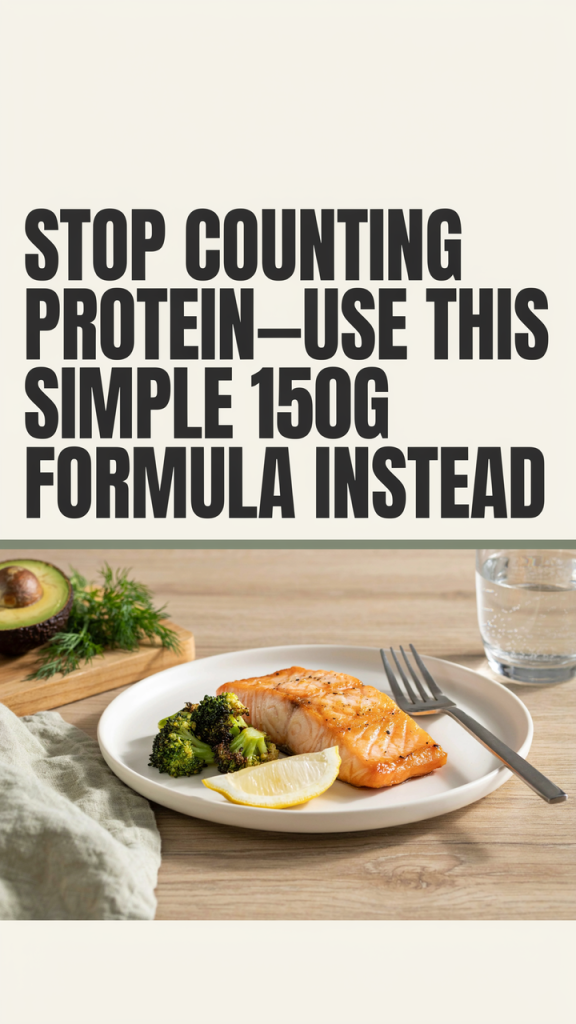
5) Dinner: Pan-Seared Salmon with Lentil Salad (150g salmon portion)
Ingredients:
– 150g salmon fillet
– 1/2 cup cooked French lentils
– 1 small shallot, minced
– 1 tablespoon olive oil
– 1 tablespoon red wine vinegar
– Mixed baby greens
– Salt, pepper, and lemon wedges
Instructions:
1. Season salmon with salt and pepper. Pan-sear skin-side down in a hot skillet for 3–4 minutes; flip and cook 2–3 more minutes (depending on thickness).
2. Toss cooked lentils with minced shallot, olive oil, red wine vinegar, salt and pepper.
3. Place mixed greens on a plate, add lentil salad, and top with salmon.
4. Serve with a lemon wedge.
6) Dinner: Beef Stir-Fry with Broccoli and Brown Rice (150g beef portion)
Ingredients:
– 150g lean beef strips
– 2 cups broccoli florets
– 1 red bell pepper, sliced
– 1 clove garlic, minced
– 1 tablespoon soy sauce or tamari
– 1 teaspoon sesame oil
– 1 cup cooked brown rice
Instructions:
1. Heat sesame oil in a wok or skillet; sauté garlic briefly.
2. Add beef strips and sear until browned.
3. Add broccoli and bell pepper; stir-fry until vegetables are crisp-tender.
4. Splash soy sauce and toss to combine.
5. Serve over cooked brown rice.
7) Snack/Light Meal: Cottage Cheese + Berry Bowl (150g cottage cheese portion)
Ingredients:
– 150g cottage cheese (full-fat or low-fat as preferred)
– 1/2 cup mixed berries (blueberries, raspberries)
– 1 tablespoon chia seeds or ground flax
– Optional: small drizzle of honey or cinnamon
Instructions:
1. Spoon cottage cheese into a bowl.
2. Top with berries and sprinkle chia seeds.
3. Add a drizzle of honey or dust of cinnamon if desired.
4. Stir and eat; this is a convenient protein-dense snack.
8) Snack: High-Protein Hummus + Veggies (150g hummus + added seeds)
Ingredients:
– 150g hummus (homemade or store-bought)
– 1 tablespoon tahini (if making hummus)
– 2 tablespoons Greek yogurt (optional for added protein)
– Carrot sticks, cucumber slices, bell pepper for dipping
Instructions:
1. If boosting store-bought hummus, stir in Greek yogurt and tahini.
2. Portion hummus into a serving bowl.
3. Arrange veggies for dipping and enjoy as a mid-afternoon protein-rich snack.
Notes: Hummus alone is moderate in protein; adding Greek yogurt or pairing with a high-protein grain/cracker helps hit targets.
9) Dessert/Recovery Snack: Chocolate Protein Pudding (Greek yogurt base) (150g Greek yogurt portion)
Ingredients:
– 150g Greek yogurt
– 1 tablespoon unsweetened cocoa powder
– 1 tablespoon honey or maple syrup
– 1 scoop protein powder (optional for higher protein needs)
– Berries or chopped nuts for topping
Instructions:
1. Mix Greek yogurt, cocoa powder, and sweetener in a bowl.
2. If using protein powder, add and whisk until smooth.
3. Top with berries or nuts and enjoy chilled.
Sample 3-day quick plan using the 150g formula
Day 1
– Breakfast: Savory Greek yogurt bowl with smoked salmon (recipe above)
– Lunch: Grilled chicken + quinoa bowl (recipe above)
– Snack: Cottage cheese + berries
– Dinner: Pan-seared salmon with lentil salad
Day 2
– Breakfast: Tofu scramble + mushrooms
– Lunch: Lentil & sweet potato power bowl
– Snack: Hummus + veggies
– Dinner: Beef stir-fry with broccoli and brown rice
Day 3
– Breakfast: Greek yogurt protein pudding
– Lunch: Chicken + large mixed salad with whole-grain roll
– Snack: Handful of mixed nuts + apple
– Dinner: Salmon or tofu curry with 150g tofu or fish and steamed rice
Swap freely. The structure is the goal: three protein portions that are roughly equal and spread across the day.
Tips for success and sustainability
- Meal prep: Cook a batch of chicken, lentils, or tofu. Portion into 150g servings to speed the week.
- Visual cues: 150g cooked chicken ≈ the size of your palm + a thumb (varies by hand size). Use your plate as a guide: fill half with vegetables, one quarter with your 150g protein portion, and one quarter with whole grains.
- Combine plant proteins thoughtfully: If you’re plant-based, pair complementary proteins (legumes + grains or legumes + seeds) to improve amino acid profile.
- Don’t fear variety: Swap flavors, cuisines, and spices. The structure is the same; the taste keeps it interesting.
- Track performance, not just intake: Are you hitting strength targets? Feeling energetic? If not, tweak portions or timing.
Important cautions and clinical considerations
- Kidney disease: If you have kidney disease or are under specialized medical care, high-protein regimens can be contraindicated. Consult a nephrologist or dietitian.
- Pregnancy and pediatrics: Nutritional needs differ — consult your healthcare provider.
- Supplements: Protein powders are optional tools, not mandatory. Whole foods come with additional benefits (micronutrients, fiber).
- Overeating risk: The 150g formula isn’t an automatic green light to eat unlimited carbs and fats. Balance total calories with your goals.
Final thoughts — why this approach works long term
The 150g formula replaces relentless micro-tracking with an intuitive, portion-focused habit that still supports concrete goals: muscle maintenance, recovery, appetite control, and improved meal quality. It’s flexible — you can scale the servings up or down for your body and your day — and it helps you focus on real, satisfying food instead of chasing numbers.
If you’re tired of calorie and protein anxiety, try the 3×150g routine for two weeks. Use the recipes above, do a quick week of meal prep, and watch how consistency and simplicity make healthy eating feel manageable again. For personalized targets, or if you have special medical needs, consult a registered dietitian or medical professional — but for most people, this is a practical, sustainable way to hit protein goals without letting protein dominate your life.
Stop counting every gram. Serve three sensible portions. Enjoy the food, and let your habits do the work.
Thank you for reading — now go make one of the recipes and see how easy this can be.