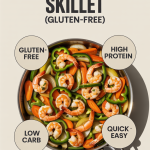
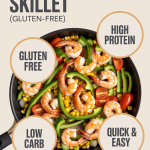
How To Make Shrimp and Veggie Skillet (Gluten-Free)
When it comes to quick, healthy meals, we often find ourselves reaching for easy one-pan dishes. One of our favorites is the shrimp and veggie skillet. This gluten-free recipe not only packs a punch of flavor, but it’s also incredibly versatile. Whether you’re entertaining friends or just in need of a weeknight dinner, let’s jump into how we can whip together this mouthwatering dish with ease.
Ingredients You’ll Need
To create a delicious shrimp and veggie skillet, we need a selection of fresh ingredients that will contribute to both flavor and nutrition.
Shrimp Selection Tips
When choosing shrimp, we should look for fresh or frozen options. If you opt for fresh shrimp, ensure they are firm to the touch and have a briny scent. When selecting frozen shrimp, choose those that are properly sealed without any frost build-up. We recommend using wild-caught shrimp for the best flavor and sustainability. Also, considering the size of the shrimp will affect cooking time: medium to large shrimp is ideal for this dish.
Choosing Fresh Vegetables
The beauty of this dish is its flexibility with vegetables. Some great options include bell peppers, zucchini, broccoli, and snap peas. When selecting our vegetables, let’s aim for vibrant colors and firm textures: avoid any that are soft or have brown spots. It’s also essential to wash our vegetables thoroughly to ensure they are clean and ready for cooking.
Essential Seasonings and Oils
The right seasonings and oils can elevate our shrimp and veggie skillet dramatically. Here’s what we need to stock up on:
- Olive Oil or Avocado Oil: Both oils work well for sautéing, imparting rich flavor without overpowering the dish.
- Garlic and Onion: These aromatics are foundational. Fresh garlic provides a robust flavor, while onion adds a subtle sweetness.
- Seasonings: We should have salt, pepper, and some spices like paprika or cayenne for a touch of heat. Fresh herbs such as parsley or basil can also be added for a fresh finish.
Preparation Steps
Timing is crucial for each component in our skillet. Here’s how to prepare our dish for optimal flavor and texture:
Cooking the Shrimp Perfectly
- Thawing: If using frozen shrimp, we should thaw them in the refrigerator overnight or place them in a colander under cold running water for about 10-15 minutes.
- Sautéing: Heat a tablespoon of olive oil in a large skillet over medium-high heat. Once the oil is shimmering, add minced garlic and chopped onion, sautéing until the onion becomes translucent. Then, add the shrimp in a single layer to ensure even cooking. They should cook for about 2-3 minutes per side until they turn pink and opaque. Don’t overcrowd the pan, do this in batches if necessary.
Adding Vegetables at the Right Time
After the shrimp has cooked, we remove it from the pan and set it aside. In the same skillet, we’ll add another drizzle of oil if needed and toss in our chopped vegetables. Start with firmer vegetables like bell peppers and broccoli, cooking for about 3-4 minutes before adding softer vegetables like zucchini and snap peas. Cook until they are tender-crisp, about another 3-4 minutes, then return the shrimp to the skillet and mix well.
Finishing Touches and Serving Suggestions
Now that our shrimp and veggies are beautifully cooked, let’s add those finishing touches:
- Season: We should season with salt, pepper, and any additional spices we like. A squeeze of fresh lemon enhances the flavors wonderfully.
- Serve: This skillet can be served over rice, quinoa, or enjoyed on its own for a light meal. Garnish with fresh herbs for an extra pop of flavor.
- Pairing Suggestions: Consider pairing our dish with a light salad or gluten-free bread to soak up any delicious juices.
Nutritional Benefits of Shrimp and Veggies
This dish is not only delicious but also nutritious. Here are some benefits:
- Low in Calories: Shrimp is low in calories but high in protein, making it an excellent choice for those watching their weight.
- Rich in Nutrients: Shrimp is packed with essential nutrients, including selenium, vitamin B12, and iodine.
- Vegetable Health Boost: The vegetables provide fiber, vitamins, and minerals. For example, bell peppers are rich in vitamin C, while broccoli offers antioxidants that contribute to overall health.

Variations and Substitutions
One of the best aspects of this recipe is its adaptability. Here are some variations we can consider:
- Different Proteins: If shrimp isn’t your favorite, consider substituting with chicken, tofu, or even fish. Just adjust cooking times accordingly.
- Vegetable Swaps: We can incorporate seasonal veggies or whatever we have on hand. Spinach, asparagus, or carrots make great additions.
- Gluten-Free Options: Always ensure that any sauces or additional ingredients we use are certified gluten-free, especially soy sauce.
Tips for Meal Prep and Storage
If we like to plan ahead, here are some meal prep tips:
- Batch Cooking: We can prepare a big batch on the weekend and store portions in the refrigerator for easy meals during the week.
- Storage: Store leftovers in an airtight container. They can last in the fridge for up to 3 days or be frozen for 1-2 months.
- Reheating: When reheating, a quick sauté in a skillet keeps the shrimp and veggies from becoming rubbery.
Conclusion
In just a short time, we’ve crafted a scrumptious shrimp and veggie skillet that’s not only gluten-free but also brimming with flavor. Whether we’re looking to impress dinner guests or whip up a quick family meal, this dish is sure to satisfy everyone’s cravings. So, let’s keep experimenting with ingredients and make this versatile skillet a staple in our kitchen.