How To Make Protein Cinnamon Rolls (Gluten-Free)
Cinnamon rolls are a beloved treat that many of us associate with cozy mornings or festive gatherings. But when we consider dietary restrictions, especially gluten intolerance, diving into the kitchen for that warm, gooey goodness can seem daunting. Fear not. In this guide, we will walk through how to create delicious protein-packed cinnamon rolls that are gluten-free and satisfying. Whether we’re looking to indulge or simply enjoy a healthier version of this classic dessert, this recipe is perfect for us. Let’s get started.
Understanding Gluten-Free Baking
Baking without gluten can be a bit different than what many of us are used to. Gluten, which is found in wheat, barley, and rye, provides structure and elasticity in traditional recipes. When eliminating gluten, we often rely on alternative flours and binding agents to achieve similar results.
The Science Behind Gluten-Free Baking
Gluten-free flours, such as almond flour, coconut flour, and gluten-free all-purpose flour mixes contain different properties. Understanding these will help us achieve the right texture. For instance, almond flour adds moisture and a nutty flavor, while coconut flour absorbs more liquid. Also, incorporating binders like xanthan gum or psyllium husk can mimic gluten’s elasticity, allowing our cinnamon rolls to rise and maintain their shape.
Experimenting with Ratios
We may find that gluten-free recipes often require unique ratios of ingredients. Patience and experimentation are key as we navigate this new territory of baking. Keep note of what works, and soon we will develop our go-to gluten-free techniques.
Choosing the Right Protein Sources
When making protein cinnamon rolls, our goal is not only to satisfy our sweet tooth but also to boost the nutritional value. Here are some excellent protein sources we can incorporate into our rolls:
Whey or Plant-Based Protein Powder
We can use either whey or plant-based protein powder depending on our dietary preferences. Whey protein provides high-quality protein, while options like pea or brown rice protein cater to vegan diets. Look for brands that are low in sugar and artificial ingredients for the best results.
Add-ins for Extra Protein
Plus to protein powder, consider adding ingredients like Greek yogurt or cottage cheese. These add moisture and creaminess while boosting the protein content. Also, nuts and seeds, like chia or flaxseeds, can be sprinkled into our dough or filling for added texture and nutrition.
Essential Ingredients for Protein Cinnamon Rolls
To create our protein cinnamon rolls, we’ll need a well-thought-out list of ingredients. Here’s what we’ll be gathering:
- Gluten-Free Flour: A good all-purpose gluten-free flour blend will serve as the base.
- Protein Powder: Choose our preferred type based on personal dietary needs.
- Baking Powder: This will help our rolls rise.
- Coconut Sugar or Maple Syrup: For sweetness: both add a nice flavor profile.
- Unsweetened Almond Milk or Regular Milk: Liquid for our dough: almond milk keeps it dairy-free.
- Greek Yogurt or Cottage Cheese: Adds protein and moisture.
- Cinnamon and Nutmeg: The classic spices to infuse warmth into our cinnamon rolls.
- Butter or Coconut Oil: For delicious flavor in our dough.
- Eggs: For binding and richness in the dough.
By ensuring we have these ingredients on hand, we are setting ourselves up for success in our baking adventure.
Step-by-Step Recipe Instructions
Now, let’s jump into the step-by-step process of creating our gluten-free protein cinnamon rolls:
Step 1: Prepare the Dough
- In a large mixing bowl, combine 2 cups of gluten-free flour, 1 scoop of protein powder, and 1 tablespoon of baking powder. Mix well.
- In a separate bowl, combine ½ cup of almond milk, ½ cup of Greek yogurt, 1/4 cup of melted coconut oil, and 1 egg. Whisk until smooth.
- Gradually add the wet ingredients to the dry ingredients, mixing until a soft dough forms. If the dough is too sticky, add a bit more flour until the desired consistency is reached.
Step 2: Roll and Fill
- On a lightly floured surface, roll the dough into a rectangle, about 1/4 inch thick.
- Spread a layer of softened butter or coconut oil over the dough, then sprinkle 1/4 cup of coconut sugar and 2 tablespoons of cinnamon evenly on top.
- Roll the dough tightly from one end to the other, creating a log, then slice it into 12 equal pieces.
Step 3: Baking
- Preheat your oven to 350°F (175°C).
- Place the cinnamon rolls in a greased baking dish, leaving space between each roll for expansion.
- Bake for 25-30 minutes until golden brown and cooked through. Allow to cool slightly before frosting.
Step 4: Optional Frosting
For a light frosting, mix together 1/2 cup of Greek yogurt and 1/4 cup of maple syrup. Drizzle over the warm rolls for a delightful finish.
Tips for Perfecting Your Rolls
Here are some expert tips that we’ve found helpful for achieving the best protein cinnamon rolls:
Measure Accurately
As we all know, baking is a science. Accurate measurements help ensure the right texture and rise of our cinnamon rolls. Using a kitchen scale can provide precision.
Let the Dough Rest
After mixing, allow the dough to rest for about 10 minutes. This gives the gluten-free flour time to absorb moisture and improve the texture.
Experiment with Fillings
While cinnamon and sugar are classics, we can explore other fillings like nut butters, fruit, or even dark chocolate. Adding a touch of finely chopped pecans can also enhance flavor and texture.
Keep an Eye on Baking Time
Every oven can behave differently. Checking our rolls a few minutes early can prevent over-baking, keeping them soft and fluffy.
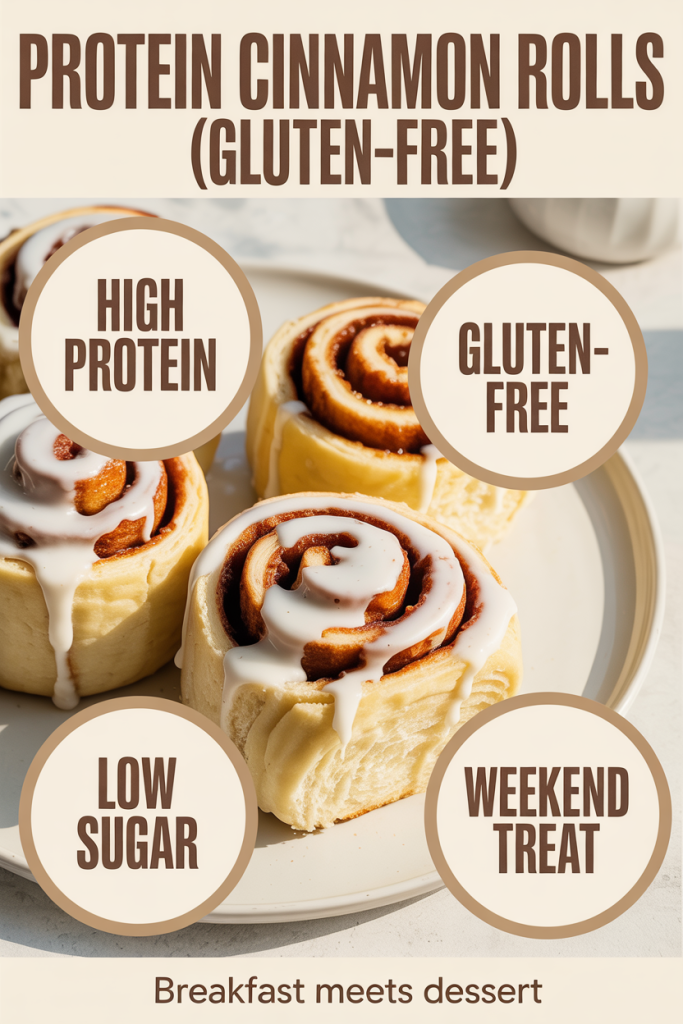
Nutritional Benefits of Protein Cinnamon Rolls
Plus to satisfying cravings, our protein cinnamon rolls provide several nutritional benefits:
Increased Protein Intake
With the inclusion of protein powder and Greek yogurt, we significantly boost the protein content of these rolls compared to traditional recipes. This helps with muscle repair and keeps us fuller for longer.
Nutrient-Rich Ingredients
Using almond flour and other natural ingredients adds beneficial nutrients, such as vitamins, minerals, and healthy fats, that our bodies need. Besides, choosing coconut sugar instead of refined sugar can aid in better blood sugar management.
Allergy-Friendly Option
By making our cinnamon rolls gluten-free, we cater to dietary restrictions while still enjoying a tasty treat. This inclusivity allows everyone to partake in their deliciousness.
Serving Suggestions and Variations
We can get creative with how we serve and customize our protein cinnamon rolls:
Classic Serving
Enjoy the rolls warm, drizzled with our yogurt frosting. Pair them with a cup of herbal tea or coffee for a cozy experience.
Make It a Breakfast Bowl
Crush or tear the rolls and serve them in a bowl topped with fresh fruit and a dollop of yogurt for a delightful breakfast bowl twist.
Experiment with Flavors
Consider adding lemon zest to the frosting for a citrusy kick or incorporating different spices like cardamom for variety. Each version can turn our cinnamon rolls into a fresh experience.
Conclusion
Making gluten-free protein cinnamon rolls can be both enjoyable and rewarding. With the right ingredients and a bit of patience, we can create a tasty treat that caters to our dietary needs without sacrificing flavor or enjoyment. Whether we’re baking for ourselves or for loved ones, this recipe allows us to connect with the beloved tradition of cinnamon rolls, but in a healthier and gluten-free format. So, let’s bring a little sweetness back into our kitchens and enjoy our delicious creations together.