How To Make Sheet Pan Chicken And Vegetables
If you’re looking for a simple, delicious way to prepare dinner, we’ve got just the solution for you: sheet pan chicken and vegetables. This method not only creates a perfectly balanced meal with minimal effort but also makes cleanup a breeze. Let us guide you through the why and how of sheet pan meals, enabling you to enjoy a nutritious dish with flavors that pop.
Why Choose Sheet Pan Meals?
Benefits Of Sheet Pan Cooking
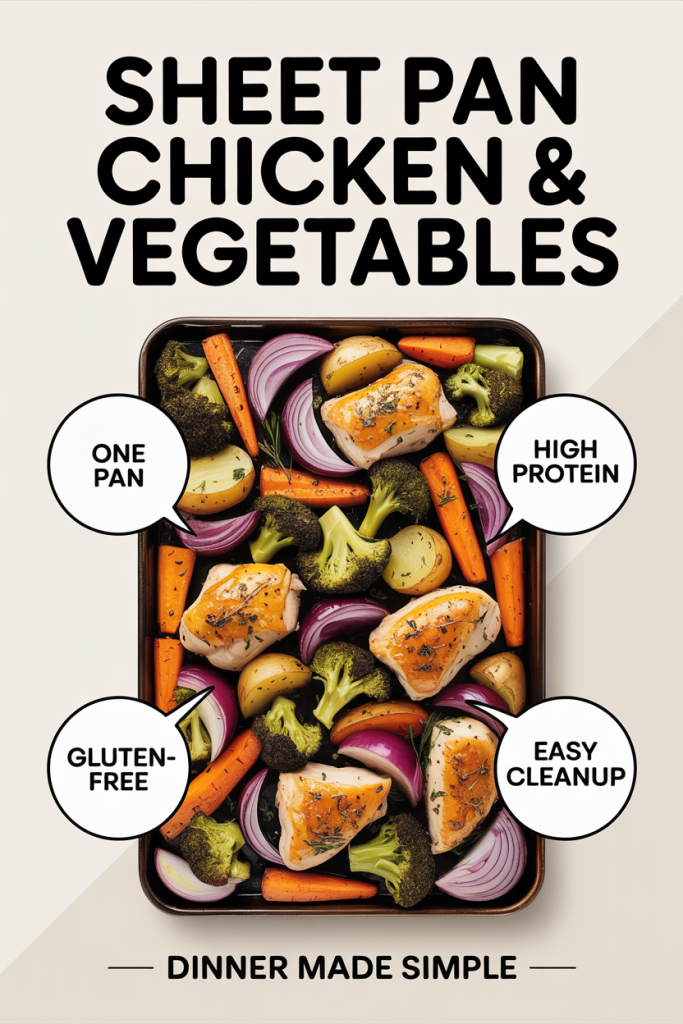
Sheet pan meals have surged in popularity for several reasons. First and foremost, they allow for a harmonious cooking process where proteins and vegetables can develop complementary flavors. By roasting everything together, we can achieve a delightful mixture of textures, crispy chicken skin alongside tender roasted veggies.
Also, using just one pan means less hassle in the kitchen. It’s an efficient way to create a complete meal without juggling multiple pots and pans.
Time-Saving Advantages
In our busy lives, time is of the essence. Sheet pan meals are incredibly time-effective. With just a bit of prep work, we can place everything on a single sheet pan and pop it into the oven. While it cooks, we have time to relax or tend to other tasks. Most sheet pan dinners can be ready within 30 to 45 minutes, making them perfect for weeknight dinners.
Minimal Cleanup
Let’s be honest, one of the most significant advantages of cooking on a sheet pan is the cleanup. Since everything cooks on a single pan, there’s less to wash afterward. Just a quick scrub and you’re done. This convenience is a game changer, especially when we want to quickly wrap up dinner and spend time with family or catch up on our favorite show.
Essential Ingredients For Sheet Pan Chicken And Vegetables
Choosing The Right Chicken
When it comes to chicken, we have options. We can go for chicken breasts, thighs, or even drumsticks based on our preference. Chicken thighs tend to be juicy and flavorful, making them an excellent choice. Make sure to opt for bone-in, skin-on pieces if that’s your style, as they provide rich flavors and crispy skin.
Selecting Seasonal Vegetables
Choosing seasonal vegetables not only enhances the taste of our dish but also supports local farmers. Think root vegetables in the fall and winter, like carrots, sweet potatoes, and Brussels sprouts, and vibrant greens in the warmer months such as zucchini and bell peppers. This variety allows us to switch our recipes up with the seasons while enjoying the freshest produce available.
Optimal Seasonings And Marinades
As for seasonings, the sky’s the limit. A simple blend of olive oil, garlic, salt, and pepper is a classic start. But, we can elevate our dish by experimenting with various herbs like rosemary, thyme, or even a touch of paprika for a smoky flavor. Don’t forget a marinade: even a brief marinating period can exponentially enhance the chicken’s taste while keeping it moist.
Step-By-Step Instructions
Preparing The Ingredients
First, we should wash and cut our vegetables into uniform pieces for even cooking. If we choose potatoes, cutting them small will help them cook at the same rate as the chicken. For the chicken, pat it dry with paper towels, season well, and if marinating, allow it to sit while we prepare the vegetables.
Arranging On The Sheet Pan
Now for the fun part: arranging on the sheet pan. To promote even cooking, we suggest laying the chicken pieces in the center of the pan and surrounding them with the vegetables. This setup allows the flavors to mingle as everything roasts together.
Cooking Times And Temperatures
Preheat your oven to 425°F (220°C). The high heat will caramelize the natural sugars in the vegetables while delivering perfectly cooked chicken. Depending on our ingredients, we typically cook for about 25 to 35 minutes, but always check for the internal temperature of the chicken, which should reach 165°F (75°C) to ensure it’s safe to eat.
Tips For Perfectly Cooked Chicken And Vegetables
Avoiding Common Mistakes
A common pitfall is overcrowding the sheet pan. This can lead to steaming rather than roasting, resulting in soggy vegetables. Leave some space between the items on the sheet pan, ensuring they’re not touching too much to allow proper airflow.
Using The Right Cookware
Investing in a good-quality sheet pan is worthwhile. We recommend a heavy-duty, dark-colored sheet pan, as it promotes even browning and cooking. Non-stick options also help with cleanup and prevent sticking.
Resting Time For Juicier Chicken
One of the most effective tricks we use is letting the chicken rest for about 5-10 minutes after it comes out of the oven. This resting period allows the juices to redistribute throughout the meat, keeping it moist and flavorful without any soggy bits.
Serving Suggestions And Pairings
Best Side Dishes
While our sheet pan meal is quite filling on its own, we can always serve it alongside a simple salad dressed with olive oil and lemon or some crusty bread to soak up any juices. A side of quinoa or couscous could also complement the dish, adding a wholesome grain element.
Creative Leftover Ideas
Leftovers from our sheet pan chicken and vegetables don’t have to be boring. We can easily transform them into a delicious stir-fry, toss them into a salad for lunch, or mix them with pasta. The possibilities are endless and keep meals exciting throughout the week.
Conclusion
Sheet pan chicken and vegetables represent the epitome of simplicity without sacrificing flavor. By selecting the right ingredients and following our straightforward cooking guidance, we can create meals that are not only nourishing but also incredibly satisfying. So the next time you’re wondering what to make for dinner, remember the versatility and elegance of sheet pan cooking. It just might become your new go-to.