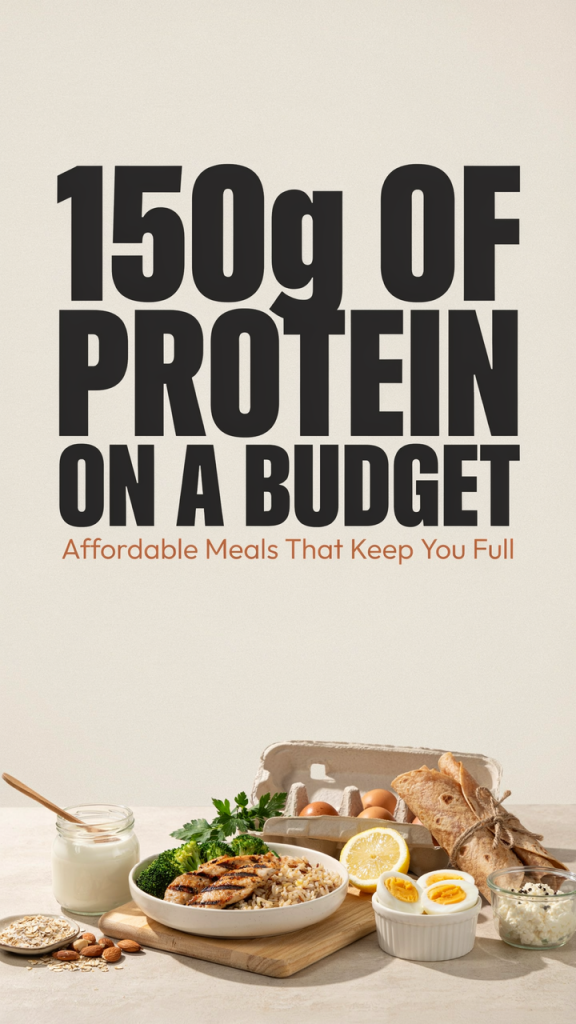
150g of Protein on a Budget: Affordable Meals That Keep You Full
Hitting 150 grams of protein a day can sound intimidating — and expensive — but with smart shopping, simple recipes, and a little planning you can hit that target without breaking the bank. This guide walks you through why 150g of protein might be a good goal, how to shop and prep cost-effectively, and gives a set of affordable, satisfying recipes and meal ideas that add up to 150g of protein or more. Every recipe and meal idea is laid out with ingredients and step-by-step instructions so you can start cooking today.
Why 150g of Protein? Who is it for?
Protein needs depend on body weight, activity level, and goals. Many active adults pursuing muscle maintenance or growth aim for roughly 1.2–2.0 g/kg bodyweight. For someone around 75–100 kg (165–220 lb), 150 g/day is a realistic, effective target for performance and satiety.
Benefits:
– Supports muscle repair and growth
– Keeps you fuller longer, helping control calories
– Stabilizes blood sugar and energy levels
– Supports immune and hormonal health
This isn’t a prescription for everyone; consult a healthcare professional if you have kidney disease or other medical concerns. For most healthy adults, 150 g/day is safe and effective when spread across meals.
Budget-first strategy: how to maximize protein per dollar
To stretch your budget and reach 150 g reliably:
– Buy in bulk: dried beans, lentils, rice, oats, and frozen chicken or turkey. Per-ounce protein cost drops significantly.
– Use lower-cost protein staples: eggs, canned tuna, cottage cheese, Greek yogurt, tofu, peanut butter, lentils, and beans.
– Focus on nutrient density: pair protein with fiber- and micronutrient-rich carbs (oats, sweet potatoes, rice) and frozen vegetables.
– Cook in batches: full pots of chili, soups, or casseroles refrigerate/freezer well and lower per-meal prep time.
– Shop sales and prioritize store or generic brands.
– Compare cost per 100g protein rather than per item price.
Typical affordable protein sources (rough estimates of protein per serving and budget friendliness):
– Eggs: 6–7 g/pro egg — very cheap
– Canned tuna: ~20–25 g per 85 g can — inexpensive and shelf-stable
– Dried lentils/beans: ~18 g per cooked cup — extremely budget-friendly
– Cottage cheese/Greek yogurt: 15–20 g per cup — good value on-sale
– Chicken (thighs, whole) and ground turkey: 20–25 g per 100 g — buy bulk/frozen
– Tofu: 10–20 g per block — affordable plant option
– Whey or plant protein powder: 20–25 g per scoop — useful when budget allows
How to structure meals to reach 150g
Aim for 3 main meals + 2 snacks, or 4–5 meals across the day. Example breakdown:
– Breakfast: 30–40 g
– Lunch: 35–40 g
– Snack 1: 15–20 g
– Dinner: 40–45 g
– Snack 2 (optional): 10–20 g
Below are sample meal plans and recipes to help you hit 150g while keeping costs down.
Sample daily plan (approx. 150g protein, budget-friendly)
- Breakfast: High-protein oats with milk and whey — 40 g
- Lunch: Tuna + white bean salad over rice — 40 g
- Snack: Greek yogurt with peanut butter — 20 g
- Dinner: Turkey-lentil chili — 45 g
- Small snack if needed: Hard-boiled egg or cottage cheese — 10 g
All recipes for these meals are included below and are intentionally inexpensive and easy to batch cook.
Affordable recipes and meal ideas
Each recipe lists ingredients and step-by-step instructions. Protein estimates and approximate cost-per-serving are included. These recipes are versatile — scale up for meal prep.
1) High-Protein Oat Bowl (Breakfast) — ~40 g protein
Ingredients:
– 1 cup rolled oats
– 1 scoop (30 g) whey or budget protein powder (vanilla or unflavored)
– 1 cup milk (cow’s milk or fortified soy milk)
– 1/2 cup Greek yogurt (plain, ~10–12 g protein)
– 1 tbsp peanut butter
– Optional: cinnamon, banana slices
Instructions:
1. Combine oats and milk in a small pot and cook over medium heat until thickened (about 5–7 minutes).
2. Stir in the Greek yogurt and protein powder until smooth.
3. Top with peanut butter and sliced banana or cinnamon.
4. Serve warm. Optionally prep the oats overnight and heat in the morning.
Protein: ~38–42 g (depends on protein powder). Cost estimate: $1.20–$2.00 per serving.
2) Tuna + White Bean Salad over Rice (Lunch) — ~40 g protein
Ingredients:
– 1 can (165 g) tuna in water, drained
– 1 cup cooked white beans (canned, drained, or cooked from dry)
– 1 cup cooked rice (white or brown)
– 1 tbsp olive oil
– Juice of 1/2 lemon or 1 tbsp vinegar
– Salt, pepper, and chopped parsley or scallions
– Optional: 1/2 cup chopped cucumber or tomato
Instructions:
1. Combine tuna and white beans in a bowl.
2. Add olive oil, lemon juice, salt, and pepper. Mix gently.
3. Serve over a bed of cooked rice. Top with fresh parsley or scallions.
4. Store any leftovers in the fridge for up to 3 days.
Protein: ~40–45 g. Cost estimate: $1.50–$2.50 per serving.
3) Greek Yogurt + Peanut Butter Snack (Mid-day Snack) — ~20 g protein
Ingredients:
– 1 cup plain Greek yogurt (~15–20 g protein)
– 1 tbsp peanut butter
– 1 tbsp honey or a few berries (optional)
Instructions:
1. Spoon Greek yogurt into a bowl.
2. Stir in peanut butter and drizzle with honey or top with berries.
3. Enjoy chilled.
Protein: ~18–22 g. Cost estimate: $0.80–$1.50 per serving.
4) Turkey + Lentil Chili (Dinner) — ~45 g protein per large serving
Ingredients:
– 1 lb (450 g) ground turkey
– 1 cup dried lentils (or 2 cups cooked lentils)
– 1 can (14 oz) crushed tomatoes
– 1 onion, chopped
– 2 cloves garlic, minced
– 2 cups low-sodium broth or water
– 1 tbsp chili powder, 1 tsp cumin, salt & pepper
– 1 cup frozen mixed vegetables (optional)
Instructions:
1. Rinse lentils and set aside.
2. In a large pot, sauté onion and garlic in a little oil until translucent.
3. Add ground turkey and cook until browned, breaking up lumps.
4. Add lentils, tomatoes, broth, spices, and optional veggies.
5. Bring to a boil, reduce heat, and simmer 20–30 minutes until lentils are tender and chili thickens.
6. Adjust seasoning and serve with a side of rice or bread.
Protein: ~40–50 g per large bowl depending on portions. Cost estimate: $1.75–$3.00 per serving when made in a batch.
5) Egg + Cottage Cheese Power Bowl (Breakfast or Snack) — ~30 g protein
Ingredients:
– 2 whole eggs
– 1/2 cup cottage cheese (~12–14 g protein)
– 1 slice whole-grain toast or 1/2 cup cooked quinoa
– Salt, pepper, hot sauce or herbs
Instructions:
1. Hard-boil or fry eggs to your liking.
2. Place cottage cheese in a bowl, season with salt and pepper.
3. Top cottage cheese with sliced eggs and place toast or quinoa on the side.
4. Sprinkle herbs or hot sauce if desired.
Protein: ~28–32 g. Cost estimate: $0.80–$1.50 per serving.
6) Budget Black Bean Burrito (Lunch or Dinner) — ~30 g protein
Ingredients:
– 1 cup cooked black beans (canned drains okay)
– 1/2 cup cooked rice
– 1/4 cup shredded cheese (optional)
– 1 large whole-wheat tortilla or 2 small
– Salsa, lettuce, and hot sauce
Instructions:
1. Warm beans and rice together, season with cumin, salt, and pepper.
2. Place rice-bean mix in a tortilla, sprinkle cheese and add salsa or lettuce.
3. Fold burrito and toast in a pan to seal if desired.
4. Serve with side of plain Greek yogurt as a sour cream substitute for extra protein.
Protein: ~25–32 g depending on cheese and yogurt. Cost estimate: $1.00–$1.80 per burrito.
7) Baked Chicken Thighs with Roasted Veggies (Dinner) — ~45 g protein
Ingredients:
– 2 medium chicken thighs, skinless (about 250–300 g total)
– 2 cups mixed frozen vegetables
– 1 tbsp olive oil
– 1 tsp paprika, salt and pepper to taste
– 1/2 cup cooked quinoa or rice
Instructions:
1. Preheat oven to 200°C / 400°F.
2. Toss chicken thighs with oil, paprika, salt, and pepper. Place on a baking tray.
3. Toss frozen veggies with a little oil and spread around chicken.
4. Bake 30–35 minutes until chicken reaches 165°F and juices run clear.
5. Serve with cooked quinoa or rice.
Protein: ~40–50 g depending on thigh weight and grain portion. Cost estimate: $2.00–$3.50 per serving.
8) Tofu Scramble & Beans (Vegetarian) — ~30 g protein
Ingredients:
– 1 block (350 g) firm tofu, crumbled
– 1/2 cup canned black beans, drained
– 1/2 tsp turmeric, 1 tsp garlic powder, salt & pepper
– 1 cup spinach or mixed veggies
– 1 tbsp oil
Instructions:
1. Heat oil in a pan, add crumbled tofu and seasonings.
2. Cook 5–8 minutes until lightly golden, stirring.
3. Add beans and spinach, cook until warmed and spinach wilts.
4. Serve with toast or rice.
Protein: ~30 g. Cost estimate: $1.20–$2.00 per serving.
9) Simple Tuna Melt (Lunch) — ~35 g protein
Ingredients:
– 1 can tuna (165 g), drained
– 2 slices whole-grain bread
– 1/4 cup shredded cheese
– 1 tbsp mayo or Greek yogurt
– Salt and pepper, optional sliced tomato
Instructions:
1. Mix tuna with mayo or Greek yogurt, season to taste.
2. Spread on bread, add tomato slices and cheese.
3. Grill in a pan until bread is toasted and cheese melts.
4. Serve hot.
Protein: ~30–35 g. Cost estimate: $1.50–$2.50 per serving.
10) Lentil & Sweet Potato Curry (Plant-forward Dinner) — ~30–35 g protein
Ingredients:
– 1 cup dried red lentils
– 1 medium sweet potato, diced
– 1 can (14 oz) light coconut milk or 1 cup broth
– 1 tbsp curry powder, 1 tsp cumin, salt & pepper
– 1 cup spinach or frozen peas
– 1 tbsp oil
Instructions:
1. Sauté sweet potato in oil a few minutes.
2. Add lentils, curry powder, and coconut milk (or broth) plus 1 cup water.
3. Simmer 15–20 minutes until lentils and sweet potato are tender.
4. Stir in spinach or peas until heated through; season and serve over rice.
Protein: ~25–35 g depending on lentil portion. Cost estimate: $1.20–$2.00 per serving.
11) Peanut Butter Banana Smoothie (Snack) — ~20–30 g protein
Ingredients:
– 1 banana
– 2 tbsp peanut butter
– 1 scoop protein powder or 1 cup Greek yogurt
– 1 cup milk or water
– Ice if desired
Instructions:
1. Add all ingredients to a blender.
2. Blend until smooth.
3. Pour and enjoy immediately.
Protein: ~20–30 g depending on protein powder or yogurt used. Cost estimate: $0.80–$2.00.
12) Easy Cottage Cheese & Fruit (Snack) — ~15–20 g protein
Ingredients:
– 1 cup low-fat cottage cheese (~15–20 g protein)
– 1/2 cup pineapple or berries
– 1 tbsp chia seeds or a handful of nuts (optional)
Instructions:
1. Spoon cottage cheese into a bowl.
2. Top with fruit and chia seeds or nuts.
3. Eat chilled.
Protein: ~15–22 g. Cost estimate: $0.80–$1.50.
How to mix and match to reach 150g
Pick three main meals and two snacks from above. Example day:
– Breakfast: High-Protein Oat Bowl — 40 g
– Lunch: Tuna + White Bean Salad over Rice — 40 g
– Snack: Greek Yogurt + Peanut Butter — 20 g
– Dinner: Turkey + Lentil Chili — 45 g
– Small snack: Cottage cheese — 15 g
Total: ~160 g protein
Another lower-meat day (plant-forward):
– Breakfast: Oat Bowl w/ protein powder — 40 g
– Lunch: Lentil & Sweet Potato Curry + rice — 30 g
– Snack: Peanut butter banana smoothie — 25 g
– Dinner: Tofu scramble & beans + quinoa — 30 g
– Evening cottage cheese — 15 g
Total: ~140 g — add an extra egg or a scoop of protein powder to reach 150 g.
Shopping list (budget-friendly staples)
Pantry:
– Rolled oats, rice, pasta
– Dried lentils, dried beans or canned beans
– Canned tuna, canned tomatoes
– Peanut butter, olive oil, basic spices
– Protein powder (optional but useful)
Refrigerator/frozen:
– Eggs
– Greek yogurt, cottage cheese
– Frozen chicken thighs, ground turkey or tofu
– Frozen vegetables
– Milk or milk alternative
Produce:
– Onions, garlic, lemons
– Sweet potatoes, bananas, seasonal fruit
– Leafy greens or frozen spinach
Money-saving tips that actually work
- Compare unit prices (price per 100 g or per 100 g protein).
- Cook dried beans and lentils in bulk — vastly cheaper than canned per serving.
- Freeze meals in single portions to avoid waste.
- Use whole eggs liberally; egg whites can be added if you want more protein with fewer calories.
- Swap brand-name yogurts/cheeses for store-brand equivalents on sale.
- Use cheaper cuts of meat (thighs, drumsticks) and braise/roast them for flavor.
- Use a slow cooker or Instant Pot to maximize cheap cuts and dried legumes with minimal hands-on time.
Meal prep blueprint for the week
- Cook a large pot of turkey-lentil chili (3–4 days).
- Roast 6–8 chicken thighs; portion with rice and frozen veggies.
- Pre-portion Greek yogurt, cottage cheese, and snacks.
- Make a big batch of cooked rice and beans.
- Mix overnight oats jars (oats + milk + protein powder) for 3–4 breakfasts.
This reduces daily cooking time to 10–20 minutes and keeps costs low.
Final tips: sustainability and variety
- Rotate protein sources to avoid boredom and balance micronutrients: fish one day, beans the next, chicken later.
- Spices dramatically increase enjoyment without adding cost.
- Use acidic elements (vinegar, lemon) and fresh herbs for flavor that brightens simple meals.
- If you have a freezer, buy meat on sale in bulk and freeze in meal portions.
Conclusion
Reaching 150 g of protein a day on a budget is entirely doable with a mix of low-cost staples, smart shopping, and batch cooking. Focus on high-protein, low-cost ingredients like eggs, canned tuna, lentils, beans, Greek yogurt, and bulk chicken or turkey. Use the recipes above to build daily menus that satisfy, support muscle and recovery, and save time and money. Start with one or two meal-prep sessions per week, rotate a few recipes, and adjust portions to match your energy needs. With simple planning and the recipes provided, you can enjoy full, nourishing meals that hit your protein target without overspending.
You’ve got this — cook once, eat well, and watch those protein totals add up.