
10 Healthy Frozen Food Recipes From Costco: Easy Meals, Smart Swaps, And Weekly Ideas For Busy Cooks
We love Costco for two big reasons: value and variety. What surprises many home cooks is how many genuinely healthy, time-saving ingredients are hiding in those giant freezers, and how easily they transform into satisfying meals. In this guide we’ll show you 10 Healthy Frozen Food Recipes From Costco, explain how to choose the best frozen items, share meal-prep strategies, and give a one-week sample menu that keeps dinners fast and nutritious. Whether you’re feeding a family, prepping for a busy week, or just trying to eat cleaner without spending hours in the kitchen, these recipes and tips will help you make the most of Costco’s frozen aisles.
Why Costco Frozen Foods Are A Smart Choice For Healthy Cooking
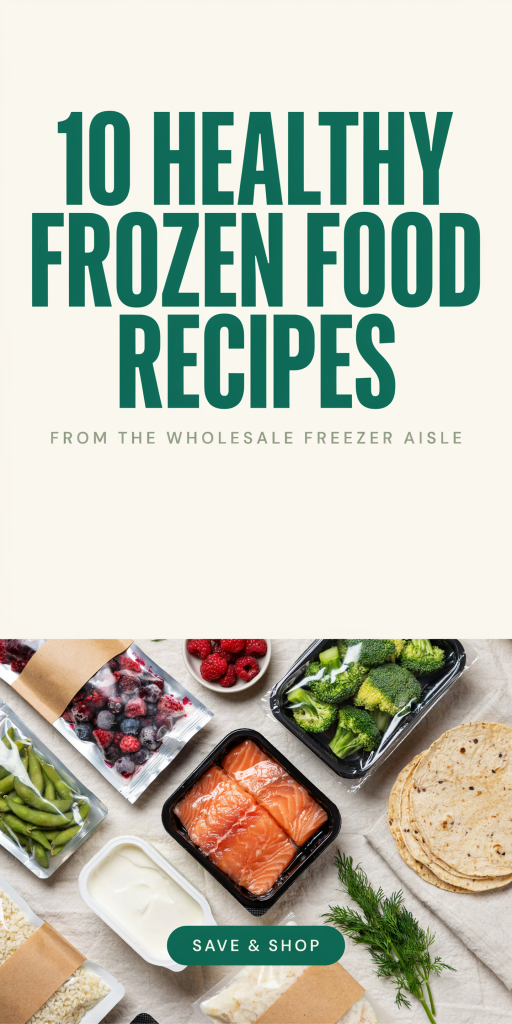
Costco’s frozen selection wins on three fronts: quality, price per serving, and convenience. Many of their Kirkland Signature and national-brand frozen products are minimally processed, think wild-caught salmon fillets, organic mixed berries, and plain vegetables, which gives us a clean platform to build healthy meals. Freezing also locks in nutrients, so frozen produce can be as nutritious or sometimes more nutritious than fresh produce that’s been in transit for days.
Another advantage is portion flexibility. Buying in bulk lets us portion, freeze again, and avoid food waste, a key factor for cost-effective healthy eating. Because frozen foods cook quickly, they reduce the temptation to reach for takeout after a long day. Finally, Costco often carries larger packs of lean proteins (shrimp, chicken breasts, turkey burgers) and single-ingredient staples (edamame, cauliflower rice) that are kitchen-ready with no preservatives, helping us control sodium, sugar, and unhealthy fats when we cook at home.
In short: smart buying at Costco gives us nutrient-dense ingredients, lower cost per meal, and time savings, three pillars of sustainable healthy cooking.
How To Shop Smart At Costco: Picking The Healthiest Frozen Picks
Shopping smart at Costco starts with a list and a few product criteria. First, stick to single-ingredient items where possible: plain vegetables, frozen fruit, and unseasoned proteins. These let us control flavor and nutrition. Second, read labels quickly but purposefully: look for short ingredient lists, no added sugars, low sodium, and recognizable ingredients.
Here’s a quick checklist we use in-store:
- Ingredient simplicity: One or two ingredients is ideal. – Sodium under 350 mg per serving for pre-seasoned items. – No added sugars in fruit or protein marinades. – Prefer wild-caught over farmed for certain seafood (e.g., salmon, shrimp) when budget allows. – Choose whole vegetables or riced vegetables without sauces.
Prioritize items that reheat well and freeze again: shrimp, salmon, chicken breasts, turkey burgers, meatballs (plain), edamame, mixed berries, and cauliflower rice. Avoid bulk frozen meals with heavy sauces, instead, buy components and make sauces at home so we control fat and sodium. Finally, snap a photo of labels if you’re unsure: we often compare at home before committing to a big pack.
10 Healthy Frozen Food Recipes From Costco (Recipes And Step‑By‑Step Prep)
Below are 10 recipes using common Costco frozen items. Each recipe serves 4 and keeps prep simple.
- Garlic Shrimp & Cauliflower Rice Stir-Fry (Kirkland shrimp + cauliflower rice)
- Ingredients: 1 lb frozen shrimp (thawed), 2 bags frozen cauliflower rice, 1 bell pepper, 2 cloves garlic, 1 tbsp olive oil, 2 tbsp low-sodium soy or tamari, 1 tsp sesame oil, green onions.
- Steps: Sauté garlic and pepper in olive oil 3–4 min. Add thawed shrimp, cook 2–3 min. Push to side, add cauliflower rice and soy, toss until heated (4–5 min). Finish with sesame oil and green onions.
2. Salmon & Veggie Foil Packs (frozen salmon fillets + mixed vegetables)
- Ingredients: 4 salmon fillets, 2 bags frozen mixed veggies, lemon, olive oil, salt, pepper, dill.
- Steps: Preheat oven 425°F. On foil, drizzle oil, add salmon and veggies, season, fold into packets. Bake 18–22 min.
3. Turkey Burger Bowls (frozen turkey burgers + edamame + quinoa)
- Steps: Cook turkey burgers per package, slice. Heat edamame. Serve over cooked quinoa, top with avocado and salsa.
4. Spinach & Ricotta Stuffed Chicken (frozen chicken breasts + frozen spinach)
- Steps: Thaw chicken, butterfly, stuff with sautéed frozen spinach + ricotta, secure, bake 25–30 min at 375°F.
5. Berry Oat Smoothies (frozen mixed berries)
- Steps: Blend 1 cup berries, 1 cup Greek yogurt, 1 cup milk or milk alternative, 2 tbsp oats, honey to taste.
6. Veggie-Packed Minestrone (frozen vegetable medley + diced tomatoes)
- Steps: Sauté onion, add vegetable medley, canned tomatoes, broth, beans, and pasta. Simmer 12–15 min.
7. Cauliflower Fried “Rice” with Egg (cauliflower rice + frozen peas & carrots)
- Steps: Sauté cauliflower rice, add peas & carrots, push aside, scramble eggs, stir through, add soy and sesame oil.
8. Lemon Herb Salmon Cakes (canned salmon optional + frozen salmon)
- Steps: Cook and flake salmon, mix with panko, egg, lemon, herbs, form patties, pan-fry in olive oil 3–4 min each side.
9. Chicken Meatball & Zoodle Bake (frozen plain chicken meatballs)
- Steps: Toss pre-cooked meatballs with marinara and spiralized zucchini, top with mozzarella, bake 12–15 min.
10. Sweet Potato Fries & Black Bean Tacos (frozen sweet potato fries)
- Steps: Roast fries, heat black beans with cumin, assemble tacos with lettuce, pico, and fries on the side.
Each recipe is built to minimize added sodium and sugar: swap sauces for lemon, fresh herbs, and spices to keep flavors bright.
Meal Prep Strategies: Turning Costco Finds Into Ready‑To‑Go Meals
The key to turning Costco freezer finds into weekly-ready meals is batch processing and smart storage. We recommend a two-stage Sunday session: cook proteins/grains first, then assemble meals.
- Cook proteins in bulk: Bake several salmon fillets, roast chicken breasts, or pan-sear a tray of turkey burgers. Cool and portion into airtight containers.
- Pre-portion bases: Cook big batches of quinoa, brown rice, or cauliflower rice. Divide into single-serving containers.
- Pre-pack vegetables: Roast a sheet pan of mixed frozen veggies with olive oil and spices, these reheat easily without losing texture. Keep raw salad greens separate to avoid sogginess.
- Sauce jars: Make small containers of dressings and sauces (lemon-tahini, yogurt-herb, or simple vinaigrette). Keeping sauces separate preserves texture and reduces sodium.
- Labeling & rotation: Date containers and organize by eat-by priority. Freeze any meals that won’t be eaten within 3–4 days: frozen cooked meals reheat well and maintain quality.
- Reheating tips: Reheat proteins gently (microwave on medium or oven at 350°F) to prevent overcooking. Stovetop reheat with a splash of broth or water revives texture.
With this method we can convert a few Costco bulk items into 8–12 ready meals, cutting nightly cooking time dramatically while keeping nutrition controlled.
Nutrition Swaps, Portions, And Customizations To Make Recipes Healthier
Small swaps can yield big nutrition improvements without compromising taste. Here are practical adjustments we use across the recipes above:
- Swap white rice for cauliflower rice or quinoa to boost fiber and reduce refined carbs. – Choose plain frozen proteins over pre-seasoned varieties to lower sodium. – Replace heavy cream sauces with Greek yogurt or blended silken tofu for creaminess and added protein. – Use avocado or olive oil instead of butter for heart-healthy monounsaturated fats. – Increase vegetable volume: make veggies half the plate to up fiber and micronutrients.
Portion guidance (per adult): 3–5 oz cooked lean protein, 1/2–1 cup cooked whole grain or 1–1.5 cups non-starchy vegetables, and 1/4–1/2 cup starchy sides like sweet potato fries. For calorie control, build bowls heavy on vegetables and light on grains.
Customizations: add legumes (chickpeas, black beans) to boost fiber and satiety: sprinkle seeds (pumpkin, chia) for extra omega-3s: and toss in fresh herbs and citrus to minimize salt. For lower sodium, dilute sauces with water and acid (vinegar/lemon) and flavor with garlic, onion powder, and smoked paprika.
Kitchen Tools, Timing, And Batch‑Cooking Tips For Frozen Ingredients
A few tools make frozen-ingredient cooking faster and more consistent:
- Sheet pans and oven: Roasting saves hands-on time and crisps frozen items like sweet potato fries and vegetables. – Nonstick skillet or cast iron: Quick sautéing for shrimp, burgers, and stir-fries. – Microplane and chef’s knife: Fresh zest and herbs punch up flavor. – Instant pot or rice cooker: Perfect for large batches of grains and beans with minimal babysitting. – Airtight containers and silicone bags: For storing portions and repackaging bulk buys.
Timing tips: plan around the longest-cooking component. If salmon takes 20 minutes and cauliflower rice takes 8, cook salmon while prepping the rice to optimize time. Thaw proteins in the fridge overnight when possible: for quick cooks, thaw under cold running water in sealed bags.
Batch-cooking tips:
- Use the oven’s residual heat: roast multiple trays at once (protein on one, veg on another) at similar temps. – Double recipes and freeze half in meal-sized portions. – Label with reheating instructions to save time during the week (oven 350°F 12–15 min or microwave 2–3 min). – Keep a “freshen” kit (lemon wedges, fresh herbs, yogurt dressing) to revive frozen or reheated meals.
These practices reduce weekday friction and help maintain restaurant-quality textures from frozen ingredients.
One‑Week Sample Meal Plan Using These 10 Costco Frozen Recipes
Here’s a practical one-week plan using the recipes we outlined. Breakfasts are simple: lunches are leftovers or quick bowls: dinners are the highlighted recipes.
Day 1
- Breakfast: Berry oat smoothie (recipe 5)
- Lunch: Salmon & Veggie foil pack leftovers over greens
- Dinner: Garlic Shrimp & Cauliflower Rice Stir-Fry
Day 2
- Breakfast: Greek yogurt + mixed berries + seeds
- Lunch: Turkey burger bowl (recipe 3)
- Dinner: Spinach & Ricotta Stuffed Chicken with roasted veggies
Day 3
- Breakfast: Smoothie or oatmeal
- Lunch: Minestrone soup (recipe 6)
- Dinner: Cauliflower Fried “Rice” with Egg
Day 4
- Breakfast: Toast with avocado and a poached egg
- Lunch: Salmon cake wrap with salad
- Dinner: Chicken Meatball & Zoodle Bake
Day 5
- Breakfast: Berry parfait
- Lunch: Leftover meatballs over quinoa
- Dinner: Lemon Herb Salmon Cakes with steamed edamame
Day 6
- Breakfast: Omelet with frozen spinach
- Lunch: Sweet potato fries & black bean tacos (recipe 10)
- Dinner: Turkey burgers with a side salad and roasted mixed veg
Day 7
- Breakfast: Oat smoothie or fruit + cottage cheese
- Lunch: Leftover minestrone or grain bowl
- Dinner: Build‑your‑own bowls: base of grains/cauli-rice, choice of protein (salmon, shrimp, or turkey), roasted veggies, sauce on side
We recommend prepping components Sunday (proteins, grains, roasted veg) to streamline this plan. Snacks can be edamame, fresh fruit, or a handful of nuts.
Conclusion
Costco’s frozen aisle is a goldmine for healthy, budget-friendly meals when we shop with intention. By choosing single-ingredient frozen staples, using a few smart swaps, and applying straightforward batch-cooking strategies, we can turn bulk buys into a week of nutritious dinners, quickly. The 10 Healthy Frozen Food Recipes From Costco in this guide prove that frozen doesn’t mean processed or bland: it means efficient, versatile, and often more nutrient-dense than you’d expect. Try the meal plan and tweak portions or seasonings to fit your tastes, and enjoy the time and money you’ll save without sacrificing health.

