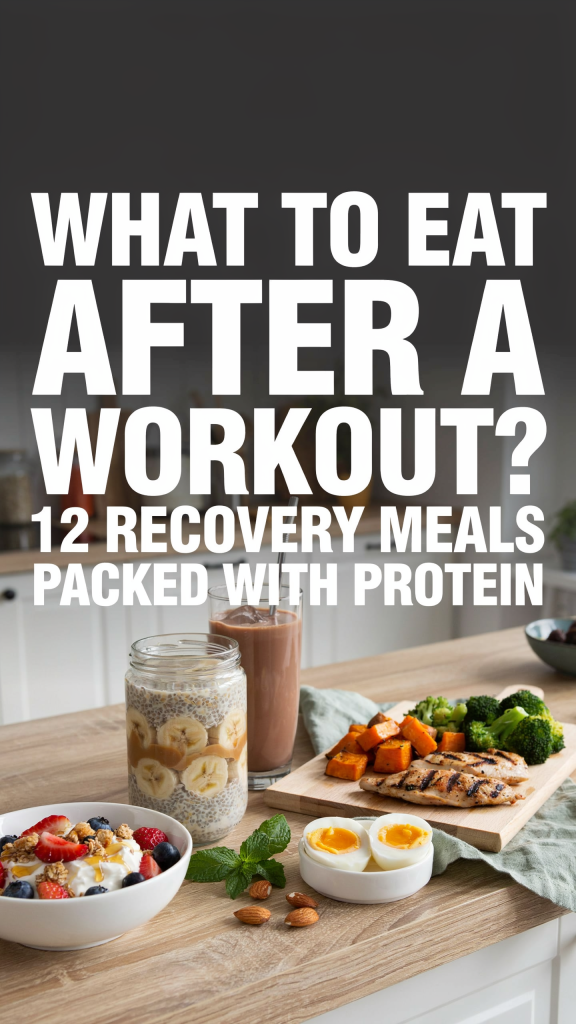
What Should I Eat After a Workout? 12 Recovery Meals Packed with Protein
An effective workout breaks down muscle fibers and depletes glycogen (stored carbohydrate). What you eat afterward determines how quickly you recover, rebuild strength, and prepare for your next session. The good news: you don’t need complex or expensive meals to recover well. Prioritize protein to support muscle repair, carbs to refill glycogen, and a bit of healthy fat and micronutrients to aid overall recovery. Below are 12 delicious, practical post-workout meals — each balanced, protein-packed, and designed to support recovery whether you just finished strength training, HIIT, or a long endurance session.
This article covers:
– Why post-workout nutrition matters
– How much protein and carbs you need
– Timing tips for optimal recovery
– 12 recovery meals with ingredients and step-by-step instructions
Why post-workout nutrition matters
After exercise, your body is primed for repair and adaptation. Protein supplies amino acids to rebuild muscle tissue. Carbohydrates refill glycogen, the fuel your muscles burned. Combining protein and carbs post-workout:
– Enhances muscle protein synthesis (growth and repair).
– Reduces muscle soreness and improves recovery speed.
– Restores energy levels for daily activity and future training.
Hydration and electrolytes are also important—don’t forget water, and add sodium/potassium if you sweated heavily.
How much protein and carbs do you need after a workout?
General post-workout guidelines:
– Protein: Aim for 20–40 grams within 30–120 minutes after training. This range stimulates muscle protein synthesis for most people. Heavier or more advanced athletes may benefit from the higher end.
– Carbohydrates: 0.5–1.2 grams per kilogram of body weight after moderate-to-high intensity workouts, depending on how quickly you need to refill glycogen and how soon your next session is.
These are starting guidelines—adjust based on workout intensity, body size, goals (muscle gain vs. fat loss), and dietary preferences.
Timing: When to eat after exercise
- 30–120 minutes post-workout is a practical window for most people. Immediate intake helps but is not strictly required if you had a high-protein meal within a couple of hours before training.
- If you have another session the same day, prioritize carbs and protein sooner.
- For evening workouts, choose a meal that supports sleep (moderate carbs, lean protein, no excessive caffeine).
Top 12 Recovery Meals Packed with Protein
Below are 12 balanced, easy-to-follow meals. Each includes an ingredients list and numbered instructions so you can replicate them quickly. Estimated protein is included for each meal to help planning.
1) Greek Yogurt Parfait with Berries & Granola
A fast, dairy-rich option with probiotics, carbs, and antioxidants.
Estimated protein: ~20–30 g (depending on yogurt)
Ingredients:
– 1 1/2 cups plain Greek yogurt (2% or nonfat)
– 1 cup mixed berries (blueberries, strawberries)
– 1/3 cup high-protein granola or toasted oats
– 1 tbsp chia seeds or ground flaxseed
– 1 tsp honey or maple syrup (optional)
Instructions:
1. Spoon Greek yogurt into a bowl.
2. Layer berries on top of the yogurt.
3. Sprinkle granola and chia seeds evenly.
4. Drizzle honey if you want extra carbs and sweetness.
5. Stir slightly and eat immediately.
Why it works: Fast to assemble, rich in casein and whey for sustained amino acid release, plus carbs for glycogen.
2) Grilled Chicken and Quinoa Bowl with Veggies
A balanced plate with lean protein and complex carbs.
Estimated protein: ~35–45 g
Ingredients:
– 4–6 oz grilled chicken breast, sliced
– 1 cup cooked quinoa
– 1 cup mixed vegetables (roasted bell peppers, broccoli, zucchini)
– 1/4 avocado, sliced
– 1 tbsp olive oil
– Lemon juice, salt, and pepper to taste
Instructions:
1. Cook quinoa according to package; fluff and set aside.
2. Season and grill chicken until internal temp reaches 165°F (74°C); rest and slice.
3. Roast or steam vegetables and toss with olive oil, salt, and pepper.
4. Layer quinoa, chicken, and veggies in a bowl. Top with avocado and a squeeze of lemon.
5. Mix and enjoy warm.
Why it works: Complete amino acid profile from quinoa + chicken, with fiber and healthy fats for satiety.
3) Baked Salmon, Sweet Potato & Asparagus
Omega-3s meet carbs and protein for anti-inflammatory recovery.
Estimated protein: ~30–40 g
Ingredients:
– 5–6 oz salmon fillet
– 1 medium sweet potato
– 8–10 asparagus spears
– 1 tbsp olive oil
– Salt, pepper, and optional garlic powder
– Lemon wedge
Instructions:
1. Preheat oven to 400°F (200°C). Slice sweet potato and roast 20–30 minutes with a little olive oil until tender.
2. Season salmon with salt, pepper, and garlic powder; place on a baking sheet.
3. Toss asparagus with olive oil, salt, and pepper and add to the sheet.
4. Bake salmon and asparagus for 12–15 minutes until salmon flakes and asparagus is tender.
5. Plate with sweet potato and a squeeze of lemon.
Why it works: Salmon provides protein plus anti-inflammatory omega-3s; sweet potato restores glycogen and supplies vitamins.
4) Turkey & Avocado Whole-Grain Wrap
Portable, quick, and customizable for on-the-go recovery.
Estimated protein: ~25–35 g
Ingredients:
– 4–6 oz sliced turkey breast (cooked)
– 1 whole-grain tortilla or wrap
– 1/4 avocado, mashed
– Handful spinach or mixed greens
– 1/4 cup shredded carrots or sliced cucumber
– 1 tbsp mustard or hummus
Instructions:
1. Lay out the whole-grain wrap and spread avocado or hummus.
2. Layer turkey, spinach, carrots, and cucumber.
3. Drizzle mustard if desired and season lightly.
4. Roll tightly and slice in half.
5. Eat immediately or wrap for later.
Why it works: Lean protein with whole grains for steady carbs and healthy fats to support recovery.
5) Cottage Cheese with Fruit & Nuts
Simple, high-protein, and effective for quick recovery.
Estimated protein: ~25–30 g
Ingredients:
– 1 cup low-fat cottage cheese
– 1/2 cup diced pineapple or peach (fresh or canned in juice)
– 2 tbsp chopped walnuts or almonds
– 1 tsp cinnamon or honey (optional)
Instructions:
1. Spoon cottage cheese into a bowl.
2. Top with diced fruit and chopped nuts.
3. Sprinkle cinnamon or drizzle honey for extra flavor.
4. Mix and eat.
Why it works: Cottage cheese contains casein—slow-digesting protein—good for sustained recovery, especially if you need longer amino acid availability.
6) Protein Smoothie: Whey (or Plant) + Banana + Oats + Spinach
Ideal when you need something fast and drinkable after an intense session.
Estimated protein: ~25–40 g (depends on protein powder)
Ingredients:
– 1 scoop whey or plant-based protein powder (vanilla or chocolate)
– 1 medium banana
– 1/2 cup rolled oats (or 1/4 cup quick oats)
– 1 cup spinach
– 1 cup milk or unsweetened plant milk
– 1 tbsp peanut or almond butter (optional)
– Ice as needed
Instructions:
1. Add milk and protein powder to blender and blend briefly.
2. Add banana, oats, spinach, and nut butter.
3. Blend on high until smooth. Add ice for texture if desired.
4. Pour into a bottle or glass and drink within 30–60 minutes post-workout.
Why it works: Fast absorption from liquid form, with added carbs from banana and oats. Easy to tweak protein content.
7) Egg Scramble with Spinach & Black Beans on Whole-Grain Toast
A mix of fast and slower proteins plus fiber to stabilize blood sugar.
Estimated protein: ~25–30 g
Ingredients:
– 3 large eggs (or 2 eggs + 1/2 cup egg whites)
– 1/2 cup black beans, rinsed
– 1 cup fresh spinach
– 1 tsp olive oil or butter
– 1 slice whole-grain toast
– Salt, pepper, and hot sauce (optional)
Instructions:
1. Heat oil in a skillet over medium heat. Add spinach and sauté until wilted.
2. Add black beans just to warm.
3. Whisk eggs and pour over spinach/beans. Scramble until cooked through.
4. Toast whole-grain bread.
5. Serve scramble over toast and season to taste.
Why it works: Eggs provide high-quality protein and leucine; beans add extra protein and carbs.
8) Tuna Salad on Whole-Grain Crackers or Toast
Shelf-stable option that’s quick and protein-dense.
Estimated protein: ~25–35 g
Ingredients:
– 1 can (5–6 oz) tuna in water, drained
– 1–2 tbsp Greek yogurt or light mayo
– 1 tbsp diced red onion or celery
– 1 tsp Dijon mustard
– Juice of 1/2 lemon
– Whole-grain crackers or 2 slices of whole-grain toast
– Salt and pepper to taste
Instructions:
1. In a bowl, combine tuna, Greek yogurt/mayo, onion/celery, Dijon, and lemon juice.
2. Mix until evenly combined and season with salt and pepper.
3. Place tuna salad on crackers or toast.
4. Serve with fresh veggies or a side salad.
Why it works: Tuna is a lean source of protein with quick preparation time and low fat.
9) Lentil & Tofu Curry with Brown Rice (Vegan)
Plant-based and nutrient-dense for vegans or anyone seeking variety.
Estimated protein: ~20–30 g (depending on tofu amount)
Ingredients:
– 1 cup cooked brown rice
– 1 cup cooked lentils (green or brown)
– 6 oz firm tofu, cubed
– 1 cup spinach or kale
– 1/2 cup canned diced tomatoes
– 1 tbsp curry powder or paste
– 1 tbsp coconut oil or olive oil
– Salt and pepper to taste
Instructions:
1. Heat oil in a pan and add curry powder; toast briefly.
2. Add diced tomatoes and cook for 2–3 minutes.
3. Stir in lentils and tofu, simmer 5–7 minutes until heated through.
4. Add spinach and cook until wilted. Season with salt and pepper.
5. Serve curry over warm brown rice.
Why it works: Lentils + tofu create a complete amino acid profile for plant-based recovery with fiber and minerals.
10) Beef & Vegetable Stir-Fry with Quinoa
Red meat supplies iron and zinc, helpful for recovery and energy.
Estimated protein: ~35–45 g
Ingredients:
– 6 oz lean beef (sirloin or flank), thinly sliced
– 1 cup mixed stir-fry vegetables (bell pepper, snap peas, broccoli)
– 1 cup cooked quinoa
– 1 tbsp soy sauce or tamari
– 1 tsp sesame oil or olive oil
– 1 clove garlic, minced
– Fresh ginger (optional)
Instructions:
1. Heat oil in a wok or skillet over high heat. Add garlic and ginger.
2. Add beef and sear quickly until browned but not overcooked.
3. Add vegetables and stir-fry until crisp-tender.
4. Stir in soy sauce and heat through.
5. Serve over cooked quinoa.
Why it works: Beef is protein-dense and rich in micronutrients; quinoa adds carbs and extra protein.
11) Chickpea & Quinoa Salad with Tahini Dressing (Vegan, High-Protein)
A cold salad that’s great for meal prep and recovery.
Estimated protein: ~20–30 g
Ingredients:
– 1 cup cooked quinoa
– 1 cup canned chickpeas, rinsed
– 1/2 cup diced cucumber
– 1/2 cup cherry tomatoes, halved
– 2 tbsp chopped parsley
– 2 tbsp tahini
– 1 tbsp lemon juice
– 1 tbsp water to thin, salt and pepper
Instructions:
1. Combine quinoa, chickpeas, cucumber, tomatoes, and parsley in a bowl.
2. Whisk tahini, lemon juice, water, salt, and pepper to make dressing.
3. Pour dressing over salad and toss until evenly coated.
4. Taste and adjust seasoning, serve chilled or at room temperature.
Why it works: Balanced plant protein with healthy fats and complex carbs; portable and satiety-promoting.
12) Chocolate Banana Protein Pancakes
A satisfying, shake-up meal that feels like a treat but serves recovery goals.
Estimated protein: ~25–35 g (depends on protein added)
Ingredients:
– 1 ripe banana, mashed
– 2 eggs (or 1 egg + 1/2 cup egg whites)
– 1/4 cup oats, blended into flour
– 1 scoop chocolate protein powder
– 1 tsp baking powder
– 1 tsp coconut oil for cooking
– Optional: berries or nut butter for topping
Instructions:
1. Blend oats to make oat flour. In a bowl, combine banana, eggs, oat flour, protein powder, and baking powder until smooth.
2. Heat a non-stick pan with coconut oil over medium heat.
3. Pour batter to form small pancakes. Cook 2–3 minutes per side until set and golden.
4. Serve stacked with berries or a small dollop of nut butter.
Why it works: Provides quick carbs, quality protein, and a hit of satisfaction—useful when cravings threaten to derail nutrition goals.
Practical tips for choosing the right recovery meal
- Match carbs to workout intensity: longer, harder sessions need more carbs.
- Prioritize whole foods: they offer micronutrients that support recovery (vitamins, minerals, antioxidants).
- Keep hydration in mind: drink water, and consider an electrolyte drink after long, sweaty sessions.
- Make meals convenient: prep components like grilled chicken, cooked quinoa, and chopped veggies ahead of time.
- Choose a mix of fast-absorbing and slow-digesting proteins depending on timing and personal preference.
Sample recovery day plan
- Post-Workout (within 1 hour): Protein smoothie or Greek yogurt parfait.
- 2–3 hours later: Grilled chicken quinoa bowl or salmon with sweet potato if your day allows a larger meal.
- Evening: Light cottage cheese bowl or egg scramble if hungry before bed.
Conclusion
What you eat after a workout matters—and it doesn’t have to be complicated. Prioritizing 20–40 grams of protein alongside quality carbohydrates will accelerate muscle repair, refill energy stores, and help you feel ready for your next session. The 12 meals above provide a range of flavors, dietary styles, and preparation times so you can pick what fits your training intensity, schedule, and taste. Start by keeping one or two go-to post-workout meals ready (meal prepping the protein and carbs helps) and adjust portions based on your weight, activity level, and goals. With consistent post-workout nutrition, recovery becomes faster, gains become more predictable, and training becomes more sustainable. Keep experimenting, stay consistent, and be encouraged—nourishing recovery is one of the most powerful tools you have for long-term progress.