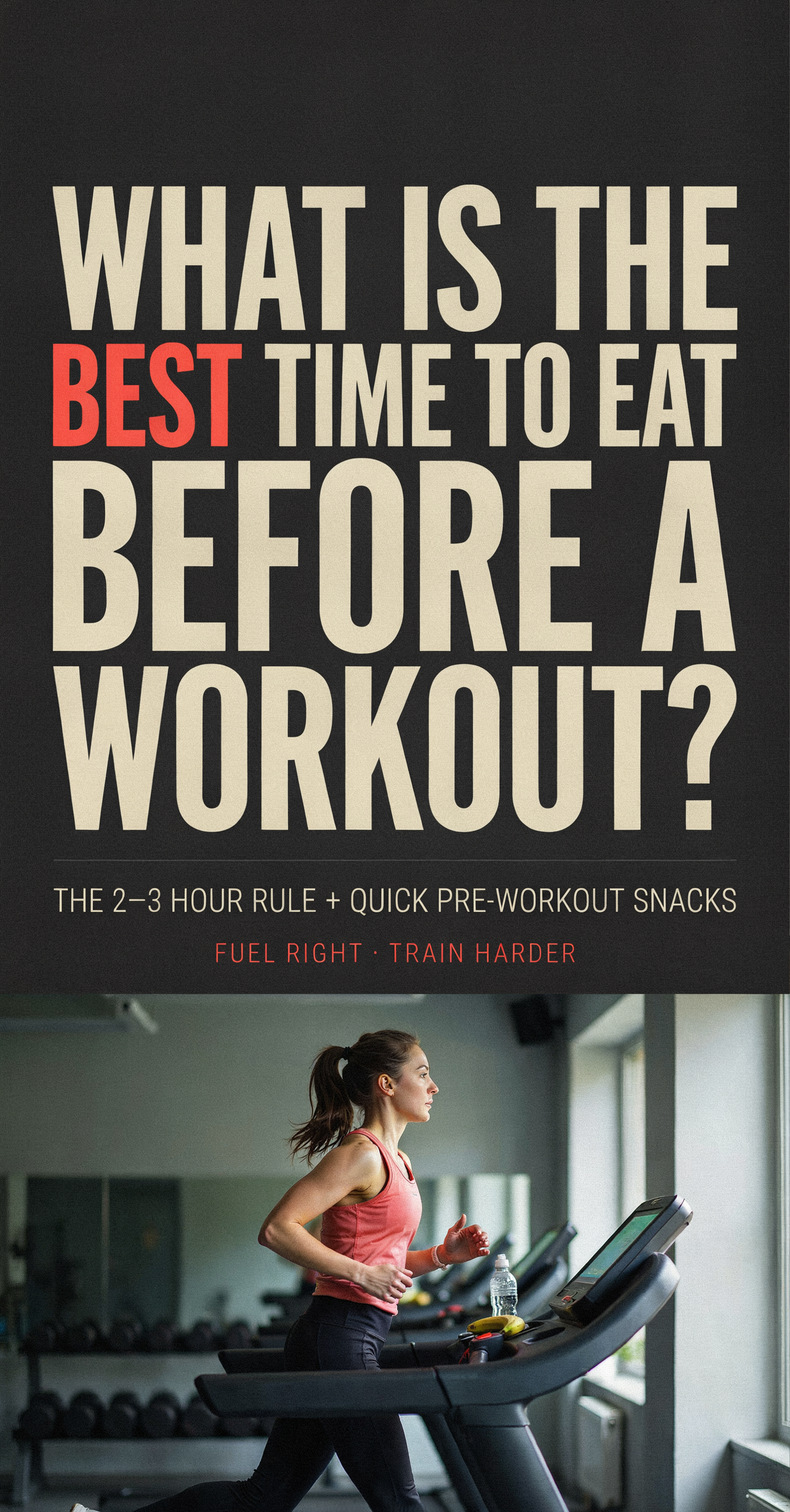
What Is the Best Time to Eat Before a Workout?
Introduction
Knowing what and when to eat before exercise can make the difference between an inspired, powerful workout and a sluggish, uncomfortable session. Whether your goal is fat loss, building strength, improving endurance, or simply feeling energized, pre-workout nutrition and timing are powerful tools. This guide cuts through the noise and gives clear, science-informed guidance on the best time to eat before a workout, how meal size and macronutrients change timing recommendations, and practical, delicious meal and snack ideas you can use right away.
This article is structured so you can quickly find the timing window that matches your schedule and goals, with recipe ideas and step-by-step instructions for each option. Read on to learn how to fuel smartly, avoid common mistakes, and feel confident and energized for every training session.
The short answer: it depends — but here’s a useful rule of thumb
- Large meals (full breakfast/lunch/dinner): eat 3–4 hours before your workout.
- Moderate meals or substantial snacks: eat 1–2 hours before exercise.
- Quick snacks or very small bites: eat up to 30–45 minutes before exercise.
Why this matters: larger meals take longer to digest. Eating too close to a heavy meal can cause stomach discomfort, bloating, or sluggishness. Smaller, carbohydrate-focused snacks closer to your session supply fast energy without burdening your stomach.
Why timing and meal size matter (the science, simply explained)
- Digestion rate: Solid meals rich in protein and fat slow gastric emptying. That’s great for satiety but can make you feel heavy if you exercise soon after eating.
- Energy availability: Carbohydrates are the body’s fastest source of working fuel. Having accessible carbohydrates in the hours before exercise helps maintain blood glucose and fuel higher intensity effort.
- Blood flow competition: During exercise, blood flow is prioritized to working muscles and away from the digestive tract. If digestion is still in progress, you may feel cramping or nausea.
- Individual variation: Age, fitness level, workout intensity, and personal tolerance all affect ideal timing. Use the guidelines above and adjust based on how you feel.
Pre-workout timing windows and what to eat
Below are practical recommendations for three common timing windows. Each section includes meal or snack ideas and recipes you can try.
H2: 3–4 hours before workout — full meals (best for heavy lifting or long endurance sessions)
When you have 3–4 hours or more before training, aim for a balanced meal with carbohydrates, lean protein, and some healthy fat and fiber. This gives your body time to digest and top up glycogen stores.
Goals:
– Replenish glycogen
– Provide amino acids for muscle synthesis
– Avoid being overly full at workout time
Portion guidance: aim for roughly 400–700 kcal depending on body size and workout intensity; include 40–80 g carbohydrates, 20–40 g protein, and moderate fat.
Post below are three full-meal recipes suitable for 3–4 hours pre-workout.
Recipe: Chicken, Brown Rice & Roasted Vegetables Bowl
Ingredients:
– 4–6 oz (120–170 g) cooked chicken breast (or tofu for vegetarian)
– 1 cup cooked brown rice
– 1 cup mixed roasted vegetables (bell peppers, zucchini, broccoli)
– 1 tbsp olive oil
– 1/2 avocado (optional)
– Salt, pepper, and lemon juice to taste
Instructions:
1. Cook or reheat the brown rice and roasted vegetables.
2. Season and warm the chicken (grill, bake, or pan-sear).
3. Assemble bowl: rice base, top with chicken and vegetables.
4. Drizzle olive oil and lemon juice, add sliced avocado.
5. Season with salt and pepper; eat within 3–4 hours before exercise.
Recipe: Oatmeal with Banana & Almond Butter
Ingredients:
– 1/2 to 1 cup rolled oats (cooked)
– 1 cup water or milk (dairy or plant)
– 1 medium banana, sliced
– 1 tbsp almond or peanut butter
– 1 tbsp chia or ground flaxseed (optional)
– Cinnamon and a pinch of salt
Instructions:
1. Cook oats with water or milk per package directions.
2. Stir in nut butter and flax/chia if using.
3. Top with sliced banana and a sprinkle of cinnamon.
4. Serve warm. Eat 2.5–4 hours before your workout depending on how full you feel.
Recipe: Quinoa & Chickpea Salad with Avocado
Ingredients:
– 1 cup cooked quinoa
– 1/2 cup cooked or canned chickpeas, rinsed
– 1/2 avocado, diced
– 1 cup mixed greens
– 1 tbsp olive oil and 1 tbsp lemon juice (dressing)
– Salt, pepper, and herbs (parsley or cilantro)
Instructions:
1. Combine quinoa and chickpeas in a bowl.
2. Add diced avocado and mixed greens.
3. Drizzle with olive oil and lemon juice, season to taste.
4. Toss gently and serve. Eat 2.5–4 hours before training.
H2: 1–2 hours before workout — moderate meals or substantial snacks
If your workout is 60–90 minutes away, choose a meal or snack that’s higher in carbohydrates, includes moderate protein, and is lower in fat and fiber (to ease digestion). Goal is quick-access energy without fullness.
Targets: ~200–400 kcal; 30–60 g carbs; 10–20 g protein; minimal fat.
Below are three snack/mini-meal recipes appropriate in this window.
Recipe: Greek Yogurt Parfait with Berries and Honey
Ingredients:
– 1 cup plain Greek yogurt
– 1/2 cup mixed berries (fresh or thawed)
– 2 tbsp granola or rolled oats
– 1 tsp honey or maple syrup (optional)
Instructions:
1. Spoon Greek yogurt into a bowl.
2. Layer berries on top of the yogurt.
3. Sprinkle granola or oats and drizzle honey.
4. Eat 60–90 minutes before your workout.
Recipe: Whole-Grain Toast with Peanut Butter & Banana
Ingredients:
– 1–2 slices whole-grain bread (toasted)
– 1–2 tbsp peanut or almond butter
– 1/2 banana, sliced
– Pinch of cinnamon (optional)
Instructions:
1. Toast the bread to your preference.
2. Spread peanut butter on toast.
3. Top with banana slices and a pinch of cinnamon.
4. Enjoy 45–90 minutes before exercise.
Recipe: Berry & Spinach Smoothie (moderate)
Ingredients:
– 1 cup frozen mixed berries
– 1 cup unsweetened almond milk or regular milk
– 1 small handful fresh spinach
– 1 scoop whey or plant protein powder (optional)
– 1/2 cup plain yogurt (optional for extra protein)
Instructions:
1. Combine all ingredients in a blender.
2. Blend until smooth and creamy.
3. Adjust thickness with water or milk.
4. Drink 45–75 minutes before training.
H2: 30–45 minutes before workout (or less) — quick, light options
If you’re short on time or training first thing in the morning, pick small, easily digested carbohydrate-focused snacks that give quick energy and minimize stomach upset.
Targets: 100–200 kcal; 15–30 g carbs; minimal protein or fat.
Below are three quick, simple recipes you can prepare in seconds or minutes.
Recipe: Rice Cake with Honey & Banana
Ingredients:
– 1 plain rice cake
– 1 tsp honey
– 1/2 small banana, sliced
Instructions:
1. Spread honey on the rice cake.
2. Top with banana slices.
3. Eat 15–30 minutes before exercise.
Recipe: Dates & Almond Butter Energy Bites (3-ingredient)
Ingredients:
– 6 pitted Medjool dates
– 2 tbsp almond butter
– 2 tbsp rolled oats (optional for texture)
Instructions:
1. Chop dates finely and mix with almond butter in a bowl.
2. Stir in oats if using to bind slightly.
3. Form into 3–4 small balls.
4. Eat 15–30 minutes before your workout.
Recipe: Simple Citrus Sports Drink
Ingredients:
– 1 cup water
– Juice of 1/2 orange
– Pinch of salt
– 1 tsp honey or maple syrup (optional for carbs)
Instructions:
1. Mix water, orange juice, and salt in a bottle.
2. Stir in honey if you want additional carbs.
3. Sip 10–20 minutes before exercise for a light boost.
What to eat based on workout type and goals
H3: Strength training (weights, powerlifting)
- Aim for a mix of carbs + protein 1–3 hours before training. Protein helps preserve and build muscle; carbs provide energy for high-intensity lifts.
- Example: chicken + rice (3–4 hours) or Greek yogurt + toast (1–2 hours).
H3: Endurance training (running, cycling)
- Prioritize carbohydrate availability. Larger carbohydrate meals 3–4 hours pre-event, with a smaller carb snack 30–60 minutes beforehand for longer sessions.
- Example: oatmeal (3 hours) + banana (30 minutes).
H3: High-intensity interval training (HIIT)
- Carbohydrates are key. Keep fat and fiber low close to the workout to avoid stomach upset.
- Example: whole-grain toast with jam (45–60 minutes) or a small sports drink (15–30 minutes).
H3: Fasted training and weight loss
- Some people train fasted to target fat oxidation, but performance may suffer for high-intensity sessions. If performance is a priority, a small carbohydrate snack is usually beneficial.
- If you choose fasted training, gauge how you feel and consider a small snack for longer or intense workouts.
H3: People with diabetes or blood sugar concerns
- Monitor blood glucose and test different timings. A small, carb-focused snack with some protein may prevent hypoglycemia during exercise. Consult your healthcare provider for tailored guidance.
Hydration and electrolytes — timing matters too
- Drink 400–600 ml (13–20 oz) of water 2–3 hours before exercise.
- Drink another 150–350 ml (5–12 oz) 10–20 minutes before you start.
- For sessions >60–90 minutes or in very hot conditions, include electrolytes (sports drink or electrolyte tablet) during and after exercise.
Practical tips and troubleshooting
- Test and adjust: Use less critical workouts to test new foods and timing. Race day or event day is not the time to experiment.
- Avoid high-fat and high-fiber meals within 2 hours of training if you’re prone to GI distress.
- If you feel sluggish after eating, shorten portion size or choose lower-fat options next time.
- Post-workout: Aim to eat a mix of protein and carbohydrates within 30–60 minutes to support recovery.
Sample pre-workout plan (week of training)
- Monday (morning run, 60 min): Small snack 30 minutes before — rice cake + banana.
- Tuesday (evening strength): Balanced meal 3 hours before — quinoa chickpea salad.
- Thursday (HIIT, mid-day): 60-minute moderate snack — Greek yogurt parfait 60 minutes prior.
- Saturday (long ride, 3 hours): Full carb-rich meal 3–4 hours before + small banana 30 minutes before.
Frequently asked questions
Q: Can I workout immediately after eating?
A: You can, but it depends on meal size and composition. A large, fatty meal will often lead to discomfort. Small, carbohydrate-rich snacks are more suitable for immediate exercise.
Q: How much protein should I include pre-workout?
A: About 15–30 g of protein in the 1–3 hours before training helps with muscle protein synthesis. For meals 3–4 hours out, 20–40 g is common.
Q: Are energy gels and chews worth it?
A: Yes, for endurance sessions they provide quick carbs and are easy to digest. Use them during long workouts or races rather than as a regular pre-workout for short sessions.
Q: What if I train first thing in the morning?
A: A small, easily digestible snack (banana, dates, a bit of toast) or even a small sports-drink-based drink can help. If you prefer to train fasted, focus on post-workout nutrition.
Encouraging final notes
Everyone’s body responds differently to food and timing. The recommendations above provide a strong starting point: larger balanced meals 3–4 hours out, moderate snacks 1–2 hours out, and light carbohydrate-based bites within 30–45 minutes when time is tight. Keep a training log of what you eat and how you feel during workouts — small adjustments over weeks will reveal your personal best approach.
Conclusion
The best time to eat before a workout depends on the size and composition of the meal, your workout intensity and duration, and your personal tolerance. Use the practical windows — 3–4 hours for full meals, 1–2 hours for moderate meals or snacks, and up to 30–45 minutes for light carb snacks — as a framework. Try the included recipes and examples to find a routine that leaves you energized, comfortable, and ready to perform. With a little planning and honest self-testing, you’ll consistently fuel workouts that feel strong and productive. Go try one of the recipes and see how you feel — your next great workout starts at the table.