What Should I Eat to Hit My Protein Goal? Stop Overcomplicating Meal Prep and Do This Instead
Introduction
If you’ve ever stared at your plate wondering whether it contains “enough” protein, you’re not alone. Hitting a daily protein goal can feel like a math problem or a full-time job—especially when you’re balancing work, family, and limited time. The truth: you don’t need complicated meal plans, exotic ingredients, or hours in the kitchen to reach your protein target. You need a simple system built from protein-dense building blocks, consistent habits, and a handful of reliable recipes you actually enjoy.
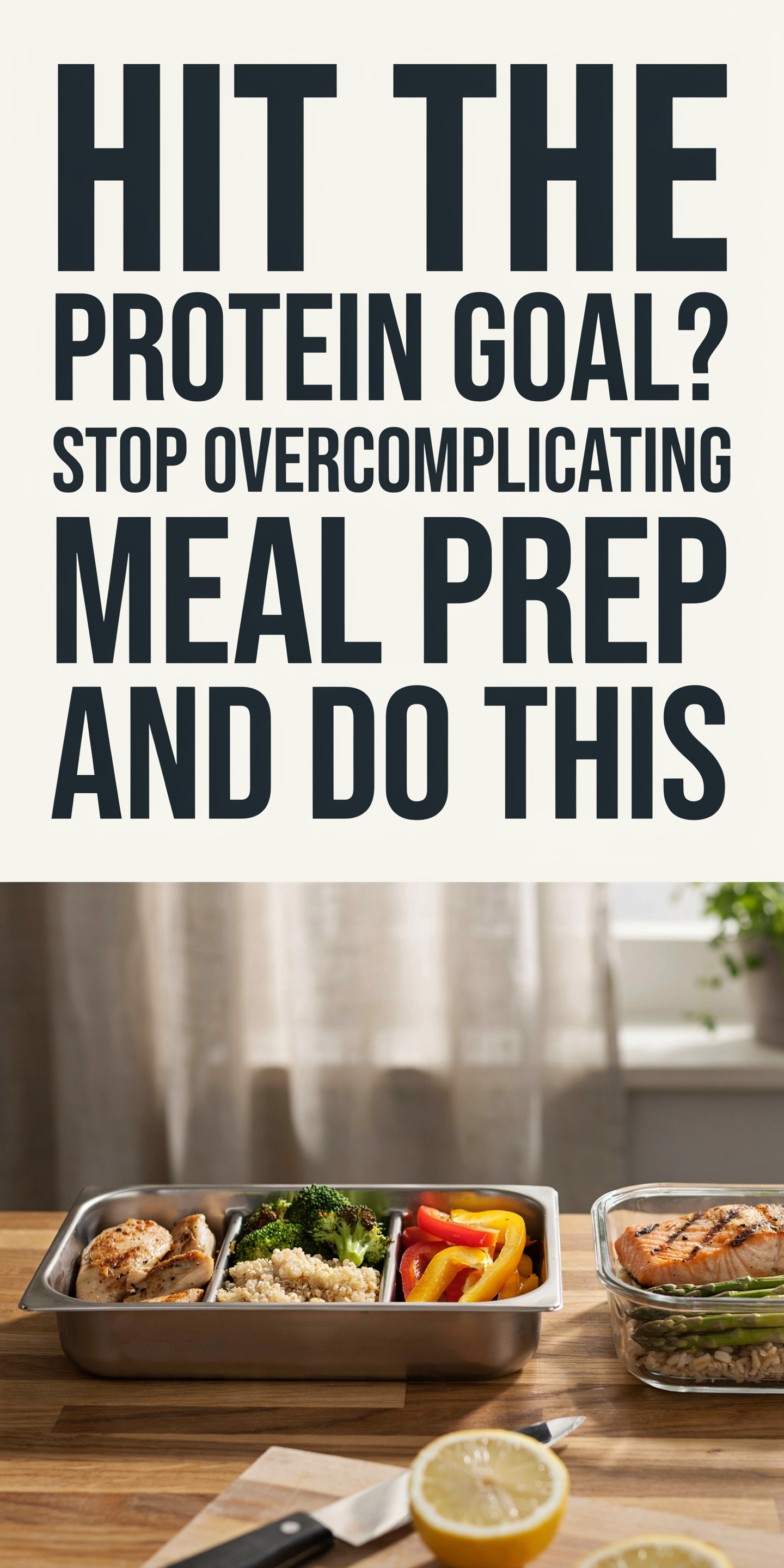
This article walks you through how much protein you need, practical rules for meal prep, and seven simple, repeatable meal ideas (complete with recipes and step-by-step instructions) that make hitting your protein goal easy and sustainable. By the end you’ll have a clear plan and the confidence to stop overcomplicating meal prep and start getting consistent results.
How much protein do you actually need?
Protein needs vary depending on age, activity level, and goals. Here are simple, evidence-based guidelines:
- Sedentary adults: 0.8 grams per kilogram of body weight per day (g/kg/day). Example: a 70 kg (154 lb) person needs ~56 g/day.
- Active adults (general fitness, cardio): 1.0–1.2 g/kg/day. Example: 70 kg → 70–84 g/day.
- Strength training or muscle gain: 1.6–2.2 g/kg/day. Example: 70 kg → 112–154 g/day.
- Older adults: 1.0–1.2 g/kg to help preserve muscle mass.
You can use these as a starting point and adjust based on progress, hunger, and how you feel. Most people aiming for improved body composition or strength target 1.6–2.0 g/kg/day.
Per-meal protein and distribution
Aim for 20–40 grams of protein per meal, depending on your total daily target. Distributing protein fairly evenly across 3–5 meals helps maximize muscle protein synthesis and keeps you full. A sample distribution for a 120 g/day target could be:
- Breakfast: 30 g
- Lunch: 30–35 g
- Dinner: 35–40 g
- Snacks: 15–25 g total
Stop overcomplicating meal prep: simple principles
Adopt these core principles and everything becomes easier:
- Focus on the protein first: build each meal around a protein source, then add vegetables, whole grains, or healthy fats.
- Use high-quality, convenient proteins: canned fish, Greek yogurt, eggs, lentils, tofu, rotisserie chicken, lean beef, and protein powders are your friends.
- Cook once, eat multiple times: batch-cook one or two proteins for the week and mix-and-match with different sides and sauces.
- Keep a handful of go-to recipes and snacks that hit your protein target without stress.
- Add small protein boosters: seeds, nuts, cottage cheese, powdered milk, or a scoop of protein powder can raise protein without changing the meal drastically.
Protein-dense building blocks to keep on hand
Stock your kitchen with reliable, high-protein items so building a meal becomes automatic:
- Eggs: 6–8 g protein each
- Greek yogurt (nonfat, plain): ~17–20 g per cup
- Cottage cheese: 12–14 g per half-cup
- Canned tuna or salmon: 20–25 g per 3 oz (85 g) can
- Chicken breast (cooked): ~25–30 g per 3 oz
- Lean beef (cooked): ~22–26 g per 3 oz
- Tofu (firm): ~10–20 g per 100 g, depending on brand
- Tempeh: ~15–19 g per 100 g
- Lentils (cooked): ~9 g per 1/2 cup
- Protein powder (whey/plant): 20–25 g per scoop
- Milk (cow or fortified plant): 8 g per cup (cow), 8–10 g for some soy milks
- Nuts and seeds: 4–8 g per ounce (use as boosters)
With these in your pantry and fridge, you can assemble high-protein meals in minutes.
7 Simple, Repeatable Meal Ideas (recipes included)
Below are 7 explicit meal ideas with ingredients and step-by-step instructions. Each is designed to be quick, flexible, and protein-forward. Use them as templates—swap in what you have.
1) Greek Yogurt + Whey Parfait (Breakfast — ~35 g protein)
Ingredients:
– 1 cup plain Greek yogurt (nonfat or low-fat)
– 1 scoop whey or plant protein powder (vanilla or unflavored)
– 1/2 cup mixed berries (fresh or frozen)
– 2 tbsp chia seeds or ground flaxseed
– 1–2 tbsp chopped nuts (almonds or walnuts)
– Optional: 1 tsp honey or cinnamon
Instructions:
1. In a bowl, scoop the Greek yogurt.
2. Add the protein powder and stir until smooth and fully combined.
3. Fold in the berries and chia seeds.
4. Top with chopped nuts and optional honey or cinnamon.
5. Serve immediately or store in the fridge for up to 24 hours.
Why it works: Combines dairy protein and supplemental protein powder for a high-protein, fast breakfast that’s easy to scale.
2) 3-Egg Scramble with Spinach and Feta (+ Smoked Salmon optional) (Breakfast/Lunch — ~30–40 g)
Ingredients:
– 3 large eggs (or 2 eggs + 1/2 cup egg whites)
– 1 cup fresh spinach
– 1/4 cup crumbled feta cheese
– 50 g smoked salmon (optional for extra protein)
– 1 tsp olive oil or butter
– Salt and pepper to taste
– Optional: whole-grain toast or avocado slices
Instructions:
1. Heat oil or butter in a nonstick skillet over medium heat.
2. Add spinach and sauté for 1–2 minutes until wilted.
3. Whisk eggs (and egg whites) with salt and pepper and pour over spinach.
4. Stir gently until eggs are just set.
5. Stir in feta and top with smoked salmon if using.
6. Serve with toast or avocado if desired.
Why it works: Eggs are a complete protein and smoked salmon adds high-quality protein and healthy fats.
3) Chicken, Quinoa, and Roasted Veg Bowl (Lunch/Dinner — ~40–45 g)
Ingredients:
– 6 oz cooked chicken breast (about 170 g)
– 1 cup cooked quinoa
– 1 cup mixed roasted vegetables (broccoli, bell pepper, zucchini)
– 2 tbsp hummus or tahini dressing
– 1 tbsp olive oil
– Salt, pepper, and preferred spices (paprika, garlic powder)
Instructions:
1. Preheat oven to 425°F (220°C). Toss chopped vegetables with olive oil, salt, pepper, and spices.
2. Roast vegetables for 20–25 minutes until tender and slightly charred.
3. While vegetables roast, cook quinoa according to package directions.
4. Slice or shred the cooked chicken breast.
5. Assemble bowl: quinoa base, top with roasted vegetables and chicken.
6. Dollop hummus or drizzle tahini dressing and serve.
Why it works: Balanced macronutrients with a high protein serving from chicken and moderate carbs from quinoa to fuel recovery.
4) Tuna + Chickpea Salad (Quick Protein-Packed Lunch — ~35 g)
Ingredients:
– 1 can (5–6 oz) tuna in water, drained
– 1/2 cup canned chickpeas, rinsed and drained
– 1/4 cup chopped red onion
– 1/2 cup chopped cucumber and cherry tomatoes
– 2 tbsp plain Greek yogurt or mayo
– 1 tsp Dijon mustard
– Salt, pepper, lemon juice, and a handful of chopped parsley
Instructions:
1. In a bowl, combine tuna and chickpeas, breaking tuna into flakes.
2. Add chopped vegetables and parsley.
3. Mix Greek yogurt (or mayo), Dijon, lemon juice, salt, and pepper to make dressing.
4. Toss dressing with tuna-chickpea mixture until evenly coated.
5. Serve on a bed of greens, as a sandwich, or with whole-grain crackers.
Why it works: Canned tuna is convenient and high in protein; chickpeas add fiber and extra protein for staying power.
5) Lentil + Tempeh Stir-Fry (Plant-Based Dinner — ~30–35 g)
Ingredients:
– 1 cup cooked lentils
– 1 block tempeh (about 8 oz), cubed
– 2 cups mixed stir-fry vegetables (broccoli, carrots, snap peas)
– 2 tbsp soy sauce or tamari
– 1 tbsp sesame oil
– 1 tsp honey or maple syrup
– 1 clove garlic, minced
– 1 tsp grated ginger (optional)
– 1 tbsp sesame seeds
– Cooked brown rice or cauliflower rice to serve
Instructions:
1. Heat sesame oil in a large skillet over medium-high heat.
2. Add cubed tempeh and sauté until golden on all sides, 5–7 minutes.
3. Add garlic, ginger, and vegetables; stir-fry until vegetables are tender-crisp.
4. Stir in cooked lentils, soy sauce, and honey/maple syrup. Cook until everything is heated through.
5. Sprinkle with sesame seeds and serve over rice or cauliflower rice.
Why it works: Tempeh and lentils together provide complementary amino acids and a substantial protein dose for a plant-based diet.
6) High-Protein Smoothie (Snack/Post-Workout — ~30–40 g)
Ingredients:
– 1 scoop protein powder (20–25 g protein)
– 1 cup milk or fortified soy milk
– 1/2 banana
– 1 tbsp peanut butter or almond butter
– 1/4 cup oats (optional)
– Handful of spinach (optional)
– Ice as needed
Instructions:
1. Add all ingredients to a blender.
2. Blend on high until smooth and creamy.
3. Taste and add a little more milk for desired consistency.
4. Pour into a bottle or glass and enjoy immediately.
Why it works: Fast, convenient, and customizable—ideal when you need a quick protein hit after training.
7) Turkey & Avocado Whole-Grain Wrap (Lunch — ~30 g)
Ingredients:
– 4–5 oz sliced turkey breast (deli or roasted)
– 1 whole-grain or high-protein wrap
– 1/4 avocado, sliced
– 1/2 cup mixed salad greens
– 1 slice Swiss or cheddar cheese (optional)
– 1 tbsp Greek yogurt or mustard
– Salt and pepper to taste
Instructions:
1. Lay the wrap flat and spread Greek yogurt or mustard.
2. Layer turkey slices, cheese, avocado, and greens.
3. Season with a little salt and pepper.
4. Roll tightly and slice in half.
5. Wrap in foil for a portable lunch.
Why it works: Lean turkey provides high-quality protein with minimal prep; wraps are easy to batch-assemble for the week.
Batch-prep strategies that actually work
- Cook one big protein twice a week: roast a tray of chicken breasts or bake a whole salmon filet. 2–3 cooked proteins will cover many meals.
- Use the oven and stovetop together: roast veggies while pan-searing protein.
- Portion immediately: divide cooked proteins into single-serving containers with sides so grabbing lunch is effortless.
- Mix-and-match bowls: cook a pot of quinoa, roast vegetables, and have a protein ready—assemble different sauces and toppings each day to keep variety.
- Use convenience items: canned beans, canned fish, rotisserie chicken, pre-washed greens, and frozen vegetables save time without sacrificing nutrition.
Small protein boosters to add to any meal
Keep a list of quick add-ons that raise protein without reorganizing your meal:
- Add 1/2 cup cottage cheese to salads or sides (+12–14 g)
- Stir 1/4 cup hemp seeds into yogurt (+7–10 g)
- Sprinkle 2 tbsp powdered milk into sauces or coffee (+6–8 g)
- Top a bowl with 2 tbsp peanut butter (+7–8 g)
- Stir a scoop of collagen or unflavored protein into soups, sauces, or oatmeal (+10–20 g depending on product)
Common mistakes and how to avoid them
- Mistake: Relying only on protein powders. Tip: Use powders as a supplement, not the entire plan. Whole foods provide satiety and micronutrients.
- Mistake: Eating low protein at breakfast. Tip: Start your day with a protein-centric meal—eggs, yogurt, or a smoothie.
- Mistake: Not tracking for a week. Tip: Track intake for 3–7 days to understand patterns and where to add protein.
- Mistake: Overcomplicating recipes. Tip: Stick to 5–7 go-to meals you like; rotate variations.
Frequently asked questions
Q: Is it bad to get a lot of protein from animal sources?
A: Not inherently. Balance matters. Include plants, fiber, and healthy fats. If you have specific health conditions (e.g., kidney disease), consult your healthcare provider.
Q: Can I hit my protein goal on a vegetarian or vegan diet?
A: Yes. Use legumes, tempeh, tofu, seitan, dairy or fortified plant milks, nuts, seeds, and protein powders. Combine complementary proteins when possible and aim for slightly higher total intake to account for digestibility differences.
Q: When should I eat protein for muscle gain?
A: Distribute protein evenly across the day and include a protein source after resistance training (within a few hours) for optimal recovery.
Quick daily checklist to hit your protein goal
- Breakfast: 20–30 g protein
- Lunch: 25–40 g protein
- Dinner: 25–40 g protein
- Snacks: 10–20 g each as needed
- Add a protein booster if any meal falls short
Use the recipes above as building blocks and scale portions to meet your target.
Conclusion
Hitting your protein goal doesn’t require overcomplicated meal prep or a fridge full of mystery powders. It starts with a simple mindset: prioritize the protein, keep reliable building blocks on hand, and use a handful of repeatable, tasty recipes that fit your life. Whether you prefer animal or plant-based proteins, the strategies above help you reach your target with minimal stress and maximum consistency.
Pick two or three recipes from the list, batch-cook one protein this weekend, and add a protein booster to any low-sitting meal. Small, consistent changes add up quickly. You’ve got this—now go make a plan that fits your week and enjoy the ripple effects of better recovery, more energy, and the confidence that comes from a simple, sustainable protein strategy.