10 Signs You’re Eating the Right Foods: A Practical Checklist to Feel Better and Perform Stronger in 2026
We all want to know whether the food on our plate is actually helping us, not just filling a hole. With so much noise around diets, trends, and “superfoods,” it’s easy to chase fads and lose sight of real outcomes. That’s why we built this practical checklist: to help you recognize the reliable, science-backed signals that your everyday eating supports energy, recovery, immunity, and long-term performance. These are the kinds of changes that don’t come overnight but become unmistakable when the right foods form the foundation of your routine. Read on to learn the 10 signs you’re eating the right foods and how to interpret them in the context of your life in 2026.
How To Use This Checklist To Assess Your Diet
We’ll be honest: no single metric tells the whole story. This checklist is designed to be practical and cumulative, each sign is meaningful on its own, but together they form a clearer picture of dietary quality. Use the checklist like a weekly checkpoint rather than a minute-by-minute judgment.
How to use it
- Track patterns, not perfection. Notice whether these signs appear consistently over two to six weeks.
- Consider context. Sleep, stress, medication, and activity level influence many signs. If one signal is off but most are strong, investigate the outlier rather than panicking.
- Combine objective and subjective data. Weigh how you feel (subjective) alongside measurable changes like sleep duration, bowel regularity, or body composition (objective).
- Make small experiments. If a sign is off, tweak one thing at a time, add more fiber, prioritize protein at breakfast, or swap refined carbs for whole-food alternatives, and observe the effect for at least 10–14 days.
What we’re not saying
This checklist isn’t a replacement for medical advice. If you have persistent symptoms (severe digestive distress, unexplained weight loss, abrupt hair loss, or frequent infections), see a clinician. Instead, think of this as a pragmatic lens for everyday dietary choices: are our foods supporting daily function, recovery, and long-term health?
Priority order
While all ten signs matter, we generally prioritize consistent energy, digestion, and sleep, because they influence everything else. Start with small wins in those areas: improvements cascade. As you experiment, remember to track intake loosely (photos, notes, or a simple app) to connect changes to outcomes without over-focusing on numbers.
Sustained Energy, Clear Focus, And Stable Mood (Signs 1 & 2)
Sign 1, Sustained energy throughout the day
When we eat the right foods, energy isn’t a roller coaster. Instead of spikes after breakfast and a crash mid-morning, we feel steady alertness with predictable dips near usual bedtime. That steadiness comes from balanced meals: a mix of protein, healthy fats, fiber, and moderate carbohydrates. These slow digestion and blunt sharp blood-glucose swings.
Practical cues to look for
- We no longer need multiple sugary snacks to get through the morning.
- We maintain productivity through meetings, workouts, and family time without needing stimulants beyond a modest cup of coffee.
- Our energy dips are more tied to sleep or workload than food choices.
Quick experiment
Swap a refined-carb breakfast (bagel, sweetened yogurt) for a protein-rich alternative (eggs or Greek yogurt with fruit and nuts). Note energy levels for two weeks.
Sign 2, Clear focus and stable mood
Food influences neurotransmitters and inflammation. When our meals supply adequate micronutrients, B-vitamins, magnesium, omega-3s, and avoid frequent ultra-processed foods, concentration improves and mood swings soften. That doesn’t mean we never feel irritable, but emotional volatility becomes less linked to hunger or sugar crashes.
What to notice
- Fewer afternoon brain fog episodes.
- Less reactive snacking when stressed: we can choose a coping strategy rather than reach for whatever’s convenient.
- A smoother baseline mood with fewer surprise energy-driven meltdowns.
Small dietary levers
- Prioritize fatty fish, walnuts, and flaxseed for omega-3s.
- Keep regular meal timing: even modest protein at breakfast supports neurotransmitter synthesis.
- Reduce habitual ultra-processed snacks: replace them with whole-food options that pair protein with fiber for staying power.
When to dig deeper
If persistent fatigue or cognitive issues continue even though dietary improvements, we recommend checking iron, thyroid, vitamin D, and sleep quality with a healthcare provider. Food helps a lot, but it’s one piece of the puzzle.
Comfortable Digestion And Regular Bowel Habits (Signs 3 & 4)
Sign 3, Comfortable, predictable digestion
When we’re eating well, digestion becomes quieter. That means fewer bouts of bloating, gas, or reflux after meals. Comfortable digestion is not the same as zero symptoms, some days we’ll overdo legumes or spicy food and feel it, but overall, meals don’t leave us in distress.
Why this matters
Comfortable digestion signals good microbial balance, adequate fiber, and appropriate meal composition. Whole grains, fruits, vegetables, fermented foods, and resistant starch feed beneficial bacteria. Meanwhile, excessive fried foods, sugar, and alcohol can provoke inflammation and dysbiosis.
Practical tips
- Gradually increase fiber, sudden jumps often cause bloating.
- Include fermented foods (yogurt, kefir, sauerkraut) or a probiotic if tolerated.
- Space large, heavy meals away from intense exercise or lying down immediately.
Sign 4, Regular, well-formed bowel movements
Regular bowel habits are one of the clearest objective signs that our diet supports gut function. “Regular” varies per person, anywhere from three times a day to three times a week can be normal if consistent. What we want is regularity, ease, and formed stools that don’t require straining.
What to watch for
- Consistent pattern over weeks rather than day-to-day fluctuations.
- Stools that are formed but not hard or pellet-like.
- Minimal urgency or pain associated with bowel movements.
Dietary adjustments to consider
- Aim for a variety of fibers: soluble (oats, apples) and insoluble (whole wheat, vegetables).
- Ensure adequate hydration, fluids help fiber move.
- Include magnesium-rich foods (leafy greens, nuts) or discuss supplements if constipation persists.
When to seek help
Chronic changes in bowel habits, bloody stools, or severe pain warrant medical evaluation. For most of us, but, improvements in whole-food intake, hydration, and activity produce clear benefits in a few weeks.
Better Sleep Quality And Faster Physical Recovery (Sign 5)
Sign 5, Improved sleep quality and faster recovery
One of the most rewarding signs that our diet is right is when sleep improves and physical recovery speeds up. We’re not talking about miraculous eight-hour nights every evening: we mean fewer nights tossing and turning, quicker transitions to deep sleep, and waking feeling restored rather than groggy.
How food influences sleep and recovery
- Tryptophan-containing foods (turkey, dairy) and complex carbs in the evening can support serotonin and melatonin production.
- Magnesium, zinc, and B-vitamins, commonly found in whole grains, nuts, seeds, and leafy greens, support both sleep regulation and muscle repair.
- Adequate protein intake across the day helps repair muscle and supports immune function, which speeds recovery after workouts or illness.
Practical markers
- Shorter time to fall asleep and fewer mid-night awakenings.
- Less soreness and quicker return to baseline after training sessions.
- Reduced incidence of overuse injuries when combined with proper load management.
Simple nutrition strategies
- Distribute protein evenly across meals (about 20–30 g per meal for most adults).
- Include magnesium-rich evening snacks if we notice difficulty falling asleep (e.g., a small bowl of oatmeal with milk and banana).
- Avoid heavy, high-fat meals right before bed: they can disrupt sleep architecture and digestion.
When to adjust
If sleep problems persist even though dietary adjustments, consider sleep hygiene (light exposure, caffeine timing) and evaluate stress. Persistent recovery issues may need a look at overall training load, caloric adequacy, and inflammation markers with a clinician.
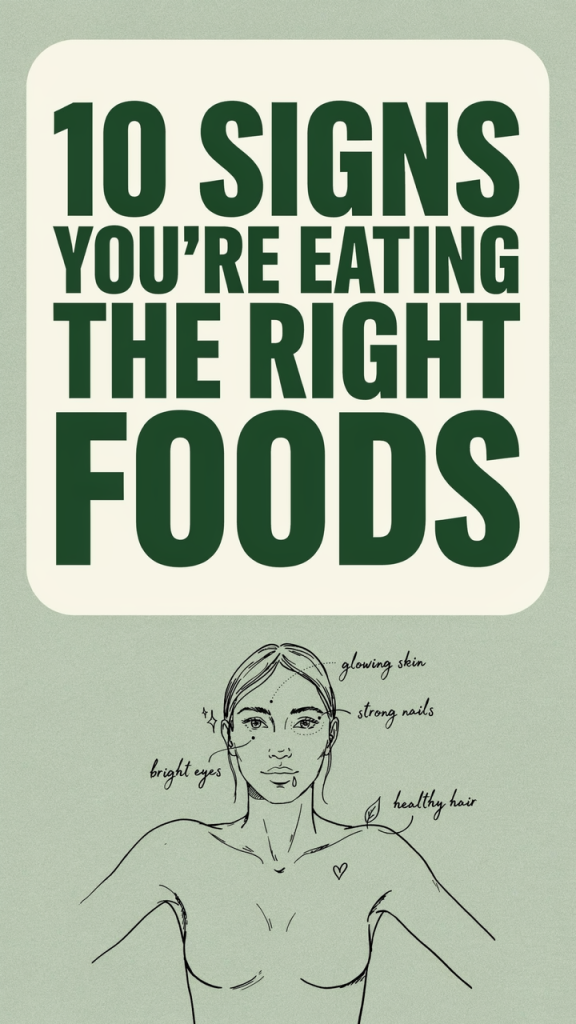
Clearer Skin, Stronger Hair, And Healthy Nails (Sign 6)
Sign 6, Visible improvements in skin, hair, and nails
Skin, hair, and nails are excellent barometers of nutritional status because they reflect ongoing tissue maintenance. When our diet supplies sufficient protein, essential fatty acids, zinc, vitamin A, vitamin C, and biotin, we often notice a steady improvement in appearance and resilience.
What to look for
- Fewer sudden breakouts that are clearly tied to sugar or dairy overconsumption.
- Hair that sheds less during washing and appears shinier.
- Nails that are less brittle and grow predictably.
Foods that help
- Protein-rich foods support keratin and collagen production (lean meats, legumes, dairy).
- Colorful fruits and vegetables provide vitamin C and antioxidants that protect skin and support collagen formation.
- Omega-3s (salmon, flax, chia) help maintain skin barrier function and reduce inflammation.
Caveats and timeframes
Appearance improvements often take time. Hair and nails grow slowly, noticeable changes may take 6–12 weeks. Skin can respond faster but is also sensitive to hormones, stress, and environmental factors. If we see rapid deterioration even though otherwise good diet, we should check for nutrient deficiencies (iron, zinc, vitamin D) or hormonal issues with a clinician.
Natural Appetite Control And Satisfying Portions (Signs 7 & 8)
Sign 7, Natural appetite regulation
When eating patterns are supportive, appetite becomes easier to read. We experience hunger cues before meals and satiety afterward, rather than constant grazing or sudden ravenous episodes. That internal regulation shows that blood sugar is more stable and satiety hormones (like leptin and peptide YY) are functioning more predictably.
Indicators
- Hunger is gradual rather than urgent.
- We can wait for a meal without feeling shaky or irritable.
- Cravings for specific non-food rewards (sugary treats) decrease in frequency.
Dietary habits that promote appetite control
- Combine protein, fiber, and healthy fats at meals.
- Avoid long gaps between meals that trigger overeating.
- Prioritize whole foods over calorie-dense, nutrient-poor processed snacks.
Sign 8, Feeling satisfied with reasonable portions
Satisfaction isn’t deprivation. It’s the sense that a balanced meal leaves us comfortably full for several hours. When portions become reasonable without constant second helpings, it’s a strong signal our diet matches our energy needs and macronutrient balance.
Practical cues
- We stop eating when we’re full rather than clearing the plate out of habit.
- Meals leave us energized rather than heavy and sluggish.
- Portion sizes align with activity levels: on more active days we naturally eat a bit more.
Behavioral nudges
- Mindful eating practices, slower bites, fewer distractions, help us notice fullness cues.
- Use plates and bowls that visually match portion intent: it’s a subtle but effective trick.
- Plan snacks that are deliberately satisfying (Greek yogurt with berries, hummus and carrots) rather than mindless nibbling options.
Fewer Illnesses And Gradual, Sustainable Weight Or Performance Improvements (Signs 9 & 10)
Sign 9, Fewer infections and quicker return to baseline after illness
A resilient immune system shows up as fewer colds, less severe symptoms, and a quicker recovery when we do get sick. Diets rich in vegetables, fruits, quality protein, and adequate calories support immune cell function. Micronutrients like vitamin C, vitamin D, zinc, and selenium play specific roles in immune defense.
What to watch for
- Reduced frequency or severity of respiratory infections.
- Faster appetite return and energy recovery after sickness.
- Less occurrence of chronic low-grade infections or inflammatory flares.
Nutrition-focused strategies
- Prioritize colorful produce and protein during recovery: the body needs building blocks to repair.
- Maintain adequate caloric intake, undereating can impair immune function.
- Consider vitamin D testing in the darker months and supplement as needed under guidance.
Sign 10, Gradual, sustainable improvements in weight or performance
Perhaps the most actionable sign is measurable progress: steady weight loss when that’s the goal, muscle gain or strength increases for athletes, or improved endurance. The keyword here is gradual and sustainable, rapid swings often indicate unsustainable approaches.
How to assess progress
- Track performance metrics (running pace, weights lifted, reps) alongside subjective recovery.
- For weight changes, focus on trends over months not daily fluctuations: body composition is more important than scale-only measures.
- If we’re aiming for athletic improvement, notice whether training quality is rising without chronic fatigue.
Why sustainable beats fast
Slow changes reflect better long-term habits: adequate protein to preserve muscle, sensible caloric deficits or surpluses, and nutrient-dense foods that support recovery. Quick fixes rarely last: when food quality is right, gains compound and we’re less likely to revert to old patterns.
Conclusion
This checklist gives us a practical way to translate abstract food advice into everyday signals. When we see steady energy, comfortable digestion, better sleep, improved skin and hair, natural appetite control, fewer illnesses, and slow, sustainable progress toward our goals, that’s strong evidence we’re eating the right foods. Use the list as a living tool: track a few signs at a time, make small, testable changes, and let outcomes guide your next moves. Food isn’t a one-time fix, it’s a long-term investment in how we feel and perform, and these ten signs are the returns we can expect when we invest wisely.