Top 10 Clean-Eating Buys At Target: The 2026 Shopper’s Guide To Healthy Staples
We all know Target as the one-stop shop that somehow stocks everything from socks to salsa. But in 2026, Target is also one of the most convenient places to build a clean-eating cart without blowing the grocery budget or hopping between specialty stores. In this guide we’ll walk you through the top 10 clean-eating foods to buy at Target, plus category-by-category suggestions so you can shop smarter. Whether you’re focused on whole-food ingredients, plant-forward meals, or fermented products for gut health, our picks prioritize minimal processing, transparent labels, and broad availability across most Target stores and Target.com. Let’s make healthier grocery runs easier, one aisle at a time.
Why Choosing Clean-Eating Foods At Target Makes Sense
Target has quietly become a major player in accessible, affordable clean eating. We shop there because it hits three needs at once: convenience, value, and variety. Target’s national footprint and increasingly robust grocery assortment mean we don’t have to visit a specialty market to find organic produce, whole grains, or plant-based proteins. Plus, Target often carries national clean-food brands alongside its owned labels, Good & Gather and Archer Farms have lines that emphasize simple ingredients and clear labeling.
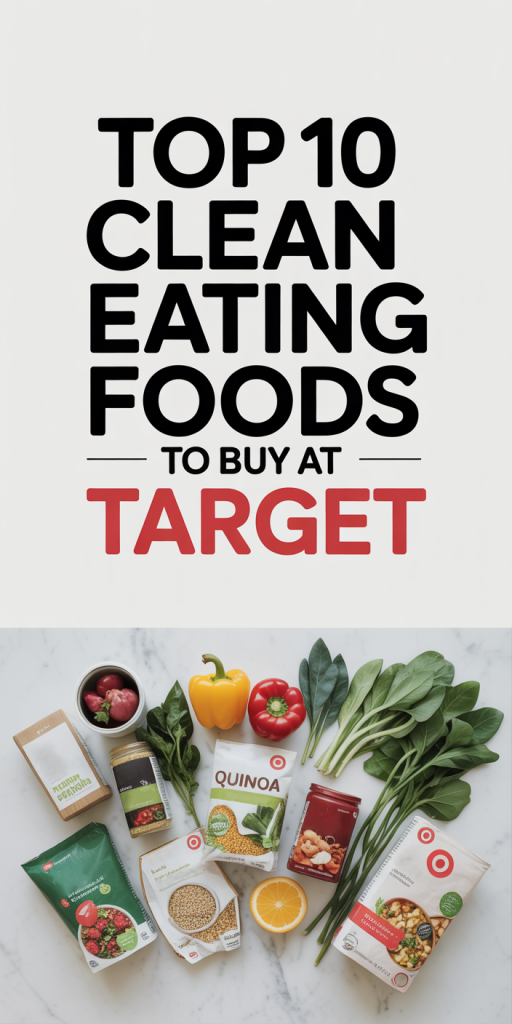
Top 10 clean-eating buys at Target (quick list)
- Organic baby spinach (Good & Gather)
- Organic berries (fresh or frozen)
- Quinoa or brown rice (bagged whole grain)
- Canned salmon (wild-caught)
- Extra-virgin olive oil (cold-pressed)
- Plain Greek yogurt (low-sugar)
- Canned or dried beans (low-sodium)
- Unsalted mixed nuts or seeds
- Shelf-stable unsweetened almond/soy milk
- Pre-washed mixed greens or microgreens (fresh prepared)
Why these matter: they’re flexible, nutrient-dense, and form the backbone of clean-eating meals, breakfasts, quick lunches, and dinners. We’ll expand on each category below, show what to look for on labels, and point out specific items and smart swaps to help you shop the aisles with confidence.
Fresh Fruits And Vegetables To Always Pick Up
Produce is the cornerstone of clean eating, and Target’s grocery aisles consistently stock both fresh and frozen options that fit our goals. We prioritize items that are versatile, minimally handled, and high in fiber and phytonutrients.
Must-grab fresh items
- Organic baby spinach: Great for smoothies, sautés, and salads. The pre-washed bags save prep time and reduce waste when we’re on the go.
- Organic mixed greens or microgreens: These lift simple meals, sandwiches, bowls, or a side salad, without extra effort.
- Seasonal organic berries (strawberries, blueberries, raspberries): Packed with antioxidants and perfect frozen if fresh prices spike.
- Avocados: Healthy monounsaturated fats and an instant creamy texture for dressings and toasts.
Smart frozen choices
- Frozen organic berries and mango chunks: They keep for months, are excellent in smoothies, and often cost less per serving than fresh out of season.
- Frozen vegetable blends (broccoli, cauliflower, mixed veggies): A time-saver and less wasteful: check ingredient lists, some mixes have added sauces.
Label tips and picking strategy
- Buy organic when you can for produce that’s on the Environmental Working Group’s “Dirty Dozen,” like berries and leafy greens. For lower-risk produce (the “Clean Fifteen”), conventional options are fine.
- Look for firmness and bright color: wilted leaves or soft spots mean shorter fridge life. For berries, choose containers where the fruit sits dry, mold growth often starts when packaging traps moisture.
We prioritize produce buys that amplify nutrient density while minimizing prep time. When we plan meals around these staples, clean eating becomes less of a chore and more of a routine.
Whole Grains And Pantry Staples Worth Buying
Whole grains and pantry staples form the scaffolding of a clean-eating pantry. At Target we look for minimally processed grains, low-sodium canned goods, and staples with short ingredient lists.
Top whole-grain picks
- Quinoa (white, red, or tri-color): A complete plant protein, quick-cooking, and great in salads or bowls.
- Brown rice or short-grain brown rice: More fiber than white rice and just as versatile.
- Rolled oats: Oatmeal, overnight oats, and binder for homemade energy bars.
- Whole-grain pasta: Swap in for traditional pasta to increase fiber and micronutrients.
Pantry essentials
- Canned beans (low-sodium or no-salt-added): Black beans, chickpeas, and white beans are protein-and-fiber dense, shelf-stable, and budget-friendly. Drain and rinse to reduce sodium further.
- Low-sodium canned tomatoes: A base for soups, stews, and sauces, check for added sugars.
- Nut butters with no added sugar or hydrogenated oils: Look for 1–2 ingredient jars (nuts and maybe salt).
- Apple cider vinegar and basic herbs/spices: They transform simple ingredients without adding ultra-processed sauces.
Storage and meal-prep tips
- Portion cooked grains into single-serving containers and freeze if you won’t use them within 4–5 days.
- Use beans as the base for quick bowls: grain + greens + bean + dressing = complete meal.
By stocking these staples at Target, we reduce reliance on convenience foods and make healthy cooking realistic on busy days.
Lean Proteins And Plant-Based Protein Picks
Protein is central to satiety and muscle maintenance. At Target, we balance animal and plant proteins that are lower in processing and higher in transparency.
Lean animal protein options
- Canned wild-caught salmon: An affordable, shelf-stable source of omega-3s and high-quality protein, perfect for salads, patties, and quick lunches.
- Skinless, boneless chicken breasts (fresh or frozen): Versatile and lean: choose minimal-ingredient marinades or season at home.
- Ground turkey (lean): Use as a swap for beef in sauces and tacos.
Plant-based picks
- Canned or dried lentils and chickpeas: Fast-cooking lentils are a weeknight workhorse: chickpeas roast up nicely for snacks.
- Firm tofu or tempeh: Both absorb flavors well. Tempeh has the added benefit of fermentation, boosting digestibility and offering a nuttier profile.
- Plant-based protein blends (simple ingredient lists): Target carries a growing selection, look for pea, rice, or soy blends without long additive lists.
What to look for on labels
- Minimal ingredients: If chicken is listed as “chicken,” that’s ideal. Avoid products with long strings of additives, fillers, or artificial preservatives.
- BPA-free cans and sustainable sourcing: We prefer canned fish labeled wild-caught or sustainably fished: for meat, check for responsible farming claims when possible.
Quick meal ideas
- Salmon salad with mixed greens and quinoa.
- Stir-fry with tofu, frozen veggies, and brown rice.
- Lentil bolognese over whole-grain pasta.
These protein options keep our meals balanced, portable, and ready in 20–30 minutes, perfect for weeknights or batch-cooking on a Sunday.
Dairy, Dairy Alternatives, And Fermented Options
Dairy and dairy alternatives can be excellent clean-eating pillars when we choose products with minimal sugar and recognizable ingredients. Target’s refrigerated aisles stock traditional dairies alongside plant-based milks and fermented options that support gut health.
Our top dairy and alternatives
- Plain Greek yogurt (low-fat or whole milk, unsweetened): High in protein and an ideal base for breakfasts, dressings, and sauces. Choose plain to avoid added sugars.
- Unsweetened almond, soy, or oat milk: For lattes, smoothies, and cooking. We look for options fortified with calcium and vitamin D but with zero added sugar.
- Kefir or plain drinking yogurt: Fermented and probiotic-rich, great for gut health. Check sugar content: the plain varieties are best.
Fermented foods worth buying
- Plain sauerkraut or kimchi (refrigerated with live cultures): These add flavor and probiotic variety: we add them as side condiments or to grain bowls.
- Plain cottage cheese: A high-protein dairy option that’s great with fruit or savory toppings like fresh herbs and olive oil.
Label advice
- Avoid flavored yogurts or milks with high added sugar. If you want sweetness, add fresh fruit or a drizzle of honey to control the amount.
- Look for live and active cultures on fermented food labels: that indicates the presence of beneficial bacteria.
These picks make it easy for us to boost protein, add probiotics, and reduce processed sugars without sacrificing flavor.
Healthy Fats, Nuts, Seeds, And Smart Snacks
Healthy fats are non-negotiable in a clean-eating plan: they support absorption of fat-soluble vitamins and keep us full between meals. Target offers straightforward, budget-friendly options across the aisles.
Fats to keep on hand
- Extra-virgin olive oil (cold-pressed): Ideal for dressings and low-heat cooking: choose a reputable brand and a darker bottle to protect against light.
- Avocado oil: Higher smoke point for roasting and sautéing.
- Canned coconut milk (unsweetened): Useful in curries and smoothies, though it’s higher in saturated fat, use judiciously.
Nuts, seeds, and snack strategies
- Unsalted mixed nuts and single-nut bags (almonds, walnuts): Great for portioned snacks, and walnuts bring omega-3 ALA for plant-based fat diversity.
- Chia seeds and flaxseed meal: Add fiber and omega-3s to smoothies, yogurt, and oatmeal.
- Roasted chickpeas or whole-food snack bars (short ingredient lists): Look for snacks where the first ingredients are whole foods, nuts, seeds, oats, with minimal added sugar.
Smart snacking mindsets
- Portion control: Nuts are nutrient-dense but calorie-dense: we portion into 1-ounce servings to avoid mindless overeating.
- Pairings: Combine fruit with a spoonful of nut butter or plain yogurt with seeds to balance carbs with fat and protein for sustained energy.
These pantry additions transform snacks from empty calories into nourishing, convenient bites that fuel our day.
Convenient Fresh Prepared Items For Busy Days
Not every day allows time for stovetop cooking. Target’s prepared foods and refrigerated fresh-prepared offerings help us stay on track without sacrificing quality.
Convenient fresh items we recommend
- Pre-washed mixed greens and salad kits (choose kits with simple dressings): They cut prep time and work as a base for protein-rich bowls.
- Pre-cut vegetables and spiraled zucchini: Ready-to-roast or sauté, these save 10–15 minutes and reduce food waste.
- Ready-to-eat grilled chicken strips (minimal ingredients): Use sparingly as a convenience protein, look for no added fillers or heavy marinades.
- Fresh-made hummus and guacamole (refrigerated): Great for pairing with veggies and whole-grain crackers: check sodium levels.
How to use prepared items without losing control
- Rework, don’t just reheat: Use pre-cooked chicken in a salad with quinoa and greens rather than relying on calorically heavy sauces.
- Mix fresh-prepped with whole foods: Pair pre-washed greens with canned beans and a simple olive oil-lemon dressing to keep costs down and nutrition high.
Prepared items are tools, not crutches. When we treat them as components, rather than entire meals, we keep our food clean and our time use efficient.
Practical Tips For Shopping Clean At Target (Budget, Labels, And Deals)
Shopping for clean eating at Target is easier when we think like savvy shoppers. Here are concrete tactics to stretch our dollars while sticking to whole-food principles.
Budgeting strategies
- Buy frozen produce and bulk grains when fresh prices are high: Frozen berries, spinach, and mixed veggies are often cheaper per serving and less wasteful.
- Choose store-brand smartly: Good & Gather offers many clean-ingredient options that are typically cheaper than national brands. Compare ingredient lists first.
Reading labels (what to prioritize)
- Short ingredient lists: If you can pronounce the ingredients, that’s usually a good sign. Avoid long lists with hard-to-recognize additives.
- Sugar and sodium per serving: For yogurts, condiments, and prepared foods, check grams of added sugar and milligrams of sodium. We aim for low-to-moderate numbers and control seasoning at home.
- Serving sizes: Be realistic about serving sizes, packages sometimes list unrealistically small portions to make nutrition facts look better.
Finding deals and maximizing value
- Use the Target Circle app and weekly ads: Healthy items like olive oil, canned fish, and frozen produce frequently rotate into discounts. We save more when we combine sales with Target Circle coupons.
- Buy in-season produce and freeze extras: Seasonal buys are cheaper and fresher: freeze what you won’t use within a few days.
- Stock up on pantry staples during sales: Whole grains, canned beans, and nut butters have long shelf lives and are ideal sale items.
Quick in-store aisle mapping
- Start in produce, then hit whole-grain/pasta aisle, move to canned goods and beans, check refrigerated section for yogurts and prepped items, then oils and nuts near baking/condiments. This path minimizes back-and-forth and helps avoid impulse purchases in non-grocery sections.
With these strategies, clean eating at Target becomes sustainable, financially and practically, without sacrificing food quality.
Conclusion
Shopping clean at Target in 2026 is about choosing ingredients that make real meals fast, affordable, and nutritious. When we prioritize produce, whole grains, simple proteins, and minimally processed snacks, we build a pantry that supports health without stress. Use the top 10 list as your starter kit and lean on the category suggestions and label tips to customize purchases to your tastes and budget. A few smart swaps, plain yogurt for flavored, brown rice for white, and whole nuts for sugary bars, add up to healthier weeks without making grocery trips feel like a chore. Ready to try a clean-eating cart next time? We’ll be there, aisle map in hand.