10 Kitchen Staples Every Person With Diabetes Should Have In 2026 (Plus How To Shop, Store, And Use Them)
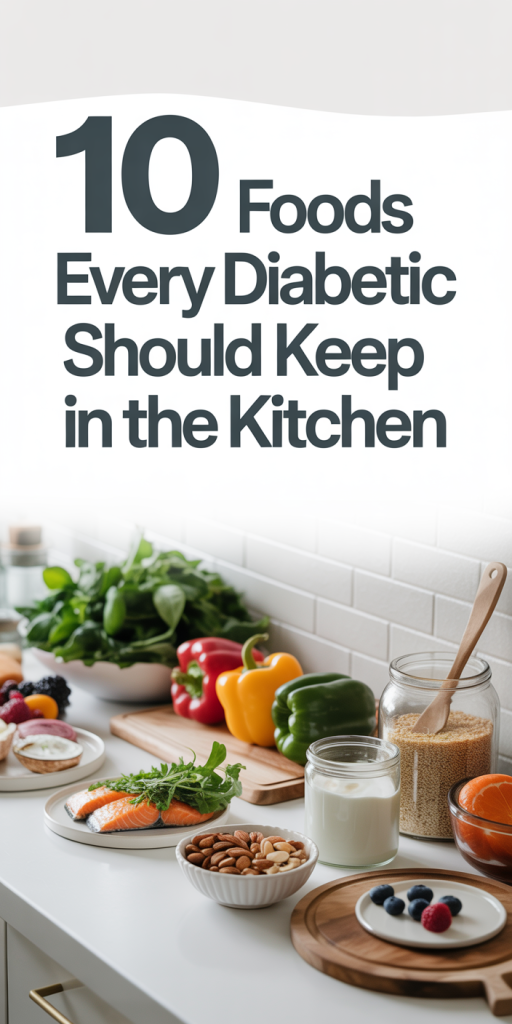
Managing blood sugar doesn’t mean giving up flavor or variety, it means stocking a kitchen with ingredients that stabilize glucose, support heart health, and make meals effortless. In this guide we’ll walk through 10 foods every diabetic should keep in the kitchen in 2026, explain why they matter, and share practical tips for buying, storing, and using them. We wrote this with up-to-date nutrition guidance in mind: low-glycemic carbs, fiber-rich produce, lean proteins, and heart-healthy fats feature heavily. Whether you’re newly diagnosed, cooking for a loved one with diabetes, or aiming to fine-tune your pantry, our goal is simple: give you a realistic, science-backed shopping list and show how each item fits into everyday meals. We’ll keep suggestions flexible for different tastes, budgets, and cooking abilities, and we’ll point out quick swaps and meal ideas so these staples become go-to options, not shelf ornaments.
Quick At-A-Glance: The 10 Essential Foods
Below is a compact list we can return to while shopping or meal planning. Each item earned its spot because it helps control post-meal glucose, supplies fiber or protein, and supports cardiovascular health, all priorities for people with diabetes.
- Quinoa, whole-grain alternative with complete protein
- Lentils, fiber-dense legumes that blunt glucose spikes
- Spinach, versatile, low-carb leafy green
- Broccoli, nonstarchy cruciferous vegetable rich in sulforaphane
- Berries, low-glycemic fruits loaded with antioxidants
- Apples, portable, fiber-rich fruit (skin on)
- Salmon, omega-3 rich, lean protein
- Greek yogurt, protein-packed, lower sugar than many yogurts
- Almonds, unsalted nuts high in monounsaturated fats
- Chia seeds, soluble-fiber booster that thickens and stabilizes sugar
How to use this list: keep at least one option from each pair (grain/legume, veg, fruit, protein, fat/seed) on hand. That gives us dozens of meal permutations with balanced carbs, protein, and healthy fats, the combination that most consistently produces gentler blood-sugar responses. We’ll unpack each item next with specifics on portioning, quick recipes, and storage tips.
Quinoa And Lentils — Low-Glycemic Whole Grains And Legumes
Quinoa and lentils are cornerstones for stable blood sugar. Quinoa is a pseudo-grain with a complete amino-acid profile and about 5 grams of protein plus 2–3 grams of fiber per cooked half-cup. It cooks fast and works in salads, bowls, pilafs, and even breakfast porridge. Lentils, whether green, brown, or red, provide roughly 9 grams of protein and 8 grams of fiber per half-cup cooked, that fiber substantially slows carbohydrate absorption.
Why they help: both have low to moderate glycemic indices compared with refined grains. When paired with vegetables and a source of fat or protein, they blunt postprandial glucose rises. Practical portioning: aim for roughly 1/2 cup cooked quinoa or lentils as a carbohydrate component in a meal, combined with nonstarchy veg and lean protein. That’s flexible, for heavier activity days we can increase portions.
Quick uses: mix quinoa with chopped cucumber, tomato, lemon, and a drizzle of olive oil for an instant salad: stir lentils into soups, stews, or make a lentil curry with spinach. Shopping/storing tips: buy dry quinoa and lentils in bulk to save money, keep them in airtight containers in a cool dry place, and cook batches to refrigerate for 3–5 days or freeze in single portions for easy meals.
Spinach And Broccoli — Nonstarchy Vegetables Packed With Nutrients
Nonstarchy vegetables are essential because they add volume, micronutrients, and fiber with minimal impact on blood glucose. Spinach and broccoli are two we reach for repeatedly.
Spinach: fresh or frozen spinach is a fast way to boost fiber, vitamin K, magnesium, and potassium, nutrients linked to improved insulin sensitivity. A generous cup of fresh leaves cooked down gives only a handful of calories but a meaningful nutrient boost. We can toss raw spinach into smoothies (yes, with a little Greek yogurt), wilt it into omelets, or blend it into a quick pesto.
Broccoli: as a cruciferous vegetable, broccoli brings fiber and unique compounds like sulforaphane, which early research suggests may help with oxidative stress and metabolic health. Roast florets with olive oil and lemon, steam as a side, or add to stir-fries for texture and satiety.
Meal strategy: aim to fill half your plate with nonstarchy vegetables at most meals. That increases fiber and volume, reducing the portion size needed for higher-carb components. Storage tips: keep fresh spinach in a breathable container with paper towel to absorb moisture: buy broccoli with firm stalks, store in the crisper, and use within 4–7 days, or chop and freeze cooked florets for ready use.
Berries And Apples — Low-Glycemic Fruits With Fiber And Antioxidants
We don’t ban fruit: we choose it strategically. Berries (strawberries, blueberries, raspberries) and apples deliver sweetness alongside fiber, vitamins, and polyphenols, and they tend to produce smaller glucose responses than tropical or high-sugar fruits.
Berries: a half- to one-cup serving offers 3–8 grams of fiber, depending on the type, plus a concentrated dose of antioxidants. Blueberries are famous, but raspberries and blackberries have the highest fiber per cup. They’re brilliant in Greek yogurt, oatmeal, salads, or simply as a snack paired with nuts.
Apples: eaten with the skin, apples provide about 4–5 grams of fiber each and are convenient for on-the-go eating. Pairing an apple with a tablespoon of almond butter or a small handful of almonds slows absorption further and makes a balanced mini-meal.
Practical tips: measure portions to avoid underestimating carbohydrate, especially with dried fruit (which we generally avoid or use sparingly). Frozen berries are an affordable, nutrient-dense backup and often keep more antioxidants than off-season fresh fruit. Store apples in the crisper and berries in a single layer in the fridge or freeze them in portions for smoothies and compotes.
Salmon And Greek Yogurt — Lean, Blood-Sugar-Friendly Protein Sources
Protein slows gastric emptying and stabilizes blood sugar when consumed with carbohydrates. Salmon and plain Greek yogurt are two versatile protein choices we recommend keeping on hand.
Salmon: fatty fish like salmon supplies high-quality protein plus long-chain omega-3s (EPA and DHA), which support heart health, a major consideration for people with diabetes. Aim for two 3–4 ounce portions of fatty fish per week if possible. Salmon is simple: pan-sear filets in olive oil, roast with herbs, or flake into salads and grain bowls.
Greek yogurt: choose plain, unsweetened Greek yogurt for its higher protein and lower sugar content compared with flavored varieties. A typical 6-ounce serving may provide 15–20 grams of protein, making it excellent for breakfast, smoothies, or as a creamy dressing base. Add berries, a sprinkle of chia, and a few almonds for texture and balanced macros.
Shopping plus storage: buy wild-caught or responsibly farmed salmon when feasible: frozen filets are economical and retain nutrients. Keep yogurt refrigerated and use within the date: single-serve containers are convenient but larger tubs are often more cost-effective. Watch sodium and added sugar on processed seafood options like smoked salmon or sauces.
Almonds And Chia Seeds — Heart-Healthy Nuts And Fiber-Rich Seeds
Nuts and seeds are powerful tools for blood-sugar control because they add healthy fats, fiber, and a little protein. Almonds and chia seeds are particularly useful for snacking, texture, and stabilizing meals.
Almonds: a small handful (about 1 ounce or 23 almonds) provides monounsaturated fat, vitamin E, magnesium, and roughly 6 grams of protein. Several studies link nut consumption to improved glycemic control and lower cardiovascular risk markers. Snack on raw or dry-roasted unsalted almonds, toss them into salads, or grind to make a quick almond meal coating for fish or chicken.
Chia seeds: these tiny seeds punch above their weight. Two tablespoons deliver about 10 grams of fiber, much of it soluble, which forms a gel when mixed with liquid and slows carbohydrate digestion. We use chia to make puddings, thicken smoothies, or as an egg substitute in baking. Mix chia with unsweetened almond milk and vanilla for a make-ahead breakfast that keeps blood sugar steady.
Practical cautions: portion control matters, nuts are calorie-dense. Measure portions until you learn what an ounce looks like. Store nuts and seeds in the refrigerator or freezer to prevent rancidity, especially if buying in bulk.
How To Shop, Store, And Prep These Foods For Better Blood-Sugar Control
Knowing what to buy is only half the battle, how we shop, store, and prepare these items determines whether they’re used or forgotten. Here are practical, evidence-informed strategies we follow to keep these staples working for us.
Shopping smarter:
- Stick to the perimeter first: produce, dairy, fish, and whole grains are usually there. We plan meals and make a short list to avoid impulse buys.
- Buy frozen when fresh is out of season, frozen berries, spinach, and salmon are nutrient-preserving and economical.
- Read labels: for Greek yogurt, choose “plain” and check that sugar per serving is low: for packaged quinoa blends or canned lentils check sodium and added sugars.
Storing for longevity:
- Use airtight containers and label cooked batches with dates. Cooked quinoa and lentils last 3–5 days in the fridge: freeze in 1-cup portions for up to 3 months.
- Nuts and seeds go rancid if warm: keep almonds and chia refrigerated, particularly in warm climates.
- Produce tips: ripen apples at room temp then refrigerate: store berries unwashed in a single layer and rinse right before eating.
Prep habits that stick:
- Cook once, eat twice (or thrice): roast a tray of broccoli, steam a bag of spinach, and batch-cook lentils or quinoa on the weekend.
- Build bowls: assemble meals from prepped components, grain + veggie + protein + fat, so we always hit the balance that tames blood sugar.
- Portion control: pre-portion snacks (almonds, chia puddings, yogurt servings) to prevent overeating and to make balanced choices the easy default.
Conclusion
We can make diabetes-friendly eating straightforward by keeping ten flexible staples on hand: quinoa, lentils, spinach, broccoli, berries, apples, salmon, Greek yogurt, almonds, and chia seeds. Together they give us low-glycemic carbs, fiber, lean protein, and heart-healthy fats, the combo that most reliably smooths blood-sugar swings. Small habits make a big difference: plan meals, batch-cook, portion snacks, and favor whole foods over processed options. Start by adding two or three items to your next grocery run and build from there. Over time, these staples will transform your meals from reactive (quick fixes) to proactive (balanced, satisfying choices), and that’s how we keep blood sugar more predictable while still enjoying good food.