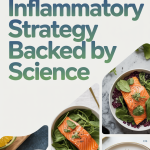
The 1 Anti-Inflammatory Strategy Backed by Science: A Practical Plant-Forward Plan for Lasting Health
Chronic inflammation is one of those silent drivers of disease that we all hear about but few of us fully understand, until it shows up in an annual lab panel or with unexplained aches and fatigue. Over the past two decades, high-quality research has converged on a clear message: dietary patterns, not single “magic” foods, have the biggest and most sustainable impact on systemic inflammation. In this text we lay out the #1 anti-inflammatory strategy backed by science in 2026, a plant-forward, Mediterranean-style approach, explain how it works at the molecular and clinical level, and give a practical 4-week plan so you can put it into action. We’ll also flag who should be cautious and when to seek medical advice. Our goal is pragmatic: evidence-first guidance that fits into real life.
What Chronic Inflammation Is And Why It Matters
Chronic inflammation is a prolonged, low-grade immune response that persists after an initial insult (infection, injury, or exposure) has resolved, or that arises without a clear trigger. Unlike acute inflammation (redness, swelling, pain) that defends and repairs, chronic inflammation quietly wears down tissues and systems over months and years. We see its fingerprints in conditions that matter most to longevity and quality of life: atherosclerosis, type 2 diabetes, Alzheimer’s, certain cancers, osteoarthritis, and metabolic syndrome.
Why should we care? Because chronic inflammation predicts both disease onset and progression. Biomarkers such as high-sensitivity C-reactive protein (hs-CRP), interleukin-6 (IL-6), and tumor necrosis factor-alpha (TNF-α) correlate with cardiovascular events, insulin resistance, and cognitive decline. Even small, persistent elevations in these markers translate into measurable increases in risk over time. From a practical perspective, that means reducing systemic inflammation can lower disease burden and improve how we feel today, energy, mood, sleep, and recovery from exercise.
Crucially, inflammation is modifiable. Lifestyle factors, especially diet, physical activity, sleep, stress management, and smoking, shape inflammatory biology. Among these, diet stands out: it’s daily, scalable, and powerful. The food we choose becomes the substrate for gut microbes, the building blocks for our cells, and the signals that can either soothe or stoke immune activation. That’s why our leading strategy centers on a plant-forward, Mediterranean-style diet that combines anti-inflammatory nutrients, favorable effects on the microbiome, and consistent clinical evidence for disease risk reduction.
The 1 Strategy: A Plant-Forward Mediterranean-Style Diet For Inflammation
By “plant-forward Mediterranean-style diet” we mean a dietary pattern that emphasizes vegetables, fruits, whole grains, legumes, nuts, seeds, olive oil, herbs, and spices: includes moderate amounts of fish, poultry, and dairy: and limits processed foods, refined grains, added sugars, and red/processed meats. This isn’t a restrictive diet plan, it’s a flexible, evidence-based framework that prioritizes nutrient-dense, minimally processed foods.
Why this pattern? First, large prospective cohorts and randomized trials consistently link Mediterranean and plant-forward diets with lower inflammatory markers and reduced incidence of cardiometabolic disease. Second, the pattern delivers multiple anti-inflammatory mechanisms simultaneously: abundant fiber and polyphenols for the gut microbiome, monounsaturated and omega-3 fats to alter cell membrane composition and signaling, and lower loads of pro-inflammatory saturated fats and refined carbohydrates.
We recommend thinking of this strategy as a lifestyle shift rather than a temporary intervention. The emphasis is on replacing pro-inflammatory items (sugary drinks, ultra-processed snacks, and excess refined carbs) with whole, nutrient-rich alternatives. The result is typically improved biomarkers, better weight regulation, more steady energy, and lower disease risk over the long term.
Practical Food Guidelines: What To Eat And What To Avoid
What to prioritize:
- Vegetables: aim for a colorful variety, raw and cooked. Target several cups daily.
- Fruits: whole fruit rather than juice: berries and citrus are especially polyphenol-rich.
- Whole grains: oats, barley, farro, brown rice: minimize refined flour products.
- Legumes: beans, lentils, chickpeas, excellent fiber and protein sources.
- Nuts & seeds: walnuts, almonds, flax, chia, good for omega-3s and antioxidants.
- Olive oil: extra-virgin olive oil as the main added fat: rich in oleic acid and polyphenols.
- Fish: fatty fish (salmon, sardines, mackerel) 2–3 times weekly for EPA/DHA.
- Herbs & spices: turmeric, ginger, garlic, oregano, these deliver concentrated anti-inflammatory compounds.
What to limit or avoid:
- Ultra-processed foods: packaged snacks, sugary cereals, instant meals.
- Sugar-sweetened beverages and high-sugar desserts.
- Excess red and processed meats: replace with fish, legumes, or poultry.
- High-dose refined carbohydrates (white bread, pastries) which spike insulin and inflammatory pathways.
- Trans fats and industrial seed oils used in deep frying when possible.
Portion and pattern: We emphasize plant foods on the plate (50–70%), modest portions of fish/poultry, and limited red meat. Meals that pair fiber-rich carbs, lean protein, and healthy fats produce better glycemic control and reduce post-meal inflammatory spikes. Small swaps, like olive oil instead of butter, beans instead of processed meats, and fruit instead of pastries, accumulate into major benefits over months.
How The Strategy Works: Mechanisms, Biomarkers, And Anti-Inflammatory Nutrients
The Mediterranean-style, plant-forward pattern exerts anti-inflammatory effects via several converging mechanisms. Understanding these helps us use the diet intelligently and set expectations for change.
Gut microbiome modulation: Dietary fiber and polyphenols are fermented by gut microbes into short-chain fatty acids (SCFAs) like butyrate, acetate, and propionate. SCFAs strengthen the intestinal barrier, reduce endotoxin translocation (lipopolysaccharide, LPS), and directly modulate immune responses, lowering systemic cytokines such as IL-6 and TNF-α. A diverse plant-based diet promotes a more favorable microbial community that supports these functions.
Lipid composition and cell signaling: Replacing saturated and trans fats with monounsaturated fats (oleic acid from olive oil) and omega-3 polyunsaturated fats (EPA/DHA from fatty fish) changes cell membrane phospholipid composition. That alters production of eicosanoids, lipid mediators that can be pro- or anti-inflammatory, and tends to shift signaling toward resolvins and protectins that resolve inflammation.
Antioxidant and polyphenol effects: Fruits, vegetables, olive oil, herbs, and spices deliver a spectrum of polyphenols and antioxidants (e.g., hydroxytyrosol, quercetin, curcumin). These compounds scavenge free radicals, inhibit NF-κB (a master regulator of inflammation), and modulate gene expression related to immune responses.
Metabolic and hormonal benefits: Improved insulin sensitivity, lower visceral adiposity, and more stable glucose levels reduce metabolic stressors that drive inflammation. Adipose tissue, especially visceral fat, secretes pro-inflammatory adipokines: reducing this depot lowers the chronic inflammatory burden.
Biomarkers to watch: Clinical studies commonly measure hs-CRP, IL-6, TNF-α, fibrinogen, and fasting insulin/HbA1c. Improvements in these markers often appear within weeks to months depending on adherence and baseline risk. We advise getting baseline hs-CRP and metabolic labs and repeating them after 3–6 months to gauge response.
Dose and time course: Anti-inflammatory benefits are dose-dependent, greater adherence typically yields larger reductions in biomarkers. Some improvements (reduced postprandial insulin spikes, better energy) can show within days to weeks: measurable shifts in hs-CRP, lipid profiles, and glycemic markers are commonly seen at 8–12 weeks, with progressive benefits thereafter when the pattern is sustained.

Evidence Snapshot: Key Trials, Cohorts, And Meta-Analyses
A substantial evidence base supports Mediterranean and plant-forward diets for reducing inflammation and disease risk. Here are concise highlights we rely on when making recommendations.
Randomized controlled trials (RCTs): The PREDIMED study (primary prevention trial in Spain) randomized high-cardiovascular-risk adults to Mediterranean diets supplemented with extra-virgin olive oil or nuts versus a low-fat control. Participants on Mediterranean patterns had lower incidence of major cardiovascular events and favorable changes in inflammatory markers. Smaller RCTs have shown reductions in hs-CRP and IL-6 with Mediterranean-style interventions compared with control diets.
Cohort studies: Large prospective cohorts (Nurses’ Health Study, EPIC, and the Multiethnic Cohort) repeatedly demonstrate that higher adherence to plant-forward or Mediterranean dietary scores correlates with lower risk of cardiovascular disease, type 2 diabetes, and all-cause mortality, associations independent of many lifestyle confounders.
Meta-analyses and systematic reviews: Multiple meta-analyses pooling RCTs and observational studies report that Mediterranean-style diets reduce hs-CRP, IL-6, and fasting insulin, and improve lipid profiles. Meta-analyses focused on polyphenol-rich foods (berries, olive oil, green tea) report modest but consistent reductions in inflammatory biomarkers.
Mechanistic human trials: Short-term feeding studies show that meals high in olive oil and fish produce lower postprandial inflammatory responses than meals high in saturated fats and refined carbs. Trials of supplemental omega-3s, curcumin, and fiber also report decreases in specific cytokines and improvements in insulin sensitivity, though effects vary by dose and baseline inflammation.
What this means for us: The highest-quality evidence links the overall dietary pattern, not single supplements, to the largest and most reliable reductions in inflammation and clinical outcomes. Supplements can be adjunctive in select cases, but they don’t substitute for consistent dietary change.
4-Week Practical Implementation Plan With Sample Day Meal Plan
We’ve designed a straightforward, four-week ramp-in plan that helps build habits without overwhelm. The plan focuses on daily wins: more plants, better fats, controlled refined carbs, and simple swaps.
Weeks 1–2: Foundations
- Goal: Make 3–5 plant-forward swaps and add one olive-oil–based meal daily.
- Actions: Replace sugary drinks with water or sparkling water: add a serving of vegetables to lunch and dinner: use olive oil for cooking/dressing: include legumes twice this week.
Weeks 3–4: Consolidation
- Goal: Make at least one fish-based dinner per week, increase variety of vegetables/fruits, and remove one ultra-processed item per day.
- Actions: Try a legume-based lunch twice a week: aim for two nuts/seed servings daily: use herbs/spices (turmeric, ginger, garlic) regularly.
Behavioral tips: Batch-cook beans and whole grains, prep a vegetable-packed salad jar, keep a small stash of mixed nuts and fresh fruit for snacks. When dining out, choose grilled fish or veggie-forward bowls, ask for olive oil instead of butter, and limit fried or heavily sauced items.
Sample day meal plan (anti-inflammatory, ~2000 kcal baseline, adjust portions to match personal needs):
- Breakfast: Rolled oats cooked with water or milk, topped with a handful of blueberries, 1 tablespoon ground flaxseed, chopped walnuts, and a drizzle of extra-virgin olive oil or a small spoon of nut butter. Green tea on the side.
- Mid-morning snack: Apple with 10 almonds.
- Lunch: Large mixed salad (leafy greens, cherry tomatoes, cucumber, grated carrot), 1 cup cooked chickpeas, 1/2 avocado, dressed with lemon, extra-virgin olive oil, and chopped parsley. Whole grain roll or 1/2 cup farro optional.
- Afternoon snack: Plain yogurt (or plant-based unsweetened yogurt) with sliced strawberries and a sprinkle of chia seeds.
- Dinner: Pan-seared salmon (4–6 oz) with a turmeric-garlic yogurt sauce, side of roasted Brussels sprouts and sweet potato, and a small mixed-grain pilaf. Finish with fresh orange slices.
- Nightcap (if desired): A small square of dark chocolate (70%+ cocoa) and chamomile tea.
We recommend tracking progress with simple metrics: daily servings of vegetables/fruits, fish/legume servings per week, and one inflammatory biomarker test (hs-CRP) at baseline and after 12 weeks. Small, consistent changes are the most sustainable and clinically meaningful.
Who Should Be Cautious, Potential Risks, And When To See A Clinician
While the plant-forward Mediterranean-style diet is broadly safe and beneficial, there are situations where caution, modification, or clinical oversight is warranted.
Medication interactions and medical conditions:
- Anticoagulants: High-dose omega-3 supplements can increase bleeding risk in people on warfarin or certain antiplatelet drugs: we advise discussing supplements with a clinician.
- Diabetes: Starting a high-fiber, lower-refined-carb plan usually improves glycemic control, which may necessitate medication adjustments. Close monitoring of blood glucose and coordination with the prescribing clinician is important.
- Kidney disease: People with advanced chronic kidney disease must monitor potassium and phosphorus intake: some high-potassium plant foods may need portion control.
- Food allergies and intolerances: Legumes, nuts, and dairy alternatives are common allergens, individualize choices to avoid adverse reactions.
Potential unintended issues:
- Caloric misestimation: Going plant-forward doesn’t automatically mean lower calories, extra oil, nuts, and larger portions can increase intake. If weight loss is a goal, watch portion sizes and total calories.
- Gastrointestinal changes: Increasing fiber rapidly can cause bloating, gas, or transient changes in bowel habits. We recommend a gradual increase over 1–2 weeks and sufficient hydration.
- Supplements vs. food: Relying on supplements to replace whole-food benefits may miss synergistic effects, food-first is the safer approach for most people.
When to see a clinician:
- If you have known chronic conditions (diabetes, cardiovascular disease, kidney disease, autoimmune disease), consult your healthcare team before major dietary changes.
- If you experience new or worsening symptoms (unexplained weight loss, persistent fatigue, significant GI distress), seek evaluation.
- If on prescription medications that affect metabolism, bleeding risk, or electrolytes, coordinate dietary changes and supplement use with your prescriber.
We emphasize collaboration: dietary changes are powerful but should be integrated into an overall care plan when medical issues or medications are involved.
Conclusion
The #1 anti-inflammatory strategy supported by current science is not a pill or a fad, it’s a sustained, plant-forward Mediterranean-style eating pattern paired with basic lifestyle practices. This approach targets inflammation through multiple, complementary pathways: the gut microbiome, lipid signaling, antioxidant activity, and metabolic regulation. It’s supported by randomized trials, cohort studies, and mechanistic research, and it’s practical to carry out with gradual steps.
We encourage adopting the four-week ramp-in plan, tracking simple metrics like vegetable servings and hs-CRP, and partnering with your clinician when you have chronic conditions or take medications. Over months, most people notice better energy, improved labs, and a lower long-term disease risk. Small, consistent changes to what we eat each day add up, so let’s start with one plant-forward swap this week and build from there.