1 Anti-Inflammatory Oil You Should Be Using Daily: Why Extra Virgin Olive Oil Deserves a Place on Your Table
Inflammation sits at the root of many common chronic conditions, from joint pain and cardiovascular disease to insulin resistance and some neurodegenerative disorders. While medications and lifestyle changes are crucial, what we put on our plates every day can meaningfully shift our inflammatory baseline. Among oils, one stands out repeatedly in the research and on Mediterranean tables: extra virgin olive oil (EVOO). In 2026, with better testing standards and clearer labeling, we can choose EVOO with more confidence than ever. In this text we’ll explain what makes an oil anti-inflammatory, introduce the specific compounds in EVOO that do the heavy lifting, review the latest evidence-based health benefits, and give practical, everyday guidance for using it, so you can start lowering inflammation without overcomplicating your routine.
What Makes An Oil Anti-Inflammatory?
Not all fats are created equal when it comes to inflammation. At a basic level, an oil’s inflammatory or anti-inflammatory effect depends on three interacting factors: its fatty acid profile, its minor bioactive components (like polyphenols), and how it’s processed or stored.
- Fatty acid profile: Oils rich in monounsaturated fats (MUFA), especially oleic acid, tend to be neutral to anti-inflammatory compared with oils high in certain omega-6 polyunsaturated fatty acids (PUFAs) that, in excess, can promote pro-inflammatory pathways. Omega-3 PUFAs, on the other hand, are anti-inflammatory, but many cooking oils are low in them.
- Minor bioactive compounds: This is where the difference becomes dramatic. Plant oils contain antioxidants, polyphenols, tocopherols (vitamin E variants), and other phytochemicals. These compounds can blunt oxidative stress, inhibit inflammatory enzymes, and modulate immune signaling. Oils with higher concentrations of these bioactives are more likely to offer measurable anti-inflammatory benefits beyond their fatty acid content.
- Processing and stability: Cold-pressed, minimally refined oils retain more beneficial compounds. High-heat refining strips away polyphenols and can create oxidation products that are potentially pro-inflammatory. How an oil is stored, away from light, heat, and oxygen, also matters for preserving its anti-inflammatory potential.
So when we talk about an “anti-inflammatory oil,” we’re usually pointing to one that combines a favorable fat profile with robust levels of bioactive phytochemicals and has been minimally processed to preserve those compounds. Extra virgin olive oil fits this profile better than most widely used culinary oils.
Meet The 1 Anti-Inflammatory Oil: Extra Virgin Olive Oil
Extra virgin olive oil (EVOO) earns its reputation because it pairs predominantly monounsaturated fat, mostly oleic acid, with a rich and diverse suite of polyphenols and other antioxidants. EVOO is the least-refined grade of olive oil, extracted mechanically without heat or chemical solvents, which preserves delicate compounds that are destroyed during refining.
We’re not just relying on culinary lore. Population studies consistently link Mediterranean dietary patterns, where EVOO is the primary added fat, to lower markers of inflammation and reduced risks of heart disease and metabolic dysfunction. Randomized controlled trials using high-phenolic EVOO show short-term reductions in inflammatory biomarkers, improved endothelial function, and better lipid oxidation profiles compared with control oils.
Not all olive oils are equal. Terms like “light” or “pure” olive oil often indicate refined products with fewer polyphenols and less flavor. For anti-inflammatory effects, we recommend authentic extra virgin olive oil that is labeled with harvest date, origin, and ideally has a certification (PDO/PGI or a third-party polyphenol test). Since 2020–2026 the industry has improved traceability and testing, so it’s increasingly possible to find high-phenolic EVOO suited for daily use.
Because EVOO is versatile, palatable, and widely available, it’s realistic to integrate into everyday cooking and meals, a practical advantage when aiming to make dietary inflammation reduction sustainable.
How It Works: Key Compounds
EVOO’s anti-inflammatory actions derive from both its dominant fatty acid, oleic acid, and a suite of minor but potent bioactives. Together they act on multiple pathways: reducing oxidative stress, inhibiting pro-inflammatory enzymes, modulating immune signaling, and improving endothelial function.
We’ll focus on the compounds most consistently implicated by modern research and explain how they interact with human physiology. Understanding these mechanisms helps explain why EVOO’s benefits appear in cardiovascular, metabolic, and neurocognitive studies alike.
Oleocanthal And Polyphenols
Oleocanthal is perhaps EVOO’s most famous anti-inflammatory molecule. It was identified because it produces a peppery throat sensation in pungent EVOOs and, pharmacologically, it inhibits cyclooxygenase (COX) enzymes, similar to how low doses of ibuprofen work. That doesn’t mean EVOO replaces medications, but oleocanthal’s COX-modulating activity likely contributes to reduced systemic inflammation reported in dietary studies.
Beyond oleocanthal, EVOO contains a broad family of polyphenols, hydroxytyrosol, tyrosol, oleuropein, lignans, and flavonoids, that act as antioxidants and signaling modulators. These compounds neutralize reactive oxygen species (ROS), protect LDL particles from oxidation (a key step in atherosclerosis), and influence gene expression related to inflammation (e.g., downregulating NF-κB activity).
Synergy is important: the combined effect of multiple polyphenols and oleic acid appears greater than any single compound alone. For example, hydroxytyrosol has been shown to protect mitochondrial function in cells exposed to inflammatory stress, while oleocanthal reduces the production of inflammatory cytokines. When we consume high-phenolic EVOO regularly, these mechanisms converge, reducing oxidative stress, dampening pro-inflammatory signaling, and improving vascular health.
A practical note: polyphenol concentrations vary by olive cultivar, ripeness at harvest, extraction method, and storage. “Cold-pressed” and early-harvest EVOOs tend to have higher levels. Lab-tested polyphenol values (expressed mg/kg) are the clearest way to compare products: oils with >250 mg/kg of total polyphenols are generally considered high-phenolic and most likely to deliver strong anti-inflammatory effects.
Evidence-Based Health Benefits
When we look at clinical and epidemiological evidence, EVOO’s anti-inflammatory promise translates into measurable health benefits across several domains.
Cardiovascular disease: The PREDIMED trial, a randomized, controlled study of Mediterranean diets supplemented with extra virgin olive oil, demonstrated a significant reduction in major cardiovascular events compared with a low-fat control diet. Secondary analyses linked EVOO intake to favorable shifts in inflammatory markers (CRP, IL-6) and endothelial function.
Metabolic health and diabetes: Regular EVOO consumption improves postprandial glucose responses and insulin sensitivity in multiple randomized trials. High-phenolic EVOO lowered markers of oxidative stress and inflammation in people with metabolic syndrome, suggesting a role in preventing progression to type 2 diabetes.
Neuroprotection: Observational studies associate higher olive oil intake with slower cognitive decline and lower dementia risk. Mechanistic studies show oleocanthal promotes clearance of neurotoxic proteins and polyphenols protect neuronal cells from oxidative injury, plausible biological links to the epidemiology.
Joint health and pain: Small trials and experimental data indicate that oleocanthal and other EVOO components reduce inflammatory mediators involved in arthritis. While EVOO isn’t a standalone treatment for inflammatory arthritis, incorporating it into the diet can provide complementary benefit.
Cancer risk modulation: Data are mixed but encouraging. Some cohort studies show lower incidence of certain cancers with high olive oil consumption, possibly via reduced oxidative damage and inflammation. We need more targeted trials, but the mechanistic rationale is solid.
Safety and tolerability: EVOO is broadly well tolerated. Its main limitation is calorie density, about 120 calories per tablespoon, so we recommend substituting EVOO for less healthy fats rather than simply adding it on top of an already high-calorie diet. For most people, the anti-inflammatory and cardiometabolic benefits outweigh the calorie concerns when used mindfully.
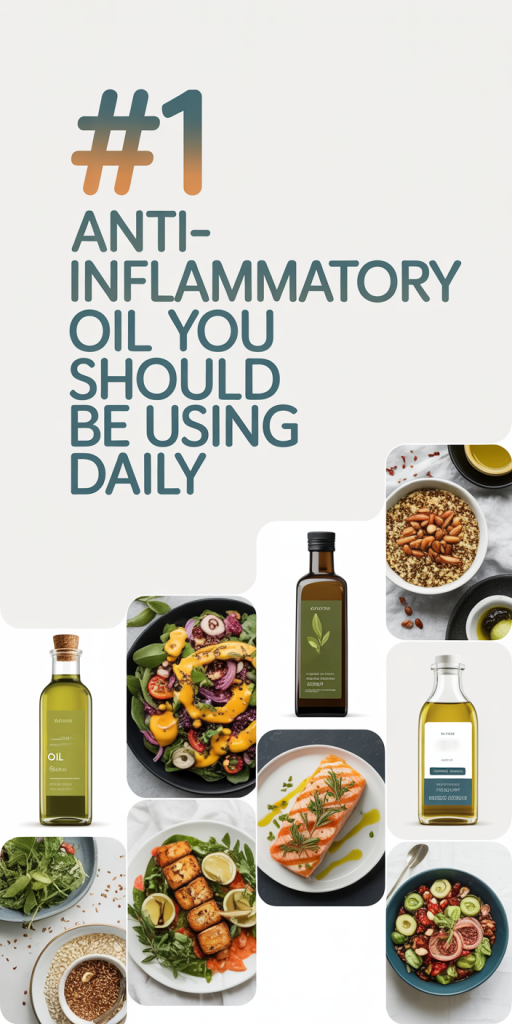
How To Use It Daily
Making EVOO a daily habit doesn’t need to be complicated. Our aim is to preserve the oil’s beneficial compounds while integrating it into meals in ways that boost flavor and adherence. Below are practical strategies we use and recommend for everyday cooking, salads, and finishing touches.
- Replace refined vegetable oils and butter in common use-cases. Use EVOO for dressings, dips, and low-to-medium-heat sautéing. For high-heat searing where smoke point is a concern, opt for light olive oil or blend EVOO with a neutral high-stability oil, but keep the finishing EVOO for flavor and polyphenol delivery.
- Use as a finishing oil. Drizzle EVOO over cooked vegetables, soups, grilled fish, or whole grains right before serving. This preserves volatile phenolics and maximizes sensory enjoyment, which helps us stick with the habit.
- Make simple vinaigrettes and marinades. A basic ratio (3 parts EVOO to 1 part acid) makes a quick dressing: adding garlic, herbs, and mustard increases antioxidant synergy and flavor.
- Incorporate into breakfasts and snacks. Swap butter for EVOO on toast (avocado toast is a natural pairing), mix into yogurt or cottage cheese with herbs, or toss roasted nuts with a light EVOO coating.
- Prioritize early-harvest, high-phenolic EVOOs for raw use. These tend to have more pungency and complexity and deliver the most anti-inflammatory compounds per serving.
We should also be mindful of portion control. A pragmatic daily target for many adults is 1–3 tablespoons of high-quality EVOO, used as a primary fat source in place of less healthy options. That amount balances caloric contribution with likely health benefits observed in trials.
Practical Dosage, Cooking, And Storage Tips
Dosage: Clinical trials that show benefits frequently use roughly 20–40 mL (about 1.5–3 tablespoons) of EVOO per day. In PREDIMED, the supplemental EVOO group received approximately 1 liter per week, equivalent to roughly 2–3 tablespoons daily. For most adults, aiming for about 1–2 tablespoons as a base and up to 3 when replacing saturated fats is reasonable.
Cooking: EVOO has a moderate smoke point (around 375–410°F depending on the oil). It’s well-suited for sautéing, light pan-frying, baking, and roasting at moderate temperatures. For intense high-heat frying at home, we recommend limiting exposure time or using a higher-stability oil for that specific task, then finishing with EVOO.
Storage: Light, heat, and air degrade polyphenols and promote rancidity. Store EVOO in a cool, dark place in a dark glass bottle or stainless steel tin. Avoid keeping it over the stove. Look for harvest dates on the label and aim to use bottles within 3–6 months of opening for peak quality. If possible, buy smaller bottles more frequently rather than one large bottle that sits for months.
Label literacy: Prefer bottles that list harvest year, region, and cultivar when available. Seek third-party certifications (e.g., EVOO quality seals) or lab-tested polyphenol content if you want the highest confidence. Taste matters, peppery, bitter notes indicate higher phenolic content: very mild olive oil is often lower in the compounds we care about.
Combining with other anti-inflammatory foods: EVOO works best as part of an overall anti-inflammatory dietary pattern. Pair it with vegetables, fatty fish (for omega-3s), nuts, legumes, whole grains, and herbs/spices (turmeric, ginger, garlic) to create synergistic effects on inflammation.
Conclusion
We’ve seen why extra virgin olive oil stands out as the top anti-inflammatory oil for daily use: a favorable fatty acid profile, a rich mix of polyphenols including oleocanthal, and consistent evidence linking its consumption to lower inflammation and better cardiometabolic and cognitive outcomes. In 2026, improved testing and clearer labeling make it easier to choose high-phenolic EVOO. Practically, aiming for roughly 1–3 tablespoons daily, used as a replacement for less-healthy fats, stored properly, and enjoyed raw or at moderate heat, lets us harness its benefits without fuss.
If we’re serious about lowering inflammation through diet, EVOO is one of the simplest, tastiest, and most research-backed tools we can adopt. Start with a high-quality bottle, use it regularly, and pair it with a whole-foods diet, and we’ll likely notice both short-term improvements in markers like postprandial glucose and long-term gains for heart and brain health.