1 Anti-Inflammatory Breakfast To Start Your Day Right: The Complete Guide
Inflammation silently shapes our energy, mood, and long-term health. What we eat first thing in the morning can either fan the flames or help tamp them down. In this guide, we show a research-backed, practical breakfast that reduces inflammation while tasting great and fitting real-life mornings. We’ll explain the science behind the ingredients, offer quick prep and make-ahead strategies, and give swaps so the recipe works for vegan, gluten-free, and high-protein needs. Our goal is simple: give you one reliable, #1 anti-inflammatory breakfast you can make today and adapt for decades. Read on, by the time you finish this article you’ll know why this breakfast works, how to make it in under 10 minutes, and how to personalize it without losing the anti-inflammatory benefits.
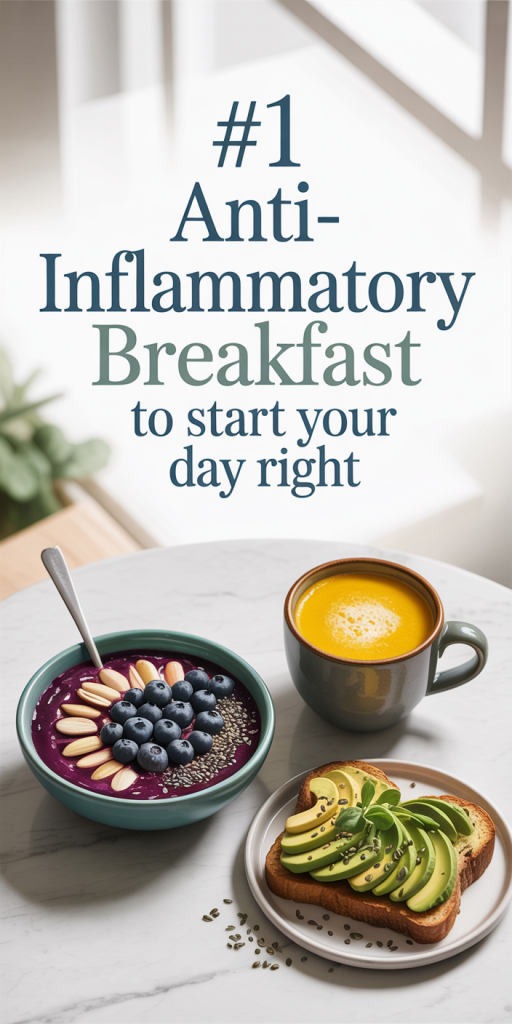
The 1 Anti-Inflammatory Breakfast Recipe You Can Make Today
Here’s the recipe we recommend as the single best anti-inflammatory breakfast for most people, balanced in omega-3s, antioxidants, fiber, and anti-inflammatory botanicals. It’s quick, portable, and adaptable.
Ingredients (serves 1):
- 3/4 cup plain Greek yogurt or unsweetened plant-based yogurt (for dairy-free)
- 2 tablespoons ground flaxseed
- 1 tablespoon chia seeds
- 1/2 cup mixed berries (blueberries + strawberries)
- 1/4 avocado, sliced
- 1 tablespoon walnuts, chopped
- 1 teaspoon extra-virgin olive oil (optional drizzle)
- 1/2 teaspoon ground turmeric + a pinch of black pepper
- 1 teaspoon honey or maple syrup (optional)
- Zest of 1/4 lemon
Assembly (under 6 minutes):
- Stir ground flaxseed into the yogurt, this helps release omega-3 ALA and thickens texture.
- Fold in chia seeds and berries.
- Top with avocado slices, walnuts, turmeric, black pepper, and lemon zest.
- Drizzle olive oil and honey if using.
Why this combination? Greek yogurt (or protein-packed plant alternatives) gives us satiety and favorable effects on gut microbes. Berries, turmeric, walnuts, flax, and olive oil supply the anti-inflammatory compounds we discuss later. The lemon zest brightens flavor and enhances nutrient absorption. This bowl is easy to scale, can be layered into a jar for on-the-go mornings, and remains potent even with small ingredient tweaks.
Quick nutrition snapshot (approximate): 350–420 kcal, 12–18 g protein (higher with dairy yogurt), 10–18 g fiber, plenty of omega-3 ALA, and multiple classes of polyphenols and carotenoids.
Why Morning Nutrition Has Outsized Effects On Inflammation
We often treat breakfast as fuel: it’s also a metabolic signal. The first meal after an overnight fast influences circadian rhythms, hormonal cascades, insulin sensitivity, and even immune cell activity, all of which tie into inflammation.
Several mechanisms explain why morning choices matter. First, eating nutrient-dense foods at breakfast helps blunt postprandial glucose spikes that trigger oxidative stress and inflammatory signaling. Second, timing matters: a consistent, wholesome morning meal helps synchronize peripheral clocks in liver and adipose tissue, reducing chronic low-grade inflammation linked to circadian disruption. Third, breakfast composition shapes the day’s gut microbiome activity, fermentable fibers and polyphenols eaten early promote beneficial short-chain fatty acid (SCFA) production, compounds that regulate immune responses.
Practically, swapping a refined-carb breakfast for one rich in healthy fats, fiber, and antioxidants lowers the cumulative inflammatory exposure across the day. That’s not just theory: population studies and shorter feeding trials repeatedly show better inflammatory markers (CRP, IL-6) in people who maintain nutrient-dense morning meals versus those who routinely skip breakfast or choose sugary, processed options. For us, the takeaway is clear: start the day with food that signals ‘repair and balance’ rather than ‘stress and fluctuation.’ Our recipe is designed to do exactly that.
The Science Behind Anti-Inflammatory Foods: What Research Shows
When we say a food is “anti-inflammatory,” we mean it contains compounds that either reduce pro-inflammatory signaling or promote pathways associated with resolution and repair. Multiple lines of evidence, from cell studies to randomized trials, support the anti-inflammatory effects of certain nutrients and food patterns.
Omega-3 fatty acids (EPA/DHA and plant-based ALA) reduce production of pro-inflammatory eicosanoids and support resolvins, molecules essential for ending inflammation. Clinical trials link higher omega-3 intake with lower CRP and improved outcomes in inflammatory conditions.
Polyphenol-rich foods, berries, tea, olives, and spices, act as antioxidants and modulate inflammatory gene expression. Trials show regular intake improves endothelial function, lowers markers like TNF-alpha, and enhances antioxidant capacity. Fiber matters too: fermentable fibers drive gut bacteria to produce SCFAs (butyrate, propionate) that regulate immune cells and strengthen gut barrier function, limiting systemic inflammation.
Spices such as turmeric (curcumin) and ginger have been evaluated in randomized and observational studies, often showing modest but meaningful reductions in pain and inflammatory biomarkers in arthritis and metabolic syndrome contexts. Importantly, whole-food patterns, like the Mediterranean diet, consistently outperform single nutrients in reducing inflammation, underscoring synergy among foods.
So, evidence supports a multi-component approach: combine omega-3s, polyphenols, fiber, and anti-inflammatory botanicals for additive benefits. That’s the principle behind our recommended breakfast.
Key Ingredients And How They Work
Below we break down the breakfast’s major ingredient groups and explain what each contributes to inflammation control and overall health. Understanding the mechanism helps us make smarter swaps and customizations without losing efficacy.
Omega-3s And Healthy Fats
Omega-3s and monounsaturated fats are central to the anti-inflammatory profile of our breakfast. Ground flaxseed, walnuts, avocado, and olive oil provide ALA and MUFAs that:
- Compete with omega-6 fatty acids in cell membranes, shifting eicosanoid production toward less inflammatory metabolites.
- Serve as precursors for resolvins (especially with long-chain EPA/DHA from fish or algae supplements).
- Improve cell membrane fluidity, which affects receptor signaling tied to immune responses.
We emphasize ground flaxseed (not whole) so ALA is bioavailable. Walnuts add both ALA and polyphenols. Avocado and extra-virgin olive oil supply monounsaturated fats and lipophilic antioxidants that enhance absorption of fat-soluble compounds like curcumin and certain carotenoids. If someone eats fatty fish regularly, they’ll get EPA/DHA, if not, a small algae oil supplement alongside this breakfast can be a potent addition.
Quick Prep, Smart Swaps, And Make-Ahead Tips
We recognize mornings can be rushed: here are practical ways to get the anti-inflammatory bowl ready fast without losing potency.
Prep shortcuts:
- Jar it: Assemble yogurt, flax, chia, and berries in a mason jar the night before. Add avocado and walnuts in the morning to avoid browning.
- Frozen berries: Use frozen berries straight from the freezer, thaw quickly in a microwave for 20–30 seconds or enjoy chilled: they retain polyphenols well.
- Pre-portion seeds and nuts: Store tablespoon portions of flax/chia/walnuts in small containers for grab-and-go convenience.
Smart swaps (no loss in anti-inflammatory quality):
- Dairy-free: Use unsweetened soy or pea-protein yogurt to maintain protein levels.
- Nut-free: Substitute pumpkin seeds for walnuts.
- Low-fat preference: Keep some healthy fat, fat helps absorb polyphenols, so don’t remove avocado entirely: reduce portion instead.
Make-ahead ideas:
- Overnight jars: Combine yogurt, seeds, and berries in jars and refrigerate up to 48 hours. Add delicate toppings right before eating.
- Bulk mixes: Mix ground flax, chia, and powdered collagen or protein in a labeled container to stir into yogurt quickly.
We also recommend a small prep ritual: zest a lemon for several jars at once and freeze the zest in a small airtight bag, fresh brightness without daily effort.
Customizations For Common Diets (Vegan, Gluten-Free, High-Protein)
One of this breakfast’s strengths is flexibility. Here are targeted changes that retain anti-inflammatory power while fitting common dietary patterns.
Vegan:
- Swap Greek yogurt for unsweetened soy, oat, or pea-protein yogurt (choose higher-protein options). Add a scoop of vegan protein powder if needed.
- Ensure adequate DHA/EPA by taking an algae-based omega-3 supplement if fish intake is low.
Gluten-Free:
- Naturally gluten-free, just confirm yogurt and add-ins are labeled gluten-free to avoid cross-contamination (some granolas or spice blends contain gluten).
- If using crunchy gluten-free granola as a topping, choose those with minimal sugar and added seeds/nuts.
High-Protein:
- Use Greek yogurt or a high-protein plant yogurt and add a scoop of neutral-flavored protein powder (whey, pea, or collagen if not vegan). Collagen powders don’t affect inflammation directly but support connective tissue health.
- Increase walnuts to a full tablespoon plus a tablespoon of hemp seeds for extra protein and omega-3s.
Low-Carb/Keto:
- Reduce berries to 1/4 cup and increase avocado and nuts. Use full-fat Greek yogurt or a high-fat coconut yogurt for dairy-free keto options. Keep a small amount of low-glycemic berries for polyphenols.
Allergy considerations:
- Nut allergies: use seeds (pumpkin, hemp) instead of walnuts: maintain flax and chia for omega-3 ALA.
Across all adaptations, keep three priorities: a source of healthy fat (for absorption), fiber for microbiome support, and polyphenol-rich fruit or spice.
Conclusion
We’ve shown a practical, evidence-informed anti-inflammatory breakfast that balances omega-3s, fiber, antioxidants, and botanicals, yet remains fast and adaptable. By consistently choosing meals that reduce post-meal glucose spikes, support the microbiome, and provide bioavailable anti-inflammatory compounds, we lower daily inflammatory burden and support long-term health.
Start with the simple bowl we outlined, tailor it to your diet, and use the make-ahead tips so it becomes effortless. Small morning choices compound, over weeks and months they shift metabolic signaling and immune tone. If you want, we can share a 7-day rotating breakfast plan based on this bowl to keep variety while preserving the anti-inflammatory pattern.