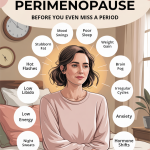
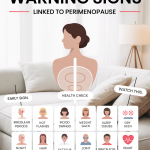
12 Signs You’re Entering Perimenopause (Before You Miss A Period): What To Watch For
Perimenopause can arrive quietly, or with a bang. We often think the transition to menopause begins when periods stop, but many of the most telling changes happen months or years before that final cycle. Spotting the signals early helps us make smarter choices about our health, sleep, relationships, and treatment options.
In this guide we’ll walk through the 12 signs that commonly indicate perimenopause, explain how perimenopause differs from menopause, outline typical timelines and risk factors, and give practical advice on what to track and when to see a clinician. Our goal is to equip you with clear, evidence-informed information for 2026 so you can recognize patterns, ask the right questions, and decide what to do next, before you miss a period.
What Is Perimenopause? A Short, Clear Overview
Perimenopause is the transitional phase before menopause, the time when our ovaries gradually produce less estrogen and progesterone and menstrual cycles become irregular. It isn’t a single symptom but a biochemical and physiological shift that can last several years. On average, perimenopause begins in a woman’s 40s, though it can start earlier or later: the World Health Organization and major medical societies describe it as the period leading up to menopause, which is defined as 12 consecutive months without a menstrual period.
Why does it matter? Hormones like estrogen influence far more than cycles. They affect mood regulation, bone density, cardiovascular health, skin elasticity, sleep architecture, and even cognitive function. During perimenopause, fluctuating hormone levels often produce symptoms that can impact quality of life long before menstruation stops entirely.
Key points to remember:
- It’s a process, not a moment: perimenopause evolves over months or years.
- Symptoms are driven by hormonal fluctuation and eventual decline, not solely by low estrogen.
- Experience varies widely, some of us barely notice changes, while others have disruptive symptoms.
Understanding perimenopause helps us separate normal age-related shifts from treatable conditions. That clarity is the first step toward targeted lifestyle adjustments and appropriate medical care.
How Perimenopause Differs From Menopause And Hormonal Changes To Expect
Perimenopause and menopause are often confused, but they mark different phases. Menopause is a point in time, the day 12 months after our last period. Perimenopause is the lead-up: the roller coaster of irregular cycles and hormone swings. During perimenopause, ovarian follicles become fewer and less responsive to follicle-stimulating hormone (FSH), so estrogen production becomes erratic. As we approach menopause, estrogen tends to decline overall, and FSH levels typically rise.
What hormonal changes should we expect?
- Estrogen: Fluctuates through perimenopause, sometimes surging and sometimes dropping. These swings cause many classic symptoms: hot flashes, night sweats, and mood changes. Over time, estrogen levels trend downward.
- Progesterone: Falls earlier and more consistently, especially if cycles become anovulatory (no ovulation). Lower progesterone can cause heavier or irregular bleeding when cycles do occur.
- FSH and LH: Generally rise as ovarian function declines: elevated FSH is often used as a marker of reduced ovarian reserve, but levels vary day to day and are less reliable during perimenopause.
- Testosterone: May decline gradually with age in some people, which can influence libido and energy but is less central than estrogen/progesterone shifts.
Important nuance: Blood tests taken at random times during perimenopause can be misleading because hormone levels change quickly. Clinicians often prioritize symptom patterns and menstrual history over single hormone measurements. That said, targeted labs, done at the right time and interpreted contextually, can help rule out other causes and guide treatment.
Typical Timeline, Risk Factors, And Who’s Most Likely To Start Early
Typical timeline: Perimenopause most commonly begins in our 40s and lasts about four years on average, though it can range from a few months to a decade. Menopause, the final cessation of periods, usually occurs around age 51 in the U.S., but the variability is wide. When perimenopause starts earlier than expected, we call it early or premature, depending on how young the onset is.
Who’s at higher risk of earlier perimenopause?
- Genetics: If our mother or sisters experienced early menopause, we’re more likely to, too.
- Surgical history: Bilateral oophorectomy (removal of both ovaries) triggers immediate menopause. Hysterectomy without ovary removal can lead to earlier ovarian failure in some cases.
- Medical treatments: Chemotherapy and pelvic radiation can damage ovarian function and cause earlier onset.
- Autoimmune disease: Conditions like thyroid autoimmune disease or primary ovarian insufficiency can accelerate ovarian decline.
- Smoking: Smokers tend to reach menopause earlier by about 1–2 years on average.
- Low body mass and certain metabolic or endocrine disorders: These can affect reproductive hormones and timing.
What should we watch for in timing? Keep a menstrual diary for at least six months if you notice irregularities. Track cycle length, bleeding intensity, spotting, and other symptoms like hot flashes or sleep disruption. If you’re under 40 and experiencing persistent irregular cycles or menopausal symptoms, we should explore premature ovarian insufficiency and other causes with our clinician.
Remember: although there’s a typical window, individual variability is the norm. Timeline data helps set expectations but doesn’t replace personalized evaluation.
Menstrual And Fertility Changes To Notice (Irregular Periods, Spotting, Cycle Length Shifts)
One of the earliest and most noticeable signs of perimenopause is change in menstruation. For many of us it’s the first clue something is shifting.
Common menstrual changes to notice:
- Irregular cycles: Cycle length can shorten or lengthen. We may go from a reliable 28-day rhythm to unpredictable intervals, sometimes shorter (every 21 days), sometimes much longer (over 35 days).
- Skipped periods: Missing a month or two occasionally can happen during perimenopause. Increasing frequency of missed periods suggests progression toward menopause.
- Heavier or lighter bleeding: Fluctuating estrogen and progesterone can cause heavier-than-usual flow on some cycles and very light spotting on others. Heavy bleeding, soaking a pad or tampon every hour for several hours, warrants prompt medical evaluation.
- Spotting between periods: Mid-cycle spotting or prolonged light bleeding isn’t uncommon, but it should be reported to a clinician to rule out polyps, fibroids, infection, or abnormal uterine bleeding.
Implications for fertility:
Perimenopause reduces fertility gradually. Erratic cycles can make ovulation unpredictable, so the chance of conceiving declines even before periods stop. But, pregnancy remains possible during perimenopause until menopause is confirmed. If we’re trying to conceive, it’s wise to consult a fertility specialist earlier rather than assuming reduced fertility means pregnancy is unlikely.
When to investigate further:
- New, very heavy bleeding or bleeding after sex.
- Irregular bleeding accompanied by severe pelvic pain or dizziness.
- Symptoms starting in our 30s or early 40s, especially if family history suggests early menopause.
Keeping a menstrual log, either on paper or with an app, helps both us and our clinician spot patterns and make informed decisions about testing or treatment.
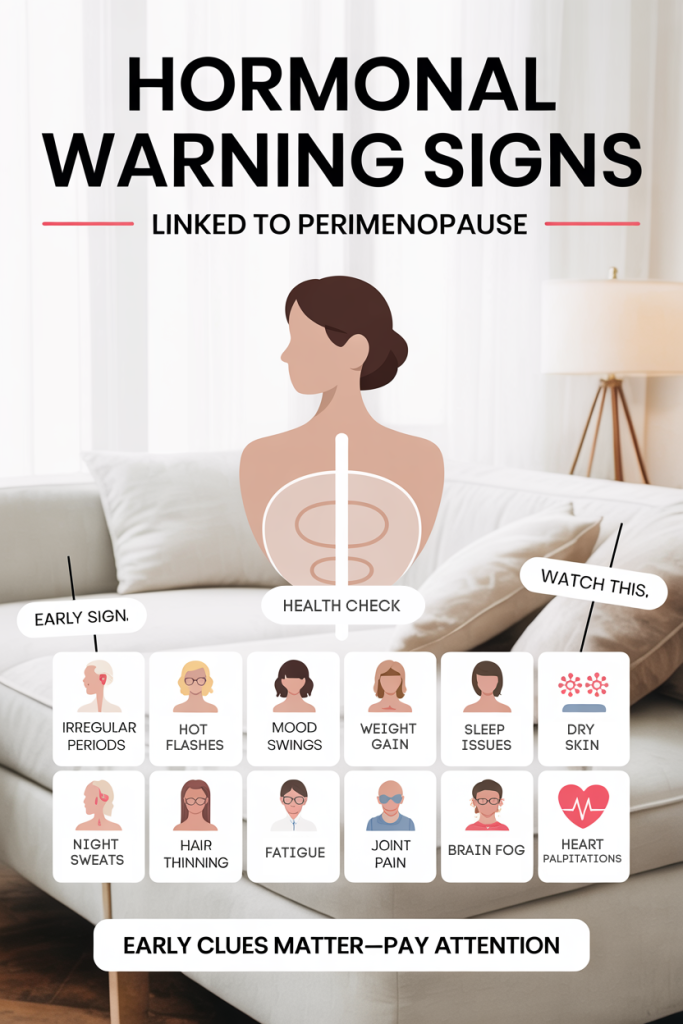
Hot Flashes, Night Sweats, And Sleep Disturbances: When To Connect Symptoms
Hot flashes and night sweats are classic perimenopausal complaints and among the most disruptive. They stem from hypothalamic sensitivity to changing estrogen levels, which affects thermoregulation.
How these symptoms present:
- Hot flashes: Sudden waves of heat (often with flushing and sweating) that can last from 30 seconds to several minutes. Some people have a few episodes a week: others experience dozens a day.
- Night sweats: Hot flashes during sleep leading to drenched bedding, interrupted sleep, and next-day fatigue.
- Sleep disturbances: Beyond night sweats, hormonal shifts can fragment sleep architecture, reducing deep sleep and REM continuity, and contribute to insomnia, early awakenings, and nonrestorative sleep.
When to see a clinician:
- If hot flashes interfere with daily life or work performance.
- If night sweats cause chronic sleep loss and daytime impairment.
- If you have risk factors that complicate hormone therapy decisions (e.g., history of breast cancer, thromboembolic disease, or uncontrolled cardiovascular disease).
Management options we may discuss:
- Lifestyle measures: Layered clothing, cooling pillows, sleep hygiene, avoiding hot drinks and alcohol before bed, and keeping bedroom temperature low.
- Nonhormonal therapies: Certain antidepressants (SSRIs/SNRIs), gabapentin, and clonidine can reduce hot flash frequency for some people.
- Hormone therapy (HT): The most effective treatment for hot flashes is systemic estrogen, often combined with progesterone if the uterus is intact. For appropriate candidates, HT can dramatically reduce hot flashes and improve sleep: but, risks and benefits must be individualized.
We should bring a clear record of symptom frequency and severity to our appointment. Quantifying impact, how many hot flashes per day, how often sleep is broken, helps clinicians tailor treatment and monitor response.
Mood, Cognitive, And Energy Changes (Mood Swings, Anxiety, Brain Fog, Fatigue)
Perimenopause can influence mood, cognition, and overall energy in ways that are often mistaken for purely psychological issues. Hormonal fluctuation affects neurotransmitter systems, serotonin, dopamine, and GABA, so mood swings, anxiety, and low motivation are common.
Mood and mental health changes to watch for:
- Mood swings and irritability: Rapid emotional shifts that feel out of proportion to triggers. These can be short-lived or more sustained.
- Anxiety and panic: New or worsening anxiety can emerge, sometimes related to sleep disturbance and hot flashes.
- Depression: For some people, perimenopause unmasks or exacerbates depressive symptoms. Those with a preexisting mood disorder may notice relapse or increased severity.
Cognitive symptoms:
- Brain fog: Difficulty concentrating, word-finding problems, and short-term memory lapses are frequently reported. These are usually subtle and fluctuate with hormonal cycles.
- Slower processing speed: Tasks that once felt automatic may take longer or require more effort.
Energy and fatigue:
- Chronic fatigue can stem from disrupted sleep, hormonal changes, thyroid dysfunction, or lifestyle factors. It’s important not to attribute every case of fatigue solely to perimenopause, laboratory assessment and evaluation for other causes are appropriate.
When to seek help:
- If mood changes are severe, persistent, or include suicidal ideation, seek immediate care.
- If cognitive symptoms interfere with work or daily functioning, request an assessment.
Treatment approaches:
- Psychological strategies: Cognitive-behavioral therapy (CBT) and mindfulness-based therapies help manage mood swings, anxiety, and insomnia.
- Pharmacologic options: Antidepressants can stabilize mood and reduce hot flashes in some cases.
- Lifestyle: Regular exercise, balanced sleep, stress management, and limiting alcohol/caffeine often reduce symptom burden.
We should view mood and cognitive changes through a biopsychosocial lens, hormones matter, but so do sleep, stress, and social support. A combined approach tends to work best.
Sexual, Urinary, And Other Physical Signs (Libido, Vaginal Dryness, Weight, Skin/Hair)
Perimenopause affects several physical systems that influence sexual function, urogenital health, body composition, and appearance. These changes can be distressing but are often manageable with targeted interventions.
Sexual and urogenital changes:
- Libido shifts: Some of us feel less interest in sex: others notice little change or even increased interest during specific phases. Declining estrogen and possible changes in testosterone can influence desire.
- Vaginal dryness and discomfort: Reduced estrogen thins vaginal tissues and decreases natural lubrication. This can cause dyspareunia (painful intercourse), itching, or recurrent urinary symptoms.
- Urinary frequency and urgency: Thinning of the urethral and bladder tissues can increase susceptibility to urinary tract infections and urge incontinence.
Body composition and external signs:
- Weight and fat distribution: Many people notice weight gain around the midsection as metabolism and muscle mass change with age. Hormonal shifts can make weight loss harder but not impossible.
- Skin and hair: Decreased estrogen can reduce skin elasticity, increase dryness, and contribute to thinning hair or changes in hair texture.
- Musculoskeletal changes: Some people experience joint stiffness or new aches tied partly to hormonal influence on connective tissue and inflammation.
Practical solutions:
- Vaginal moisturizers and water-soluble lubricants for dryness and pain during sex.
- Local vaginal estrogen (creams, rings, or tablets) can restore tissue health with minimal systemic absorption, often recommended for urogenital symptoms when systemic hormone therapy isn’t appropriate.
- Pelvic floor physical therapy for urinary symptoms and sexual pain.
- Lifestyle: Strength training to preserve muscle mass and metabolic health: nutrient-dense diet and sleep: dermatologic care for skin and hair changes.
Open communication with sexual partners and clinicians helps normalize these shifts and opens pathways to solutions. There’s no need to silently endure symptoms that have effective treatments.
When To See A Doctor And Treatment Options
Knowing when to see a clinician helps ensure we don’t miss treatable conditions or delay helpful interventions.
See a doctor if you experience:
- Very heavy bleeding, bleeding after sex, or bleeding between cycles.
- New or worsening hot flashes that disrupt daily life or sleep.
- Significant mood changes, anxiety, or suicidal thoughts.
- Persistent pelvic pain, recurrent urinary infections, or troubling sexual pain.
- Symptoms beginning early (under 40) or with family history of early menopause.
Treatment options to discuss:
- Hormone Therapy (HT): Systemic estrogen (with progesterone if the uterus is intact) is the most effective treatment for vasomotor symptoms and can protect bone density. HT benefits often outweigh risks for healthy, symptomatic people under about age 60: individual risk factors must be assessed.
- Local Vaginal Estrogen: For isolated urogenital symptoms, local estrogen improves dryness and urinary symptoms with minimal systemic exposure.
- Nonhormonal medications: SSRIs/SNRIs, gabapentin, and clonidine can reduce hot flashes. Antidepressants and anxiolytics may treat mood symptoms.
- Complementary approaches: Cognitive-behavioral therapy for insomnia (CBT-I), mindfulness, acupuncture (some evidence), and structured exercise programs help symptom clusters.
- Preventive care: Bone density assessment, cardiovascular risk screening, and management of metabolic risks become important as estrogen declines.
Shared decision-making: The best approach depends on symptom severity, medical history, personal preferences, and safety considerations. We should expect a conversation about benefits, risks, and alternatives rather than a single prescribed pathway.
Tests And Tracking To Bring To Your Appointment
Coming prepared to a clinical visit improves the quality of care. Here are practical tests and tracking items to gather beforehand.
What to track:
- Menstrual diary: Record cycle lengths, dates, bleeding intensity (light, normal, heavy), and spotting.
- Symptom log: Note frequency and severity of hot flashes, night sweats, sleep quality, mood changes, cognitive lapses, and sexual/urinary symptoms. Use a simple 0–10 scale to quantify severity.
- Medication and supplement list: Include doses and durations, some supplements interact with treatments or affect symptoms.
Useful tests clinicians may order:
- Pregnancy test: If pregnancy is possible, this is the first necessary check.
- Thyroid function tests (TSH, free T4): Thyroid disease can mimic or worsen perimenopausal symptoms.
- Complete blood count (CBC): To evaluate for anemia if heavy bleeding is present.
- Hormone tests: Follicle-stimulating hormone (FSH) and estradiol can be considered, but their interpretation during perimenopause is limited due to fluctuation. Anti-Mullerian hormone (AMH) is not routinely used to diagnose perimenopause but may inform ovarian reserve in fertility contexts.
- Pelvic ultrasound or endometrial sampling: Indicated if abnormal uterine bleeding suggests structural causes (fibroids, polyps) or if age-appropriate cancer screening is needed.
- Bone density scan (DXA): Recommended based on age, risk factors, and when estrogen decline suggests bone loss risk.
Bring your logs and any questions. If you’re considering hormone therapy, be ready to discuss personal and family medical history that affects risk, including breast cancer, cardiovascular disease, stroke, and clotting disorders.
Conclusion
Recognizing the 12 signs of perimenopause early gives us an advantage: we can track changes, address troublesome symptoms, and make informed choices about treatment and prevention long before periods cease. Perimenopause is highly individual, some of us breeze through it, others need targeted therapies to maintain quality of life.
Our best strategy is proactive: keep a symptom and cycle log, reach out to our clinician when changes interfere with daily life, and weigh the full range of hormonal and nonhormonal options. With clear information and shared decision-making, we can manage this transition thoughtfully and confidently, so the next phase of life feels intentional rather than surprising.