The Top 10 Healthiest Superfoods Backed by Science: What To Eat for Longevity and Vitality
We hear “superfood” everywhere, on grocery shelves, in wellness newsletters, and in our social feeds. But which foods truly deserve the label? In this guide we cut through the marketing noise and present the top 10 healthiest superfoods backed by solid science. Our focus is practical: nutrients that matter for longevity and vitality, the strongest study findings, and simple ways to add these foods to our daily lives. Whether you’re aiming to support heart health, reduce inflammation, or sharpen cognitive function, the items below offer measurable benefits when eaten regularly as part of a balanced diet. Read on for the what, why, how much, and easy ways to eat these powerhouse foods in 2026.
Why These Superfoods Matter: Criteria, Proven Benefits, And How Science Defines “Superfood”
“Superfood” is a convenient shorthand, not a clinical term. For our selection, we used clear criteria: high nutrient density per calorie, robust clinical or epidemiological evidence for at least one major health outcome (cardiovascular disease, cognitive decline, metabolic health, or cancer risk reduction), and practical accessibility in most regions. We prioritized whole foods over extracts or supplements because real-food matrices modify absorption and effects.
Key scientific markers we considered
- Nutrient density: concentrated vitamins, minerals, antioxidants, fiber, or omega-3s per typical serving.
- Clinical endpoints: randomized trials, prospective cohort studies, or meta-analyses showing improvements in disease risk or biomarkers (e.g., LDL cholesterol, HbA1c, blood pressure, inflammatory markers).
- Bioactive compounds: polyphenols, carotenoids, organosulfur compounds, and long-chain omega-3 fatty acids, compounds repeatedly linked to health benefits.
Why focusing on these foods matters for longevity and vitality
Eating nutrient-dense whole foods repeatedly over years shifts our risk profile. For example, diets rich in leafy greens and berries correlate with slower cognitive decline in large cohort studies: oily fish consumption correlates with lower cardiovascular mortality: and high-fiber whole grains reduce type 2 diabetes risk. These aren’t quick fixes, these are foods that, when part of habitual patterns, produce measurable physiological benefits.
How to interpret the evidence
We’re careful not to oversell: a single food won’t guarantee health. Instead, each superfood contributes unique nutrients or bioactives that complement a varied diet. We’ll highlight the strongest study types (RCTs or meta-analyses where available), and give practical serving guidance so you can convert evidence into daily meals without overcomplicating life.
The Top 5 Superfoods (1–5): Nutrients, Key Studies, And Practical Serving Tips
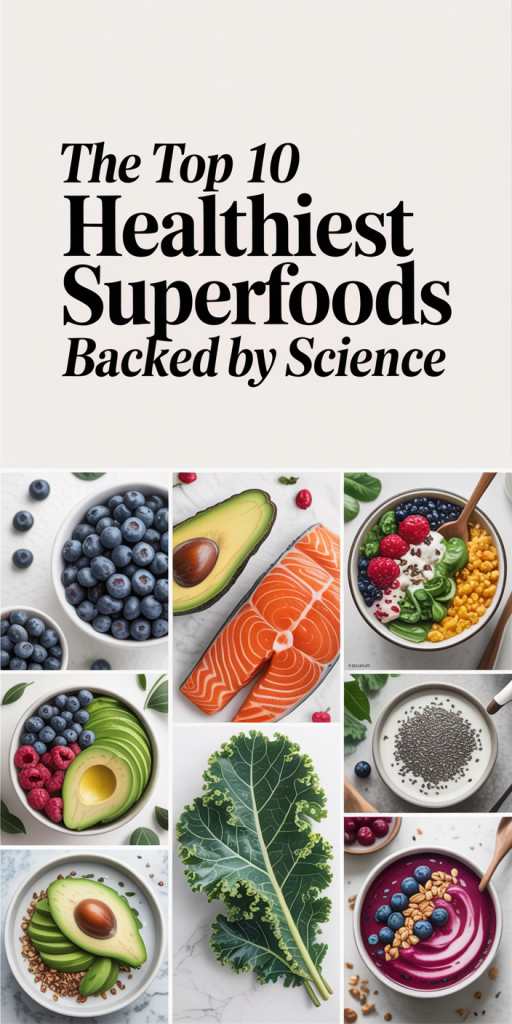
- Fatty fish (wild salmon, mackerel, sardines)
Why it’s a superfood: Rich in EPA and DHA (long-chain omega-3s), vitamin D, and high-quality protein. Multiple large meta-analyses link higher fish consumption with reduced risk of heart disease, lower triglycerides, and modestly lower all-cause mortality. Randomized trials show fish oil lowers triglycerides and can reduce inflammatory markers.
Serving tip: Aim for 2 servings (about 150 g / 5 oz each) per week. For convenience, we keep canned sardines or salmon in the pantry, they’re nutrient-dense and shelf-stable.
- Berries (especially blueberries, strawberries)
Why it’s a superfood: Berries are concentrated sources of anthocyanins and other polyphenols tied to antioxidant and anti-inflammatory effects. Cohort studies show regular berry intake is associated with slower cognitive decline, and trials report improvements in vascular function and insulin sensitivity with daily berry servings.
Serving tip: 1 cup (150 g) daily, add to oatmeal, smoothies, or yogurt. Frozen berries retain most of their nutrients and are a cost-effective option.
- Leafy greens (spinach, kale, Swiss chard)
Why it’s a superfood: Exceptional in folate, vitamin K, magnesium, lutein, and nitrates (especially in raw or lightly cooked forms). Prospective studies link frequent leafy-green consumption with lower rates of cardiovascular disease and slower cognitive aging.
Serving tip: Shoot for at least 1–2 cups of raw greens daily. Wilt them into eggs, soups, or grain bowls to increase intake without extra prep time.
- Nuts (walnuts, almonds)
Why it’s a superfood: Nuts provide unsaturated fats, fiber, vitamin E, and plant protein. Large prospective cohorts and RCTs show nut consumption is associated with reduced coronary heart disease and all-cause mortality. Walnuts, in particular, are high in ALA (a plant omega-3) and may support brain health.
Serving tip: Keep portions to a small handful (about 1 oz / 28 g) per day to balance calories. Add to salads, yogurt, or as a snack.
- Legumes (lentils, chickpeas, beans)
Why it’s a superfood: High in fiber, resistant starch, plant protein, and micronutrients. Meta-analyses link higher legume intake with improved glycemic control, lower LDL cholesterol, and reduced cardiovascular risk. They also support satiety and weight management.
Serving tip: Aim for 3–4 servings per week, about ½ cup cooked per serving. Swap legumes for meat in one or two meals weekly (e.g., lentil Bolognese or chickpea curry) to reap benefits.
The Next 5 Superfoods (6–10): What Makes Them Special And Evidence-Based Uses
- Cruciferous vegetables (broccoli, Brussels sprouts, cauliflower)
Why it’s a superfood: Rich in glucosinolates which metabolize into isothiocyanates, compounds that activate cellular detox pathways and show anti-cancer activity in lab and epidemiological studies. Regular consumption correlates with lower risk of several cancers, and these veggies provide fiber plus vitamin C and K.
Serving tip: Eat 3–4 times per week. Light steaming preserves beneficial compounds while improving digestibility.
- Fermented foods (yogurt, kefir, sauerkraut)
Why it’s a superfood: Fermented foods supply live microbes and bioactive metabolites that support gut health. Randomized trials demonstrate that probiotic-containing yogurts can improve lactose tolerance, modestly reduce diarrhea risk, and support some immune outcomes. Emerging research links diverse fermented-food intake with lower markers of systemic inflammation.
Serving tip: Choose plain, live-culture yogurt or kefir (about ¾–1 cup daily) to avoid excess sugar. Include fermented vegetables as condiments.
- Whole grains (oats, quinoa, barley)
Why it’s a superfood: Whole grains deliver fiber, B vitamins, magnesium, and beneficial phytochemicals. Large prospective studies show whole-grain intake reduces type 2 diabetes, cardiovascular disease, and mortality risk. Oats, specifically, contain beta-glucan which lowers LDL cholesterol in randomized trials.
Serving tip: Replace refined grains with whole-grain alternatives, 1–2 servings (e.g., ½ cup cooked oats) daily helps achieve protective effects.
- Seeds (chia, flax, hemp)
Why it’s a superfood: Seeds are compact sources of fiber, plant omega-3s (ALA), lignans (notably in flax), and minerals. Clinical studies show flaxseed can lower blood pressure and LDL cholesterol modestly: chia supports satiety and improved postprandial glucose responses.
Serving tip: A tablespoon or two of ground flax or chia daily is a practical habit, sprinkle on yogurt or mix into smoothies.
- Green tea
Why it’s a superfood: Green tea delivers catechins (especially EGCG), which have antioxidant, metabolic, and vascular benefits. Meta-analyses find habitual green tea consumption associated with reduced cardiovascular mortality and modest weight management benefits: trials show improvements in lipid profiles and endothelial function.
Serving tip: 2–4 cups daily (unsweetened) is common in trials. If caffeine is a concern, opt for decaffeinated varieties later in the day.
How To Add These Superfoods To Your Daily Diet: Easy Recipes, Pairings, And Serving Sizes
We want these foods to be practical, not another shopping list that intimidates. Below are simple, time-friendly ways to integrate the 10 superfoods into weekly routines.
Breakfast ideas
- Berry-oat bowl: ½ cup cooked oats (whole grain) + 1 cup mixed berries + 1 tbsp ground flaxseed + a handful of chopped walnuts. Add yogurt or kefir for probiotics.
- Green tea + omelet: Brew 1 cup green tea and pair with a spinach-and-mushroom omelet (1–2 cups greens). Quick, nutrient-packed start.
Lunch and dinner swaps
- Sardine or salmon salad: 1 can wild salmon/sardines over 2 cups mixed leafy greens with chickpeas (½ cup) and a drizzle of olive oil. Balanced omega-3s, fiber, and protein.
- Lentil-Bowl: 1 cup cooked lentils, roasted cruciferous veg (1 cup), 1 tbsp hemp seeds, and a dollop of plain kefir or yogurt. Hearty, inexpensive, stable blood sugar.
Smart snacks and condiments
- Yogurt + berries + chia: ¾ cup plain yogurt + ½ cup berries + 1 tbsp chia seeds. Probiotics, polyphenols, fiber.
- Nut packs: Pre-portion 1-oz bags of mixed nuts (almonds, walnuts) to avoid overeating.
Meal-prep strategies
- Batch-cook legumes and grains at the start of the week.
- Keep frozen berries and pre-washed greens on hand.
- Use canned oily fish for instant protein and omega-3s.
Portion guidance at a glance
- Fatty fish: ~150 g (5 oz) per serving, twice weekly.
- Berries: ~1 cup daily.
- Leafy greens: 1–2 cups raw daily.
- Nuts: 1 oz (28 g) daily.
- Legumes: ½ cup cooked per serving, 3–4x weekly.
- Cruciferous veg: 1 cup cooked, several times a week.
- Fermented foods: ¾–1 cup yogurt/kefir daily or a few tablespoons of fermented veg.
- Whole grains: 1–2 servings daily (½ cup cooked per serving typical).
- Seeds: 1–2 tbsp daily.
- Green tea: 2–4 cups daily.
We find that combining foods improves absorption, for instance, vitamin C from berries or citrus enhances iron uptake from legumes and leafy greens. Pairing nuts or fatty fish with leafy salads boosts satiety and delivers complementary fats for fat-soluble vitamin absorption.
Potential Risks, Interactions, And Who Should Be Cautious
While these superfoods are broadly beneficial, certain populations and situations call for caution.
Allergies and intolerances
- Nuts and seeds: Tree-nut and seed allergies can be severe. We don’t recommend experimenting with high amounts if you have any history of allergic reactions.
- Dairy fermentation: Those with cow’s-milk protein allergy should avoid yogurt/kefir made from dairy, plant-fermented alternatives may offer different, but not identical, benefits.
Medication interactions
- Green tea and anticoagulants: High green tea intake can influence warfarin metabolism in some people: those on anticoagulants should consult their clinician before increasing green tea.
- Fish oil and blood thinners: High-dose fish oil supplements may increase bleeding risk when combined with anticoagulants, food-based fish intake at dietary levels is generally safe, but high supplemental doses require medical review.
Nutrient-specific cautions
- Oxalates and kidney stones: Spinach and some leafy greens are high in oxalates: individuals with a history of calcium oxalate kidney stones should moderate high-oxalate foods and increase calcium intake with meals to reduce absorption.
- Iodine and seaweed (if used as an add-on): Some fermented foods or sea vegetables can be high in iodine, people with thyroid disorders should monitor intake.
Caloric balance and weight management
Nuts and seeds are calorie-dense. We recommend portion control (1 oz) to gain benefits without exceeding daily caloric needs. Similarly, whole grains and legumes add calories, consider portion size in the context of total energy balance.
Quality and contamination risks
- Fish mercury: Choose smaller oily fish (sardines, mackerel) or sustainably-sourced salmon to reduce mercury exposure.
- Fermented products: Opt for proven, safe producers for raw fermented products: improperly fermented foods can harbor harmful microbes.
Special populations
- Pregnant and breastfeeding people: Many superfoods are beneficial (leafy greens, legumes, fatty fish low in mercury) but pregnant people should follow specific guidance on fish choices and avoid unpasteurized fermented dairy.
- Immunocompromised individuals: High-risk people should consult their care team before consuming raw or unpasteurized fermented foods.
If in doubt, we recommend consulting a registered dietitian or physician, especially for those on medication, with chronic conditions, or with special dietary needs.
Conclusion
These top 10 superfoods aren’t magic bullets, but they’re reliable building blocks for a longevity-focused eating pattern. By emphasizing fatty fish, berries, leafy greens, nuts, legumes, cruciferous vegetables, fermented foods, whole grains, seeds, and green tea, we stack our diet with nutrients shown to support heart health, metabolic control, cognitive resilience, and reduced inflammation. Practicality matters: small, consistent choices, an extra cup of greens, a daily spoonful of ground flax, two fish meals per week, compound over time. Start by adding one or two items from this list to your weekly routine and scale up: over months and years, that’s where vitality and longevity take root.