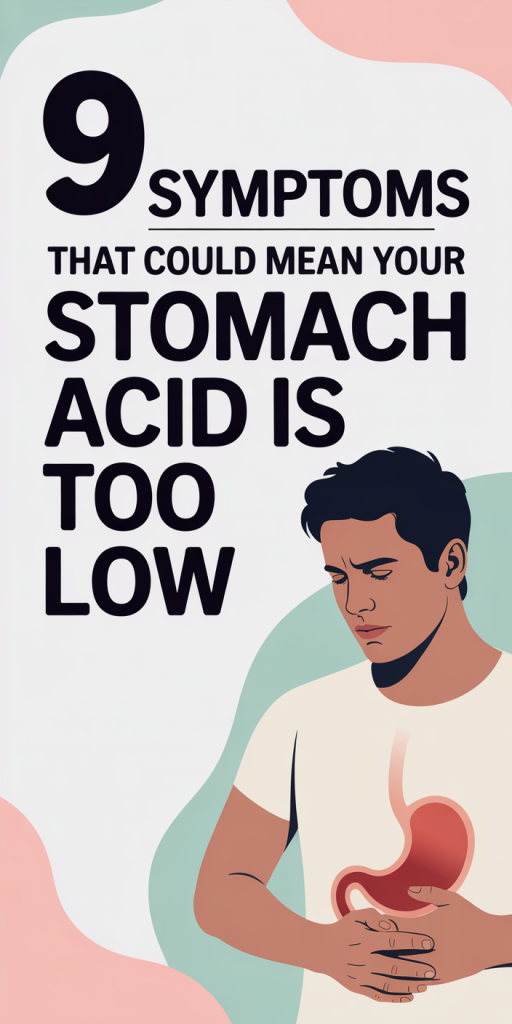
9 Signs Your Stomach Acid Might Be Too Low (How To Spot It And What To Do In 2026)
Stomach acid gets a bad rap. We tend to blame high acid for heartburn and reflux, but low stomach acid, hypochlorhydria, is surprisingly common and often overlooked. When acid levels are too low, the body can’t break down food efficiently, absorb key nutrients, or keep gut microbes in check. That leads to a cascade of symptoms that many people chalk up to stress, aging, or “bad digestion.”
In this text we’ll walk through nine common signs that could mean your stomach acid is too low, explain the physiology behind each symptom, and offer practical next steps for testing and gentle support. Whether you’re trying to solve chronic bloating, unexplained fatigue, or recurring infections, understanding the role of stomach acid is a useful piece of the puzzle. We’ll keep recommendations evidence-informed and clinically sensible, no fads, just clear actions you can discuss with your clinician.
Bloating, Fullness, Or Feeling Overstuffed After Meals
One of the first things people notice when their stomach acid is low is that they feel uncomfortably full after meals, even when they haven’t overeaten. We digest food less efficiently when gastric acid is insufficient, so larger particles of protein and complex carbohydrates linger in the stomach longer. That delays gastric emptying, triggers distension, and creates that heavy, bloated sensation.
Mechanistically, hydrochloric acid (HCl) helps denature proteins and activate pepsin, the enzyme that begins protein digestion. When acid falls short, proteins remain more intact, and the stomach’s motor function can slow. That sets the stage for fermentation by bacteria higher in the GI tract and production of gas, which only worsens the feeling of fullness.
Patterns that suggest low acid rather than another cause: bloating occurs predictably after a variety of meals (not just high-fat ones), the sensation comes on within 20–60 minutes after eating, and it doesn’t reliably improve with common antacids. We should also consider medication history, long-term use of proton pump inhibitors (PPIs) or H2 blockers can lead to reduced acid production over time and mirror these symptoms.
What to try: eat slower, chew more thoroughly, and test whether a small amount of apple cider vinegar or diluted lemon before a meal eases fullness (done cautiously and only if acid reflux hasn’t been dangerous for you). These simple steps can improve mechanical breakdown of food and sometimes yield quick, practical improvements while we explore formal testing or medical guidance.
Frequent Heartburn Or Acid Reflux Despite Low Acid Being The Cause
It seems paradoxical: heartburn and reflux are often assumed to mean too much stomach acid, but low stomach acid can produce the same symptoms. When the lower esophageal sphincter (LES) senses insufficient acidity, it may not close properly: undigested food and gas create pressure that pushes stomach contents upward, irritating the esophagus and triggering that burning sensation.
We need to separate symptom from mechanism. True acid-related damage (like Barrett’s esophagus) requires acid exposure, but many people with a burning sensation have nonerosive reflux or functional heartburn related to motility and fermentation rather than caustic acid. In those cases, reducing acid aggressively with PPIs can temporarily mask symptoms while allowing the underlying low-acid problem and bacterial imbalance to persist.
Clues that heartburn might coexist with low acid include symptoms that are worse after protein-rich meals, a feeling of incomplete swallowing or a lump in the throat, and poor response to long-term antacids. Also, if heartburn is accompanied by bloating, belching, or early satiety, suspect hypochlorhydria.
Clinical approach: before attempting to increase acid, rule out dangerous conditions with your clinician (alarm features like weight loss, GI bleeding, persistent vomiting, or difficulty swallowing need evaluation). If those are absent, a measured trial under supervision, for example, lifestyle measures, gastric-acid testing, or guided betaine HCl use, can help clarify the cause without reflexively suppressing acid further.
Excessive Gas And Belching Soon After Eating
If you notice frequent belching or loud gas soon after meals, not many hours later, this can point to inadequate stomach acid. When carbohydrates and proteins aren’t adequately broken down in the stomach, they reach the small intestine in a more fermentable state. Resident bacteria then feast on those substrates and produce hydrogen, methane, or carbon dioxide, leading to bloating, belching, and flatulence.
Timing matters: gas produced in the colon tends to appear later, hours after eating. Gas and belching that start within 30–90 minutes after meals implicate the stomach or proximal small intestine. That’s also a pattern we see with small intestinal bacterial overgrowth (SIBO), which is often linked with low gastric acidity because acid normally acts as a barrier to bacterial colonization of the small intestine.
Practical strategies to try include slowing your eating, avoiding carbonated beverages at meals, and identifying trigger foods that accelerate fermentation (like high-FODMAP items). We should be cautious with self-treatment: indiscriminate use of probiotics or antibiotics can shift the microbiome unpredictably. Instead, consider working with a clinician to test for SIBO if symptoms are persistent or severe, and discuss whether measures to support gastric acidity are appropriate.
Undigested Food In Stool Or Persistent Indigestion
Seeing large, recognizable bits of food in the stool or experiencing ongoing indigestion suggests that digestion is incomplete somewhere along the GI tract. While pancreatic insufficiency and rapid transit can cause similar findings, low stomach acid is a frequent, underappreciated contributor.
Remember that the stomach’s job is to mechanically and chemically break food down into a chyme that the small intestine can handle. When acid is insufficient, proteins are poorly denatured and plant fibers are less disrupted, so larger particles pass downstream. This not only reduces nutrient availability but may also promote irritation and microbial imbalance in the small intestine.
We should also think about stool quality: greasy, foul-smelling stools can indicate fat malabsorption, whereas visible food fragments without greasy characteristics more often point to inadequate mechanical/chemical digestion upstream. If undigested beans, corn, or vegetable pieces appear regularly, improving chewing and addressing stomach acid are low-risk first steps.
Testing and next steps: we recommend checking with a clinician for stool studies if malabsorption is suspected. At the same time, evaluate medications and conditions that reduce acid, improve chewing habits, and consider supervised trials to support gastric acidity. These steps often improve both stool appearance and the persistent sense of indigestion.
Nutrient Deficiencies — Especially B12, Iron, Calcium, And Zinc
Low stomach acid interferes with the absorption of several micronutrients. Vitamin B12 needs gastric acid and intrinsic factor for release from food proteins and subsequent absorption in the terminal ileum. Iron absorption (non-heme iron in particular) is enhanced by an acidic gastric environment that reduces iron to its more absorbable ferrous form. Calcium and zinc absorption are also pH-sensitive to varying degrees.
Clinically, we see patients with unexplained B12 deficiency, iron-deficiency anemia, or low zinc levels who have histories of long-term acid-suppressing medication use or symptoms consistent with hypochlorhydria. Symptoms of these deficiencies, fatigue, neuropathy, hair thinning, brittle nails, or recurrent infections, often prompt nutrient testing that then points back to poor gastric function.
When we suspect nutrient malabsorption, targeted blood tests are the sensible first step (serum B12, methylmalonic acid when needed, ferritin/iron studies, calcium, and zinc). If deficiencies are confirmed, supplementation is appropriate while we address the digestive cause. Repleting nutrients without fixing absorption is only a temporary fix: supporting gastric acid can improve long-term absorption and reduce the need for chronic high-dose supplementation.
Coordinate care: because some supplements (like iron) can irritate the stomach, it’s best to plan replacement alongside a digestive strategy and medical oversight rather than self-prescribing high-dose minerals.
Recurrent Infections, Poor Wound Healing, Or Reduced Immunity
Gastric acid is one of the body’s frontline defenses against ingested pathogens. Low acid weakens that barrier, allowing more bacteria and other microbes to survive passage through the stomach and potentially colonize the small intestine. Over time, this increases the risk of recurrent GI infections, and may also contribute to systemic immune activation or dysregulation.
We often see a pattern: people with chronic low acid may report frequent foodborne illnesses, more sinus or ear infections, or slower wound healing. While many factors influence immunity, nutrition, sleep, stress, and chronic disease, gastric acidity plays a specific role in preventing bacterial overgrowth in the upper gut. Reduced acid can hence indirectly affect immune competence by altering the microbiome and nutrient absorption (think zinc and vitamin C, both important for wound healing).
If recurrent infections are part of the picture, we recommend a holistic assessment: evaluate nutrient status, medication exposures (especially long-term PPIs), and gut symptoms that suggest bacterial overgrowth. Addressing gastric acidity where appropriate, improving nutrition, and treating any identified infections are combined tactics that usually yield better outcomes than focusing on one single fix.
New Or Worsening Food Sensitivities And Allergies
An increase in food sensitivities or allergic-type reactions can sometimes be traced back to poor protein digestion due to low stomach acid. When proteins aren’t fully broken down in the stomach, larger peptide fragments can cross the intestinal barrier and interact with the immune system in ways that increase sensitization.
We’re not saying every food sensitivity stems from hypochlorhydria, but it’s a mechanism worth considering, especially when sensitivities develop later in life without an obvious trigger. For example, a person who can tolerate dairy and eggs for decades but suddenly reacts after years of PPI use or recurrent GI illness may be experiencing immune changes related to altered digestion and microbiome shifts.
Clinical clues include symptoms like hives, eczema flares, loose stools, or a sense of general intolerance after meals. Elimination diets can help identify offending foods, but instead of permanently restricting large food groups, we prefer to treat underlying digestive function and then reassess tolerance. Improving gastric acidity and digestive efficiency sometimes allows reintroduction of previously problematic foods under supervision.
Work with an allergist or gastroenterologist for significant or systemic allergic reactions. For milder sensitivities, a combined approach of dietary strategy and digestive support often gives the best balance between safety and quality of life.
Chronic Fatigue, Brain Fog, Or Low Energy After Meals
Feeling wiped out or foggy after eating is a frustrating and common complaint. Low stomach acid contributes to this by impairing nutrient breakdown and absorption, particularly of iron and B12, which are critical for energy and neurologic function. Inadequate protein digestion may also lead to slower gut transit and low-level inflammation, both of which can sap energy.
We see postprandial fatigue occur when meals are high in refined carbohydrates and low in balanced protein and fat, but even properly composed meals can leave someone exhausted if digestion is ineffective. When nutrient absorption is compromised, cellular metabolism is less efficient: mitochondria don’t get the cofactors they need, and neurotransmitter synthesis (which depends on amino acids and B vitamins) is affected.
Practical steps: first, look at meal composition and pacing, smaller, balanced meals that include protein and healthy fats often reduce post-meal crashes. Next, screen for nutrient deficiencies: correcting B12 or iron deficiency can yield dramatic improvements in energy and cognition. Finally, consider evaluating gastric acid function if other digestive symptoms accompany the fatigue. When we tackle digestion and nutrients together, patients frequently report clearer thinking and steadier energy throughout the day.
Signs Of Bacterial Overgrowth (SIBO) — Diarrhea, Constipation, Or Unstable Bowel Habits
SIBO, small intestinal bacterial overgrowth, presents with a range of bowel habit disturbances, from chronic diarrhea to constipation or alternating patterns. Low stomach acid is a major risk factor because acid normally limits the number and types of microbes that reach the small intestine. When acid is low, bacteria that belong in the colon can colonize more proximal gut segments and interfere with digestion and motility.
Typical SIBO symptoms include bloating that worsens after carbohydrate-rich meals, discomfort that improves with bowel movements, and gas-related symptoms that are disproportionate to diet. Because SIBO can disrupt bile acid metabolism and nutrient absorption, patients may also experience fatigue, weight changes, or micronutrient deficiencies.
Diagnosis is ideally based on breath testing (lactulose or glucose breath tests) interpreted in the context of symptoms, though clinical judgment matters. Treatment may involve targeted antibiotics or herbal antimicrobials, prokinetic strategies to improve gut motility, dietary adjustments, and, importantly, addressing underlying causes such as low gastric acidity or motility disorders.
We recommend a coordinated plan with a gastroenterologist or an experienced clinician: treating SIBO without fixing the factors that allowed it to arise often leads to recurrence. Strengthening gastric acid when appropriate is one of those upstream fixes that reduces relapse risk.
Conclusion: When To Test, How To Support Stomach Acid Safely, And Next Steps
Low stomach acid is common, underdiagnosed, and treatable, but the path forward should be measured. We recommend testing when multiple signs from this list appear together, symptoms are persistent, or nutrient deficiencies show up on labs. Noninvasive options include gastric pH testing in specialized centers or clinical evaluations that consider history, medication exposures, and lab markers (B12, ferritin, iron studies, magnesium, zinc).
If testing isn’t immediately available, practical, low-risk steps include improving chewing, eating smaller meals, avoiding consuming large quantities of liquids with meals, and reviewing medications with your clinician, particularly long-term PPIs or H2 blockers. Some patients benefit from supervised trials of betaine HCl or digestive enzymes, but these should be guided by a clinician because they aren’t appropriate for everyone (for example, they’re contraindicated if there’s an active peptic ulcer or serious erosive disease).
When nutrient deficiencies are present, we replace them appropriately while addressing absorption. If SIBO or recurrent infections are suspected, coordinated treatment and follow-up reduce relapse. Finally, maintain realistic expectations: restoring digestive resilience often takes weeks to months, and layered interventions, nutrition, microbiome support, motility, and acid balance, usually work best together.
If you recognize several of these signs in yourself, document your symptoms, bring this list to your clinician, and ask about targeted testing. With thoughtful evaluation and stepwise care, we can often restore digestion, improve nutrient status, and reduce the very symptoms that brought you here.