
9 Signs You’re Chronically Stressed: How To Spot Them Early And Regain Control In 2026
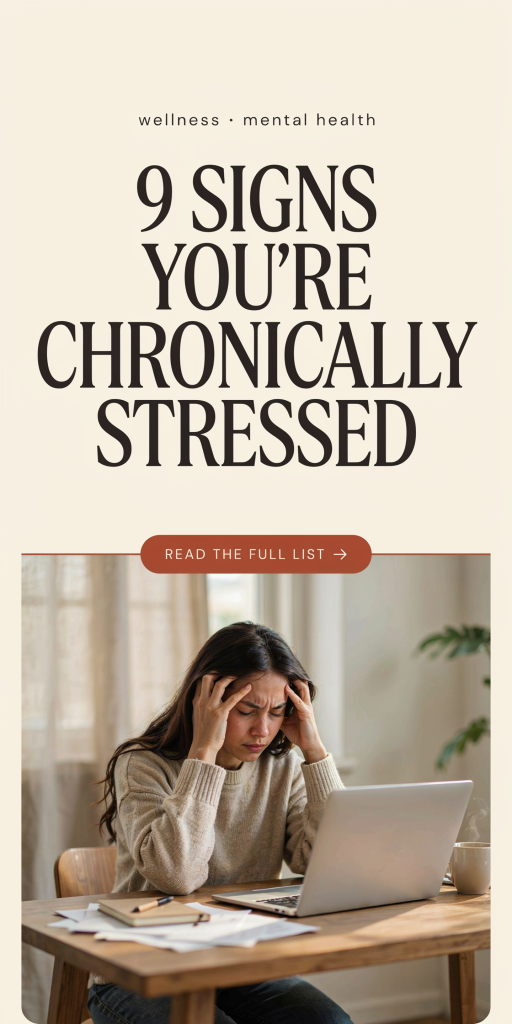
Stress is part of modern life, but chronic stress, the slow-burning kind that never really lets us rest, quietly erodes health, productivity, and joy. In 2026, with blurred work-life boundaries, constant notifications, and economic uncertainty, many of us are more vulnerable than ever. We’re not talking about the occasional deadline-fueled scramble: we mean persistent, day-after-day stress that reshapes sleep, mood, immunity, and behaviour. Recognizing the signs early gives us the power to act before burnout, chronic illness, or relationship damage sets in. In this text we’ll walk through nine common indicators of chronic stress, explain why they happen, and offer realistic first steps we can take right away to regain control.
Persistent Fatigue And Constant Low Energy
We all feel tired sometimes, but chronic stress produces a persistent, bone-deep fatigue that doesn’t clear after a weekend or a vacation. When our stress response stays activated, cortisol and adrenaline rhythms become dysregulated, initially keeping us wired and later leaving us depleted. That means we might drag through afternoons, need multiple naps, or find our usual hobbies suddenly exhausting.
How to spot it: our mornings are a slog, caffeine barely helps, and rest doesn’t feel restorative. We may compensate by cutting back on social life or exercising less, which creates a feedback loop that deepens fatigue.
Practical first steps: prioritize consistent sleep timing, even if sleep quality is poor: schedule short, regular movement (a 15-minute walk boosts mitochondrial function and mood): and reduce late-afternoon stimulants. We should also track energy patterns for two weeks, noting times of low energy, food, and stressors, to identify modifiable triggers. If fatigue persists even though lifestyle tweaks, a checkup for thyroid function, anemia, or sleep disorders is reasonable: chronic stress often coexists with treatable medical conditions.
Ongoing Sleep Problems That Don’t Improve
Insomnia and fragmented sleep are classic signs that our nervous system is stuck in ‘threat mode.’ Stress makes it harder to fall asleep, frequently wakes us, and reduces slow-wave (deep) and REM sleep, both crucial for memory, mood, and metabolic health. Over time we adapt to less sleep, but that doesn’t mean our brains and bodies do.
What to notice: difficulty falling asleep, waking at 2–4 a.m. and ruminating, or non-restorative sleep even though enough hours in bed. We may ‘catch up’ with naps that leave us groggy or rely on screens to wind down, which worsens the problem.
Tactics we can use now: establish a wind-down ritual (no screens 60 minutes before bed, dim lights, calming activity), keep the bedroom cool and dark, and maintain a fixed wake-up time. Mindfulness or brief guided breathing before bed can reduce pre-sleep arousal. If we’re using sleep aids or alcohol frequently, that’s a red flag: those mask symptoms and impair sleep architecture. Persistent insomnia lasting more than three weeks warrants professional evaluation, cognitive behavioral therapy for insomnia (CBT-I) is highly effective and should be considered before chronic medication use.
Frequent Irritability, Mood Swings, Or Emotional Reactivity
Under chronic stress, our emotional thermostat resets. Small annoyances trigger outsized reactions, patience evaporates, and mood swings become routine. This isn’t a character flaw, it’s neurobiology. Stress alters neurotransmitter balance and limbic system sensitivity, lowering our threshold for emotional responses.
Signs to watch for: snapping at loved ones over minor issues, feeling overwhelmed by normally manageable tasks, or swinging from hope to hopelessness in a short period. We might also notice reduced enjoyment in activities we used to love.
How we can intervene: build micro-breaks into our day to reduce cumulative load (5 minutes of paced breathing every 90 minutes helps). Use simple labeling (“I’m feeling irritated right now”) to activate prefrontal control and create a pause between feeling and reaction. For relationships, set brief check-ins to acknowledge stress and prevent blame. If mood changes include persistent sadness, hopelessness, or thoughts of self-harm, we must seek professional help immediately, mood disorders are treatable and often overlap with chronic stress.
Regular Headaches, Muscle Tension, Or Jaw Pain
Tension-type headaches, stiff shoulders, neck pain, and jaw clenching are somatic manifestations of ongoing stress. When our muscles stay semi-contracted from constant vigilance, they become painful and less functional. Bruxism (teeth grinding) and temporomandibular joint (TMJ) pain often show up in high-stress periods.
Patterns to notice: headaches that feel like a band across the head, chronic neck/shoulder soreness, or waking with a sore jaw. Pain that improves briefly with rest but returns under pressure is suspicious for stress-related origin.
Management steps: introduce posture checks and brief mobility breaks into work hours: a simple desk routine (chin tucks, shoulder rolls) every hour can reduce accumulated tension. We should also practice progressive muscle relaxation or guided body scans before bed to down-regulate muscle holding. For jaw pain, a night guard prescribed by a dentist and addressing daytime clenching with habit-reversal techniques helps. If pain is severe, sudden, or accompanied by neurological symptoms, prompt medical assessment is essential to rule out other causes.
Digestive Issues, Bloating, Or Unexplained Appetite Changes
The gut is highly sensitive to stress: the enteric nervous system responds quickly to our emotional state. Chronic stress can cause or worsen reflux, irritable bowel symptoms, indigestion, bloating, and appetite shifts, either loss of appetite or stress-eating.
How it shows up: we might have unpredictable bowel habits, frequent heartburn, or a sense that food “sits” wrong. Others find themselves grazing on ultra-processed comfort foods and later feeling guilty or bloated.
What we can do: start with small, concrete adjustments, eat regular, balanced meals, slow down at mealtimes, and limit high-sugar, high-fat “comfort” snacks that trigger inflammatory responses. Mindful eating practices (one meal without screens per day) reduce autonomic arousal during digestion. Probiotics and fiber can help some people, but changes that persist usually require addressing the underlying stress. If symptoms are new, severe, or associated with weight loss, bleeding, or fever, seek medical evaluation to exclude organic conditions.
Problems With Memory, Concentration, Or Decision Making
Chronic stress impairs attention, working memory, and executive function. We may feel scatterbrained, forget appointments, or procrastinate important decisions because cognitive resources are consumed by worry. This has real consequences at work and in relationships.
Indicators: difficulty following conversations, misplacing items more often, or feeling mentally fatigued when trying to concentrate. Tasks that used to take 30 minutes now take twice as long because we’re more distractible.
Immediate tactics: structure external supports, checklists, calendar reminders, and a single ‘top-three’ priorities list each morning cut through cognitive load. Break tasks into 25–45 minute focused blocks with short breaks (the Pomodoro technique): this respects attentional limits and rebuilds competence. Long-term, practices that reduce baseline stress (regular exercise, sleep optimization, mindfulness) restore cognitive performance. If cognitive changes are sudden or severe, we should rule out medical causes such as medication side effects, thyroid dysfunction, or mood disorders.
Increased Susceptibility To Illness Or Slower Healing
There’s robust science showing chronic stress weakens immune function. Elevated cortisol over time may suppress antiviral responses and increase inflammation, making us catch colds more often and heal more slowly from injuries or infections.
Signs to notice: recurring colds, frequent sore throats, longer recovery after minor cuts or illnesses, or flares of chronic conditions (eczema, autoimmune symptoms) coinciding with stressful periods.
How we can respond: prioritize sleep and glycemic stability, both of which support immune resilience. Anti-inflammatory foods (a Mediterranean-style pattern high in vegetables, fatty fish, and olive oil) and moderate physical activity reduce systemic inflammation. We should also ensure routine preventive care, vaccinations, dental checks, and timely treatment for infections. If infections are unusually frequent, or wounds take weeks to heal, we should consult a clinician to investigate immune function and rule out other causes.
Behavioral Changes: Withdrawal, Reduced Motivation, Or Work Decline
When stress becomes chronic, behavior shifts in ways that are often mistaken for laziness or lack of commitment. We may withdraw socially, miss deadlines, procrastinate, or underperform at work. Energy management changes: we conserve emotional resources by avoiding engagement that used to be meaningful.
Red flags: declining productivity, frequent sick days, canceling social plans, or a nagging sense that we’re just ‘going through the motions.’ These behaviors often come with guilt, which compounds the stress.
What to do: start with compassionate accountability. Set small, achievable goals and celebrate completion to rebuild agency. At work, we should communicate boundaries where possible, negotiate deadlines or delegate tasks. Reconnecting with pleasurable micro-activities (a 10-minute hobby break) restores motivation faster than forcing long sessions. If behavioral decline is significant, seek workplace support (EAP programs) or mental health care: prolonged disengagement may be a sign of clinical depression or burnout that benefits from professional treatment.
Relying On Alcohol, Caffeine, Food, Or Other Coping Mechanisms
Turning to substances or compulsive behaviours to cope is a common but risky response to chronic stress. While a glass of wine or a strong coffee provides immediate relief, repeated reliance can worsen sleep, mood, and long-term health. Stress-eating high-calorie foods increases inflammation and weight-related risks: excessive caffeine can amplify anxiety and disrupt sleep.
Patterns to consider: using alcohol to fall asleep, doubling daily caffeine during busy periods, or eating emotionally even when not hungry. These behaviours tend to escalate and are often justified as ‘needed to get through.’
How we can interrupt the cycle: identify replacement strategies that offer similar immediate relief but fewer downsides, herbal tea, brief walks, or 3-minute breathing exercises can provide real-time calm. Set limits (for example, no more than one alcoholic drink and none within three hours of bedtime) and track consumption for two weeks to build awareness. If we notice loss of control, tolerance, or craving, we should seek support from trusted professionals or peer groups: early intervention prevents dependency and helps restore healthier coping patterns.
Conclusion
Chronic stress shows up in body, mind, and behaviour, and it rarely appears in isolation. When we notice several of these signs together, it’s a clear signal to act. Start with small, sustainable changes: regular sleep, daily movement, boundaries around work, and brief stress-reduction practices sprinkled through the day. Use external supports, clinicians, therapists, workplace resources, when needed. The goal isn’t to eliminate stress entirely (that’s unrealistic) but to reduce its chronic load so we can function, connect, and enjoy life again. If you’re seeing these patterns in yourself or someone you care about, treat the signs as a prompt to prioritize recovery: early action preserves health and keeps stress from becoming the story of our lives.


