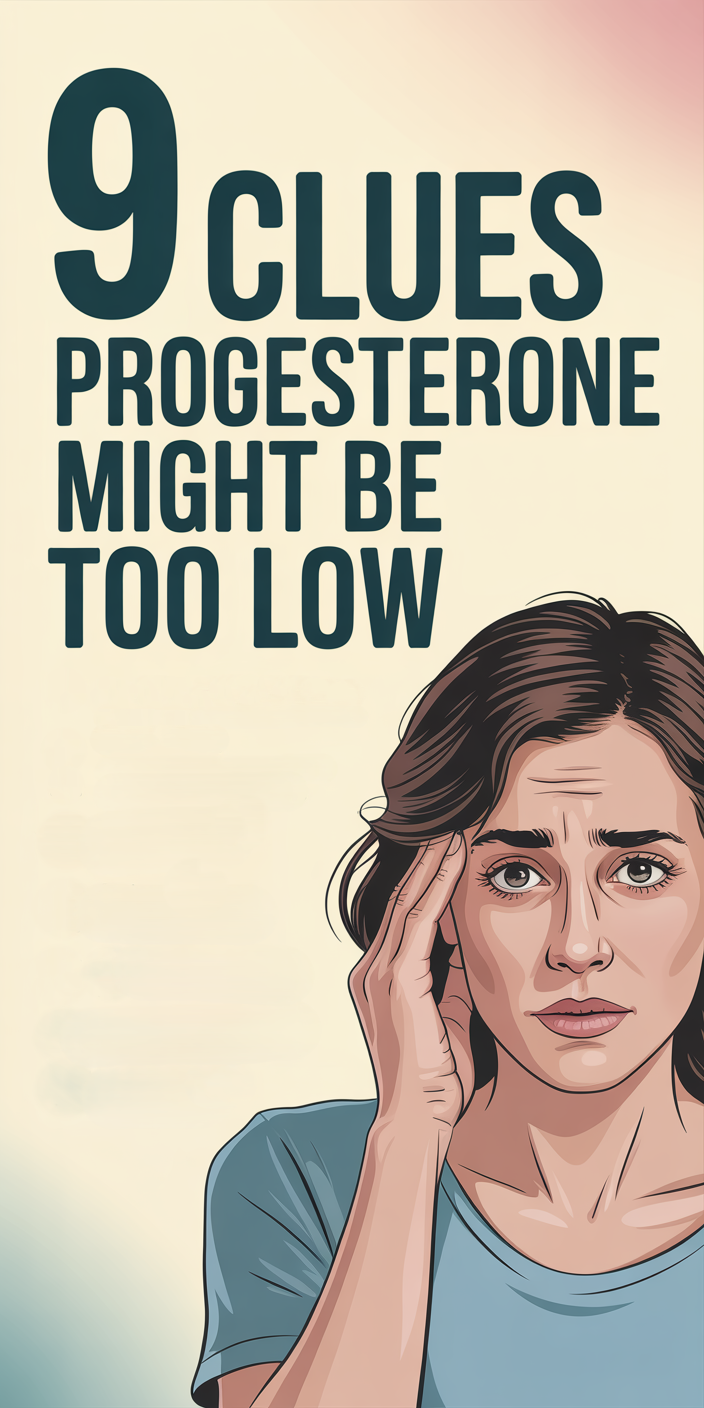
9 Clues Progesterone Might Be Too Low — Signs, Why They Matter, And What To Check In 2026
Progesterone plays a quiet but essential role in the menstrual cycle, fertility, mood regulation, sleep, and overall hormonal balance. When levels fall below what our bodies need, the effects can be subtle at first and then accumulate into patterns that interfere with daily life. In this text we walk through nine specific clues that suggest progesterone may be too low, explain why each sign matters biologically, and list practical checks and next steps you can use to investigate. Our aim is to give clear, evidence-informed guidance so you can recognize patterns, know which tests to ask for, and decide when to consult a clinician. We’ll focus on realistic, clinically relevant markers, cycle patterns, reproductive outcomes, mood, sleep, sexual function, fluid balance, and cognition, and highlight what to measure and when. This is not a substitute for medical advice, but a practical roadmap to help you and your provider pinpoint whether low progesterone could be contributing to symptoms.
Irregular Or Short Luteal Phase And Midcycle Spotting
One of the most direct clues that progesterone may be insufficient is an irregular or shortened luteal phase, the time from ovulation to the start of menstruation. In a typical cycle the luteal phase lasts about 10–14 days. When progesterone is low the corpus luteum (the temporary structure that makes progesterone after ovulation) may fail to sustain the endometrium, causing the luteal phase to shorten to six to nine days or become inconsistent from cycle to cycle. That shortened window reduces the time available for implantation and often shows up as midcycle spotting or light bleeding in the days after ovulation.
Why it matters: Progesterone stabilizes the endometrium and prepares it for implantation. If progesterone is low the lining can break down prematurely, leading to spotting and a packet of downstream effects such as difficulty conceiving and heavier subsequent bleeding. Clinically, tracking your cycle length and basal body temperature (BBT) or ovulation tests can reveal luteal phase length patterns. If you consistently see a luteal phase under 10 days or spot roughly 6–10 days after ovulation, that’s a clear signal to investigate progesterone.
What to check: We recommend documenting at least three cycles using ovulation predictor kits (LH surge), BBT, or cervical mucus observations to confirm ovulation timing. For biochemical confirmation, request a serum progesterone level about seven days after ovulation (mid-luteal), typically around luteal day 7. A single mid-luteal value helps indicate whether the corpus luteum produced adequate progesterone. Reference ranges vary, but many clinicians look for values that reflect ovulation (often >3–5 ng/mL) and mid-luteal peaks that are substantially higher. Discuss timing precisely with your provider: a mistimed blood draw is a common reason for misleading results.
Heavy Or Prolonged Menstrual Bleeding
Heavy (menorrhagia) or prolonged menstrual bleeding can signal inadequate progesterone counterbalance to estrogen. Progesterone normally promotes maturation and controlled shedding of the uterine lining. When it’s too low, estrogen’s proliferative effects dominate and the lining can become thick, fragile, and prone to heavier breakdown. This often translates to longer periods, heavier flow, larger clots, or the need to change protection more frequently than usual.
Why it matters: Ongoing heavy bleeding can lead to iron deficiency and fatigue, and it’s a symptom that warrants evaluation rather than normalization. Low progesterone isn’t the only cause, fibroids, polyps, thyroid dysfunction, clotting disorders, or IUDs can produce similar patterns, but it’s an important hormonal cause because it’s potentially correctable.
What to check: Start with a careful menstrual history and calendaring for several cycles (flow, duration, clots). Measure serum progesterone (mid-luteal timing) and check serum estradiol if available to assess estrogen dominance. Because heavy bleeding may cause anemia, check CBC and ferritin. Pelvic ultrasound is useful to rule out structural causes such as fibroids or polyps. If structural causes are excluded and lab timing suggests low luteal progesterone, discuss options with your clinician: addressing ovulatory function, luteal support, or targeted progesterone therapy can reduce bleeding and restore cycle stability in many cases.
Difficulty Conceiving Or Repeated Early Miscarriage
Low progesterone is a well-recognized contributor to difficulty conceiving and to recurrent early pregnancy loss. Progesterone prepares the endometrium for implantation and supports the early placenta until the trophoblast takes over hormone production. Insufficient progesterone in the luteal phase can prevent implantation or lead to early pregnancy loss, often within the first trimester.
Why it matters: For couples trying to conceive, identifying and treating inadequate luteal support can markedly improve outcomes. In assisted reproductive technologies and some natural conception contexts, clinicians commonly assess mid-luteal progesterone or luteal function tests. Recurrent early miscarriage (commonly defined as two or more consecutive losses) prompts a systematic workup where luteal insufficiency is one potential, treatable factor.
What to check: When facing conception difficulty, document ovulation and test mid-luteal progesterone across cycles. If pregnancies occur but miscarry early, measure progesterone in early pregnancy (though timing is critical and values fluctuate). Some clinicians empirically provide luteal support (vaginal or oral progesterone) when there’s strong clinical suspicion of insufficiency, particularly after repeated losses. It’s important to pair any empirical therapy with appropriate evaluation, autoimmune tests, uterine anatomy assessment, parental karyotype if indicated, thyroid function, and antiphospholipid syndrome screening, because multiple possible causes can coexist.
Severe PMS, Mood Swings, Or Worsening PMDD Symptoms
Many people experience premenstrual symptoms, but when PMS becomes severe or progresses to PMDD (premenstrual dysphoric disorder), low progesterone or relative progesterone deficiency may be part of the picture. Progesterone and its metabolites interact with GABAergic systems and modulate mood and anxiety. Low progesterone, or rapid falls in progesterone in the late luteal phase, can exacerbate irritability, depression, and emotional lability.
Why it matters: PMDD is disabling for some people, so pinpointing hormonal contributors is clinically valuable. While PMDD has multifactorial causes (neurotransmitter sensitivity, genetics, psychosocial factors), hormonal fluctuations are central. If luteal progesterone is inadequate, the normal protective effects of progesterone metabolites may be lost, worsening mood symptoms right before menses.
What to check: Keep a prospective symptom diary (Daily Record of Severity of Problems or similar) across at least two cycles to confirm timing and severity tied to the luteal phase. Correlate this with ovulation tracking and measure mid-luteal progesterone. If low progesterone is suspected, options include estradiol regulation, targeted progesterone supplementation, SSRIs for PMDD, and lifestyle interventions (sleep, stress reduction, exercise). We recommend coordinating care with someone experienced in reproductive psychiatry or gynecology, because treating PMDD effectively often requires a tailored, multimodal plan.
Persistent Anxiety, Depression, Or Emotional Sensitivity
Beyond premenstrual timing, chronically low progesterone can influence baseline mood, increasing anxiety, depressive symptoms, and emotional reactivity. Progesterone’s metabolites, notably allopregnanolone, enhance inhibitory GABA signaling: lower levels mean less neurochemical ‘braking’ on stress responses. Clinically, some people describe a background of heightened worry, low resilience to stress, or flattened mood that doesn’t resolve with other interventions.
Why it matters: Mood disorders have many causes, but missing a hormonal contributor means missing an opportunity for additional therapeutic avenues. Addressing luteal insufficiency can sometimes reduce anxiety or mood sensitivity, especially when symptoms vary across the cycle. This is particularly relevant during perimenopause, postpartum, or when cycles change after stopping hormonal contraception.
What to check: A full psychiatric and medical history is essential. Measure mid-luteal progesterone and consider evaluating thyroid function and adrenal status, because these systems interact. If mood symptoms align with the luteal phase, work with your provider on targeted hormone strategies and evidence-based psychotherapies. Where appropriate, short-term progesterone support or wider endocrine management can be tried in concert with mental health treatment, not as a replacement for it.
Sleep Problems, Insomnia, Or Nighttime Restlessness
Progesterone has sedative properties through its positive modulation of GABA receptors: it’s one reason many people notice improved sleep quality in the mid-luteal phase when progesterone is naturally higher. When progesterone is low, that sleep-promoting effect weakens, potentially causing insomnia, fragmented sleep, or nighttime restlessness.
Why it matters: Poor sleep affects cognition, mood, metabolic health, and immune function. If sleep issues trace to low luteal progesterone, addressing the hormonal imbalance can yield meaningful improvements in restoration and daytime functioning.
What to check: Track sleep patterns with a diary or wearable across cycles to see if sleep worsens in the luteal phase. Ask about difficulty falling asleep, frequent awakenings, or non-restorative sleep. Measure mid-luteal progesterone: also screen for primary sleep disorders (sleep apnea, restless legs), caffeine/alcohol patterns, and medication side effects. Short-term strategies include sleep hygiene, cognitive behavioral therapy for insomnia (CBT-I), and, when indicated, timed progesterone therapy discussed with a clinician. Because progesterone’s sedative effects can be helpful, some providers use melatonin or low-dose progesterone to support sleep, always under supervision to weigh benefits and side effects.
Low Libido And Vaginal Dryness
Low libido and vaginal dryness are commonly attributed to low estrogen, but progesterone plays a role too. Progesterone influences sexual desire indirectly through mood, sleep, and energy levels. It also helps maintain mucosal health in concert with estrogen. When progesterone is low, libido can fall and vaginal tissues may feel drier or more fragile, particularly in perimenopause or during cycles with luteal insufficiency.
Why it matters: Sexual health is a key component of well-being and relationship satisfaction. Treating low progesterone where it contributes to symptoms can improve desire and comfort during intercourse, especially when combined with strategies that address estrogen status, lubrication, and relationship factors.
What to check: Evaluate sexual function across the cycle and note whether libido or vaginal comfort shifts with the luteal phase. Measure mid-luteal progesterone alongside estradiol and, if appropriate, testosterone. Address reversible contributors such as medications (SSRIs, antihypertensives), relationship stress, smoking, and alcohol use. Management may include topical lubricants, localized estrogen therapy (for menopausal genitourinary symptoms), and consideration of systemic progesterone if luteal insufficiency is confirmed and fits the clinical picture.
Bloating, Water Retention, Or Unexplained Weight Gain
Bloating and fluid retention are frequent complaints in the late luteal phase. Progesterone has natriuretic effects (promoting sodium excretion) and modulates aldosterone sensitivity: when progesterone is low relative to estrogen, fluid retention can increase. Many people report cyclical swelling, abdominal bloating, or slight weight gain before menses, when progesterone should normally offset estrogen-driven retention.
Why it matters: Recurrent bloating and fluid weight can be distressing and may point to hormonal imbalance rather than only dietary causes. While sodium intake and gastrointestinal factors also contribute, noticing consistent luteal-phase-linked bloating suggests checking progesterone and the estrogen-progesterone balance.
What to check: Keep a symptom log including weight and abdominal girth across at least two cycles to determine timing. Assess mid-luteal progesterone and serum electrolytes if clinically warranted. Evaluate thyroid function and consider screening for insulin resistance if weight is increasing without clear cause. Short-term strategies for symptomatic relief include modest sodium reduction in the luteal phase, light exercise, and compression garments if helpful. If low progesterone is confirmed and symptoms are bothersome, targeted hormone therapy under medical guidance can rebalance fluid regulation.
Brain Fog, Poor Concentration, Or Memory Lapses
Cognitive complaints, difficulty concentrating, transient forgetfulness, or a general sense of brain fog, are increasingly reported in relation to hormonal fluctuations. Progesterone and its neuroactive metabolites influence neurotransmission and neuroinflammation: low levels can reduce the calming, focus-enhancing effects these compounds provide. For some people this shows up as scattered thinking or decreased mental stamina, especially in the luteal window.
Why it matters: Cognitive symptoms impair productivity and quality of life. Recognizing a hormonal pattern gives us practical interventions to try, and avoids mislabeling these complaints as purely psychological or neurodegenerative when a reversible endocrine factor may contribute.
What to check: Track cognitive symptoms relative to your cycle using a brief daily checklist for at least two months. Concurrently, measure mid-luteal progesterone and screen for thyroid dysfunction, vitamin B12 deficiency, iron deficiency, and sleep disorders, any of which can drive brain fog. If progesterone is low, lifestyle measures (sleep optimization, structured cognitive work blocks, stress reduction) can help immediately, while hormonal interventions considered with a clinician may target the underlying cause.
Conclusion
Progesterone influences a surprising range of symptoms, from cycle regularity and fertility to mood, sleep, sexual function, fluid balance, and cognition. When we see clusters of these signs, short luteal phases, midcycle spotting, heavy bleeding, recurrent miscarriage, severe PMS/PMDD, anxiety or depression, insomnia, low libido, bloating, and brain fog, low progesterone is a plausible contributor to investigate.
Our practical approach is straightforward: carefully track symptoms across cycles, confirm ovulation, and time a serum progesterone measurement to the mid-luteal phase (about seven days after ovulation). Pair that with targeted tests (CBC, thyroid, ferritin, estradiol) and imaging when structural causes are suspected. Work with a knowledgeable clinician to interpret results and consider interventions, lifestyle changes, timed progesterone supplementation, or broader endocrine management depending on the context. By turning vague patterns into measurable data, we increase the likelihood of finding an effective, individualized strategy rather than guessing. If you suspect progesterone might be low, start by documenting cycles and talking with your provider, timing matters, and so does a thoughtful, evidence-informed plan.