1200-Calorie Anti-Inflammatory Diet: A Comprehensive Guide to Eating for Health
Chronic inflammation is a persistent, low-level activation of the immune system that can contribute to a wide range of health problems, including heart disease, diabetes, arthritis, and even some forms of cancer. While inflammation is a natural and essential part of the body’s healing process, its chronic presence can be detrimental. Fortunately, one of the most powerful tools for combating chronic inflammation can be found not in the pharmacy, but in the grocery store. An anti-inflammatory diet, rich in whole, nutrient-dense foods, can help to reduce inflammation and lower the risk of chronic disease. This article provides a comprehensive guide to a 1200-calorie anti-inflammatory diet, including the science behind it, foods to embrace and avoid, cooking methods, and a detailed meal plan with delicious recipes.
Understanding Inflammation: The Body’s Double-Edged Sword
Inflammation is the body’s natural response to injury or infection. When you get a cut, for example, the area becomes red, swollen, and painful—these are the classic signs of acute inflammation, the process by which your body sends immune cells to the site to fight off invaders and begin the healing process. This type of inflammation is temporary and beneficial.
Chronic inflammation, on the other hand, is a prolonged and often invisible process that can damage healthy cells, tissues, and organs over time. It can be triggered by a variety of factors, including a poor diet, stress, lack of exercise, and exposure to environmental toxins. Many of the most common and serious diseases of our time have been linked to chronic inflammation, including cancer, heart disease, diabetes, arthritis, depression, and Alzheimer’s disease [1, 2].
The Science Behind Anti-Inflammatory Eating
The anti-inflammatory diet is not a specific regimen but rather an eating pattern that emphasizes whole, unprocessed foods rich in antioxidants, polyphenols, and other beneficial compounds. Research has shown that components of certain foods and beverages may have anti-inflammatory effects [1]. The Mediterranean diet, which is high in fruits, vegetables, nuts, whole grains, fish, and healthy oils, is an excellent example of an anti-inflammatory eating pattern [1].
The key to reducing inflammation through diet lies in choosing foods that contain protective compounds. Fruits and vegetables, particularly those high in natural antioxidants and polyphenols, can help combat cellular damage and reduce inflammatory markers in the body. Omega-3 fatty acids, found in fatty fish and certain plant sources, have been shown to reduce markers of inflammation and lower the risk of cardiovascular disease and diabetes [1, 2].
Foods That Fight Inflammation
An anti-inflammatory diet emphasizes nutrient-dense whole foods that provide the body with essential vitamins, minerals, and protective compounds.
Fruits and Vegetables form the foundation of an anti-inflammatory diet. Berries such as strawberries, blueberries, and cherries are particularly rich in anthocyanins, powerful antioxidants that give them their vibrant colors. Leafy greens like spinach, kale, and collards are packed with vitamins and minerals. Tomatoes contain lycopene, another potent antioxidant. Orange vegetables like sweet potatoes and carrots are high in beta-carotene, while cruciferous vegetables like broccoli and cauliflower contain glucosinolates, compounds that have been shown to have anti-inflammatory properties [1, 3].
Fatty Fish are among the best sources of omega-3 fatty acids, which are essential fats that the body cannot produce on its own. Salmon, mackerel, tuna, sardines, and anchovies are all excellent choices. These omega-3s have been extensively studied for their anti-inflammatory effects and their ability to reduce the risk of chronic diseases [2].
Nuts and Seeds provide healthy fats, fiber, protein, and vitamin E, all of which contribute to reducing inflammation. Almonds and walnuts are particularly beneficial. Studies have associated nut consumption with reduced markers of inflammation and a lower risk of cardiovascular disease and diabetes [1].
Whole Grains such as oats, brown rice, and quinoa are rich in fiber, which can help lower the glycemic response and reduce inflammation. Unlike refined grains, whole grains retain their nutrient-rich bran and germ [3].
Healthy Fats from sources like olive oil and avocados are rich in monounsaturated fats and have been shown to have anti-inflammatory effects. Olive oil, in particular, is a staple of the Mediterranean diet and contains polyphenols that protect against inflammation [2].
Herbs and Spices such as turmeric, ginger, and garlic have been used for centuries for their medicinal properties. Turmeric contains curcumin, a compound with powerful anti-inflammatory effects. Coffee and tea, which contain polyphenols and other anti-inflammatory compounds, may also help protect against inflammation [1].
Foods That Promote Inflammation
Just as some foods can help to reduce inflammation, others can promote it. These inflammatory foods are often highly processed, high in added sugars, and low in essential nutrients.
Refined Carbohydrates such as white bread, pastries, and other foods made with white flour can cause rapid spikes in blood sugar levels, which can trigger inflammatory responses in the body [1, 2].
Fried Foods including French fries, fried chicken, and donuts are typically cooked in oils that become damaged at high temperatures, creating inflammatory compounds [2].
Sugar-Sweetened Beverages such as sodas, bottled teas, and sports drinks are major sources of added sugar in the diet. Excessive sugar consumption has been strongly linked to increased inflammation and chronic disease risk [2].
Red and Processed Meats including burgers, steaks, hot dogs, bacon, and sausage have been associated with increased inflammation. Processed meats in particular contain preservatives and other additives that may contribute to inflammatory processes [1, 2].
Trans Fats found in margarine, shortening, microwave popcorn, and many commercially baked goods are particularly harmful. These artificial fats have been shown to increase inflammation and raise the risk of heart disease [2].
Cooking Methods Matter
The way you prepare your food can significantly impact its inflammatory potential. Certain cooking methods can create inflammatory compounds, while others help preserve the beneficial nutrients in foods.
Preferred Cooking Methods include baking, steaming, and quick stir-frying. These methods use moderate temperatures and help retain nutrients while avoiding the formation of harmful compounds. Microwaving is actually healthier than many people realize, as it cooks food by activating water molecules rather than exposing it to high heat [2].
Methods to Limit include deep-frying and grilling at high temperatures, especially for red meat. When meat is grilled, fat can drip onto flames and create compounds that have been associated with cancer risk. These compounds can end up in the food on your plate. However, grilled vegetables and low-fat fish are safe and delicious options for the grill [2].
It is also important to be mindful of sauces and dressings, as many contain hidden sugars, trans fats, and excessive sodium that can negate the benefits of otherwise healthy foods [2].
Sample Anti-Inflammatory Recipes
The following recipes are designed to fit within a 1200-calorie daily meal plan while providing maximum anti-inflammatory benefits.
Breakfast: Baked Eggs in Tomato Sauce with Kale
This Mediterranean-inspired breakfast is rich in antioxidants from tomatoes and kale, with protein from eggs to keep you satisfied throughout the morning.
Servings: 2
Nutrition per serving: 285 calories, 18g fat, 15g carbs, 16g protein, 4g fiber
Ingredients:
- 2 teaspoons extra-virgin olive oil
- 2 cups chopped kale
- 1 cup marinara sauce (no sugar added)
- 4 large eggs
- 2 tablespoons crumbled feta cheese
- Fresh basil for garnish
- Salt and pepper to taste
Directions:
- Preheat oven to 375°F. Heat olive oil in an oven-safe skillet over medium heat.
- Add kale and sauté until wilted, about 3 minutes. Add marinara sauce and bring to a simmer.
- Make four wells in the sauce and crack an egg into each well. Season with salt and pepper.
- Transfer skillet to oven and bake until egg whites are set but yolks are still slightly runny, about 8-10 minutes.
- Top with feta cheese and fresh basil before serving.
Lunch: Sweet Potato, Kale & Chicken Salad with Peanut Dressing
This hearty salad combines the anti-inflammatory benefits of sweet potatoes, kale, and lean protein. The peanut dressing adds healthy fats and incredible flavor.
Servings: 4
Nutrition per serving: 393 calories, 15g fat, 32g carbs, 30g protein, 6g fiber
Ingredients:
- 1 pound sweet potatoes, cubed
- 1½ teaspoons extra-virgin olive oil
- ¼ teaspoon kosher salt
- ⅛ teaspoon ground pepper
- 6 cups chopped curly kale
- 2 cups shredded cooked chicken breast
- ¼ cup chopped unsalted peanuts
Peanut Dressing:
- 3 tablespoons natural peanut butter
- 2 tablespoons lime juice
- 1 tablespoon reduced-sodium soy sauce
- 1 tablespoon honey
- 1 teaspoon grated fresh ginger
- 1 clove garlic, minced
- 2-3 tablespoons water
Directions:
- Preheat oven to 425°F. Toss sweet potatoes with olive oil, salt, and pepper. Roast for 20 minutes, or until tender and lightly browned.
- Whisk together all ingredients for the peanut dressing, adding water to reach desired consistency.
- In a large bowl, combine kale, roasted sweet potatoes, and shredded chicken. Drizzle with peanut dressing and toss to coat. Top with chopped peanuts before serving.
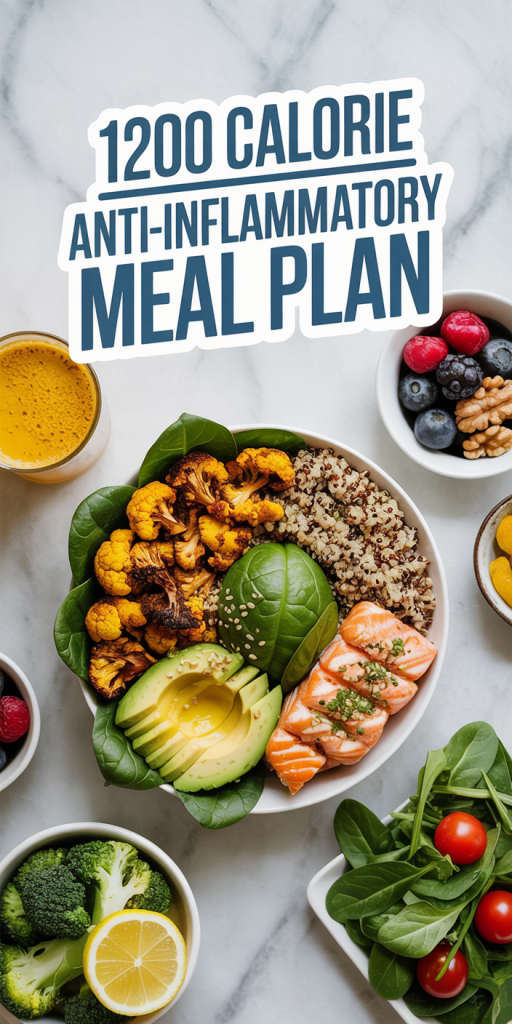
Dinner: Garlic Butter-Roasted Salmon with Asparagus
This simple yet elegant dinner features omega-3 rich salmon paired with fiber-rich asparagus. The garlic butter adds flavor while providing additional anti-inflammatory compounds.
Servings: 4
Nutrition per serving (modified portion): 380 calories, 24g fat, 8g carbs, 34g protein, 3g fiber
Ingredients:
- 1¼ pounds salmon fillet, skinned and cut into 4 portions
- 12 ounces asparagus, trimmed
- 2 tablespoons extra-virgin olive oil
- 2 tablespoons melted butter
- 1 tablespoon lemon juice
- 3 cloves garlic, minced
- ¾ teaspoon salt, divided
- ½ teaspoon ground pepper, divided
- Fresh parsley for garnish
Directions:
- Preheat oven to 400°F. Line a baking sheet with parchment paper.
- Toss asparagus with 1 tablespoon olive oil, ¼ teaspoon salt, and ¼ teaspoon pepper. Arrange on one side of the baking sheet.
- In a small bowl, combine melted butter, remaining olive oil, lemon juice, garlic, remaining salt, and pepper.
- Place salmon portions on the other side of the baking sheet. Drizzle with the garlic butter mixture.
- Roast for 12-15 minutes, or until salmon is cooked through and asparagus is tender. Garnish with fresh parsley.
Sample One-Day 1200-Calorie Anti-Inflammatory Meal Plan
This carefully designed meal plan provides approximately 1200 calories while maximizing anti-inflammatory nutrients. Each meal is balanced to provide sustained energy and satiety throughout the day.
Breakfast: Baked Eggs in Tomato Sauce with Kale (285 calories)
Start your day with this protein-rich breakfast that combines eggs with antioxidant-packed tomatoes and nutrient-dense kale. The combination of protein and fiber will keep you satisfied until lunch. Pair this with a cup of green tea, which contains polyphenols that have been shown to have anti-inflammatory effects.
Mid-Morning Snack: Fresh Berries (60 calories)
Enjoy ½ cup of mixed berries such as blueberries and strawberries. Berries are among the most antioxidant-rich foods available and are particularly high in anthocyanins, compounds that give them their vibrant colors and powerful anti-inflammatory properties.
Lunch: Sweet Potato, Kale & Chicken Salad with Peanut Dressing (393 calories)
This hearty salad provides a perfect balance of complex carbohydrates from sweet potatoes, lean protein from chicken, and healthy fats from the peanut dressing. The kale adds a substantial dose of vitamins A, C, and K, along with powerful antioxidants. This meal is filling enough to sustain you through the afternoon without causing an energy crash.
Afternoon Snack: Almonds (80 calories)
A small handful (about 10-12) of raw almonds provides healthy fats, protein, and vitamin E. Nuts have been consistently associated with reduced inflammation and lower risk of chronic disease. The combination of protein and healthy fats helps stabilize blood sugar and prevent afternoon cravings.
Dinner: Garlic Butter-Roasted Salmon with Asparagus (380 calories)
End your day with this omega-3 rich dinner that provides high-quality protein and essential fatty acids. The salmon is an excellent source of EPA and DHA, the most beneficial forms of omega-3 fatty acids. Asparagus adds fiber, folate, and additional antioxidants. The garlic in the butter sauce provides allicin, a compound with anti-inflammatory and immune-boosting properties.
Daily Totals: Approximately 1,198 calories, 80g protein, 75g carbohydrates, 60g fat, 25g fiber
This meal plan provides a balanced macronutrient distribution with adequate protein to preserve muscle mass, healthy fats to support cellular function and reduce inflammation, and fiber-rich carbohydrates to promote digestive health and stable blood sugar levels.
Tips for Success on a 1200-Calorie Anti-Inflammatory Diet
Start with Substitutions: Rather than overhauling your entire diet at once, begin by making simple swaps. Replace sugary beverages with water or herbal tea. Choose whole grain bread instead of white bread. Snack on nuts instead of chips. These small changes can add up to significant improvements in inflammation levels over time [2].
Plan and Prepare: A 1200-calorie diet requires careful planning to ensure you are getting adequate nutrition. Meal preparation on weekends can help you stay on track during busy weekdays. Many of the recipes in this plan, such as the Sweet Potato, Kale & Chicken Salad, can be prepared in advance and stored for several days.
Read Labels Carefully: Many processed foods contain hidden sugars and inflammatory ingredients. Sugar can appear under more than 50 different names on ingredient lists, including “cane crystals,” “crystallized cane juice,” and any ingredient ending in “ose.” Avoid foods that list partially hydrogenated oils, as these contain trans fats [2].
Stay Hydrated: Adequate water intake is essential for overall health and can help reduce inflammation. Aim for at least 8 glasses of water per day, and consider adding lemon or cucumber for flavor and additional antioxidants.
Listen to Your Body: A 1200-calorie diet is considered a very low-calorie diet and may not be appropriate for everyone. It is essential to consult with a healthcare provider or registered dietitian before starting this or any restrictive eating plan, especially if you have underlying health conditions or are very physically active.
Important Considerations
While a 1200-calorie anti-inflammatory diet can be an effective tool for weight loss and reducing inflammation, it is important to approach it with caution. This calorie level may not provide sufficient energy for many individuals, particularly those who are physically active, pregnant, breastfeeding, or have certain medical conditions. The restrictive nature of a 1200-calorie diet can also make it challenging to meet all nutritional needs, potentially leading to deficiencies in essential vitamins and minerals.
For sustainable, long-term health benefits, it is generally recommended to focus on the quality of foods rather than strict calorie restriction. The anti-inflammatory principles outlined in this article can be applied to any calorie level and adapted to individual needs and preferences. Working with a healthcare professional can help ensure that your dietary approach is safe, effective, and tailored to your specific health goals.
Conclusion
The anti-inflammatory diet represents a powerful, evidence-based approach to improving health and reducing the risk of chronic disease. By emphasizing whole, nutrient-dense foods such as fruits, vegetables, fatty fish, nuts, and healthy oils, while limiting processed foods, refined carbohydrates, and unhealthy fats, you can help your body combat inflammation naturally. The 1200-calorie meal plan provided in this article offers a structured approach to incorporating these principles into your daily routine, with delicious recipes that make healthy eating enjoyable and sustainable. Remember that any significant dietary change should be undertaken with the guidance of a healthcare professional to ensure it is appropriate for your individual needs and health status.
References
[1] Harvard Health Publishing. (2024). Foods that fight inflammation.
[2] Johns Hopkins Medicine. (n.d.). Anti-Inflammatory Diet.
[3] EatingWell. (2025). 7-Day Anti-Inflammatory Meal Plan for Beginners.