
12 Subtle Signs of Prediabetes Your Body Shows First (And What To Do About Them)
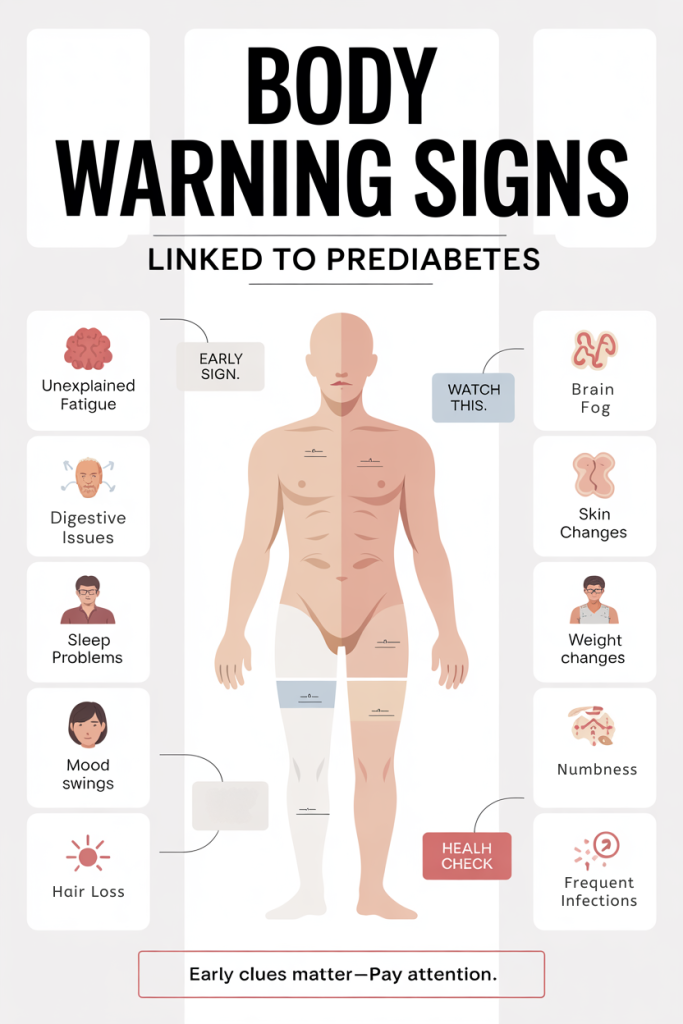
Prediabetes quietly affects an estimated 1 in 3 adults in the U.S.: most don’t know they have it. If we catch it early, we can reverse course, prevent type 2 diabetes, and protect our hearts, kidneys, and nerves. This guide walks through the 12 subtle signs our bodies often show first, symptoms many people dismiss as “just getting older” or “stress.” We’ll explain why they happen, how to recognize them, and practical, evidence-based steps we can take right away in 2026 to avoid progression. Read on to learn not only what to watch for, but which tests to ask for, when to see a clinician, and exactly which lifestyle changes have the best chance of turning things around.
Why Catching Prediabetes Early Changes Everything
Prediabetes isn’t a diagnosis to panic over, it’s an opportunity. When blood sugar regulation is impaired but full-blown diabetes hasn’t set in, interventions work best. Large clinical trials and real-world programs have shown we can reduce progression to type 2 diabetes by roughly 40–70% with targeted lifestyle changes. That’s not theoretical: small habits sustained over months can mean fewer medications, less cardiovascular risk, and better quality of life.
Why does timing matter? The body compensates for rising blood glucose by producing more insulin. Over time, that extra insulin stresses pancreatic beta cells and worsens insulin resistance. If we act while compensation still succeeds, we preserve beta-cell function and metabolic flexibility. Delay, and the path to daily medication and diabetes complications becomes more likely.
Catching prediabetes early also gives us leverage. Early-stage metabolic problems respond well to relatively modest shifts, losing 5–10% of body weight, increasing physical activity, or improving sleep and stress management. Those same changes are harder to enact or less effective after years of metabolic strain. In practice, an early diagnosis is a roadmap: tests that pinpoint where we are (A1c, fasting glucose, or OGTT), plus concrete, evidence-based steps to reverse course.
Importantly, early detection isn’t only about numbers. It’s about symptoms we can feel and observe, fatigue, cravings, slow-healing cuts, skin changes, and more. When we understand these signs as early warning lights rather than isolated annoyances, we’re more likely to take manageable steps that pay off in the years ahead.
How Prediabetes Develops: A Brief, Actionable Overview
Prediabetes develops along a predictable metabolic path, but the pace and presentation vary among individuals. Here’s a concise, practical sequence of what’s happening and how each stage produces the subtle signs we’ll cover next.
- Insulin resistance starts in muscle, fat, and liver cells. These tissues stop responding effectively to insulin, so glucose doesn’t enter cells as readily. The pancreas compensates by producing more insulin (hyperinsulinemia) to keep blood sugar in a near-normal range.
- Over months to years, this compensation strains pancreatic beta cells. As compensation weakens, blood glucose begins to rise in fasting and post-meal states. That’s when A1c and fasting glucose cross thresholds for prediabetes.
- Elevated glucose and insulin together promote abdominal fat storage, inflammation, changes in lipid profiles, and vascular dysfunction. Those downstream effects create many of the body-level signs, fatigue, increased hunger, slow wound healing, and skin changes.
Knowing this sequence helps us match symptoms to mechanisms. For example, cravings and midsection weight gain often reflect insulin-driven fat storage, while darkened skin patches reflect local insulin and growth-factor effects on skin cells. When we address root causes, improving insulin sensitivity through diet, movement, sleep, and stress management, we reduce both lab values and the symptoms that matter in daily life.
Below we walk through the common early signs, explain why they appear, and give clear, practical actions to take when you notice them. Each sign is a cue: a chance to test, intervene, and turn things around.
Thirst And Frequent Urination — Elevated Blood Sugar Signals
What we notice: Feeling thirstier than usual and needing to urinate more, especially at night. We might attribute it to caffeine, a hot spell, or a new medication, but persistent changes deserve attention.
Why it happens: When blood glucose rises past the kidney’s reabsorption threshold, excess glucose spills into urine. Glucose in the urine draws water with it (osmotic diuresis), so we lose fluids and become thirsty. Even modest elevations in fasting or postprandial glucose can produce noticeable symptoms for some people.
What to do now:
- Check simple labs: ask for a fasting plasma glucose and A1c: if those are borderline, an oral glucose tolerance test (OGTT) reveals post-meal spikes. Patterns matter, isolated postprandial hyperglycemia can precede fasting glucose changes.
- Hydration and timing: keep a water bottle and note if thirst spikes after certain meals (high-carb drinks, big portions).
- Dietary tweak: reduce liquid sugars, sodas, fruit juices, sweetened coffee drinks, and replace with water or unsweetened teas. Cutting these often lowers postprandial spikes quickly.
- Medical follow-up: if thirst and urination are sudden, severe, or accompanied by weight loss, blurred vision, or confusion, seek urgent care. These can signal much higher glucose levels.
Small tests and simple sugar cuts often reveal whether these symptoms are transient or early metabolic disturbance. We should treat persistent polyuria and polydipsia as early red flags.
Unexplained Fatigue And Brain Fog — Energy And Cognitive Clues
What we notice: Feeling unusually tired even though reasonable sleep, or experiencing sharp lapses in focus, especially after meals. We might chalk it up to stress or an overloaded schedule, but metabolic causes are common and reversible.
Why it happens: When cells resist insulin, glucose delivery to muscle and brain becomes inefficient. Even when blood glucose is normal or slightly elevated, tissues may be starved for energy. Post-meal surges followed by reactive dips can produce feelings of lethargy and difficulty concentrating. Inflammation and altered sleep patterns that accompany insulin resistance also worsen subjective cognition.
What to do now:
- Track patterns: note when fatigue or fog hits, after breakfast, midafternoon, or following sugary snacks. A simple food-and-symptom diary for one week reveals correlations.
- Adjust meal composition: emphasize protein, fiber, and healthy fats at meals to blunt rapid glucose rises and prevent reactive lows. For example, swap a sugary cereal for Greek yogurt with berries and nuts.
- Move after meals: a brisk 10–20 minute walk after eating accelerates muscle glucose uptake and often reduces postprandial tiredness.
- Screen for other causes: check A1c and fasting glucose, but also consider thyroid tests, iron levels, and sleep quality. Poor sleep (sleep apnea is common with abdominal weight gain) can mimic or exacerbate these symptoms.
These steps often produce quick relief. When we pair modest dietary changes with short bouts of activity and check relevant labs, we frequently see both subjective improvement and objective metabolic gains.
Unintentional Weight Gain Around The Midsection And Difficulty Losing Weight — Insulin Resistance Patterns
What we notice: Extra pounds creeping onto our waistline, clothes fitting tighter around the belly, and frustrating plateaus even though trying to eat less. Weight redistribution toward the abdomen is particularly telling.
Why it happens: Insulin promotes fat storage, especially in visceral (abdominal) fat. Persistent hyperinsulinemia drives energy into fat tissue and reduces lipolysis (fat breakdown). Visceral fat itself secretes inflammatory molecules and hormones that further impair insulin sensitivity, a vicious cycle that makes abdominal weight stubborn to lose.
What to do now:
- Focus on metabolic-friendly strategies: prioritize resistance training and high-intensity interval sessions alongside regular aerobic movement. Muscle-building raises basal metabolic rate and improves insulin sensitivity.
- Review meal timing and composition: reducing refined carbs and added sugars, choosing whole-food carbohydrates paired with protein and fat, and avoiding late-night large meals often help reduce visceral fat.
- Small, sustainable calorie adjustments: rather than aggressive restriction, aim for a consistent 5–10% weight reduction over months. Even modest loss significantly improves insulin sensitivity and lab markers.
- Sleep and stress: chronic sleep deprivation and elevated cortisol favor abdominal fat deposition. Improving sleep hygiene and using stress-reduction techniques (breathwork, brief mindfulness, or targeted therapy) support weight efforts.
If we’re struggling even though consistent effort, it’s reasonable to consult a clinician. Medications and structured programs can be appropriate for some people: but often, targeted exercise and dietary quality shifts produce meaningful reductions in waist circumference and metabolic risk.
Increased Hunger And Cravings For Carbs Or Sugar — Metabolic Hunger Signals
What we notice: Persistent hunger, especially for starchy or sweet foods, even after eating a full meal. Energy dips that compel us to reach for snacks or “quick fixes.”
Why it happens: Insulin resistance and blood sugar variability can dysregulate hunger hormones, most notably insulin, ghrelin, and leptin. Frequent post-meal glucose spikes followed by dips drive cravings for high-glycemic foods, creating a cycle of overconsumption. High insulin levels can also blunt satiety signals, so we feel less satisfied by the same portion sizes.
What to do now:
- Prioritize satiety: include protein and fiber at every meal, eggs, legumes, fish, poultry, nuts, and vegetables. These slow digestion and stabilize post-meal glucose.
- Reinforce structure: regular meal timing and balanced snacks help prevent extreme dips that trigger cravings. For example, pairing an apple with a handful of almonds beats an apple alone.
- Avoid liquid calories: sweetened beverages spike glucose rapidly and are linked to greater calorie intake later in the day.
- Behavioral tweaks: identify trigger contexts (late afternoons, while watching TV) and replace the trigger loop: go for a brief walk, rinse the mouth, or have a prepared low-carb snack.
We shouldn’t blame ourselves for cravings, biology drives them. But we can outsmart the cycle with food structure, a few habit changes, and awareness of common triggers.
Slow-Healing Cuts And Frequent Infections — Immune And Circulatory Signs
What we notice: Minor cuts that take longer than usual to close, recurrent fungal infections (like athlete’s foot or yeast), or frequent colds. Wounds that look a bit inflamed or take weeks to resolve are a red flag.
Why it happens: Elevated glucose impairs several components of immune function: neutrophil activity, phagocytosis, and blood flow to tissues. High blood sugar also provides a richer environment for certain microbes. At the same time, microvascular changes reduce nutrient and oxygen delivery to healing tissues. Together, these effects delay wound closure and increase infection risk.
What to do now:
- Test and monitor: if we notice recurrent infections or slow healing, check A1c and fasting glucose, and ask about foot exams (very important if we have neuropathy or reduced sensation).
- Local care: keep wounds clean, use appropriate topical care, and monitor for signs of spreading infection (increasing redness, warmth, or drainage). Don’t ignore foot sores, get them checked promptly.
- Systemic steps: improved glycemic control via diet and activity speeds healing. Protein intake supports repair: ensure adequate daily protein, especially during recovery from injury.
- Vaccines and prevention: stay up to date on recommended vaccinations and practice good hygiene to reduce infection risk.
Early attention to wound healing and infection patterns prevents small issues from becoming serious. If we see persistent or worsening wounds, we should see a clinician without delay.
Darkened Skin Patches (Acanthosis Nigricans) And Skin Changes — Visible Markers
What we notice: Velvety, darkened patches often appear in skin folds, neck, armpits, groin, or as skin tags in similar areas. These changes can be subtle at first but are valuable visual clues.
Why it happens: Acanthosis nigricans is associated with high insulin levels acting on skin cells and growth-factor pathways, causing local thickening and pigmentation. Skin tags and other dermatologic changes also correlate with insulin resistance and metabolic syndrome.
What to do now:
- Photograph and track: take a clear photo of the area and note any changes over weeks. This helps us and our clinician assess progression.
- Assess for other signs: when we see acanthosis nigricans, we should check A1c, fasting glucose, and consider evaluating for metabolic syndrome components, blood pressure, lipid profile, and waist circumference.
- Treatment and reassurance: addressing underlying insulin resistance (weight loss, exercise, dietary quality) often reduces the severity of skin changes. For cosmetic concerns or diagnostic uncertainty, refer to dermatology.
- Rule out rarer causes: while acanthosis nigricans is most often metabolic, very sudden, widespread skin changes merit evaluation for other conditions, including rare internal diseases.
Visible skin changes are among the most actionable signs because they’re easy to document and link to metabolic testing. Spotting these early gives us a straightforward reason to test and intervene.


