10 Foods That Stabilize Blood Sugar Naturally: Practical Choices Backed By Science (2026 Guide)
Blood sugar regulation isn’t just a concern for people with diabetes, it’s central to our energy levels, mood, and long-term metabolic health. In this 2026 guide we focus on foods that stabilize blood sugar naturally: evidence-backed choices you can add to meals today to reduce spikes, improve insulin response, and support steady energy. We’ll explain why food composition matters, which specific items repeatedly show benefits in clinical studies, and how to combine them for reliable results. This is practical, not dogmatic, think swaps and simple combos rather than restrictive rules. Read on for ten categories of foods (with examples and serving ideas) that we can use to keep glucose steady and feel better throughout the day.
How Food Affects Blood Sugar And Why It Matters
Blood glucose rises after we eat because carbohydrates break down into glucose and enter the bloodstream. The rate and magnitude of that rise depend on the type of carbohydrate, accompanying nutrients (fiber, protein, fat), and our insulin sensitivity. Rapidly digested carbs, think sugary drinks, white bread, and many refined snacks, cause sharp spikes and then quick drops, which trigger hunger, cravings, and over time contribute to insulin resistance.
Conversely, foods that are low in available carbohydrates, high in fiber, or paired with protein and healthy fats slow gastric emptying and glucose absorption. That blunted postprandial response reduces insulin demand and keeps energy steadier. Beyond immediate effects, chronically minimizing large spikes lowers the risk of metabolic conditions such as type 2 diabetes, nonalcoholic fatty liver disease, and cardiovascular complications.
We should also consider meal timing and food combinations: adding protein or vinegar to a starchy meal lowers the glucose peak: including fiber-rich vegetables increases the meal’s glycemic load resilience. Individual factors, medication, activity, and baseline metabolic health, matter, so we suggest small experiments (blood glucose monitoring or consistent symptom tracking) to see which foods stabilize blood sugar naturally for each of us.
Leafy Greens And Cruciferous Vegetables: Nutrient-Dense, Low-Carb Staples
Leafy greens (spinach, kale, Swiss chard) and cruciferous vegetables (broccoli, cauliflower, Brussels sprouts) are low in digestible carbohydrates but high in fiber, vitamins, and phytochemicals. Their fiber content slows carbohydrate absorption when they’re eaten with starchy foods, and some compounds (like sulforaphane in broccoli) may improve insulin signaling according to preclinical and emerging human studies.
Practical effects: swapping a portion of starchy side dishes for a vegetable bowl reduces the overall glycemic load of a meal. A randomized crossover trial published in recent years found that meals high in non-starchy vegetables produced lower post-meal glucose excursions compared with similar-calorie meals with less vegetable content.
Serving ideas: we like massaged kale with lemon and olive oil alongside grilled salmon, steamed broccoli mixed into a grain salad, or a big mixed-green salad topped with chickpeas and seeds. Raw or lightly steamed preserves more heat-sensitive nutrients, while fermentation (sauerkraut made from cabbage) adds probiotic benefits that may indirectly help glucose metabolism.
Berries And Other Low‑Glycemic Fruits: Sweet Without The Spike
Not all fruit has the same effect on blood sugar. Berries (blueberries, strawberries, raspberries) are lower on the glycemic index and rich in fiber, polyphenols, and anthocyanins, compounds linked to improved insulin sensitivity in multiple studies. Apples and pears, eaten with their skin, also release glucose more slowly than tropical fruits high in sugar.
Why they help: the combination of fiber and plant compounds slows digestion and improves cellular glucose uptake. A meta-analysis of berry consumption showed modest improvements in LDL cholesterol and fasting glucose in adults at cardiometabolic risk, and separate trials suggest blueberries can reduce postprandial glucose when added to carbohydrate-containing meals.
How to use them: add a handful of mixed berries to plain Greek yogurt, blend berries into a protein-packed smoothie with spinach and chia seeds, or slice an apple with almond butter as a balanced snack. We recommend portion control, about 1/2 to 1 cup of berries, to keep carbohydrate intake predictable while enjoying sweetness without a spike.
Nuts, Seeds And Healthy Fats: Slow Digestion, Steady Glucose
Nuts and seeds are concentrated sources of unsaturated fats, fiber, and plant protein, all of which slow gastric emptying and blunt post-meal glucose rises. Almonds, walnuts, pistachios, chia, and flaxseed have been studied for glycemic benefits. For instance, adding almonds to a high-carb meal significantly reduces the postprandial glucose response compared with the same meal without nuts.
Healthy fats on their own (olive oil, avocado) also improve satiety and reduce glucose excursions when used to replace refined carbohydrates rather than simply adding calories. Omega-9-rich olive oil, a staple of the Mediterranean pattern, is associated with better glycemic control in observational studies.
Practical tips: sprinkle chia or ground flax into yogurt or oatmeal: snack on a small handful (about 1 ounce) of mixed nuts rather than crackers: spread mashed avocado on whole-grain toast instead of butter. We watch portions, nuts are calorie-dense, but when they replace processed carbs they’re a powerful tool to stabilize blood sugar naturally.
Legumes And Pulses: Fiber‑Rich Protein That Lowers Postprandial Peaks
Beans, lentils, chickpeas, and peas combine resistant starch, soluble fiber, and plant protein, creating a slow-release carbohydrate matrix that reduces the glycemic response of meals. Multiple controlled feeding studies and meta-analyses show legume consumption lowers fasting glucose and HbA1c modestly and consistently reduces postprandial glucose peaks.
Mechanisms: soluble fiber forms a gel in the intestine that slows carbohydrate absorption: fermentation of resistant starch by gut bacteria produces short-chain fatty acids that may enhance insulin sensitivity. Legumes also offer micronutrients such as magnesium, which plays a role in glucose metabolism.
How we use them: swap meat for lentils in a Bolognese-style sauce, add chickpeas to salads for texture and protein, or make a bean-based chili with extra vegetables. For people new to legumes, increase intake gradually and rinse canned beans to reduce sodium. A typical beneficial serving is 1/2 to 1 cup cooked legumes several times per week.
Whole Grains And High‑Fiber Carbs: Choosing The Right Grain For Glycemic Control
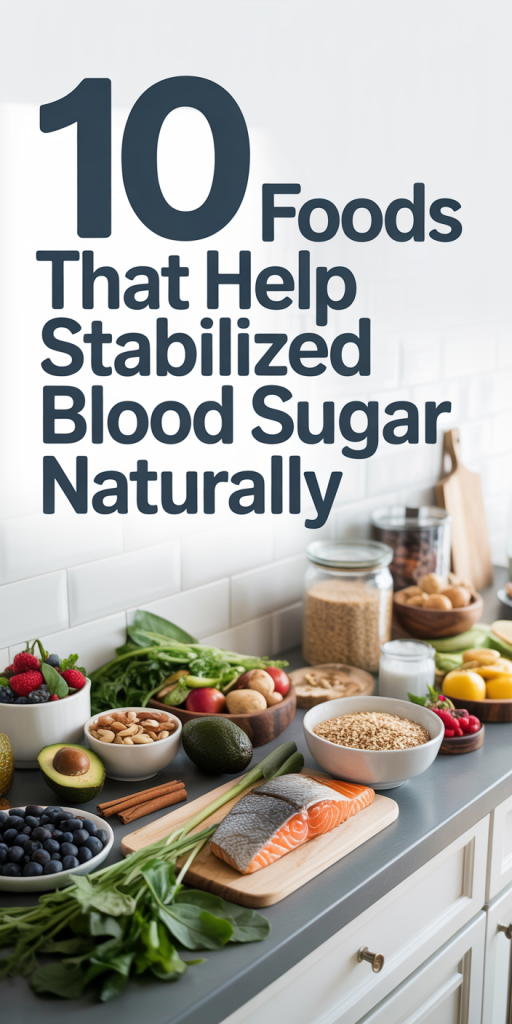
Not all whole grains are equal, and processing matters. Intact or minimally processed whole grains, steel-cut oats, barley, quinoa, whole-grain farro, retain fiber and structure that slow digestion. In contrast, finely milled whole-grain flours can behave more like refined carbs.
Evidence: population studies and randomized trials link whole-grain intake to lower risk of type 2 diabetes. Barley and oats, which contain beta-glucans, have especially robust data for lowering postprandial glucose and improving cholesterol. The key is pairing grain servings with protein, fat, and vegetables to blunt glycemic impact.
Practical swaps: choose steel-cut or rolled oats over instant oatmeal, replace white rice with mixed-grain blends or cauliflower rice when appropriate, and favor whole-grain bread labeled stone-ground or sprouted grain. Portion control is still important, aim for 1/3 to 1/2 cup cooked cooked grains per serving when paired with other stabilizing foods.
Fermented Dairy And Protein‑Rich Foods: Improve Insulin Response And Satiety
Protein slows carbohydrate absorption and stimulates insulin in a balanced way that helps tissues take up glucose efficiently. Fermented dairy, plain Greek yogurt, skyr, kefir, offers protein plus probiotics that may favorably influence glucose metabolism via gut-mediated mechanisms. Observational studies show regular yogurt intake associates with lower risk of type 2 diabetes, and some trials report improvements in fasting glucose when low-fat fermented dairy is part of the diet.
Beyond dairy, lean proteins (poultry, eggs, tofu) and plant-based protein powders help keep blood sugar steady by reducing the relative proportion of available carbohydrates in a meal and prolonging satiety.
Meal ideas: build breakfasts around Greek yogurt with berries and a sprinkle of walnuts, enjoy an egg-and-vegetable scramble with a side of whole-grain toast, or add grilled chicken to grain bowls. We recommend unsweetened fermented dairy to avoid added sugars that undermine glucose control.
Fatty Fish And Omega‑3s: Reduce Inflammation And Support Metabolic Health
Fatty fish, salmon, mackerel, sardines, supply long-chain omega-3 fatty acids (EPA and DHA) that reduce systemic inflammation and may improve insulin sensitivity indirectly. While omega-3s don’t acutely lower post-meal glucose the way fiber or protein do, consistent consumption supports metabolic health and cardiovascular risk reduction, which is crucial because dysglycemia often coexists with heart disease risk factors.
Clinical context: randomized trials show fish oil can modestly affect triglycerides and inflammatory markers: effects on fasting glucose are mixed but overall favorable when omega-3s are part of a healthy dietary pattern. We view fatty fish as part of a broader metabolic strategy rather than a standalone blood-glucose fixer.
How we eat it: aim for two servings (about 3–4 ounces each) of fatty fish per week, grilled or baked with herbs and lemon. For people who don’t eat fish, algae-based EPA/DHA supplements are an alternative. Pair fish with non-starchy vegetables and whole grains for a balanced, glucose-friendly plate.
Vinegar, Cinnamon And Other Blood Sugar–Friendly Condiments And Spices
Certain condiments and spices have measurable effects on post-meal glucose. Vinegar (acetic acid) reduces gastric emptying and can lower postprandial glucose when consumed with starchy meals: studies show 1–2 tablespoons of vinegar in salad dressing or diluted in water before a carb-heavy meal blunts the glucose peak. Cinnamon has insulin-sensitizing properties in some trials, with modest effects on fasting glucose and HbA1c when used regularly.
Other helpful additions: fenugreek, bitter melon (used traditionally and examined in small studies), and turmeric (curcumin) show potential metabolic benefits, though evidence strength varies. Importantly, spices and vinegar are adjuncts, not substitutes, for whole-food strategies.
Usage tips: we mix 1–2 tablespoons of apple cider vinegar into a large salad dressing or dilute in water before dinner when eating rice or potatoes. Sprinkle 1/2 to 1 teaspoon of cinnamon into oatmeal or coffee. These small changes are low-risk and can be incorporated consistently to support blood sugar control.
Conclusion
Stabilizing blood sugar naturally is about patterns more than single “magic” foods. We’ve outlined ten food categories, from leafy greens and legumes to fatty fish and vinegar, that reduce glycemic spikes through fiber, protein, healthy fats, phytochemicals, and fermentation. The most practical approach is combining these elements: a plate built from non-starchy vegetables, a moderate portion of whole grains or legumes, a serving of protein, and healthy fats will consistently produce steadier glucose responses.
We encourage you to experiment with these swaps, monitor how you feel (or use glucose tracking if applicable), and prioritize sustainable, enjoyable meals. Small, consistent changes compound over months: that’s how we stabilize blood sugar naturally and protect long-term metabolic health.