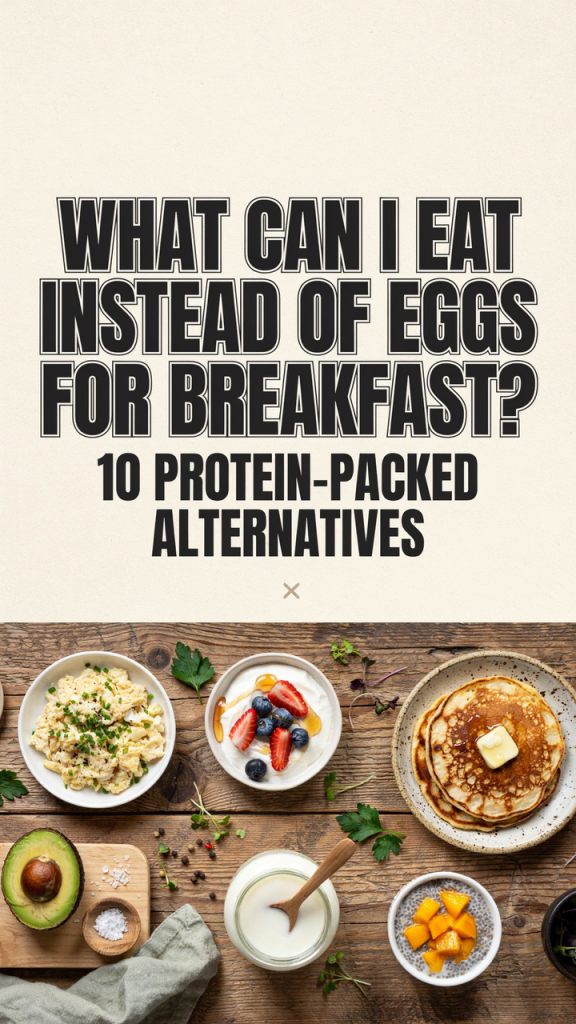
What Can I Eat Instead of Eggs for Breakfast? 10 Protein-Packed Alternatives
Breakfast is often called the most important meal of the day — and if you’re used to eggs, you probably rely on them for quick, affordable protein. But whether you’re allergic, avoiding cholesterol, following a vegan diet, or simply craving variety, there are plenty of satisfying, protein-rich breakfast alternatives that will keep you full and energized. In this guide you’ll find ten protein-packed swaps for eggs, each with an easy recipe or meal idea so you can start your day strong without sacrificing taste or nutrition.
Why choose egg alternatives for breakfast?
There are many good reasons to look beyond eggs:
- Allergies or intolerance: Egg allergy is common, especially in children.
- Dietary preferences: Vegans and some vegetarians avoid eggs.
- Health concerns: Some people limit dietary cholesterol or saturated fat.
- Variety and convenience: You may want new flavors or quicker options.
- Sustainability and ethics: Plant-based options can reduce environmental impact.
Whatever your reason, swapping eggs doesn’t mean losing protein. Many non-egg breakfasts deliver comparable or superior protein per serving, plus added fiber, vitamins, and minerals.
How much protein do you need at breakfast?
Aim to get 20–30 grams of protein at breakfast if you’re very active, trying to build muscle, or looking to manage appetite throughout the morning. For most people, 15–20 grams is a reasonable target to support satiety and stable blood sugar. The alternatives below include approximate protein counts so you can mix and match to meet your needs.
10 Protein-Packed Alternatives
Below are ten egg-free breakfast options. Each section includes a quick explanation, estimated protein per serving, and a simple recipe or meal idea with ingredients and step-by-step instructions.
1) Greek Yogurt Breakfast Bowl (Protein: ~15–20 g)
Greek yogurt is dense in protein and very versatile. Choose plain, full-fat or low-fat depending on your calorie needs — plain yogurt also has less added sugar than flavored varieties.
Ingredients:
– 1 cup plain Greek yogurt (approx. 15–20 g protein)
– 1/4 cup mixed berries (fresh or frozen)
– 2 tbsp chopped nuts (almonds or walnuts)
– 1 tbsp chia or hemp seeds
– 1 tsp honey or maple syrup (optional)
Instructions:
1. Spoon Greek yogurt into a bowl.
2. Top with berries, nuts, and seeds.
3. Drizzle honey or maple syrup if desired and stir lightly.
4. Eat immediately or pack in a container for breakfast on the go.
Tip: Add 1 scoop of protein powder to boost protein to 30+ g.
2) Cottage Cheese & Fruit Plate (Protein: ~14–20 g)
Cottage cheese is another high-protein dairy alternative that pairs well with sweet or savory toppings.
Ingredients:
– 1 cup low-fat cottage cheese (approx. 14–20 g protein)
– 1/2 cup sliced pineapple or peach
– 1 tbsp sunflower seeds or pumpkin seeds
– Freshly cracked black pepper or cinnamon (optional)
Instructions:
1. Place cottage cheese in a bowl or on a plate.
2. Top with fruit and seeds.
3. Add a sprinkle of black pepper for savory or cinnamon for sweet.
4. Serve with a slice of whole-grain toast if desired.
3) Tofu Scramble (Protein: ~12–18 g)
Tofu scramble mimics scrambled eggs in texture and is a staple vegan breakfast. Use firm or extra-firm tofu for best results.
Ingredients:
– 200 g firm tofu, crumbled (approx. 12–16 g protein)
– 1 tsp olive oil
– 1/4 cup diced onion
– 1/4 cup diced bell pepper
– 1/2 tsp turmeric (for color)
– Salt and pepper to taste
– Fresh spinach or chopped herbs (optional)
Instructions:
1. Heat oil in a skillet over medium heat.
2. Sauté onion and bell pepper until softened, about 3–4 minutes.
3. Add crumbled tofu and turmeric; cook 5–6 minutes, stirring occasionally.
4. Stir in spinach or herbs until wilted; season with salt and pepper.
5. Serve with whole-grain toast or in a breakfast burrito.
Tip: Add nutritional yeast for a cheesy flavor and extra protein.
4) Tempeh Breakfast Hash (Protein: ~15–20 g)
Tempeh is fermented soy with a firm texture and nutty flavor — higher in protein and fiber than tofu.
Ingredients:
– 6 oz tempeh, cubed or crumbled (approx. 15–18 g protein)
– 1 small sweet potato, diced
– 1/2 cup diced onion
– 1/2 cup diced bell pepper
– 1 tbsp olive oil
– 1 tsp smoked paprika
– Salt and pepper to taste
– Fresh parsley or green onion (optional)
Instructions:
1. Parboil or microwave diced sweet potato until slightly tender, about 4–6 minutes.
2. Heat oil in a skillet and sauté onion and bell pepper until soft.
3. Add tempeh cubes and cook until browned, about 5–7 minutes.
4. Add sweet potato and smoked paprika; toss to combine and heat through.
5. Season, garnish with parsley or green onion, and serve.
5) Smoked Salmon & Avocado Toast (Protein: ~15–20 g)
Smoked salmon is an excellent way to get fast, high-quality protein plus omega-3 fats in a breakfast that’s elegant and easy.
Ingredients:
– 2 slices whole-grain bread, toasted
– 3 oz smoked salmon (approx. 12–15 g protein)
– 1/2 avocado, mashed
– 1 tbsp capers (optional)
– Lemon wedge, dill, pepper
Instructions:
1. Toast the bread.
2. Spread mashed avocado evenly on each slice.
3. Top with smoked salmon and capers.
4. Squeeze lemon, add dill and pepper to taste, and serve.
Note: Swap smoked salmon for canned tuna or sardines if preferred.
6) High-Protein Smoothie (Protein: ~20–35 g)
A protein smoothie is fast, portable, and customizable. Use dairy or plant-based protein powder to reach your target.
Ingredients:
– 1 scoop whey or plant-based protein powder (approx. 15–25 g protein)
– 1 cup unsweetened almond milk or regular milk (approx. 1–8 g protein depending on type)
– 1/2 cup Greek yogurt or silken tofu (optional; adds 7–10 g)
– 1/2 banana or 1/2 cup berries
– 1 tbsp nut butter or 1 tbsp chia seeds
Instructions:
1. Add all ingredients to a blender.
2. Blend until smooth and creamy.
3. Pour into a cup and enjoy immediately.
Tip: Add spinach or oats for fiber and longer-lasting energy.
7) Chickpea Flour Omelette (Besan Chilla) (Protein: ~12–18 g)
Chickpea flour (besan) makes a savory, egg-free omelette with a similar mouthfeel. It’s naturally gluten-free and vegan.
Ingredients:
– 3/4 cup chickpea flour (approx. 12–18 g protein per serving depending on portion)
– 3/4 cup water
– 1/4 cup diced tomatoes
– 1/4 cup diced onion
– 1 green chili or 1/4 tsp chili flakes (optional)
– 1 tbsp olive oil
– Salt, turmeric, cumin (to taste)
– Fresh cilantro
Instructions:
1. Whisk chickpea flour and water to a smooth batter, add salt and spices.
2. Stir in vegetables and cilantro.
3. Heat oil in a non-stick pan over medium heat.
4. Pour batter to form a pancake-sized omelette and cook 3–4 minutes per side until set and golden.
5. Serve with chutney or yogurt.
Protein varies by portion; adding tofu or a scoop of vegan protein increases the total.
8) Nut Butter & Seed Toast with Greek Yogurt Drizzle (Protein: ~12–20 g)
A layered toast with nut butter, seeds, and a dollop of Greek yogurt packs healthy fats and protein while staying quick.
Ingredients:
– 2 slices high-protein whole-grain bread (look for added protein varieties)
– 2 tbsp almond or peanut butter (approx. 7–8 g protein)
– 1 tbsp chia seeds or hemp seeds (approx. 3–5 g protein)
– 1/4 cup Greek yogurt for drizzle (optional, adds 4–6 g)
– Sliced banana or apple (optional)
Instructions:
1. Toast the bread.
2. Spread nut butter evenly on each slice.
3. Sprinkle seeds and top with banana/apple slices.
4. Spoon or drizzle Greek yogurt on top and enjoy.
Tip: Choose high-protein bread (10 g protein per 2 slices) to reach higher protein totals.
9) Quinoa Breakfast Bowl with Nuts & Fruit (Protein: ~10–18 g)
Quinoa is a complete plant protein and warms into a satisfying porridge. Combine with nuts, seeds, and dairy or plant yogurt.
Ingredients:
– 1/2 cup cooked quinoa (approx. 4–6 g protein)
– 1/2 cup milk or soy milk (approx. 4–8 g protein)
– 2 tbsp chopped nuts (almonds/walnuts) (approx. 3–4 g)
– 1 tbsp hemp or chia seeds (approx. 3–5 g)
– 1/4 cup berries or diced apple
– Cinnamon and a drizzle of honey (optional)
Instructions:
1. Warm cooked quinoa with milk in a small pot until heated.
2. Transfer to a bowl and add fruit, nuts, and seeds.
3. Sprinkle cinnamon and a small drizzle of honey if desired.
4. Stir and eat warm.
Tip: Add a scoop of protein powder or a side of Greek yogurt to boost protein to 20+ g.
10) Savory Lentil Patties with Greens (Protein: ~15–22 g)
Lentils are inexpensive, high in protein and fiber, and make sturdy patties that hold up well for breakfast sandwiches or with a salad.
Ingredients:
– 1 cup cooked lentils (approx. 18 g protein)
– 1/4 cup finely chopped onion
– 1/4 cup grated carrot
– 2 tbsp oat flour or breadcrumbs
– 1 tbsp olive oil for frying
– 1 egg replacer or 1 tbsp flaxseed + 3 tbsp water (if vegan)
– Salt, pepper, cumin, and parsley
Instructions:
1. Combine cooked lentils, onion, carrot, oat flour, flax egg or egg replacer, and seasonings in a bowl. Mash slightly to bind.
2. Form into 3–4 small patties.
3. Heat oil in a skillet over medium heat and cook patties 3–4 minutes per side until golden.
4. Serve on whole-grain toast, in a pita, or over mixed greens.
Protein content depends on portion and whether you include sides like yogurt or toast.
Tips to Boost Protein in Egg-Free Breakfasts
- Add a scoop of protein powder to smoothies, oats, or yogurt.
- Include seeds (hemp, chia, flax) and nuts for extra protein and healthy fats.
- Combine plant proteins (e.g., legumes + grains) for a complete amino acid profile.
- Choose Greek yogurt or high-protein dairy alternatives.
- Prepare batch-cooked staples (quinoa, lentils, tofu) to save time in the morning.
Frequently Asked Questions
- Can I get enough protein without eggs?
Yes. Combining the right foods (dairy or soy + grains or seeds) easily meets typical breakfast protein targets. - Are plant proteins as good as animal proteins for breakfast?
Animal proteins are “complete” but plant diets can be complete too by mixing sources (legumes, grains, nuts, seeds). Soy (tofu, tempeh, edamame) and quinoa are complete plant proteins. - What about cholesterol if I miss eggs?
Most plant-based breakfasts are cholesterol-free. If managing cholesterol, prioritize unsaturated fats from nuts, seeds, and fish like salmon (if not vegan).
Conclusion
Eggs have been a breakfast staple for good reason, but you have many protein-packed, delicious alternatives that fit every diet and lifestyle. From Greek yogurt bowls and tofu scrambles to smoked salmon toast and lentil patties, the ten ideas here give you a toolbox of options to rotate through your week. Experiment with flavors, combine sources to hit your personal protein goals, and remember that a satisfying breakfast sets the tone for a productive day. Whether you’re avoiding eggs temporarily or for good, these swaps will keep you energized, full, and excited about breakfast again.