
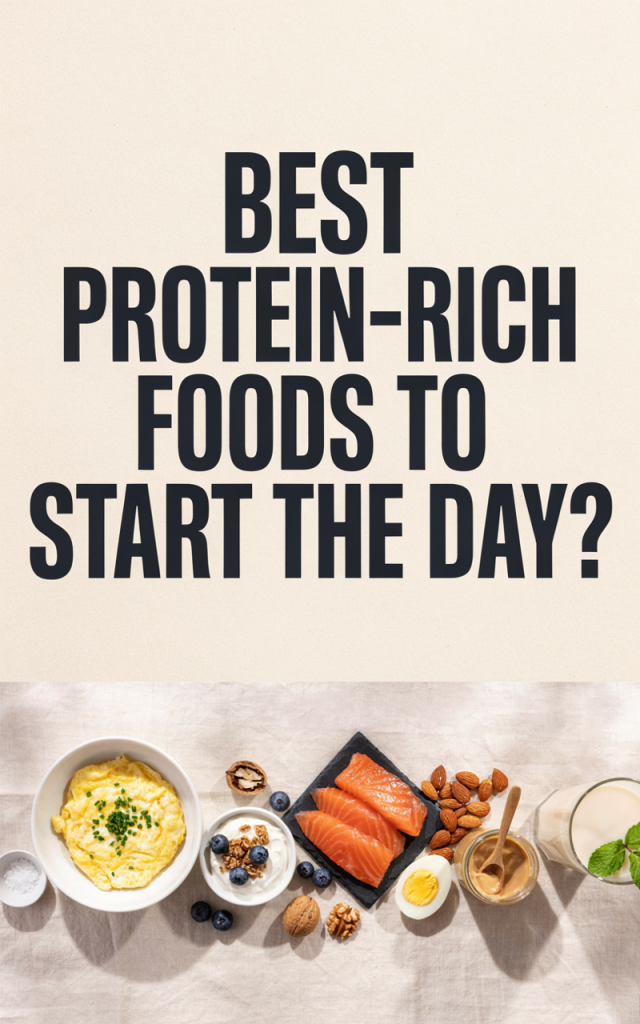
What Are the Best Protein-Rich Foods to Start the Day?
Starting your day with a protein-rich breakfast sets the tone for better energy, stronger muscle support, improved satiety, and steadier blood sugar. Whether your goal is weight management, muscle gain, or simply a more balanced morning, choosing the right protein sources matters. This guide walks you through why morning protein is powerful, how much to aim for, 20 of the best protein-rich foods to include in your breakfasts, practical pairings, and six ready-to-make breakfast recipes to put protein on your plate immediately.
Why Protein Matters in the Morning
Protein does more than build and repair muscle. In the morning, protein:
- Slows digestion and prolongs satiety, helping control mid-morning cravings and overeating later.
- Helps stabilize blood sugar and energy levels, reducing bumps in focus and mood.
- Supports lean muscle mass—important for metabolism and long-term health—especially when paired with resistance training.
- Provides essential amino acids your body can’t make on its own.
Starting the day without protein often leads to rapid hunger and energy dips. Think of protein as the steady foundation for your morning fuel.
How Much Protein Should You Aim For?
H2: General targets
- For most adults: aim for 20–40 grams of protein at breakfast to meaningfully affect satiety and muscle protein synthesis.
- Active individuals or those building muscle: toward the upper end (30–40 g).
- Older adults often benefit from higher per-meal protein (30–40 g) to counter sarcopenia (age-related muscle loss).
H3: Practical tips for hitting your target
- Combine complementary sources (e.g., eggs + whole-grain toast + nut butter).
- Use concentrated sources like Greek yogurt, cottage cheese, or protein powder if whole foods alone fall short.
- Pre-portion and prep staples (boiled eggs, cooked quinoa, pre-cubed tofu) for quick assembly.
20 Best Protein-Rich Foods to Start the Day
Below are 20 nutrient-dense, breakfast-friendly protein sources. Each entry includes an approximate protein amount per common serving and quick ideas for how to use it in the morning.
- Eggs — ~6–7 g per large egg
Versatile, complete-protein source. Scrambled, poached, hard-boiled, or in an omelette with vegetables. - Greek yogurt (plain, nonfat or low-fat) — ~15–20 g per 6 oz (170 g)
Thick, tangy, and high in protein. Use in parfaits, smoothies, or as a base for savory bowls. - Cottage cheese — ~14 g per 1/2 cup (120 g)
Creamy and protein-dense. Pair with fruit, savory herbs, or use as a spread on toast. - Smoked salmon — ~16–18 g per 3 oz (85 g)
Rich in protein and omega-3 fats. Excellent with bagels, eggs, or atop avocado toast. - Tofu (firm) — ~10 g per 1/2 cup (126 g)
A soy-based complete protein. Use in scrambles, smoothies (silken), or grilled slices. - Tempeh — ~15–16 g per 3 oz (85 g)
Fermented soy with a firm texture and nutty flavor. Try in breakfast bowls or sautéed with veggies. - Oats (rolled) — ~5–7 g per 1/2 cup dry (40–50 g)
Oats provide modest protein and fiber; pair with milk, Greek yogurt, or seeds to up the protein. - Quinoa — ~8 g per cooked cup (185 g)
A complete plant protein. Use as a hot cereal or base for breakfast bowls. - Peanut butter / almond butter — ~7–8 g per 2 tbsp
Calorie-dense and satisfying. Spread on toast, add to smoothies, or stir into oats. - Chia seeds — ~4–5 g per 2 tbsp
Gel-forming seeds with protein, fiber, and omega-3s. Make chia pudding or sprinkle on yogurt. - Hemp seeds — ~10 g per 3 tbsp
High-protein seeds with a mild nutty taste. Sprinkle over oatmeal, yogurt, or smoothies. - Milk (cow’s) — ~8 g per cup (240 mL) / Soy milk — ~7–9 g per cup
Liquid protein for coffees, cereals, and smoothies. Choose fortified plant milk if preferred. - Lean turkey or chicken breast — ~20–25 g per 3 oz (85 g)
Excellent for savory breakfasts: wraps, sandwiches, or with eggs. - Protein powder (whey, casein, pea, soy) — ~15–25 g per scoop
Quick way to boost protein in smoothies, oats, and pancake batter. - Edamame (shelled) — ~17 g per cup (155 g)
Young soybeans that cook quickly—great added to grain bowls or blended into spreads. - Beans & lentils — ~8–9 g per 1/2 cup cooked (lentils ~9 g)
Fiber-rich plant proteins. Use black beans in breakfast burritos or lentils in savory bowls. - Seitan (wheat gluten) — ~20–25 g per 3 oz (85 g)
High-protein plant option with meaty texture. Sauté or grill for a robust breakfast protein. - Nutritional yeast — ~8 g per 2 tbsp
Savory, cheesy-flavored source of protein and B-vitamins. Stir into tofu scrambles or sprinkle on avocado toast. - Pumpkin seeds (pepitas) — ~8–9 g per 1/4 cup
Crunchy topping for yogurt, smoothies, and oatmeal with healthy fats and zinc. - Sprouted grain or high-protein bread — ~6–10 g per slice (varies)
Choose sprouted or legume-enriched breads to raise protein; perfect for open-faced sandwiches and toast.
H3: Combining foods for maximum benefit
- Pair a moderate-protein grain (oats, quinoa) with a concentrated source (Greek yogurt, eggs, nut butter) to hit 20–30 g.
- For vegan breakfasts, combine tofu/tempeh/seitan with hemp or chia seeds and whole grains.
- Add seeds or powdered protein when you need a quick protein boost and don’t have time to cook.
How to Build a Protein-Focused Breakfast Plate
H2: Simple formulas
- 1 protein + 1 whole grain + 1 fruit/vegetable + healthy fat = balanced meal
Example: Scrambled eggs (protein) + sprouted toast (grain) + tomato slices (veg) + avocado (fat). - 2 smaller proteins + sides = flexibility
Example: Greek yogurt parfait plus a boiled egg.
H3: Portion and calorie considerations
- If weight loss is the goal: prioritize lean proteins and non-starchy vegetables; control nut/seed portions.
- If energy/mass gain is the goal: include calorie-dense proteins (nut butter, whole milk, seeds) and larger portions.
High-Protein Breakfast Ideas and Recipes
Below are six practical, flavorful recipes you can make at home. Each recipe includes a bulleted ingredients list and numbered instructions for clarity.
1. Classic Veggie Omelette with Cottage Cheese
Ingredients:
– 2 large eggs (or 1 egg + 3 egg whites)
– 1/3 cup cottage cheese
– 1/2 cup mixed diced vegetables (bell pepper, spinach, mushroom)
– 1 tsp olive oil or butter
– Salt and pepper to taste
– Fresh herbs (optional: chives or parsley)
Instructions:
1. Whisk the eggs with a pinch of salt and pepper.
2. Heat oil in a nonstick skillet over medium heat; sauté veggies until softened (2–3 minutes).
3. Pour eggs into the pan, tilt to spread; cook until edges set.
4. Spoon cottage cheese onto one half, fold the omelette over and cook for another 1–2 minutes until set.
5. Slide onto a plate, garnish with herbs, and serve with whole-grain toast if desired.
Protein estimate: ~24–28 g (depending on egg size and cottage cheese amount).
2. Greek Yogurt Parfait with Chia & Hemp Seeds
Ingredients:
– 1 cup plain Greek yogurt
– 1 tbsp chia seeds
– 2 tbsp hemp seeds
– 1/2 cup mixed berries (fresh or thawed frozen)
– 1–2 tsp honey or maple syrup (optional)
– 2 tbsp granola (optional for crunch)
Instructions:
1. In a bowl or jar, spoon half the Greek yogurt.
2. Layer half the berries and sprinkle 1/2 tbsp chia and 1 tbsp hemp seeds.
3. Add remaining yogurt, top with remaining seeds and berries.
4. Drizzle honey if using and sprinkle granola just before eating for crunch.
Protein estimate: ~25–30 g (depending on yogurt brand and hemp seed amount).
3. Smoked Salmon and Avocado Toast on Sprouted Grain Bread
Ingredients:
– 2 slices sprouted grain or high-protein bread
– 3 oz smoked salmon
– 1/2 avocado, mashed
– 1 tbsp plain cream cheese or cottage cheese (optional)
– Lemon wedge, dill, and cracked black pepper
Instructions:
1. Toast the bread to your liking.
2. Spread a thin layer of cream cheese or cottage cheese on each slice if using.
3. Mash avocado and spread over toast.
4. Top with smoked salmon, squeeze lemon, sprinkle dill and pepper.
5. Serve immediately.
Protein estimate: ~20–25 g (varies with bread and salmon portion).
4. Tofu Scramble with Nutritional Yeast
Ingredients:
– 1/2 block firm tofu (about 6 oz), drained and crumbled
– 1/2 cup diced onion and bell pepper
– 1 cup spinach
– 1 tbsp olive oil
– 2 tbsp nutritional yeast
– 1/2 tsp turmeric (for color)
– Salt and pepper to taste
Instructions:
1. Heat oil in a skillet over medium heat; sauté onion and pepper until soft.
2. Add crumbled tofu and turmeric, stir to combine and heat through.
3. Sprinkle nutritional yeast, salt, and pepper; fold in spinach until wilted.
4. Cook 2–3 minutes more, adjust seasoning, and serve with whole-grain toast or a side of beans.
Protein estimate: ~20 g (tofu + nutritional yeast).
5. Quinoa Breakfast Bowl with Nuts and Milk
Ingredients:
– 1 cup cooked quinoa (cooled slightly)
– 1/2 cup milk or soy milk
– 2 tbsp chopped almonds or walnuts
– 1 tbsp hemp seeds
– 1 small banana, sliced
– 1 tsp cinnamon
– 1 tsp maple syrup (optional)
Instructions:
1. Warm quinoa with milk in a saucepan until heated through.
2. Transfer to a bowl; stir in cinnamon and maple syrup if using.
3. Top with banana slices, chopped nuts, and hemp seeds.
4. Enjoy warm or chilled.
Protein estimate: ~16–20 g (increases with milk type and seed amount).
6. Green Protein Smoothie (Whey or Plant Protein)
Ingredients:
– 1 scoop protein powder (whey, pea, or soy)
– 1 cup milk or plant milk
– 1 cup spinach
– 1/2 banana
– 1 tbsp peanut or almond butter
– 4–6 ice cubes
Instructions:
1. Add all ingredients to a blender.
2. Blend on high until smooth and creamy.
3. Pour into a glass and drink within an hour for best texture.
Protein estimate: ~25–35 g (depends on protein powder and milk).
Quick Meal Prep Tips for High-Protein Mornings
H2: Save time without sacrificing protein
- Batch-cook hard-boiled eggs (store peeled/unpeeled) for 4–5 days.
- Cook a pot of quinoa or lentils on Sunday—reheat for bowls or use cold in parfaits.
- Portion Greek yogurt and toppings in jars for grab-and-go parfaits.
- Freeze smoothie packs (fruit + spinach + seeds) in single-serve bags; just add milk and protein powder.
- Marinate and bake tofu or tempeh slices; reheat quickly for sandwiches and bowls.
H3: Grocery list essentials to keep stocked
- Eggs, Greek yogurt, cottage cheese
- A protein powder you like
- Tofu or tempeh (if plant-based)
- Smoked salmon or lean deli turkey (check sodium)
- Quinoa, rolled oats, sprouted bread
- Nuts, nut butters, seeds (chia, hemp, pumpkin)
- Frozen berries and greens for smoothies
FAQs: Common Questions About Breakfast Protein
H2: Can I overdo protein at breakfast?
Eating more protein than you need in one meal isn’t harmful for most healthy people, but balance across the day is wise. Distributing protein across meals (20–40 g per meal) is better for muscle protein synthesis than slamming all intake in one sitting for many populations.
H3: What about combining dairy and plant proteins?
Combining dairy (Greek yogurt, milk) with plant proteins (oats, hemp seeds, nut butter) is effective and enhances amino acid profiles. If you avoid dairy, pairing complementary plant proteins (e.g., quinoa + hemp seeds + legumes) gives a complete amino acid mix.
Conclusion: Start Strong with Protein
A protein-rich breakfast is one of the simplest, most effective changes you can make for better energy, appetite control, and long-term health outcomes. Use the 20 foods listed here as building blocks—combine them according to your taste, dietary preferences, and goals. Try the provided recipes to jump-start your mornings and experiment by swapping ingredients to keep breakfast exciting. With small planning steps (batch cooking, pre-portioning, and keeping versatile staples on hand), you can make high-protein breakfasts the dependable, delicious foundation of your day.
You’ve got the tools and the recipes—now pick one protein-packed breakfast to try tomorrow and start the day with purpose.


