
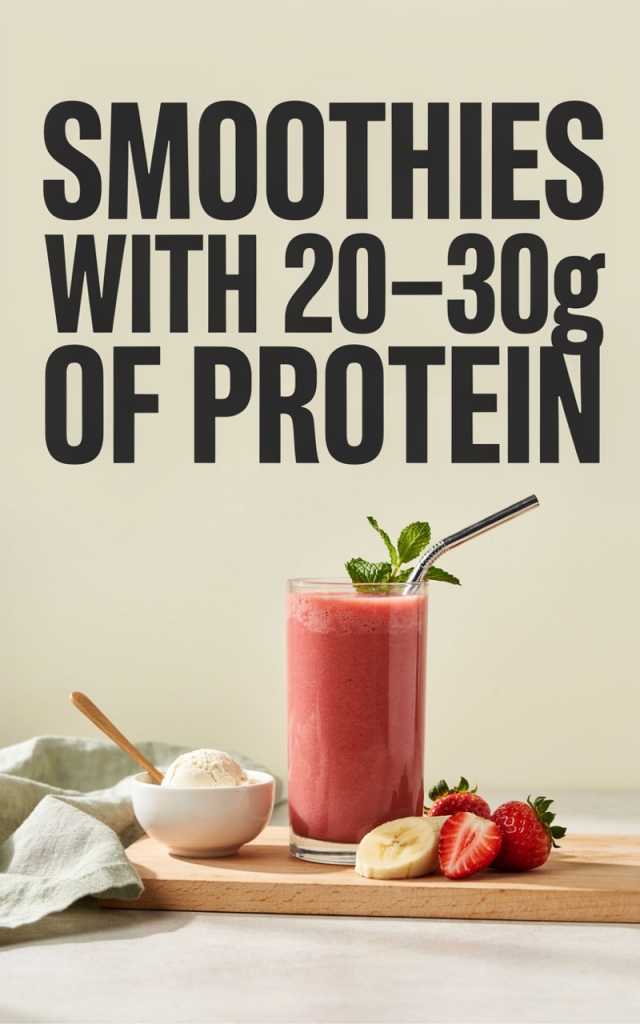
Smoothies With 20–30 Grams of Protein
Smoothies are a fast, tasty, and convenient way to get nutrients, but many end up being heavy on sugar and light on the most important macronutrient for recovery, appetite control, and muscle maintenance: protein. If you want smoothies that keep you full, power your workouts, and support overall health, aim for roughly 20–30 grams of protein per serving. That range is large enough to promote satiety and support muscle protein synthesis after exercise, while remaining realistic for a single drink.
Below you’ll find a practical guide to building high-protein smoothies and 10 tested recipes that each deliver approximately 20–30 grams of protein per serving. Each recipe includes ingredients and step-by-step instructions so you can blend quickly and confidently.
Why aim for 20–30 grams of protein in a smoothie?
- It’s a practical single-meal protein target. Many experts recommend 20–30 grams protein per meal as an effective dose to stimulate muscle protein synthesis.
- It helps control appetite and stabilize blood sugar over the next few hours.
- It’s realistic to pack into a 12–16 ounce smoothie without making it overly thick or calorie-dense.
- It supports diverse goals — from weight management to athletic recovery to general health — while being an easy vehicle for other micronutrients (fiber, calcium, iron, antioxidants).
How to build a 20–30 gram protein smoothie (H3)
Hitting a protein target consistently is easier when you understand the building blocks:
- Primary protein sources:
- Whey, casein, soy, pea, or other powdered proteins (typically 15–25 g per 1 scoop depending on brand).
- Plain Greek yogurt (1 cup ≈ 18–24 g protein depending on brand).
- Cottage cheese (1/2 cup ≈ 12–14 g; 1 cup ≈ 24–28 g).
- Silken tofu (1/2 cup ≈ 8 g).
- Milk and fortified plant milks (cow milk ~8 g/cup; soy milk ~6–8 g/cup).
- Secondary boosters:
- Nut or seed butters (1–2 tbsp = 4–8 g).
- Hemp seeds (1–3 tbsp ≈ 3–10 g).
- Chia seeds, flaxseed, oats add a few grams and improve texture.
- Keep sugar and calories in check by prioritizing whole foods (fruit, vegetables) and using yogurt or milk over excessive sweeteners.
Tip: If you use a scoop of protein powder, check its protein content and adjust other ingredients (Greek yogurt, milk, nut butter) to stay in the 20–30 g window.
Tips for texture, flavor, and digestion
- For creamy texture: use Greek yogurt, silken tofu, ripe avocado, or soaked oats.
- For sweetness without added sugar: use ripe banana, dates (sparingly), or frozen fruit.
- For a refreshing green smoothie: add spinach or kale; they blend smoothly and keep flavor mild when balanced with fruit.
- For easier digestion: use lactose-free milk or plant milk if dairy bothers you, or choose hydrolyzed protein powders if you require fast digestion.
- For balanced meals: include a source of healthy fat (nuts/seeds, avocado) and fiber (oats, fruit, veg) along with the protein.
10 Smoothie Recipes (each ~20–30 g protein)
Below are 10 recipes that reliably land in the 20–30 gram protein range. Protein amounts are estimated per serving and may vary depending on brand and exact ingredient measurements. Adjust portions slightly if you want to hit a precise target.
1) Berry Whey Power Smoothie
Estimated protein: ~24 g
Ingredients:
– 1 scoop whey protein powder (about 20 g protein, flavor of your choice)
– 1/2 cup (120 ml) low-fat cow’s milk or fortified soy milk (≈4–7 g protein)
– 1/2 cup frozen mixed berries
– 1/2 small banana (frozen or fresh)
– 1 handful (about 1 cup) baby spinach (optional)
– 4–6 ice cubes or water to thin
Instructions:
1. Add milk, berries, banana, and spinach to the blender.
2. Scoop in the whey protein powder.
3. Blend on high until smooth. Add ice or water to reach desired consistency.
4. Taste and adjust sweetness with a dash of cinnamon or a few drops of vanilla extract if needed.
5. Serve immediately.
2) Peanut Butter Greek Banana Smoothie
Estimated protein: ~23 g
Ingredients:
– 3/4 cup plain Greek yogurt (≈15 g protein)
– 2 tbsp natural peanut butter (≈8 g protein)
– 1 small ripe banana
– 1/2 cup water or unsweetened almond milk (for thinning)
– 1/4 tsp cinnamon (optional)
– Ice as desired
Instructions:
1. Spoon Greek yogurt and peanut butter into the blender.
2. Add banana, milk (or water), and cinnamon.
3. Blend until completely smooth, adding ice for a thicker texture.
4. Pour and enjoy immediately.
3) Tropical Cottage & Tofu Smoothie
Estimated protein: ~22 g
Ingredients:
– 1/2 cup cottage cheese (≈14 g protein)
– 1/2 cup silken tofu (≈8 g protein)
– 1/2 cup frozen pineapple chunks
– 1/2 cup frozen mango
– 1/2 cup water or coconut water
– Optional: 1 tsp lime juice for brightness
Instructions:
1. Combine cottage cheese, silken tofu, pineapple, and mango in the blender.
2. Add water or coconut water and lime juice if using.
3. Blend until velvety and pour into a glass.
4. Adjust thickness by adding more liquid or ice as needed.
4) Chocolate Oat + Greek Yogurt Protein Smoothie
Estimated protein: ~30 g
Ingredients:
– 1 cup plain Greek yogurt (≈20 g protein)
– 1/2 scoop chocolate whey protein powder (≈10 g protein)
– 1/4 cup rolled oats (≈3 g protein, adds creaminess)
– 1 tbsp unsweetened cocoa powder
– 1/2 cup water or milk of choice
– Ice as desired
Instructions:
1. Place Greek yogurt, whey powder, oats, and cocoa powder into the blender.
2. Add milk or water and blend until smooth. Let sit 1–2 minutes if oats need softening, then blend again.
3. Add ice for a thicker texture and blend until frosty.
4. Serve immediately.
5) Green Hemp Protein Smoothie (Vegan-friendly)
Estimated protein: ~20 g
Ingredients:
– 1/2 cup plain or vanilla soy yogurt or soy milk (≈6–8 g protein if using soy milk; adjust if using yogurt)
– 3 tbsp hemp seeds (≈9–10 g protein)
– 1 medium banana (frozen)
– 1 handful baby spinach
– 1/2 cup water or additional soy milk
Instructions:
1. Add soy milk or soy yogurt and water to the blender.
2. Add hemp seeds, banana, and spinach.
3. Blend thoroughly until smooth and creamy.
4. Taste and add a little vanilla or a pinch of cinnamon if desired.
6) Almond & Chia Vanilla Smoothie
Estimated protein: ~20 g
Ingredients:
– 1 cup soy milk (≈7 g protein)
– 2 tbsp almond butter (≈7 g protein)
– 3 tbsp chia seeds soaked in 3/8 cup water (≈6 g protein)
– 1/2 tsp pure vanilla extract
– Ice cubes as needed
Instructions:
1. If you haven’t pre-soaked the chia seeds, combine chia and water for a few minutes to gel.
2. Add soy milk, almond butter, soaked chia, and vanilla to the blender.
3. Blend until smooth and creamy. Add ice for a thicker, chilled texture.
4. Pour and enjoy right away.
7) Mocha Espresso Whey Smoothie
Estimated protein: ~24 g
Ingredients:
– 1 scoop whey protein powder (≈20 g protein)
– 1/2 cup low-fat milk (≈4 g protein)
– 1/2 cup cold brewed coffee or cooled espresso
– 1/2 frozen banana (for creaminess)
– Ice to chill
Instructions:
1. Combine milk, coffee, banana, and whey in the blender.
2. Blend until smooth and frothy. Add ice if you prefer it chilled and blend again.
3. Taste and add a touch of cocoa powder or a natural sweetener if desired.
4. Serve immediately.
8) Berry Cottage Cheese Smoothie
Estimated protein: ~25 g
Ingredients:
– 3/4 cup cottage cheese (≈21 g protein)
– 1/2 cup frozen mixed berries
– 1/3 cup low-fat milk or water (≈2–3 g protein)
– 1 tsp honey or maple syrup (optional)
– Ice to your liking
Instructions:
1. Place cottage cheese, frozen berries, and milk into the blender.
2. Blend until smooth and creamy. Add a little water if too thick.
3. Sweeten lightly if needed, then blend briefly again.
4. Pour and drink fresh.
9) Pumpkin Spice Protein Smoothie
Estimated protein: ~26 g
Ingredients:
– 1/2 cup plain Greek yogurt (≈10 g protein)
– 1/2 scoop vanilla whey protein powder (≈10 g protein)
– 2 tbsp pumpkin seeds (≈6 g protein)
– 1/2 cup canned pumpkin puree
– 1/2 tsp pumpkin pie spice or cinnamon
– 1/2 cup water or milk of choice
– Ice cubes if desired
Instructions:
1. Add Greek yogurt, whey powder, pumpkin puree, pumpkin seeds, spice, and liquid to the blender.
2. Blend until completely smooth. Add ice to thicken and blend again if needed.
3. Serve with a sprinkle of cinnamon on top.
10) Vegan Pea Protein Green Smoothie
Estimated protein: ~27 g
Ingredients:
– 1 scoop pea protein powder (≈20 g protein; check your brand)
– 1 cup fortified soy milk (≈7 g protein)
– 1 small handful kale or spinach
– 1/2 cup frozen mango or pineapple (for sweetness)
– 1/2 banana (optional)
– Ice or water to adjust texture
Instructions:
1. Add soy milk and pea protein powder to the blender.
2. Add greens, fruit, and banana if using.
3. Blend on high until smooth, adding ice or water to reach desired consistency.
4. Taste and tweak sweetness if necessary.
Customizing and troubleshooting
- Want more protein without more volume? Add a tablespoon or two of hemp seeds or a half scoop of protein powder. Small additions can add 3–10 g.
- Need to lower protein? Reduce yogurt or skip the scoop of protein powder; swap to almond milk (lower protein).
- Thick or thin? Oats, yogurt, or frozen banana thicken; water, coconut water, or extra fresh fruit thin.
- Digestive issues with dairy? Use lactose-free milk or soy milk, and try plant-based protein powders like pea or soy.
- Flavor balance: Add a pinch of salt to bring out sweetness, or a squeeze of lemon/lime to brighten green smoothies.
Shopping list essentials for protein smoothies
- Protein powders: whey, casein, soy, pea (choose 1–2 you enjoy)
- Plain Greek yogurt and cottage cheese
- Soy milk or cow’s milk (for higher protein than almond)
- Nut butters (peanut, almond)
- Seeds: hemp, chia, flax, pumpkin
- Silken tofu (for vegan creaminess)
- Rolled oats (quick thickener and added fiber)
- Frozen fruit (mixed berries, mango, pineapple, banana)
- Fresh greens: spinach or kale
Frequently Asked Questions (short)
- Are protein smoothies good for weight loss?
- Yes, when they replace a higher-calorie meal or are used strategically to control appetite. Prioritize whole foods and moderate added sugars.
- Is protein powder necessary?
- No. You can reach 20–30 g using Greek yogurt/cottage cheese, tofu, or seeds, but powders make it easier to hit consistent targets.
- Can I make smoothies ahead of time?
- You can prepare ingredients in advance, but blend right before drinking for best texture and nutrient retention.
Conclusion
Smoothies are among the most flexible tools in your nutrition toolbox — portable, fast, and adaptable. By focusing on reliable protein sources (yogurt, cottage cheese, milk, tofu, seeds, or a measured scoop of protein powder), you can craft satisfying drinks that deliver 20–30 grams of protein per serving. The ten recipes above give you a variety of flavors and dietary preferences, from vegan pea-protein options to creamy cottage cheese blends. Use the building-block advice to customize to your taste and needs, and enjoy smoothies that keep you full, support recovery, and make healthy eating simple and delicious.
Ready to blend? Pick one recipe, gather your ingredients, and give it a try — small changes like choosing a higher-protein milk or adding hemp seeds can quickly dial your smoothie into your ideal protein range.


