
The Lymph Drainage Trick To Reduce Bloating Fast: A Simple 10-Minute Routine For Immediate Relief
Bloating is one of those nagging problems that can take us from confident to uncomfortable in under an hour. We’ve all tried antacids, herbal teas, or waiting it out, but there’s a low-tech, physiology-backed method that often brings faster relief: lymphatic drainage. This gentle self-massage plus breathwork routine helps move excess fluid and gas, supports digestion, and calms inflamed tissues that contribute to that tight, distended feeling. In about 10 minutes, with no special equipment, we can reduce bloating fast, improve comfort, and reset our body’s natural fluid balance. Below we explain why it works, who should (and shouldn’t) try it, and give a precise, easy-to-follow 10-minute sequence that we can do at home or on the go.
How Lymphatic Drainage Reduces Bloating
The lymphatic system is a network of tiny vessels and nodes running alongside our veins that clears waste, transports immune cells, and returns interstitial fluid to the bloodstream. Unlike the circulatory system, the lymphatic system doesn’t have a central pump: it relies on muscle movement, joint motion, and gentle pressure changes created by breathing and soft tissue massage. When lymph flow slows, from prolonged sitting, post-meal sluggishness, inflammation, or poor posture, fluid can accumulate in tissues and the gut area, contributing to a bloated, heavy sensation.
Why gentle drainage helps with bloating
- Moves stagnant fluid: Light, directional strokes encourage lymph to travel toward lymph nodes and major collecting ducts, helping excess fluid leave the abdomen and soft tissues.
- Reduces local inflammation: Improving lymph circulation clears inflammatory proteins and immune cells that keep tissues swollen and hypersensitive.
- Supports digestion indirectly: By lowering tissue pressure around the intestines, lymph drainage can ease discomfort and improve motility, which helps gas move through the system.
Physiological points we must keep in mind
- The technique isn’t the same as deep tissue massage. Lymphatic vessels sit superficially, so the strokes are light and rhythmic, just enough to deform the skin and nudge fluid along.
- Breath is a primary driver. Deep diaphragmatic breathing alters thoracic pressure and helps pump lymph centrally. Combining breathing with the strokes amplifies the effect.
- Results vary. For many people, one 10-minute session reduces visible abdominal tightness within minutes: for others, multiple sessions across a day or improved movement habits are needed.
Evidence and clinical context
Manual lymphatic drainage (MLD) is an established therapy for conditions like lymphedema and post-surgical swelling. While clinical trials specifically testing MLD for ordinary functional bloating are limited, the physiological mechanisms (improved lymph flow, reduced interstitial proteins, enhanced lymphatic pumping from breathing and movement) support its use as a low-risk intervention for transient bloating. We use the term “lymph drainage” here to describe a simplified, self-applied version adapted for everyday bloating relief.
Who Should Use It And Safety Precautions
Lymphatic drainage is appropriate for most healthy adults who experience functional bloating, that is, bloating related to fluid retention, overeating, slow digestion, or mild inflammation. It’s a conservative, low-intensity practice that pairs well with hydration, walking, and digestive support strategies. That said, we must be careful: this isn’t a one-size-fits-all remedy.
Good candidates
- People with intermittent post-meal bloating or abdominal tightness.
- Those who spend long periods sitting (desk workers, long-haul travelers) and notice fluid retention.
- Individuals seeking non-pharmacologic, low-risk tools to manage bloating.
Safety precautions we follow
- Keep strokes light. The goal is to mobilize superficial lymph, not to press deep or force circulation. Excessive pressure can be counterproductive.
- Stay hydrated. Lymphatic flow improves when plasma volume and hydration are adequate: we recommend drinking 200–300 ml of water before or after sessions if we’re not otherwise hydrated.
- Observe the skin and node areas. If lymph nodes are painful, enlarged, red, or warm, we stop and consult a clinician.
- Combine with breathing and gentle movement for best results: don’t rely on massage alone.
When working with special populations
- Pregnant people: Gentle techniques can be helpful for fluid retention in pregnancy, but we advise consulting the prenatal care provider first and avoiding abdominal compression in later trimesters.
- Post-operative or cancer patients: They should get clearance from their surgical or oncology team before trying lymphatic drainage. In some cases, specialized therapeutic MLD from trained clinicians is required.
Practical tips
- Wear comfortable, loose clothing so we can access the neck and abdomen easily.
- Use a light oil or lotion if skin friction is an issue, but avoid heavy creams that trap heat or irritate skin.
- If we feel dizziness, shortness of breath, increased pain, or rapid swelling, we stop immediately and seek medical advice.
When To Avoid Lymph Drainage And Medical Red Flags
There are specific situations when lymphatic drainage is contraindicated or should be deferred until we’ve seen a clinician. Recognizing the red flags protects us from worsening an underlying condition.
Absolute reasons to avoid self-lymphatic drainage now
- Acute infection: Fever, chills, localized redness, warmth, or pus are signs of infection. Massage can spread infection systemically.
- Deep vein thrombosis (DVT) or clotting disorders: If we suspect a clot (swollen, painful limb, recent immobilization, or known clotting history), we must avoid massage and get immediate medical assessment.
- Uncontrolled heart failure or severe kidney disease: Moving large volumes of lymph fluid into circulation can strain a compromised heart or kidneys.
- Active cancer without oncologist approval: Tumors and treatment can alter lymph pathways: clinicians must advise whether lymphatic work is safe.
Relative cautions where clinical advice is recommended
- Recent surgery (particularly breast, abdominal, or vascular surgery): The surgical team will advise when it’s safe to start lymphatic techniques.
- Skin conditions: Open wounds, cellulitis, or severe dermatitis should be cleared before massage.
- Pregnancy complications: Pre-eclampsia, significant swelling with proteinuria, or other pregnancy risks require obstetric guidance.
What to do if we notice concerning signs during or after the routine
- Increased localized pain, redness, fever, or rapid swelling: Stop and contact a healthcare provider.
- Persistent worsening of symptoms after several sessions: Reassess the diagnosis of bloating: we may need investigations for causes such as bowel obstruction, inflammatory bowel disease, or other GI conditions.
By checking these red flags before we begin, we keep lymphatic drainage safe and effective as a quick strategy to reduce bloating fast.
Quick 10-Minute Lymph Drainage Routine
Below is a precise, 10-minute self-lymphatic drainage routine designed to reduce bloating fast. We break the sequence into clear micro-steps with timing so we can do it reliably. Total time: 10 minutes. We recommend doing this 1–3 times per day when needed, and once after large meals to accelerate comfort.
Overview and setup (1 minute)
- Find a comfortable, warm spot where we can lie on our back or sit semi-reclined.
- Wear loose clothing. If lying down, slightly bend the knees with a pillow under them to relax the abdominal wall.
- Optional: Apply a small amount of light oil or lotion to the neck and abdomen to allow smooth, gliding strokes.
Timing summary
- Neck and supraclavicular clearing: 2 minutes
- Abdominal lymph drainage sequence: 6 minutes (broken into three 2-minute phases)
- Finishing breathwork and timing: 2 minutes
We’ll follow the full step-by-step instructions below for each segment so the routine is precise and easy to remember.
Neck And Supraclavicular Clearing Technique
Why we start at the neck
The major lymphatic ducts drain centrally near the collarbones and base of the neck. Clearing these entry points first lowers the “back pressure” in the system so abdominal lymph has an easier path out. Skipping this step reduces efficiency.
Step-by-step (2 minutes)
- Position: Sit up or recline with the head supported. Turn the palms up and place them lightly over the base of the neck and just above the collarbones (supraclavicular area).
- Light circular strokes: Using the pads of the fingers (not the thumbs), make soft, clockwise and counterclockwise circular strokes over the lymph node areas for 30 seconds on each side. Pressure should be feather-light, barely enough to move skin.
- Supraclavicular sweep: With fingers together, stroke from the center of the chest outward along the clavicle toward each shoulder for 30 seconds per side. Keep motions slow (about 3–4 strokes per breath) and superficial.
- Gentle neck slope: Place both hands on either side of the neck and make three slow, downward strokes from the jawline to the collarbone to encourage drainage toward the supraclavicular nodes.
What to watch for
- We should feel slight movement of skin and a calming rhythm, not pain.
- If neck nodes are tender, swollen, or warm, we stop and consult a provider before continuing.
Practical nuance
We keep our hands relaxed and allow the rhythm to match our breath. Doing this clears the primary exit routes and primes the abdomen for the next phase. Each motion should link to an exhale: that coordination increases thoracic pressure changes and helps pump lymph centrally.
Abdominal Lymph Drainage Sequence
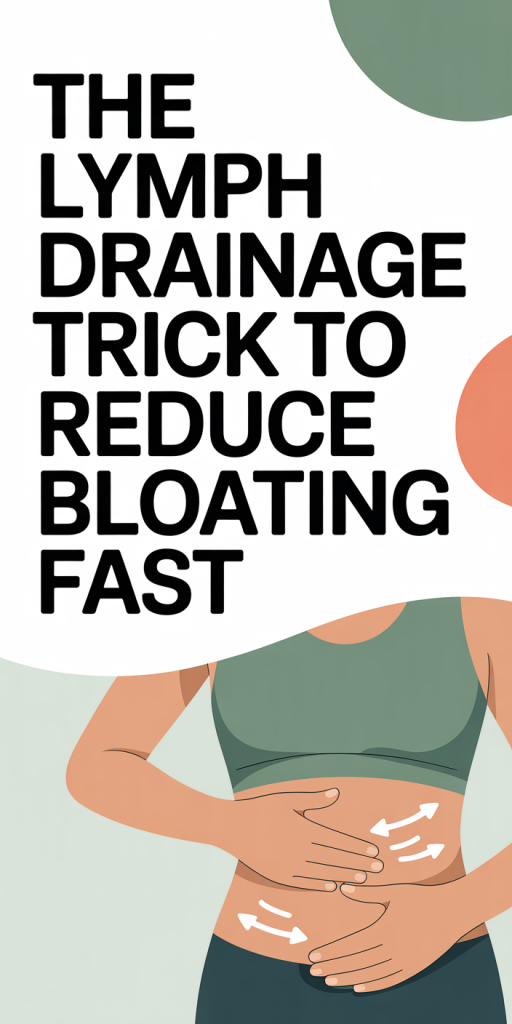
This is the core of the routine. We use light, intentional strokes that direct lymph from the periphery of the abdomen toward the central collecting pathways. Work slowly and follow our breath.
Phase 1, Lower abdomen to pelvic outlet (2 minutes)
- Position: Lie on the back with knees slightly bent and feet flat, or sit with back supported.
- Technique: Place fingertips together and make light, circular “clockwise” strokes starting at the lower right quadrant (where the small intestine and ileocecal area sit) moving across the lower abdomen to the lower left quadrant. The circular strokes should be the size of a half-dollar and glide superficially.
- Direction: All strokes should move slightly toward the midline and down toward the pelvic inlet. Think of guiding fluid toward the center and downward.
- Timing: Spend about 60–75 seconds sweeping the lower right to lower left, then 30–45 seconds of broader, gentle pats across the lower abdomen to stimulate movement.
Phase 2, Lateral flank drainage toward the lumbar nodes (2 minutes)
- Technique: Place hands at the sides of the abdomen (flanks). Using flat palms, make gentle, rhythmic strokes diagonally from the outer flank inward toward the front midline, moving upward slightly toward the lower ribs. Repeat for about 60 seconds per side.
- Focus: This encourages flow from the lateral tissues and from deep mesenteric areas toward central collectors.
Phase 3, Upper abdomen and central sweep toward the thoracic duct (2 minutes)
- Technique: With flat hands, stroke from just below the rib cage at the midline outward and upward toward the lower chest and diaphragm area. Then use light, sweeping strokes from the belly button upward to the chest, coordinating each sweep with a slow exhale.
- Finish: Spend the last 30 seconds making light, long strokes from the entire abdomen toward the lower sternum and then to the supraclavicular area (previously cleared). This final connection moves fluid toward the central thoracic drainage points.
Key cues and modifications
- Pressure: Superficial and gentle, imagine moving the skin over the fascia rather than pressing into the abdominal organs.
- Directional rule: Always move toward the midline or toward known lymph node basins (inguinal, lumbar, and supraclavicular regions).
- If we’ve had abdominal surgery: Avoid deep strokes over scars: instead, work around them and consult a clinician if uncertain.
Why this sequence helps with bloating
The coordinated lower-to-upper and lateral-to-central strokes encourage trapped interstitial fluid and inflammatory proteins to be transported away from the gut wall. Less local pressure means gas and stool can move more easily, and many people notice the abdomen softens within minutes.
Finishing Breathwork, Timing, And How Often To Repeat
We finish the routine with breathwork and a short set of movements to consolidate the drainage and use thoracic pressure to draw lymph centrally.
Finishing breath sequence (2 minutes)
- Diaphragmatic breaths (1 minute): Lie or sit comfortably. Place one hand on the lower ribs and one hand on the abdomen. Inhale slowly through the nose for a count of 4, feeling the belly and lower ribs expand. Exhale gently through pursed lips for a count of 6. Repeat for 6–8 breaths. These breaths increase thoracic suction and promote central lymph flow.
- Active assisted exhalation (30 seconds): Take a moderate inhale, then on a long exhale gently compress the abdomen with flat palms, light pressure timed with the exhale. This simulates natural skeletomuscular pumping and nudges lymph centrally. Don’t force: just a gentle push.
- Gentle walking or movement (30–60 seconds): Stand and walk slowly for one to two minutes, swinging the arms. Movement activates muscle pumps and prevents re-accumulation of fluid.
Timing and how often to repeat
- Single-session relief: Many people feel noticeable reduction in bloating after one 10-minute routine.
- Repetition for persistent bloating: Repeat every 3–4 hours as needed, up to 3 times daily. For chronic or recurrent bloating, use the routine once after each large meal and once before bed for several days while addressing underlying diet or lifestyle triggers.
- Integration with other strategies: Combine with 20–30 minutes of walking post-meal, increased water intake, and smaller, slower meals to reduce recurrence.
Tracking outcomes
We recommend keeping a simple log for a week: note pre- and post-session bloating on a 0–10 scale, time of day, and recent food triggers. This helps us identify patterns and evaluate whether lymph drainage is consistently helpful or if further medical assessment is needed.
Practical tips for consistent use
- Make the routine part of a post-meal habit (e.g., after lunch) or a travel toolkit for long flights.
- If we’re short on time, the neck clearing plus 2–3 central abdominal sweeps with breathwork can still offer meaningful relief in 4–5 minutes.
- Use a soft pillow under the knees when lying down to relax the abdominal wall and improve comfort.
Conclusion
Lymphatic drainage is a practical, low-risk tool we can use to reduce bloating fast. In just 10 minutes of light, directed strokes paired with diaphragmatic breathing and gentle movement, we clear central drainage points, encourage lymph flow from the abdomen, and reduce tissue pressure that contributes to that uncomfortable, stretched feeling. It’s not a replacement for medical care when red flags are present, but for everyday functional bloating it’s a useful first-line option we can do at home without special training. Try the routine after your next heavy meal or long period of sitting, most of us will notice the difference within minutes. If bloating persists, worsens, or is accompanied by pain, fever, or weight loss, we should seek medical evaluation.

