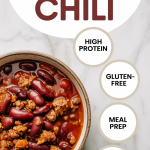
How To Make High-Protein Chili
Welcome to our guide on making high-protein chili, a hearty dish that’s perfect for meal prep or a cozy dinner. Whether you’re an athlete looking to fuel your workouts, a busy professional tired of takeout, or just someone who loves a good bowl of chili, we’re here to show you how to whip up a healthy and satisfying version of this classic recipe. High-protein chili not only tastes great but also supports your health goals by keeping you feeling fuller for longer while providing essential nutrients. Let’s immerse.
Understanding High-Protein Chili
High-protein chili is a wonderful twist on the traditional chili we all know and love. It incorporates protein-rich ingredients like lean meats, beans, and even legumes that boost nutritional content while still delivering that comforting, satisfying flavor we crave. By emphasizing these high-protein ingredients, we create a dish that not only pleases the palate but also supports muscle recovery and keeps hunger at bay. Understanding the principles behind high-protein chili helps us tailor the dish to our nutritional needs and preferences.
The Benefits Of High-Protein Chili
There are numerous benefits to enjoying a bowl of high-protein chili. Here’s what we can expect:
- Supports Muscle Growth: Protein is essential for muscle repair and growth, making our chili an excellent post-workout meal.
- Keeps Us Full Longer: High-protein foods tend to promote satiety, which can prevent overeating.
- Nutrient-Rich: Incorporating beans, veggies, and lean meats means we also get vitamins, minerals, and fiber, important for overall health.
- Versatile and Customizable: We can easily adjust spices and ingredients based on our tastes or dietary restrictions, ensuring everyone can enjoy it.
- Convenient Meal Prep: Chili keeps well in the fridge or freezer, making it a perfect choice for meal prepping.
Essential Ingredients For High-Protein Chili
To create our high-protein chili, we need a well-thought-out selection of ingredients. Here’s what we recommend:
- Lean Ground Meat: Turkey, chicken, or beef provides the protein base for our chili.
- Beans: Black beans, kidney beans, and chickpeas are fantastic sources of additional protein and fiber.
- Vegetables: Onions, bell peppers, and tomatoes not only add flavor but also nutrients. Feel free to add zucchini or carrots for extra texture and taste.
- Spices: Chili powder, cumin, and paprika are essential for that classic chili flavor. Adjust these to our taste preferences.
- Broth or Stock: Chicken or vegetable broth adds depth to our chili, ensuring it doesn’t become too thick.
Preparing High-Protein Chili
Now that we have our ingredients ready, it’s time to prepare our high-protein chili. Let’s break down some different cooking methods.
Cooking Methods For High-Protein Chili
There are several ways to cook high-protein chili, and each method has its advantages. Here’s what we can consider:
- Stovetop: Quick and effective, cooking chili on the stovetop allows us to control the texture and the infusion of flavors. It usually takes about 30-40 minutes to get everything melded together nicely.
- Slow Cooker: Ideal for making large batches, the slow cooker allows flavors to develop over several hours. Set it in the morning, and return to a delicious meal.
- Instant Pot: If we’re pressed for time, the Instant Pot is a game-changer. We can go from raw ingredients to a flavorful chili in under an hour.
Serving Suggestions And Pairings
Once our high-protein chili is ready, it’s time to think about how we want to serve it. Here are some suggestions:
- Toppings: We can add shredded cheese, Greek yogurt, chopped green onions, or jalapeños for an extra kick.
- Sides: Pairing our chili with whole grain cornbread or a fresh salad can enhance the meal. Avocado slices or guacamole can offer healthy fats and a creamy texture.
- Serving Sizes: Consider using smaller bowls for serving, allowing everyone to come back for seconds, or even thirds. This dish is perfect for sharing at gatherings.

Tips For Customizing Your Chili
High-protein chili can be a canvas for our creativity. Here are some ways we can customize it:
- Spice Level: Adjust the heat by using various peppers (like poblano or habanero) or adding more chili powder and cayenne.
- Protein Sources: Experiment with different proteins, such as tofu, tempeh, or quinoa for a vegan version.
- Beans: If we want to change things up, try using lentils or various bean combinations.
- Vegetable Add-ins: Consider adding sweet potatoes for sweetness or spinach for an additional nutrient boost.
Nutritional Information And Variations
Understanding the nutritional impact of our high-protein chili can help us enjoy it guilt-free. Here’s an average breakdown per serving:
- Calories: Approximately 300-400, depending on the meat and bean ratio.
- Protein: Roughly 20-30 grams, ensuring we’re getting good muscle support.
- Fat: Typically between 10-15 grams, mostly from lean meats and toppings.
- Carbohydrates: 30-40 grams, making it a balanced option.
For variations, consider:
- Low-Carb Version: Reduce or omit beans and add more vegetables.
- Vegan Version: Use lentils and mushrooms in place of meat, maintaining that hearty texture.
Conclusion
To conclude, making high-protein chili is not only straightforward but also a rewarding experience that caters to our nutritional needs while satisfying our taste buds. With the flexibility to customize and plenty of health benefits, this dish deserves a spot in our regular meal rotation. So, the next time we crave something hearty and wholesome, let’s remember this recipe and all its variations. Happy cooking.