How To Make Healthy Casserole
Casseroles are the unsung heroes of the kitchen, easy to prepare, customizable, and perfect for feeding a crowd. They often stir thoughts of comfort food and family gatherings. But what if we could take those beloved recipes and make them healthier without sacrificing flavor? In this guide, we will explore how to create delicious, nutritious casseroles that will please our taste buds and support our health goals. Let’s immerse and discover the world of healthy casseroles together.
Understanding Casseroles: A Quick Overview
Casseroles have a rich history in the culinary world, originating from the French word “casserole,” which means “saucepan.” At their core, casseroles are simply dishes cooked in one pot, combining ingredients that meld together beautifully in the oven. We typically layer various components, such as proteins, vegetables, grains, and sauces, to create a harmonious meal.
Most casseroles bake at moderate temperatures for an extended period, allowing flavors to develop while keeping our kitchen warm and inviting. They can be prepared in advance, frozen for later use, or even made in bulk to serve a large number of guests. With such versatility, it’s no wonder casseroles remain a staple in many households.
Benefits of Making Healthy Casseroles
Crafting healthy casseroles has multiple benefits that go beyond simply being a nutritious option:
- Nutrient-Dense: By choosing whole foods and nutrient-rich ingredients, we can pack our casseroles with essential vitamins and minerals. This is a great way to incorporate more vegetables and lean proteins into our diets.
- Time-Saving: Once everything is prepped, casseroles can often be assembled quickly and left to cook while we handle other tasks, making them ideal for busy individuals or families.
- Portion Control: Casseroles can be divided into individual servings, allowing us to control portion sizes and manage our calorie intake effectively.
- Economical: They are typically made with ingredients that are easy on the wallet, helping us save money while still providing hearty meals for our families.
- Versatile: We can easily adapt casseroles to suit various dietary needs, whether gluten-free, low-carb, or vegetarian, ensuring everyone can enjoy a homemade meal.
Key Ingredients For Healthy Casseroles
To create a healthy casserole, we need to focus on a balance of ingredients. Here are some key components to consider:
Proteins
We can choose lean meats such as chicken breast, turkey, or fish, and plant-based proteins like beans or lentils. These options not only offer protein benefits but also keep the casserole light and flavorful.
Whole Grains
Instead of refined pasta or white rice, we opt for whole grains like quinoa, brown rice, or whole wheat pasta. These alternatives provide more fiber, which is essential for digestion and overall health.
Vegetables
Incorporating a variety of colorful vegetables not only adds nutrition but also enhances the dish’s visual appeal. Think broccoli, carrots, spinach, or bell peppers, whatever we enjoy.
Healthy Fats
Using a small amount of healthy fats, like olive oil or avocado, can help enhance flavor and promote satiety. These fats are crucial for nutrient absorption as well.
Flavorful Herbs and Spices
We should avoid excessive sodium by seasoning our casseroles with fresh herbs and spices. Options like garlic, rosemary, basil, or cumin can elevate the dish without extra calories.
Steps to Prepare a Healthy Casserole
Now that we’re familiar with the key ingredients, let’s walk through the steps to prepare our healthy casserole:
Step 1: Preheat the Oven
Preheat our oven to the appropriate temperature, typically around 350°F (175°C). This ensures even cooking throughout.
Step 2: Prepare Ingredients
Chop our vegetables and proteins, cook any grains if necessary, and gather our spices and seasonings. This prep work sets us up for success.
Step 3: Layering the Dish
In a suitable casserole dish, we can start layering our ingredients. Begin with grains or proteins at the bottom, followed by a layer of vegetables, and then repeat until everything is used. If we’re making a creamy casserole, now is the time to add any sauce or cheese.
Step 4: Season Generously
This is the moment to sprinkle our herbs and spices throughout the layers, ensuring every bite is packed with flavor.
Step 5: Bake
Cover the casserole with foil (to prevent drying out) and place it in the oven. Baking times can vary, but generally, we should allow about 25-45 minutes depending on the recipe and density of our ingredients. Check for doneness by ensuring the edges are bubbling and everything is heated through.
Step 6: Serve and Enjoy
Once it’s ready, let our casserole cool for a few minutes before serving. This allows the flavors to settle in and makes it easier to portion.
Popular Healthy Casserole Recipes
Here are a few of our favorite healthy casserole recipes to inspire our culinary adventures:
1. Quinoa and Black Bean Casserole
This protein-packed dish combines quinoa, black beans, corn, and bell peppers in a spicy tomato sauce. Top it with avocado and cilantro before serving for a refreshing burst of flavor.
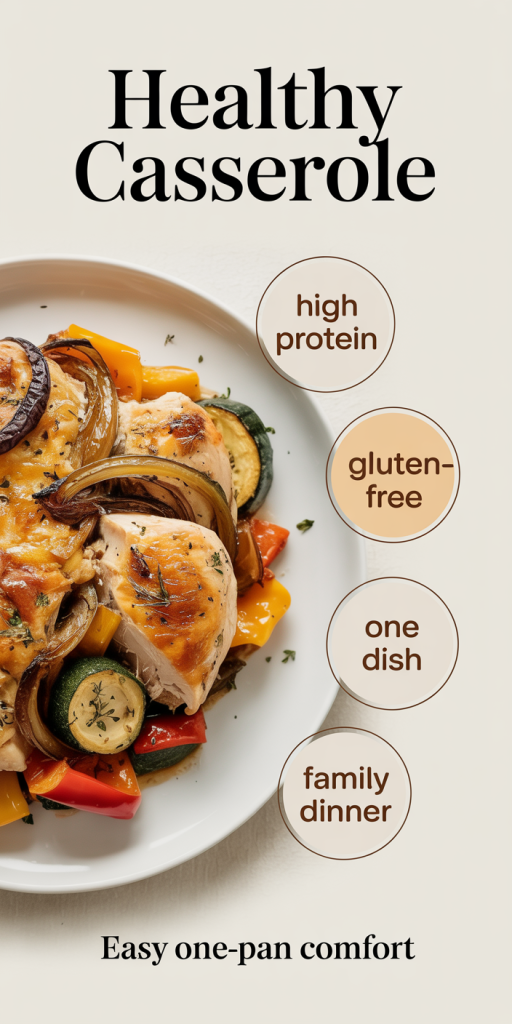
2. Chicken and Vegetable Casserole
Using lean chicken breast, broccoli, carrots, and a light cream sauce made from Greek yogurt, this comforting casserole is both hearty and nourishing.
3. Sweet Potato and Chickpea Casserole
Layer roasted sweet potatoes, chickpeas, and spinach with tahini sauce for a fulfilling vegetarian option. This dish is not only healthy but also incredibly filling.
4. Turkey and Spinach Pasta Bake
Whole wheat pasta, lean ground turkey, and plenty of spinach come together in a light marinara sauce. Top it with a sprinkle of mozzarella cheese for added creaminess.
5. Lentil and Mushroom Casserole
This delightful recipe features lentils, mushrooms, and herbs, giving a savory and earthy flavor that satisfies even the most devout meat lovers.
Tips For Perfecting Your Casserole
To elevate our casserole game, here are a few tips:
- Make Ahead: Casseroles can often be assembled in advance and refrigerated for a day or two before baking. This not only saves time but allows flavors to blend beautifully.
- Experiment with Layers: Don’t hesitate to mix and match ingredients. The beauty of casseroles lies in their versatility, so let’s try unique combinations that excite us.
- Keep It Covered: To avoid a dry casserole, cover it during the baking process until the last 10-15 minutes. This helps lock in moisture.
- Let It Rest: After coming out of the oven, let our casserole sit for about 10 minutes. This resting time helps it set up, making it easier to slice and serve.
Conclusion
To conclude, making healthy casseroles can be both an enjoyable and fulfilling culinary experience. We have explored the basics of assembling a casserole, the benefits of using wholesome ingredients, and some delicious recipes to get us started. With the right techniques and a dash of creativity, we can revolutionize our family meals while keeping it nutritious and satisfying. So let’s roll up our sleeves, gather our ingredients, and make healthy casseroles our go-to option for any occasion.