High Blood Pressure After 50? Small Habits That Can Make a Difference
High blood pressure (hypertension) becomes more common as we age—but the good news is that small, consistent habits can meaningfully lower blood pressure, reduce cardiovascular risk, and improve overall well-being. If you’re over 50 and worried about rising numbers on the cuff, this guide is for you. Read on for practical, evidence-informed tips, simple daily routines, and three easy heart-healthy recipes you can start using today.
Why blood pressure often rises after 50
Blood pressure tends to creep up with age for several reasons:
Changes in blood vessels
Arteries gradually stiffen with age, which increases resistance to blood flow and raises systolic blood pressure.
Accumulated lifestyle exposures
Years of dietary patterns high in sodium, sedentary habits, excess weight, or stress add up and increase the likelihood of developing hypertension.
Higher prevalence of other conditions
Type 2 diabetes, chronic kidney disease, and obstructive sleep apnea become more common with age and often worsen blood pressure control.
Medication interactions and under-treatment
As people take more medications for different conditions, interactions or changes in treatment can affect blood pressure. Some people also stop or inconsistently take antihypertensives.
Because of these factors, prevention and management are especially valuable after 50. The interventions below are practical, safe for most people, and can be adopted gradually—one small habit at a time.
Small habits that can make a difference (practical, sustainable changes)
Below are focused habits organized so you can pick a few to implement this week. Each habit includes why it helps, how to do it, and realistic targets.
1. Reduce sodium intake — swap rather than eliminate
Why: Excess sodium increases fluid retention and raises blood pressure.
How: Aim for 1,500–2,300 mg/day depending on medical advice; average adults consume much more.
Practical swaps:
– Use herbs, citrus, and vinegar instead of salt.
– Choose fresh or frozen vegetables over canned (or rinse canned).
– Read labels: pick lower-sodium versions of soups, broths, and packaged foods.
2. Boost potassium naturally
Why: Potassium helps balance sodium and relax blood vessel walls.
How: Eat more potassium-rich foods—bananas, potatoes with skin, tomatoes, beans, spinach, avocados.
Caution: If you have kidney disease or take potassium-sparing diuretics, check with your doctor first.
3. Move daily — short sessions add up
Why: Regular aerobic activity lowers systolic and diastolic pressure.
How: Aim for at least 150 minutes/week of moderate activity (e.g., brisk walking) or 75 minutes vigorous, plus two days of strength training.
Practical plan:
– Break into 10–15 minute walks after meals.
– Use a pedometer or step app to reach 7,000–10,000 steps per day as a starting goal.
4. Add strength training twice a week
Why: Muscle mass improves insulin sensitivity and supports a healthy metabolism—helpful for blood pressure and weight management.
How: Use bodyweight, resistance bands, or light weights for 20–30 minutes twice weekly; focus on major muscle groups.
5. Lose even a little weight if needed
Why: Losing 5–10% of body weight can produce meaningful blood pressure reductions.
How: Combine modest calorie reduction with increased activity. Aim for slow, steady weight loss of 1–2 pounds/week.
6. Practice stress-reducing micro-habits
Why: Chronic stress elevates blood pressure through hormones and sympathetic nervous system activation.
Micro-habits:
– 3–5 minutes deep breathing (inhale 4, exhale 6).
– Brief guided meditation or progressive muscle relaxation each day.
– Short walks or stretching breaks during work.
7. Improve sleep quality
Why: Short or fragmented sleep raises risk for hypertension and stroke.
How:
– Aim for 7–8 hours nightly.
– Keep a consistent sleep-wake schedule.
– Address sleep apnea with your healthcare provider if you snore, wake gasping, or feel very sleepy daytime.
8. Reduce alcohol and quit smoking
Why: Alcohol in excess raises blood pressure; smoking causes vascular damage.
How:
– Limit alcohol to 1 drink/day for women, 1–2 for men—or discuss with a clinician.
– Seek smoking cessation support: counseling, nicotine replacement, or medications as appropriate.
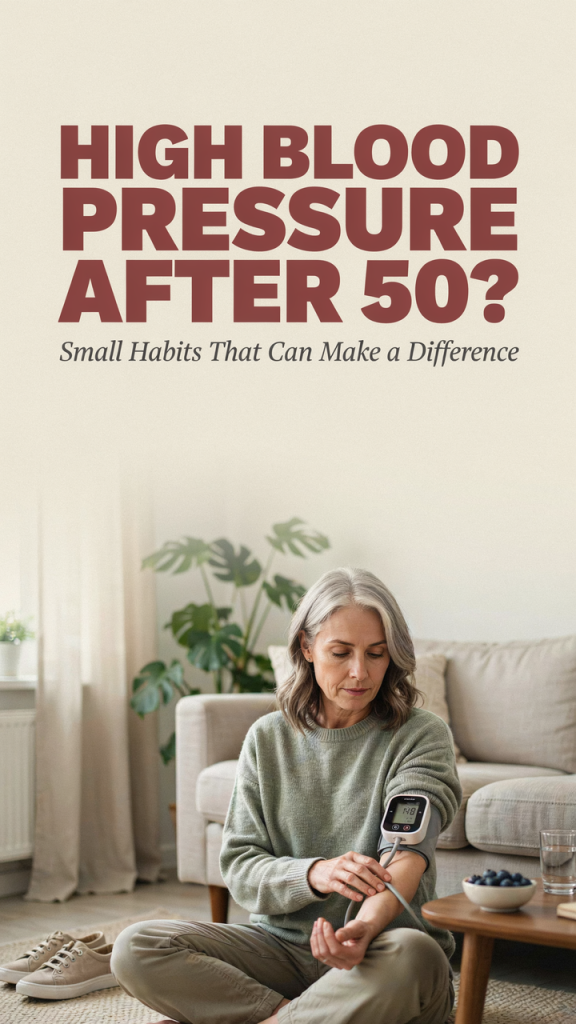
9. Monitor blood pressure at home correctly
Why: Home monitoring helps you track trends and assess the impact of lifestyle changes.
How:
– Use a validated automatic cuff on the upper arm.
– Take readings sitting, feet flat, arm supported at heart level. Rest 5 minutes before measuring.
– Record two readings 1–2 minutes apart, twice daily for a week when establishing baseline, then weekly or as advised.
10. Improve diet quality with the DASH or Mediterranean approach
Why: Dietary patterns matter more than single foods—DASH (Dietary Approaches to Stop Hypertension) is proven to lower blood pressure.
Essentials:
– Emphasize fruits, vegetables, whole grains, low-fat dairy, lean proteins, nuts, and legumes.
– Limit processed foods, sugary beverages, and red/processed meats.
11. Plan meals and snacks to avoid sodium and sugar traps
Why: Planning reduces impulse choices that are often high-sodium, high-sugar, and low-nutrient.
How:
– Batch-cook simple, portable lunches.
– Keep heart-healthy snacks on hand (nuts, fresh fruit, hummus + veggies).
12. Take medications as prescribed and review with your clinician
Why: Many people benefit from medication; combination therapy is common and effective.
How:
– Use a pillbox or phone reminders.
– Review side effects, interactions, and targets with your provider at least yearly or when starting new drugs.
13. Hydrate intelligently
Why: Dehydration can cause temporary blood pressure changes and worsen cardiometabolic function.
How:
– Sip water through the day. Adjust for activity and climate.
– Avoid excess sugary drinks.
14. Sit less, stand and move more
Why: Prolonged sitting is linked to worse cardiometabolic health independent of exercise.
How:
– Stand every 30–60 minutes for a few minutes.
– Try a standing meeting or use a high counter for quick tasks.
Quick, actionable weekly plan (pick 3 habits to start)
- Week 1: Start home BP monitoring + walk 15 minutes daily.
- Week 2: Swap one daily sodium source for a lower-sodium choice + add 3 servings of veggies/day.
- Week 3: Add one 20-minute strength session + practice 3 minutes of deep breathing every evening.
Small, sustained changes beat intense short-term bursts. Progressively add more habits as you succeed.
Simple heart-healthy recipes and meal ideas
Below are three balanced meal ideas inspired by the DASH and Mediterranean patterns. Each recipe lists ingredients (bulleted) and step-by-step instructions (numbered).
1) Lemon-Herb Baked Salmon with Garlic-Sautéed Spinach (serves 2)
Ingredients
– 2 salmon fillets (about 4–5 oz / 120–150 g each)
– 1 lemon (zest and juice)
– 1 tbsp olive oil (plus 1 tsp for spinach)
– 1 tsp fresh dill or 1/2 tsp dried dill
– 1 garlic clove, minced (for spinach)
– 6 cups fresh spinach (about 4–6 oz)
– Freshly ground black pepper to taste
– Optional: 1/4 tsp paprika
Instructions
1. Preheat the oven to 400°F (200°C). Line a baking sheet with parchment or foil.
2. Place salmon on the sheet. Drizzle 1 tbsp olive oil and lemon juice over the fillets. Sprinkle lemon zest, dill, paprika (if using), and a little pepper.
3. Bake for 10–14 minutes, until salmon flakes easily with a fork (time varies by thickness).
4. While salmon bakes, heat 1 tsp olive oil in a large skillet over medium heat. Add minced garlic and sauté 30 seconds until fragrant.
5. Add spinach in batches, stirring until wilted (about 2–3 minutes). Season with a pinch of pepper and a squeeze of lemon if desired.
6. Serve salmon over or beside the spinach. Add a wedge of lemon.
Why it helps: Salmon provides omega-3 fats, and spinach adds potassium and magnesium—both supportive of healthy blood pressure.
2) Mediterranean Chickpea Salad (serves 4 as side; 2 as main)
Ingredients
– 2 cans (15 oz each) chickpeas, rinsed and drained (or 3 cups cooked)
– 1 cup cherry tomatoes, halved
– 1 cucumber, diced
– 1/4 cup red onion, thinly sliced
– 1/4 cup Kalamata olives, pitted and halved (optional)
– 1/4 cup crumbled feta (optional)
– 2 tbsp olive oil
– 2 tbsp fresh lemon juice
– 1 tsp dried oregano
– Fresh parsley, chopped (2 tbsp)
– Black pepper to taste
Instructions
1. In a large bowl, combine chickpeas, tomatoes, cucumber, red onion, and olives (if using).
2. Whisk together olive oil, lemon juice, oregano, parsley, and pepper in a small bowl.
3. Pour dressing over salad and toss to combine. Top with crumbled feta if desired.
4. Refrigerate at least 15 minutes to meld flavors. Serve chilled or at room temperature.
Why it helps: High in fiber, plant protein, and potassium, this salad is low in sodium when you rinse canned beans and skip excess salt.
3) Overnight Oats with Berries and Walnuts (serves 1–2)
Ingredients
– 1 cup rolled oats
– 1 cup low-fat milk (dairy or unsweetened plant milk)
– 1/2 cup plain Greek yogurt (optional for extra protein)
– 1/2 cup mixed berries (fresh or frozen)
– 2 tbsp chopped walnuts
– 1 tsp ground cinnamon
– 1 tsp chia seeds (optional)
– 1–2 tsp honey or maple syrup (optional)
Instructions
1. In a jar or bowl, combine oats, milk, yogurt, chia seeds, and cinnamon. Stir well.
2. Fold in half the berries. Cover and refrigerate overnight (or at least 4 hours).
3. In the morning, stir and top with remaining berries, walnuts, and a drizzle of honey or maple syrup if desired.
4. Enjoy chilled. Store leftovers up to 48 hours.
Why it helps: Provides steady-release carbohydrates, fiber, and healthy fats—good for blood sugar control and blood pressure.
Portable snack ideas (explicitly listed)
- Raw almonds (1 oz) and an apple
- Carrot sticks with 2 tbsp hummus
- Plain air-popped popcorn with a sprinkle of nutritional yeast
- Low-fat Greek yogurt with sliced banana
- Whole-grain crackers with avocado mash and tomato
How to tell if habits are working — realistic expectations
- Home readings: After consistent changes (2–12 weeks), you may see a gradual drop in systolic BP by 5–15 mm Hg depending on the habit intensity and baseline BP.
- Weight loss: Each 5% weight loss can produce measurable improvements.
- Fitness: After 6–8 weeks of regular aerobic exercise, blood pressure and resting heart rate often improve.
- Medication de-escalation: Only do this under medical supervision—lifestyle changes sometimes allow medication adjustment.
Keep a simple log: date, time, position, BP reading, and notes about medications, exercise, or unusual stress. Share patterns with your clinician.
When to contact your healthcare provider
- If home readings persistently exceed your target (commonly 130/80 mm Hg for many adults, but targets can vary).
- If you experience symptoms such as chest pain, severe headache, vision changes, fainting, or sudden weakness.
- Before starting intense exercise if you have unstable cardiac disease.
- Whenever considering major changes to blood pressure medications.
Troubleshooting common barriers
- “I’m too busy”: Build micro-sessions—two 10-minute walks and three 3-minute breathing sessions count.
- “Healthy food is expensive”: Focus on seasonal produce, canned beans (rinsed), frozen vegetables, and plain whole grains—these are budget-friendly staples.
- “I don’t like cooking”: Start with the simple recipes above, double portions for leftovers, and prep one component (grains, roasted veggies, beans) on the weekend.
- “I forget medications” or habits: Use a pillbox, set alarms, or tie a habit to an existing routine (e.g., walk after morning coffee).
Key metrics to track (simple dashboard)
- Home blood pressure (morning and evening averages)
- Weight (weekly)
- Minutes of moderate activity per week
- Daily servings of fruits and vegetables
- Sleep hours/night
Tracking helps keep momentum and gives measurable wins to celebrate.
Final thoughts: small steps, big impact
If you’re over 50, remember that actions taken now still matter a great deal. You don’t need to overhaul your whole life overnight. Start with two or three achievable habits—monitor your progress, celebrate small wins, and gradually add more routines. Combined, these small habits can lower blood pressure, protect your heart, and improve how you feel every day.
Speak with your healthcare provider about your blood pressure targets and before making major changes to medication or exercise if you have chronic conditions. With patience and consistent effort, many people see meaningful improvements—even modest changes yield health dividends.
You’re not just managing numbers—you’re investing in years of healthier, more energetic living. Start small, stay steady, and keep going.