
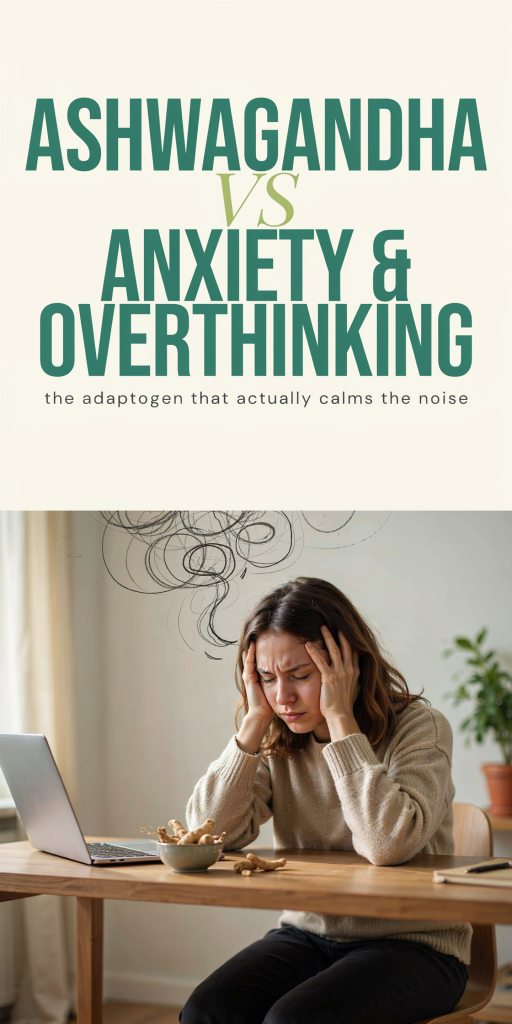
Ashwagandha For Calm: How This Ancient Herb Helps Anxiety And Stops Overthinking In 2026
We’ve all been there: the mind racing at 2 a.m., replaying yesterday’s conversation, spiraling into worst‑case scenarios. Overthinking and anxiety aren’t the same thing, but they often travel together, feeding each other in a loop that’s exhausting, time‑consuming, and health‑eroding. In recent years, interest in natural supports has surged, and one herb keeps showing up in credible research and in conversations with clinicians: ashwagandha.
In this text we’ll explain how ashwagandha works biologically, what human studies actually show about anxiety and overthinking, how to choose a quality supplement, when you might notice benefits, and how to use it as part of a broader plan. Our goal is practical: give you evidence‑based guidance so you can decide whether ashwagandha makes sense for your anxiety toolkit in 2026, without the hype.
How Ashwagandha Works: Biology Behind Stress Reduction
Ashwagandha (Withania somnifera) is an adaptogenic herb used in Ayurvedic medicine for millennia. The modern scientific story centers on a few consistent mechanisms that help explain why people report reduced anxiety and calmer thinking.
First, ashwagandha appears to modulate the hypothalamic‑pituitary‑adrenal (HPA) axis, the body’s central stress response system. Chronic stress drives elevated cortisol, and studies show certain standardized ashwagandha extracts can lower cortisol levels in stressed adults. Lower cortisol reduces the physiological intensity of stress responses (heart rate, blood pressure, metabolic shifts), which in turn makes intrusive anxious thoughts less likely to spiral.
Second, neurochemical effects matter. Compounds in ashwagandha, notably withanolides, interact with GABAergic and serotonergic systems in preclinical models. GABA is the brain’s primary inhibitory neurotransmitter: enhancing GABA activity produces calming effects and reduces rumination by dampening overactive neural circuits. While human trials aren’t detailed enough to map exact receptor binding, the clinical anxiety reductions align with a calming neurochemical profile.
Third, antioxidant and anti‑inflammatory properties likely contribute. Chronic inflammation and oxidative stress are increasingly linked to mood disorders and cognitive disruptions, including impaired cognitive flexibility that fuels overthinking. Ashwagandha’s ability to reduce markers of inflammation and oxidative damage provides a plausible pathway by which it supports mental resilience over time.
Finally, indirect pathways, improvements in sleep, energy balance, and resilience, create cascading benefits for anxiety. When we sleep better and fatigue decreases, our prefrontal cortex regains capacity to regulate worrying thoughts. So, while ashwagandha isn’t a quick mental “off” switch, its multimodal biological actions add up to real stress‑buffering potential.
Evidence From Human Studies: What Research Shows About Anxiety And Overthinking
When assessing ashwagandha, the question is not whether it’s magical but whether robust human trials support its use for anxiety and the cognitive pattern of overthinking. The short answer: there’s promising evidence, with important caveats.
Randomized controlled trials (RCTs) have consistently shown anxiety reductions with standardized ashwagandha extracts compared with placebo. For example, several double‑blind RCTs from the past decade enrolled adults with chronic stress or mild‑to‑moderate anxiety and reported statistically significant declines in validated measures such as the Hamilton Anxiety Rating Scale (HAM‑A) and the Perceived Stress Scale (PSS). Effect sizes vary, but moderate improvements, comparable to low‑dose benzodiazepines in some studies for short‑term symptoms, are reported without the sedation and dependency risks.
Overthinking is less commonly measured directly in trials: studies tend to track general anxiety, stress, and sleep quality. Still, secondary outcomes often include improved sleep, cognitive clarity, and reductions in rumination scales. One trial that specifically examined cognitive outcomes reported improved memory and executive function after 8–12 weeks, suggesting that ashwagandha can help cognitive control, the ability to shift attention away from intrusive thoughts.
Population and dosage matter. Positive trials frequently use well‑characterized extracts (e.g., KSM‑66, Sensoril) at 300–600 mg daily for 8–12 weeks. Results are strongest in participants with baseline elevated stress or anxiety: effects in totally asymptomatic people are smaller. Trials also show a favorable safety profile in the short‑to‑medium term, but long‑term data (beyond a year) are limited.
We should also note limitations: variability in extract standardization, small sample sizes in some trials, and occasional conflicts of interest when studies are funded by supplement companies. Still, the convergence of physiological data (cortisol reduction, improved sleep) with clinical outcomes (less anxiety, clearer thinking) creates a coherent picture: ashwagandha is a plausible, evidence‑backed option for many people struggling with anxiety and overthinking.
Forms, Dosage, And Quality: Choosing An Effective Ashwagandha Supplement
Not all ashwagandha supplements are created equal. If we’re considering it for anxiety or overthinking, we should choose formulations and doses that match what research used.
Forms and extracts:
- Whole‑root powder: traditional and inexpensive, but potency varies. It contains the full spectrum of plant constituents, but standardization is uncommon.
- Standardized extracts: most clinical trials use extracts standardized for withanolide content (commonly 5% withanolides) or branded extracts like KSM‑66 (root-only, full‑spectrum) and Sensoril (root and leaf, higher withanolide content). These give more predictable effects.
Dosage guidance based on trials:
- 300 mg twice daily (600 mg/day) of a standardized extract is commonly used and supported by multiple RCTs for anxiety and stress reduction.
- Lower doses (250–300 mg once daily) may help milder symptoms, but effects tend to be smaller.
- Some protocols use up to 1,000 mg/day for short periods, but higher doses can increase the chance of side effects.
Quality cues to look for:
- Standardized withanolide percentage printed on the label or a branded extract name.
- Third‑party testing for purity and contaminants (heavy metals, pesticides, microbes).
- Transparent sourcing and manufacturing practices (GMP certification).
- Avoid supplements with proprietary “proprietary blends” that obscure actual milligrams of active extract.
Timing and formulation:
- Ashwagandha is usually taken with meals to reduce potential gastrointestinal upset. We often recommend splitting the dose morning and evening to maintain steady levels and to potentially improve sleep when taken at night.
Finally, talk to a clinician about drug interactions (more on that below) and aim for products with clear clinical backing. Choosing the extract and dose that match published trials increases the odds of seeing benefits.
When You’ll Notice Benefits And What To Expect Day‑To‑Day
We’re often asked: how quickly will ashwagandha quiet my mind? The honest answer: it depends, but there’s a typical timeline supported by trials and clinical experience.
Short term (first 1–2 weeks):
- Some people notice subtle reductions in physiological reactivity, less jitteriness, a calmer baseline, within days. Sleep improvements can appear quickly for certain individuals, and better sleep alone can reduce next‑day rumination.
- Expect variability: placebo effects, baseline stress levels, and individual metabolism influence early responses.
Medium term (4–8 weeks):
- Most RCTs find statistically meaningful reductions in anxiety and perceived stress by weeks 6–8. This is when cognitive shifts, fewer intrusive thoughts, improved ability to redirect attention, become more consistent.
- Improvements in sleep quality and daytime concentration often consolidate in this period, building momentum for sustained change.
Long term (3 months+):
- Continued benefits are common if we maintain an evidence‑based dose and pair the herb with lifestyle changes. But, long‑term safety data are less robust, so we recommend periodic reassessment with a clinician.
What to expect day‑to‑day:
- Not a sedative: Ashwagandha typically doesn’t cause heavy sedation: it reduces the intensity and frequency of anxious episodes and the cognitive rigidity that fuels overthinking.
- Smoother emotional reactivity: situations that previously triggered prolonged rumination may prompt shorter, more manageable thought cycles.
- Noticeable changes in stress tolerance: we often report being less consumed by “what if” scenarios and more able to problem‑solve pragmatically.
Realistic expectations help. Ashwagandha supports biological systems that underlie anxiety, but it’s not a cognitive therapy, thought patterns need practice and behavioral tools to change permanently.
Safety, Side Effects, And Who Should Avoid Ashwagandha
Ashwagandha is generally well tolerated in clinical trials, but it’s not risk‑free. We should weigh potential side effects, interactions, and contraindications before starting.
Common side effects (usually mild):
- Gastrointestinal upset (nausea, diarrhea), especially at higher doses or on an empty stomach.
- Mild drowsiness in some users, more likely if combined with sedatives or alcohol.
- Occasional headache or transient dizziness.
Less common but important considerations:
- Thyroid effects: Ashwagandha can increase thyroid hormone levels in some people. Individuals with hyperthyroidism, uncontrolled thyroid disease, or those on thyroid medication should consult their clinician.
- Autoimmune disease: Because ashwagandha can stimulate the immune system in animal models, people with autoimmune conditions (e.g., lupus, rheumatoid arthritis) should check with a specialist before use.
- Pregnancy and breastfeeding: Limited data exist. Traditionally, ashwagandha has been considered unsafe during pregnancy due to potential uterine stimulant effects. We advise avoiding it if pregnant or nursing unless a clinician directs otherwise.
Drug interactions:
- Sedatives and anxiolytics: Ashwagandha may potentiate sedating medications (e.g., benzodiazepines, barbiturates, certain antihistamines), increasing drowsiness.
- Thyroid hormone replacement: It could alter dosage needs.
- Immunosuppressants: Possible interaction given immune modulation.
Overdose and long‑term safety:
- Acute toxicity is rare at commonly used doses, but very high doses can cause more severe GI or neurologic symptoms. Long‑term data exceeding one year are sparse: periodic review with a clinician is prudent.
Bottom line: For most healthy adults, standardized ashwagandha at recommended doses is safe and well tolerated. But if we have specific health conditions, are pregnant, breastfeeding, or taking medications, we should consult our healthcare provider before starting.
How Ashwagandha Compares To Other Anxiety Interventions
Ashwagandha fits into a spectrum of anxiety interventions that range from lifestyle changes and psychotherapies to medications and other supplements. Let’s compare it across efficacy, onset, safety, and role in an overall plan.
Compared with prescription medications:
- SSRIs/SNRIs: Antidepressants have strong evidence for generalized anxiety disorder and panic disorder, particularly for moderate‑to‑severe cases. They’re often first‑line in psychiatric guidelines. Ashwagandha offers more modest effects and is best considered for mild‑to‑moderate anxiety or as an adjunct to prescriptions, not a replacement for severe anxiety disorders.
- Benzodiazepines: These drugs provide rapid anxiolysis but carry risks of dependence and cognitive impairment. Ashwagandha has a slower onset but a much lower risk of dependency: it’s a safer long‑term adjunct for many.
Compared with psychotherapy:
- Cognitive Behavioral Therapy (CBT) is the gold standard for overthinking and pathological worry. CBT directly targets thought patterns and behavioral avoidance, something ashwagandha cannot replace. But, combining CBT with ashwagandha may yield better adherence and faster symptom relief because physiological arousal is reduced, making therapy more effective.
Compared with other supplements and natural approaches:
- L‑theanine and magnesium: These have evidence for mild anxiolytic effects and better sleep. L‑theanine works quickly but transiently: magnesium supports nervous system function. Ashwagandha’s strength is HPA axis modulation and cortisol reduction, complementary mechanisms.
- CBD: Cannabidiol shows promise for anxiety, particularly social anxiety, but regulatory and quality control issues persist. Ashwagandha generally has clearer standardization and longer historical use.
Lifestyle interventions (exercise, sleep, nutrition, mindfulness) remain foundational. We view ashwagandha as an evidence‑based adjunct that addresses biological stress systems, potentially enhancing the effectiveness of behavioral and psychological treatments rather than replacing them.
In practice, for mild‑to‑moderate anxiety or for people looking to reduce physiological stress and improve cognitive control, ashwagandha is a reasonable option. For severe anxiety, suicidal ideation, or disabling panic attacks, formal psychiatric evaluation and guideline‑recommended treatments should take precedence.
Practical Ways To Use Ashwagandha As Part Of A Broader Overthinking Plan Evidence Summary: Best Use Cases And Limitations (H3)
Best use cases:
- People with chronic stress or mild‑to‑moderate generalized anxiety who want a low‑risk, evidence‑backed supplement to reduce physiological reactivity and rumination.
- Individuals struggling with sleep and next‑day overthinking where improved sleep reduces anxious loops.
- As an adjunct to psychotherapy (especially CBT) to accelerate symptom relief and increase therapy engagement.
Limitations:
- Not a stand‑alone treatment for severe psychiatric disorders. Ashwagandha helps biology, while persistent cognitive patterns need therapeutic interventions.
- Variable product quality means not all supplements will produce trial‑like results.
- Onset is not immediate: expect weeks for robust effects, and continued benefit requires re‑assessment and combined behavioral work.
Combining Ashwagandha With Therapy, Sleep, Nutrition, And Mindfulness (H3)
We recommend integrating ashwagandha intentionally rather than treating it as a silver bullet. Practical combination strategies:
- Therapy synergy: Start ashwagandha a few weeks before or at the same time you begin CBT. Reduced physiological arousal can make exposure exercises and cognitive restructuring feel less overwhelming.
- Sleep hygiene: Take a portion of your daily dose in the evening if sleep is a problem. Combine with a consistent bedtime, limited evening screens, and a wind‑down routine. Better sleep reduces daytime rumination dramatically.
- Nutrition and exercise: Support HPA axis resilience with regular aerobic and resistance exercise, balanced meals that include protein at breakfast (helps stabilize blood sugar), and avoidance of excessive caffeine late in the day.
- Mindfulness and metacognitive practices: Mindfulness meditation, especially practices that train attentional control and decentering, directly address overthinking. Use short, daily practices (10–15 minutes) and view ashwagandha as physiological scaffolding that makes practice easier.
Implementation tips:
- Start with a reputable standardized extract at 300–600 mg/day.
- Keep a symptom and side‑effect diary for the first 8–12 weeks to track changes in anxiety severity, frequency of intrusive thoughts, sleep quality, and any adverse effects.
- Communicate with your clinician if you’re on medications, pregnant, nursing, or have chronic medical conditions.
How To Track Effectiveness And When To Stop (H3)
Tracking:
- Use simple validated scales at baseline and every 4–8 weeks (e.g., GAD‑7 for anxiety, a rumination scale if you have one, and a sleep quality measure such as the PSQI). We find quantifying progress reduces guessing and helps make informed decisions.
- Track objective markers like sleep duration, days you felt “overwhelmed,” and the number of nights waking with racing thoughts.
When to stop or reassess:
- If no meaningful improvement after 8–12 weeks at a validated therapeutic dose, reevaluate: confirm product quality, dose adequacy, adherence, and interactions. Consider switching extracts or increasing behavioral interventions rather than indefinite continuation.
- If side effects appear or you become pregnant, stop and consult a clinician.
- Use intermittent breaks if you and your clinician agree, some people taper off after symptom remission while keeping lifestyle practices in place.
Conclusion (what to take away):
- Ashwagandha is a well‑researched adaptogen with consistent evidence for reducing stress and anxiety and some support for improving cognitive control that underlies overthinking. It works best when paired with therapy, sleep optimization, nutrition, exercise, and mindfulness. We recommend using standardized extracts at doses aligned with clinical trials, tracking progress over 8–12 weeks, and consulting a clinician for safety or drug‑interaction concerns. When used thoughtfully, ashwagandha can be a valuable tool in our toolbox for calming the mind in 2026 and beyond.

