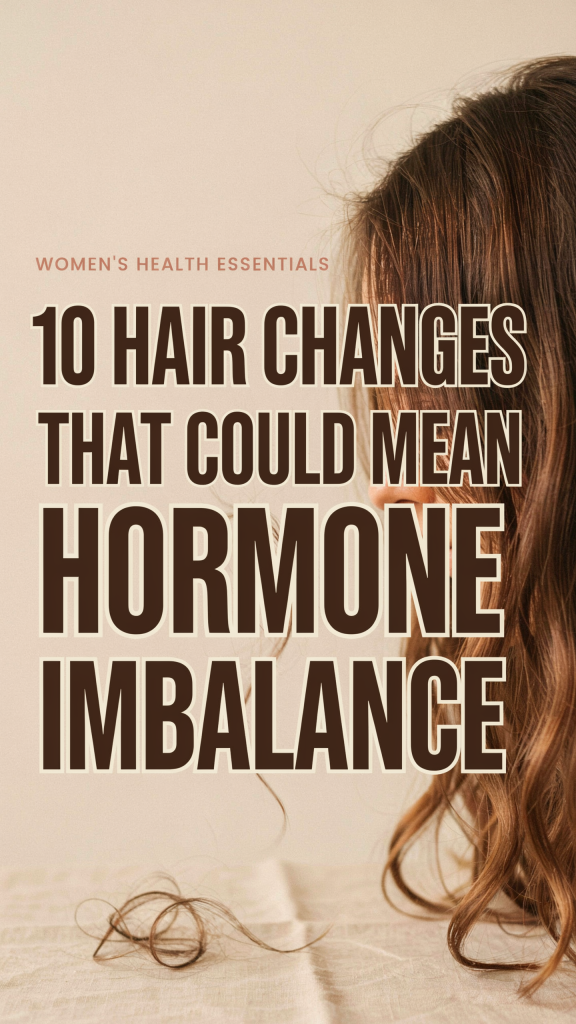
10 Hair Changes That Could Mean A Hormone Imbalance (What To Watch For In 2026)
Hair is often our first visible clue that something deeper is changing inside the body. In 2026, with better testing and more awareness, we’re seeing how specific hair changes can signal hormone imbalances long before other symptoms emerge. In this guide we’ll walk through ten hair-related signs, what they look like, the most common hormonal causes, and when to seek evaluation. Our aim is practical: help you notice patterns, ask the right questions of your clinician, and take evidence-based next steps. Whether you’ve noticed a widening part, more facial hair, or brittle strands that snap off, read on: these hair changes are not just cosmetic, they’re conversations your hormones are trying to start.
How Hormones Affect Hair Growth, Texture, And Cycle
Hormones regulate nearly every phase of hair biology: growth (anagen), transition (catagen), rest (telogen), and shedding. Androgens like testosterone and dihydrotestosterone (DHT) directly influence hair follicle size and activity: thyroid hormones affect metabolic rate in follicles: estrogen prolongs the anagen phase: cortisol from chronic stress can push follicles into telogen. When these signals are out of balance, we see predictable changes in density, texture, timing of shedding, and even hair pigmentation.
Understanding a few basics helps decode what we’re seeing. First, pattern matters: diffuse thinning across the scalp tends to reflect systemic changes (thyroid dysfunction, postpartum hormone shifts, nutritional deficits), while localized or patterned loss often points to androgen-related effects or autoimmune triggers. Second, texture shifts, hair becoming dry and brittle versus oily and limp, can clue us into shifts in sebum production driven by androgens or changes in thyroid and estrogen levels. Third, timing is key: telogen effluvium often follows a triggering event (illness, childbirth, medication) by about 2–4 months, whereas androgenetic effects develop gradually.
In clinical practice we combine the hair exam with questions about menstrual cycles, weight changes, mood, libido, and medications to form a hormonal hypothesis. Blood tests (TSH, free T4, total/free testosterone, DHEA-S, estradiol, prolactin) and targeted scalp biopsies or pull tests help confirm the cause. Throughout the sections below, we’ll link each visible sign to the most likely hormonal drivers and practical next steps, so you don’t have to guess.
Sudden Thinning On The Crown Or Widening Part
A widening part or noticeable thinning at the crown often feels like a small change that escalates quickly. In women, this pattern commonly reflects androgen sensitivity or classic female-pattern hair loss (FPHL), which is influenced by DHT acting on genetically predisposed follicles. It can also be triggered by shifts in estrogen, such as postpartum declines or perimenopause, when the protective prolonging effect of estrogen on the hair cycle decreases.
Clinically, we ask about timing: did the widening start slowly over years or appear after a specific event (pregnancy, stopping hormonal birth control, or weight loss)? If it’s gradual, androgen-driven miniaturization is likely: if it followed a stressor, consider telogen effluvium layered on baseline thinning. Scalp exam, photos for tracking, and a hair-pull test help quantify active loss.
Next steps: measure serum androgens and thyroid function, review recent medications (including finasteride or spironolactone in treatment histories), and discuss topical options such as minoxidil. For many patients we recommend combination strategies, address metabolic contributors (insulin resistance, weight changes), consider anti-androgen therapies when appropriate, and use low-level laser therapy or platelet-rich plasma as adjuncts. Early intervention preserves density and often improves outcomes.
Receding Hairline Or Female Pattern–Like Thinning
Traditionally associated with male balding, a receding hairline or frontal thinning increasingly appears in women and may indicate androgen excess or genetic predisposition. When we see a receding frontal hairline in a woman, we evaluate for polycystic ovary syndrome (PCOS), late-onset congenital adrenal hyperplasia, or exogenous androgen exposure (medications, supplements).
This change tends to be distressing because the hairline is so visible. We look for accompanying signs: irregular periods, acne, weight gain, or elevated facial/body hair. Labs we commonly order include total and free testosterone, DHEA-S, LH/FSH ratio, and sometimes pelvic ultrasound if PCOS is suspected. In perimenopausal patients, fluctuating estrogen and relative androgen predominance can mimic this pattern.
Management involves treating the underlying hormonal driver where possible (e.g., managing PCOS with lifestyle changes and combined oral contraceptives). Topical minoxidil remains a first-line to stimulate regrowth: anti-androgens like spironolactone or oral contraceptives may slow progression. We counsel patience, improvement can take 3–6 months, and emphasize protecting remaining hair from traction or chemical damage.
Excess Facial Or Body Hair (Hirsutism)
Hirsutism, new or worsening coarse hair on the face, chest, or back, is one of the clearest outward signs of androgen excess. While some ethnic variation in terminal hair exists, a sudden increase or significant change in hair coarseness typically signals elevated androgens like testosterone or DHEA-S.
We start with history: timeline, menstrual regularity, acne, rapid weight gain, or voice changes. Rapid-onset, severe hirsutism raises concern for androgen-secreting tumors of the ovary or adrenal gland and warrants expedited endocrine testing and imaging. More commonly, PCOS is the cause in reproductive-age people, and late-onset congenital adrenal hyperplasia is another possibility.
Testing includes serum total testosterone, free testosterone where possible, DHEA-S, and, if indicated, 17-hydroxyprogesterone. For management, we prioritize treating the root cause (e.g., hormonal contraceptives for PCOS), offer medical hair reduction like topical eflornithine for facial hair, and discuss physical removal options (laser, electrolysis) when appropriate. Combining hormonal therapy with cosmetic techniques often yields the best patient satisfaction.
Patchy Hair Loss Or Sudden Bald Spots
Patchy hair loss or round, sudden bald spots often points to alopecia areata, an autoimmune attack on hair follicles, but hormones can interplay with immune function. Thyroid disease and other autoimmune endocrinopathies increase the risk of alopecia areata, so we don’t treat patchy loss in isolation.
When patients present, we examine the scalp for exclamation-point hairs and perform a gentle pull test. A rapid-onset single patch is classic for alopecia areata: multiple patches or progression to diffuse loss require broader investigation. We check TSH and thyroid antibodies because autoimmune thyroiditis frequently coexists. In select cases we also screen for other autoimmune markers.
Treatment focuses on immune modulation: intralesional corticosteroids for localized patches, topical immunotherapy or systemic options for extensive disease. If an underlying thyroid disorder is present, treating it can reduce progression and improve hair regrowth for some patients. We also recommend realistic timelines, regrowth can start within weeks but full recovery may take many months, and relapses occur.
Excessive Hair Shedding (Telogen Effluvium)
Telogen effluvium (TE) is the dramatic increase in shedding that leaves handfuls of hair in the brush. TE is often reactive: it follows a physiologic or emotional stressor, severe illness, high fever, surgery, childbirth, major weight loss, or abrupt medication changes, by about 2–4 months. Hormonal triggers commonly include postpartum drops in estrogen, thyroid dysfunction, or abrupt changes in sex steroid therapy.
We ask about recent events and check thyroid function, as both hypo- and hyperthyroidism can produce TE. Nutritional deficiencies (iron, vitamin D, biotin) and chronic inflammatory conditions also contribute. Distinguishing TE from early pattern loss is important: TE is diffuse and results in normal-appearing miniaturization-free follicles, while androgenetic changes show follicle miniaturization over time.
Management emphasizes identifying and removing the trigger where possible, correcting thyroid or nutritional deficits, and supportive care, gentle hair handling, temporary avoidance of aggressive styling, and reassurance that regrowth typically begins within 3–6 months. For stubborn cases we consider topical minoxidil to accelerate recovery, but counseling and realistic expectations are often the most helpful interventions.
Marked Changes In Scalp Oiliness Or Dandruff
Shifts in scalp oiliness or the sudden appearance of persistent dandruff can reflect hormonal effects on sebaceous glands. Androgens increase sebum production, which can make hair appear greasy and contribute to malassezia-driven dandruff or seborrheic dermatitis. Conversely, thyroid dysfunction may reduce sebum and lead to a dry, flaky scalp.
We consider the whole clinical picture: increased sebum, acne flares, and new facial hair suggest androgen excess: widespread skin dryness, brittle hair, and cold intolerance point toward hypothyroidism. Management includes targeted scalp care (antifungal shampoos for dandruff, medicated cleansers for seborrheic dermatitis), lifestyle measures, and treating the hormonal driver when appropriate. For persistent androgen-driven oiliness, hormonal therapies that lower free androgen levels (combined oral contraceptives, anti-androgens) can improve scalp oil control.
Simple measures, shampooing frequency adjustment, using non-comedogenic products, and avoiding heavy oils, help immediately, while hormonal or thyroid correction addresses the root cause over weeks to months.
Texture Shifts: Hair Becomes Dry, Brittle, Or Fragile
When hair that used to be pliable becomes dry, brittle, or snaps easily, we think about metabolic and hormonal influences as well as external damage. Hypothyroidism is a classic endocrine cause: slow metabolism leads to reduced scalp oil and changes in hair shaft structure, producing coarse, dry hair. Severe estrogen deficiency can also thin hair and change texture, while androgen excess may make some strands coarser.
We screen for thyroid disease (TSH, free T4) and review recent hormonal changes, postpartum, menopausal transition, or stopping estrogen therapy. Nutritional deficits (iron, protein, essential fatty acids) and certain medications (retinoids, some antithyroid drugs) also cause fragility. In practice we combine lab investigation with a hair-care audit: frequency of chemical treatments, heat styling habits, and use of harsh shampoos.
Treatment blends correcting hormonal or nutritional deficits with hair-repair strategies: protein-rich conditioning, minimizing heat/chemical exposure, and using leave-in protectants. When hypothyroidism is treated, many patients notice improved texture within a few months, underscoring the reversible nature of hormone-related hair changes.
Premature Graying Or Noticeable Color Changes
Graying hair at a younger age can be alarming. While genetics is the dominant factor for most people, oxidative stress and certain endocrine disorders may accelerate pigment loss. Emerging evidence links thyroid dysfunction and vitiligo-associated autoimmune processes to earlier or patchy depigmentation. Chronic stress and associated cortisol elevation can create oxidative environments that contribute to premature graying, although causation is complex and multifactorial.
We evaluate for concurrent autoimmune conditions, check thyroid function, and ask about family history and lifestyle exposures. Smoking, severe nutritional deficiencies (B12), and certain medications can also alter pigmentation. For visible, localized depigmentation, dermatology referral is warranted to assess for autoimmune causes.
Management is mostly cosmetic, dyeing techniques, color-corrective products, but addressing reversible contributors (smoking cessation, nutritional correction, thyroid optimization) can slow progression. We counsel patients that while pigment loss is often permanent once melanocyte activity is lost, stabilizing overall health reduces the risk of further premature changes.
Changes In Eyebrows Or Eyelashes (Thinning Or Loss)
Eyebrows and eyelashes are sensitive barometers of systemic health. Thinning of the lateral eyebrow, especially the outer third, is a classic sign of hypothyroidism, and many of our patients report eyebrow loss long before they notice scalp changes. Conversely, hyperandrogenism can alter brow density differently, sometimes increasing coarse hair in adjacent facial zones while scalp hair thins.
We examine the pattern closely: is brow loss diffuse or localized? Is there concurrent eyelash loss, redness, itching, or signs of blepharitis? We routinely check thyroid function tests and consider autoimmune screening if other symptoms suggest it. Contact allergies, chronic rubbing, and cosmetic products can also produce localized brow or lash loss and should be considered before assuming a hormonal cause.
Treatment depends on cause. If hypothyroidism is identified, thyroid hormone replacement often restores brow thickness over months. Topical measures, bimatoprost for eyelashes, gentle hydrating serums for brows, can aid regrowth. We also emphasize avoiding cosmetic overplucking and being cautious with lash-enhancing serums that can have side effects.
Conclusion: Hair changes are often our first, most visible clues to hormonal shifts. Observing patterns, where hair is lost, how texture changes, what comes alongside the hair issue, lets us form targeted hypotheses and pursue efficient testing. If you’ve noticed any of the changes we described, document timing and triggers, take photos for tracking, and discuss a focused hormonal workup with your clinician so you can move from guesswork to a clear plan.