150g of Protein Without the Stress: A Women’s Guide to High-Protein Eating
High-protein eating is often framed as a complicated, all-or-nothing approach: you either “go keto” or you give up everything that tastes good. But hitting a practical target like 150 grams of protein a day can be simple, sustainable, and enjoyable—especially for women balancing work, family, training, and limited time. This guide breaks down realistic strategies, sample meals, and easy recipes to help you reach 150g of protein without turning your life upside down. No extreme dieting. No math anxiety. Just clear steps, tasty ideas, and smart swaps to build muscle, support recovery, manage appetite, and keep energy steady.
In this post you’ll find:
– Why 150g might be a good target for some women (and how to decide if it’s right for you).
– How to spread protein across the day for maximum benefit.
– Practical habit changes to raise protein with minimal stress.
– Eight simple, tested recipes and meal ideas (each with ingredients and step-by-step instructions) that make hitting 150g easy.
– A sample day that pulls the recipes together and shows how the totals add up.
– Vegetarian and vegan options, supplement guidance, and quick meal-prep tips.
Let’s dive in.
Why 150g of protein?
Protein needs vary by body size, activity level, and goals. For many active women aiming for muscle maintenance or growth, recovery after workouts, or improved body composition, 1.6–2.4 grams of protein per kilogram of body weight is a common recommendation. If you weigh around 60–80 kg (132–176 lb) and are strength training or very active, 150g sits comfortably in that range.
Important: 150g isn’t a universal prescription. Use it as a target if:
– You’re regularly resistance-training or doing intense cardio.
– You want to prioritize muscle retention while dieting.
– You find higher protein helps with appetite control and energy.
Talk to a registered dietitian if you have medical conditions (kidney disease, certain metabolic conditions) that might affect protein needs.
How to distribute protein across the day
Research suggests spreading protein fairly evenly—about 20–40g per meal—supports muscle protein synthesis better than one huge protein load. Here’s a simple distribution to hit ~150g:
– Breakfast: 30–40g
– Morning snack: 15–25g
– Lunch: 30–40g
– Afternoon snack: 15–25g
– Dinner: 30–40g
– Optional evening/protein supplement: 0–20g
You don’t have to be exact. The goal is avoiding all meals with negligible protein and adding a purposeful protein source at each eating occasion.
Practical, low-stress strategies
- Keep a high-protein base: Greek yogurt, cottage cheese, canned tuna, eggs, cooked chicken, and frozen shrimp are versatile and quick.
- Use protein powders smartly: One scoop of whey or plant-based protein (20–25g) is an easy way to add a protein boost to oats, pancakes, or smoothies.
- Double up proteins at meals: Add beans + chicken, or tofu + quinoa, to bump totals without giant portions.
- Prep once, eat multiple ways: Roast a batch of chicken or bake tofu and repurpose across salads, wraps, and bowls.
- Portion protein with your palm: A palm-sized piece of cooked meat/fish is roughly 20–30g protein (varies by cut).
Now for the fun part: practical recipes that make the math easy.
High-protein recipes and meal ideas
Below are eight easy, realistic recipes/meal ideas. Each includes the protein per serving and clear ingredient and instruction lists so you can cook with confidence.
1) Protein Oatmeal with Egg Whites (Breakfast) — ~36g protein
Ingredients:
– 1/2 cup rolled oats
– 1 cup water or milk of choice
– 1 scoop (20–24g protein) whey or plant protein powder (vanilla or unflavored)
– 3 egg whites (cooked and folded in) or 1/2 cup liquid egg whites
– 1 tbsp almond butter (optional)
– Pinch of cinnamon and a small handful of berries (optional)
Instructions:
1. Cook oats with water or milk over medium heat until soft (about 5 minutes).
2. While oats are cooking, gently heat egg whites in a non-stick pan and scramble until just set.
3. Remove oats from heat and stir in protein powder until smooth.
4. Fold in the cooked egg whites for extra creaminess and protein.
5. Top with almond butter, berries, and cinnamon if desired. Serve warm.
Why this works: Adding egg whites and a scoop of protein powder boosts protein without increasing volume or bulk—great for satiety and muscle recovery.
2) Greek Yogurt Parfait with Seeds (Snack or Light Breakfast) — ~20–25g protein
Ingredients:
– 1 cup (200g) plain Greek yogurt (2% or 0%)
– 1 tbsp chia seeds
– 1 tbsp ground flaxseed
– 1–2 tbsp chopped nuts (almonds or walnuts)
– 1/2 cup mixed berries or sliced apple
Instructions:
1. Spoon Greek yogurt into a bowl.
2. Stir in chia seeds and ground flaxseed.
3. Top with nuts and fruit.
4. Mix as you eat or layer for a parfait. Enjoy cold.
Why this works: Greek yogurt is an effortless high-protein base—easy to customize and portable.
3) Tuna & White Bean Salad Wrap (Lunch) — ~35g protein
Ingredients:
– 1 can (150g drained) tuna in water (about 30g protein)
– 1/2 cup canned white beans, rinsed
– 1 tbsp plain Greek yogurt or light mayo
– 1 whole-wheat wrap or large lettuce leaves
– Handful of chopped spinach or arugula
– Salt, pepper, lemon juice, and herbs to taste
Instructions:
1. In a bowl, flake the tuna and combine with white beans.
2. Stir in Greek yogurt, lemon juice, salt, pepper, and herbs.
3. Place the mixture on a wrap or lettuce leaves and top with greens.
4. Roll or fold and eat immediately or wrap for lunch on the go.
Why this works: Canned tuna provides a high-protein, no-cook option. Pairing with beans increases fiber and makes the meal more balanced.
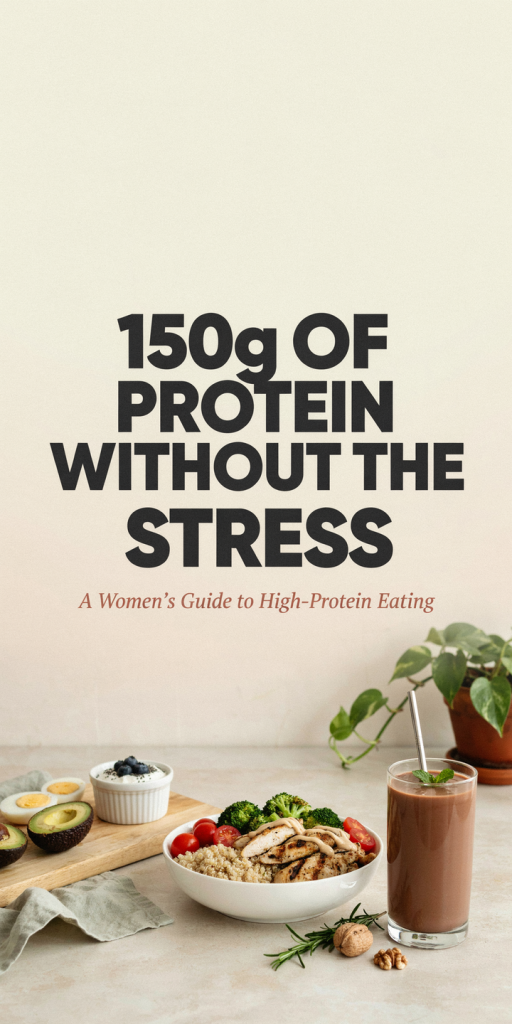
4) Chicken, Quinoa & Veggie Bowl (Lunch/Dinner) — ~40g protein
Ingredients:
– 150g cooked chicken breast (roughly 35g protein)
– 1/2 cup cooked quinoa (about 4g protein)
– 1 cup roasted or steamed mixed vegetables (broccoli, bell pepper, zucchini)
– 1 tbsp olive oil or a splash of dressing
– Salt, pepper, and optional herbs
Instructions:
1. If not pre-cooked, roast or grill chicken breast until internal temp reaches 165°F (74°C), then slice.
2. Cook quinoa according to package instructions.
3. Roast or steam vegetables until tender-crisp.
4. Combine quinoa, vegetables, and sliced chicken in a bowl.
5. Drizzle with olive oil or dressing, season, and serve.
Why this works: This bowl is modular—cook extra chicken and quinoa once, and you have multiple meals ready for the week.
5) Cottage Cheese Power Snack (Afternoon Snack) — ~20–28g protein
Ingredients:
– 1 cup low-fat cottage cheese (about 24–28g protein)
– 1 tbsp honey or a drizzle of maple syrup (optional)
– 1/4 cup sliced peaches or pineapple (optional)
– A sprinkle of cinnamon or chopped nuts
Instructions:
1. Spoon cottage cheese into a bowl.
2. Top with fruit, cinnamon, or nuts.
3. Stir or eat as-is. Enjoy chilled.
Why this works: Cottage cheese is high-protein with casein, which digests slowly—good before bed or as a midday recovery snack.
6) Simple Salmon + Lentils (Dinner) — ~40g protein
Ingredients:
– 150g salmon fillet (about 32–34g protein)
– 1/2 cup cooked lentils (about 9g protein)
– 1 cup steamed greens (spinach or kale)
– 1 tsp olive oil, lemon, salt, pepper
Instructions:
1. Season salmon with salt, pepper, and lemon.
2. Bake at 400°F (200°C) for 10–12 minutes, or cook on a stovetop skillet until flaky.
3. Heat cooked lentils in a small pan; season lightly.
4. Plate salmon over lentils and greens, drizzle with olive oil and extra lemon juice.
5. Serve immediately.
Why this works: Combining fish with legumes creates a nutrient-dense dinner rich in protein, healthy fats, and fiber.
7) Tofu Stir-Fry with Edamame (Vegetarian) — ~32g protein
Ingredients:
– 200g firm tofu, drained and cubed (about 20g protein)
– 1/2 cup shelled edamame (about 9g protein)
– 2 cups mixed stir-fry vegetables (bell pepper, snap peas, carrots)
– 1 tbsp soy sauce or tamari, 1 tsp sesame oil
– 1 clove garlic, grated; 1 tsp ginger grated
Instructions:
1. Heat sesame oil in a wok or large pan.
2. Add garlic and ginger; sauté 30 seconds.
3. Add tofu cubes and brown on all sides.
4. Add vegetables and edamame; stir-fry until heated through and crisp-tender.
5. Stir in soy sauce and serve over a small portion of rice or cauliflower rice.
Why this works: Tofu + edamame gives plant-based protein density and keeps the dish satisfying.
8) Quick Protein Smoothie (On-the-go) — ~25g protein
Ingredients:
– 1 scoop protein powder (20–24g protein)
– 1 cup unsweetened almond milk or milk of choice
– 1/2 banana or 1/2 cup frozen berries
– 1 tbsp nut butter or 1 tbsp Greek yogurt (optional)
– Handful of spinach (optional)
Instructions:
1. Combine all ingredients in a blender.
2. Blend until smooth.
3. Pour into a portable bottle and enjoy immediately.
Why this works: Smoothies are a reliable way to add concentrated protein when time is limited.
Sample day: Putting the recipes together (approx. 150g)
Here’s a realistic day using the recipes above. Protein numbers are approximate and will vary by brand and portion size.
- Breakfast: Protein Oatmeal with Egg Whites — 36g
- Snack 1: Greek Yogurt Parfait — 20g
- Lunch: Tuna & White Bean Salad Wrap — 35g
- Snack 2: Cottage Cheese Power Snack — 24g
- Dinner: Salmon + Lentils — 40g
Total protein ≈ 155g
Notes: If you want to hit exactly 150g, reduce one tablespoon of Greek yogurt or slightly lower portion sizes. The key point is that combining simple recipes like these gets you to the target without extreme portions or complicated cooking.
Vegetarian and vegan modifications
- Replace animal proteins with beans, lentils, tofu, tempeh, edamame, seitan (if tolerated), and higher-protein grains like quinoa. Add a protein powder (pea, soy, or blended plant powder) to smoothies and oats.
- Combine complementary plant proteins across meals (e.g., rice + beans, tofu + quinoa) to ensure a broad amino acid profile.
- Example swaps: Replace tuna with 1 cup chickpeas (approx. 15g protein) plus a scoop of protein powder in a snack to reach totals.
Using protein powder responsibly
- Use protein powders to fill gaps, not replace whole foods entirely.
- Choose a powder with clear labeling and minimal unnecessary additives. Check protein per scoop (typically 20–25g).
- Whey is fast-digesting and excellent post-workout; casein is slower and can be useful before bed; pea and soy are solid plant-based alternatives.
- Be mindful of calorie content if weight loss is a goal.
Meal-prep and shopping tips to reduce stress
- Cook a big tray of chicken, a pot of quinoa, and roast vegetables once or twice weekly. Portion into containers for 3–5 days.
- Keep high-protein staples in your pantry and fridge: canned tuna, canned salmon, cottage cheese, Greek yogurt, eggs, protein powder, canned beans, frozen shrimp, and edamame.
- Use one-pot or sheet-pan recipes to minimize cleanup.
- Freeze individual dinner portions to avoid ordering takeout on busy nights.
Eating out and social situations
- Look for grilled protein options (chicken, fish, lean steak) and request a double portion or a protein-rich side (beans, lentils, cottage cheese salad).
- Ask for dressings on the side to control calories while keeping protein high.
- Choose burrito bowls, grain bowls with tofu, or salads topped with hard-boiled eggs, salmon, or beans.
Trouble-shooting common barriers
- “I don’t like meat.” Focus on dairy, eggs, legumes, tofu, tempeh, seitan, and protein powders.
- “I’m short on time.” Keep frozen proteins (shrimp, edamame), canned options, and ready-cooked rotisserie chicken on hand.
- “I’m worried about calories.” High protein is satiating; focus on lean proteins and add veggies to increase fullness without excessive calories.
- “I get bored.” Rotate flavors with different herbs, spices, and sauces. Keep a list of 10 go-to seasonings.
Final tips: Practice over perfection
Hitting 150g of protein isn’t about perfection—it’s about consistent, manageable steps that fit your life. If you miss the target some days, don’t stress. Aim for a solid weekly average. Use the recipes above as templates, not rules: scale portions, swap ingredients, and build your own favorites.
Conclusion
Reaching 150g of protein a day is entirely achievable without stress when you plan smartly, prepare a few protein-forward staples, and use versatile, fast recipes. Spread your protein across meals, rely on convenient foods (Greek yogurt, canned fish, protein powder), and use simple recipes like those above to remove decision fatigue. Whether your goal is better recovery, more muscle, or less mid-day hunger, this practical approach helps you meet protein goals sustainably and enjoyably.
Start small: pick two recipes from this post to try this week, prep one protein staple (grilled chicken or baked tofu), and track how you feel—more energetic, less hungry between meals, and stronger in your workouts are common early wins. You’ve got this—150g can be part of a balanced, realistic lifestyle that supports your goals without stress.