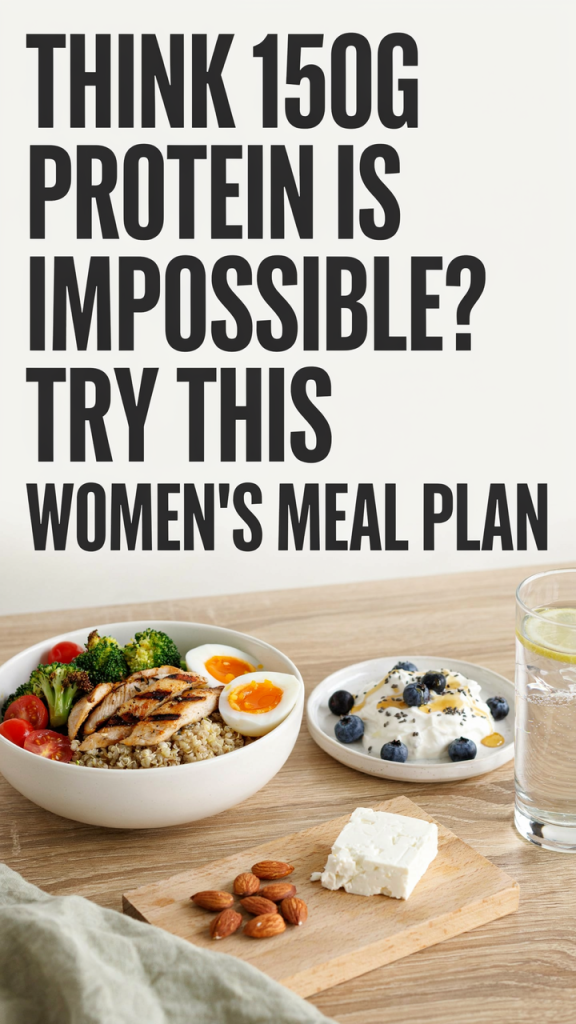
Think 150g of Protein Is Impossible? Try This Women’s Meal Plan
If the idea of eating 150 grams of protein a day feels daunting, you’re not alone. Many women are told they “don’t need that much protein,” or they assume they’ll be stuck eating dry chicken and boiled eggs all day. In reality, hitting 150 g of protein is achievable, enjoyable, and flexible — whether your goals are building lean muscle, improving recovery, supporting weight loss, or just feeling more satisfied between meals.
This post gives you an easy-to-follow, realistic meal plan built for busy women, with five complete recipes that together total about 150 g of protein. I’ll explain the “why” behind the number, show you how the daily totals add up, and give practical prep tips and substitutions so you can make the plan work for your preferences and schedule.
Why 150 g of protein?
Protein is the most satiating macronutrient and a key building block for muscle, bone, skin, hormones, and enzymes. The often-cited Recommended Dietary Allowance (RDA) — 0.8 g/kg — is a minimum to prevent deficiency, not an optimal target for performance, body composition, or aging. Many active women and those aiming to build or preserve muscle mass benefit from higher intakes, often 1.2–2.2 g/kg (0.54–1.0 g/lb).
For example:
– A 70 kg (154 lb) woman aiming for 1.6–2.0 g/kg would target 112–140 g protein daily.
– 150 g sits comfortably in the upper end of this range for many active women, especially those who lift weights or are in a calorie deficit.
In short: 150 g is a solid target for women who exercise regularly, want to optimize body composition, or want a more filling daily diet.
Is 150 g right for you?
Before adopting any target:
– Consider your body weight, activity level, and goals. Heavier and more active people generally need more protein.
– If you have kidney disease or other medical conditions, check with your healthcare provider.
– If you’re unsure, start by increasing your protein gradually and monitor hunger, energy, recovery, and body composition changes.
This plan is adaptable: you can scale portion sizes up or down while keeping the same meal structure.
How this plan works
This plan spreads protein across five meals to maximize muscle protein synthesis, satiety, and stable energy. Each recipe includes a protein estimate — the numbers are rounded averages using typical portion sizes. The total at the end sums to roughly 150 grams.
Daily breakdown:
– Breakfast: Power Protein Oats — 35 g
– AM Snack: Greek Yogurt Crunch — 15 g
– Lunch: Chicken + Quinoa + Edamame Bowl — 45 g
– PM Snack: Cottage Cheese Power Snack — 20 g
– Dinner: Salmon + Lentils Plate — 35 g
Total ≈ 150 g protein
Now let’s walk through the recipes. Each one includes ingredients and numbered instructions so you can make them exactly, plus tips for swaps and meal prep.
Meal Plan & Recipes
Breakfast — Power Protein Oats (≈ 35 g protein)
Start the day with a warm, creamy bowl of oats powered by whey and Greek yogurt. This meal keeps you full and energized.
Ingredients
– 1/3 cup rolled oats (dry)
– 1 cup water or unsweetened almond milk
– 1 scoop whey protein powder (about 20–24 g protein)
– 1/2 cup nonfat Greek yogurt (about 11 g protein)
– 1 tablespoon chia seeds or ground flax (optional)
– 1/4 cup mixed berries or a sliced banana (optional)
– Pinch of cinnamon and a drizzle of honey or maple syrup to taste
Instructions
1. Bring the water or almond milk to a simmer in a small pot.
2. Add the oats and cook for 4–5 minutes, stirring occasionally, until thickened.
3. Remove from heat and let cool for 1 minute. Stir in the scoop of whey protein until fully combined (mix quickly to avoid clumps).
4. Transfer to a bowl and stir in the Greek yogurt and chia seeds.
5. Top with berries or banana, cinnamon, and a small drizzle of honey if desired.
Prep tips: Make the oat base ahead (overnight oats version: combine oats, milk, and chia seeds; in the morning stir in protein powder and Greek yogurt).
Protein estimate: 35 g
AM Snack — Greek Yogurt Crunch (≈ 15 g protein)
A convenient, no-cook snack that combines creamy Greek yogurt with nuts and seeds for crunch and healthy fat.
Ingredients
– 1/2 cup nonfat Greek yogurt (about 11 g protein)
– 1 tablespoon chopped almonds (about 3 g protein)
– 1 teaspoon chia or hemp seeds (about 1 g protein)
– 1/4 cup fresh berries or a drizzle of sugar-free jam (optional)
– Dash of cinnamon
Instructions
1. Spoon the Greek yogurt into a bowl or portable container.
2. Stir in the berries or jam if using.
3. Top with chopped almonds and sprinkle the chia/hemp seeds on top.
4. Add a dash of cinnamon and enjoy.
Prep tips: Portion into small containers for grab-and-go snacks during the week.
Protein estimate: 15 g
Lunch — Chicken, Quinoa & Edamame Protein Bowl (≈ 45 g protein)
A balanced, fiber-rich bowl featuring lean protein, whole grains, and plant-based protein from edamame.
Ingredients
– 5 oz cooked, skinless chicken breast (about 35 g protein)
– 1/2 cup cooked quinoa (about 4 g protein)
– 1/2 cup shelled edamame (about 6 g protein)
– 1 cup mixed greens or spinach
– 1/4 avocado, sliced
– 1–2 tablespoons vinaigrette or a squeeze of lemon and 1 tsp olive oil
– Salt, pepper, and a sprinkle of chili flakes (optional)
Instructions
1. If you don’t have cooked chicken, grill or pan-sear a seasoned 5 oz breast for 6–8 minutes per side until internal temperature reaches 165°F (74°C). Let it rest and slice.
2. Warm the quinoa and edamame if desired (microwave 60–90 seconds).
3. Arrange mixed greens in a bowl, then top with quinoa, edamame, sliced chicken, and avocado.
4. Drizzle with vinaigrette or lemon and olive oil, season with salt, pepper, and chili flakes, and toss gently.
Prep tips: Grill multiple chicken breasts on Sunday and store sliced in the fridge for easy bowls during the week. Frozen shelled edamame microwaves in 2 minutes.
Protein estimate: 45 g
PM Snack — Cottage Cheese Power Snack (≈ 20 g protein)
Cottage cheese is a slow-digesting protein source that’s perfect for afternoon recovery or to pair with fruit and nuts for a balanced mini-meal.
Ingredients
– 1/2 cup low-fat cottage cheese (about 14 g protein)
– 1 tablespoon natural peanut or almond butter (about 4 g protein)
– 1 tablespoon hemp seeds or pumpkin seeds (about 2 g protein)
– Optional: sliced apple, cucumber, or celery for dipping
Instructions
1. Spoon cottage cheese into a bowl or container.
2. Swirl in the nut butter for added creaminess and flavor.
3. Sprinkle hemp/pumpkin seeds on top.
4. Enjoy with apple slices or veggie sticks for crunch.
Prep tips: Cottage cheese holds well in the fridge; pack nut butter separately if taking on the go to avoid mixing until ready.
Protein estimate: 20 g
Dinner — Salmon & Lentil Protein Plate (≈ 35 g protein)
A simple, savory dinner that combines oily fish with plant protein from lentils to support recovery and heart health.
Ingredients
– 4 oz cooked salmon fillet (about 23 g protein)
– 1/2 cup cooked green or brown lentils (about 9 g protein)
– 1–2 cups roasted or steamed vegetables (broccoli, asparagus, bell peppers)
– 1 tablespoon pumpkin seeds (about 3 g protein)
– 1 teaspoon olive oil, lemon, salt, and pepper
Instructions
1. Preheat oven to 400°F (200°C) if roasting vegetables and salmon.
2. Season salmon with salt, pepper, and a squeeze of lemon. Roast salmon for 10–12 minutes depending on thickness (or pan-sear 3–4 minutes per side).
3. Warm cooked lentils in a small saucepan or microwave.
4. Roast or steam vegetables and drizzle with olive oil, salt, and pepper.
5. Plate the salmon, lentils, and vegetables; sprinkle pumpkin seeds on top and serve.
Prep tips: Cook a batch of lentils at the start of the week and portion into containers. Salmon cooks quickly and can also be baked from frozen in a pinch.
Protein estimate: 35 g
Total protein math (approximate)
- Breakfast: 35 g
- AM Snack: 15 g
- Lunch: 45 g
- PM Snack: 20 g
- Dinner: 35 g
Daily total ≈ 150 g
Meal timing, flexibility, and substitutions
- Meal timing: Aim for 3–4 hours between meals to keep appetite and energy stable. Pre- or post-workout, choose a meal or snack with a mix of protein and carbs (e.g., the protein oats or the chicken bowl).
- Vegetarian option: Swap chicken and salmon for tempeh, tofu, seitan, or larger servings of lentils/edamame combined with a scoop of plant protein powder. Example: a tofu + quinoa + edamame bowl with an extra scoop of plant protein in a smoothie can match the protein of the lunch here.
- Lactose-free/dairy-free: Use lactose-free Greek yogurt or silken tofu-based yogurt. Choose a vegan protein powder and replace cottage cheese with mashed silken tofu plus seeds.
- If you need fewer calories: Reduce portion sizes slightly (e.g., 3.5 oz chicken instead of 5 oz) and make up the protein with a small scoop of protein powder in water.
- If you need more calories: Add healthy fats (olive oil, avocado, nuts) or increase portions of protein-rich foods.
Shopping list (basic)
- Whey or plant-based protein powder
- Nonfat Greek yogurt
- Low-fat cottage cheese
- Rolled oats
- Chicken breast
- Salmon fillets
- Quinoa
- Lentils
- Shelled edamame (frozen)
- Nuts & seeds: almonds, pumpkin seeds, hemp seeds
- Fresh produce: greens, berries, bananas, avocado, vegetables
- Olive oil, lemon, basic spices
Weekly meal-prep strategy
- Cook a batch of quinoa and lentils on Sunday.
- Grill or bake several chicken breasts and one or two salmon fillets (for faster reheating or quick salads).
- Portion Greek yogurt, cottage cheese, and nuts into single-serve containers.
- Chop vegetables and store them in airtight containers for fast salads and roasting.
- Mix together dry oat portions and store separate from liquids for overnight oats.
With 60–90 minutes of weekend prep, you’ll knock out most of the heavy lifting and make sticking to 150 g/day much easier.
Common concerns and how to handle them
- Digestive issues: Slow increases in protein and adequate water/vegetable fiber help. If dairy bothers you, choose lactose-free or plant alternatives.
- Cost: Buying protein powders, bulk chicken, lentils, and seasonal produce lowers cost. Canned fish and frozen vegetables are budget-friendly and nutritious.
- Taste fatigue: Rotate spices, sauces, and protein sources (chicken, turkey, fish, tofu, legumes) to keep meals interesting.
Final tips for success
- Hit protein early: Eating protein at breakfast helps reduce cravings later.
- Use protein powder strategically: It’s a portable, efficient way to add 20–25 g protein without extra cooking.
- Focus on whole foods: While powder helps, whole foods supply micronutrients and fiber.
- Track for a week: Use an app for one week to confirm you’re hitting protein and adjust servings if needed.
- Be patient: Building habits takes time. Start by adding one high-protein meal per day and work up to the full plan.
Conclusion
Think 150 g of protein is impossible? It’s not — it’s just a matter of planning, using efficient protein sources, and spreading intake throughout the day. This women’s meal plan shows how five satisfying meals can combine to hit 150 g without boring food or extreme measures. Use the recipes here as templates, adapt portions or ingredients to your preferences, and lean on meal prep to make high-protein eating realistic for your lifestyle. With a little planning and these recipes in your rotation, 150 g can become your new normal — fueling workouts, boosting recovery, and helping you feel fuller, longer. Go ahead: try this plan for a week and see how you feel.