
The Women’s Guide to Eating 150g of Protein Without Feeling Deprived
Eating 150 grams of protein in a day might sound intimidating — especially if you worry about bland chicken breasts, endless shakes, or feeling hungry all the time. But for many active women, those protein grams support lean muscle, steady energy, better appetite control, and faster recovery from training. The good news: you can hit 150 g with delicious, satisfying meals and snacks that feel far from restrictive.
This guide explains why 150 g can be a useful target, how to structure your day so protein is distributed and enjoyable, which foods give you the biggest protein bang for your buck, and a sample day with recipes that together total about 150 g. You’ll also get practical meal-prep tips, snack ideas, and swaps so you can personalize this approach without feeling deprived.
Why aim for 150 g of protein?
Protein isn’t just for bodybuilders. For many women — especially those who are strength training, trying to preserve muscle during weight loss, or who are taller/heavier — 150 g per day can be appropriate. Here’s why:
- Preserves and builds lean muscle: Higher protein intake supports muscle protein synthesis and recovery after resistance training.
- Increases satiety: Protein is the most filling macronutrient; it helps control appetite and reduce late-night overeating.
- Supports metabolic health: Protein helps maintain resting metabolic rate and supports thermogenesis (calorie burning).
- Assists recovery: For active women, a higher protein intake reduces soreness and speeds recovery.
Note: Protein needs are individual. 150 g is a useful target for many active women or those with higher lean mass. If you have medical conditions (kidney disease, etc.) check with your healthcare provider.
The smart strategy: hit protein consistently without boredom
Hitting 150 g consistently is less about a single giant meal and more about distribution and choices. Key principles:
- Spread protein across 4–6 eating occasions. Aim for 25–40 g per main meal and 10–25 g per snack.
- Prioritize high-quality and high-bioavailability proteins (dairy, eggs, fish, poultry, lean beef) combined with plant proteins (legumes, tofu, tempeh, seitan) for variety.
- Use protein-dense add-ons: Greek yogurt, cottage cheese, hemp or whey protein, nuts and seeds, edamame.
- Pay attention to texture, flavor, and satiety: creamy cottage cheese, crunchy roasted chickpeas, tangy smoked salmon, and herb-packed sauces keep meals satisfying.
- Prep and portion: batch-cook proteins and have measured portions ready to combine into quick meals.
High-protein foods and approximate protein per serving (handy reference)
Below are commonly used protein sources with rounded protein estimates so you can tally easily.
- Chicken breast, cooked 100 g: ~31 g
- Salmon, cooked 100 g: ~22–25 g
- Canned tuna, drained 100 g: ~25 g
- Lean beef, cooked 100 g: ~26 g
- Firm tofu, 100 g: ~8 g
- Tempeh, 100 g: ~19 g
- Seitan, 100 g: ~25 g
- Eggs, large: ~6 g each
- Egg white, large: ~3.5 g each
- Greek yogurt, plain, 1 cup (240 g): ~20 g
- Cottage cheese, 1/2 cup (113 g): ~14 g
- Whey protein concentrate/isolate, 1 scoop: ~20–25 g
- Milk, 1 cup (240 ml): ~8 g
- Cooked lentils, 1 cup: ~18 g
- Cooked black beans/chickpeas, 1 cup: ~15 g
- Edamame, 1/2 cup: ~8–9 g
- Quinoa, cooked 1/2 cup: ~4 g
- Almonds, 1 oz (28 g): ~6 g
- Peanut butter, 2 tbsp: ~8 g
- Pumpkin seeds, 1/4 cup: ~9 g
Use these numbers to build meals — mixing and matching is the quickest route to 150 g.
How to structure meals for steady protein (and satisfaction)
- Breakfast: aim for ~30–45 g. A protein-rich breakfast sets the tone for the day.
- Lunch: 30–45 g. Combine a main protein with a high-protein side or legume.
- Dinner: 30–45 g. Prioritize a quality protein source and fill with veggies and a protein-rich grain or legume.
- Snacks: 10–25 g. Think Greek yogurt, a small protein shake, cottage cheese, or a high-protein snack box.
- Night snack (optional): 5–15 g. Cottage cheese or casein protein keeps overnight muscle repair going.
Below you’ll find a practical sample day (recipes included) that totals about 150 g. All recipes include ingredient lists and clear, numbered instructions.
Sample day: 150 g of protein without feeling deprived
Total protein target for the day: ~150 g (approximate values provided next to recipes). Adjust serving sizes for your appetite and goals.
Breakfast — Savory Cottage Cheese & Egg White Omelette with Smoked Salmon (approx. 45 g protein)
Ingredients
– 1 whole large egg (approx. 6 g protein)
– 4 large egg whites (approx. 14 g)
– 1/2 cup (113 g) low-fat cottage cheese (approx. 14 g)
– 50 g smoked salmon (approx. 11 g)
– 1 cup baby spinach, chopped
– 1/4 cup chopped cherry tomatoes
– 1 tsp olive oil or cooking spray
– Salt and pepper, to taste
– Fresh dill or chives, optional
Instructions
1. Whisk the whole egg and egg whites together with a pinch of salt and pepper.
2. Heat a non-stick skillet over medium heat and add the olive oil or spray.
3. Sauté the spinach and cherry tomatoes briefly until wilted (about 1 minute).
4. Pour the egg mixture into the skillet, stirring gently to combine with the veggies.
5. Spoon the cottage cheese onto the center of the omelette as it sets.
6. Once the eggs have mostly cooked, fold the omelette over the filling and cook another 1–2 minutes until set.
7. Slide onto a plate and top with smoked salmon and fresh dill. Serve hot.
Why this works: the combination of whole egg, egg whites, cottage cheese, and smoked salmon creates a creamy, savory dish that’s rich in protein without being heavy, and it’s ready in under 15 minutes.
Midday Snack — Quick Whey & Milk Smoothie (approx. 20 g protein)
Ingredients
– 1/2 scoop whey protein powder (approx. 12 g protein) — or 1 scoop if you want more
– 1 cup (240 ml) skim or low-fat milk (approx. 8 g)
– 1/2 cup frozen berries (optional)
– Ice, as needed
Instructions
1. Combine whey powder, milk, and berries in a blender.
2. Blend until smooth. Add ice and re-blend if you prefer thicker texture.
3. Pour into a glass and sip between meals or after a workout.
Why this works: a simple, low-fuss smoothie is versatile and portable. Use a half-scoop if you prefer spreading protein across more snacks.
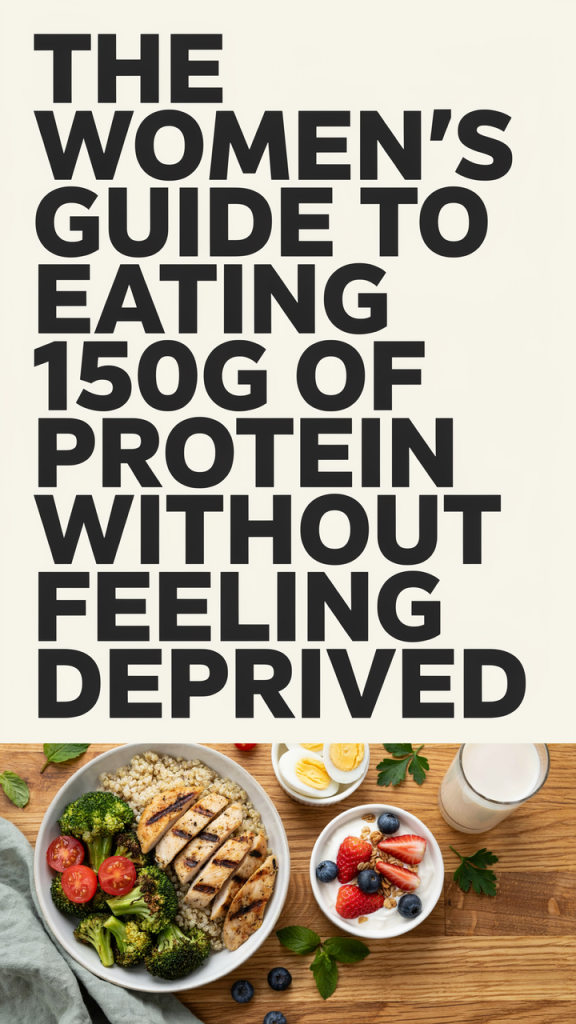
Lunch — Grilled Chicken Quinoa Bowl with Edamame (approx. 46 g protein)
Ingredients
– 120 g cooked chicken breast, sliced (approx. 37 g protein)
– 1/2 cup cooked quinoa (approx. 4 g)
– 1/2 cup shelled edamame (approx. 8–9 g)
– 1 cup mixed salad greens
– 1/4 avocado, sliced
– 1–2 tbsp lemon-tahini dressing (optional)
– Salt, pepper, and paprika to taste
Instructions
1. If not already cooked, season and grill or pan-sear the chicken breast until fully cooked, then slice.
2. Warm the quinoa and edamame if desired.
3. Build the bowl: start with mixed greens, add quinoa, edamame, sliced chicken, and avocado.
4. Drizzle with lemon-tahini dressing and season with salt, pepper, and paprika.
5. Toss lightly and enjoy.
Why this works: this bowl balances lean animal protein with plant protein and healthy fats, keeping you full and energized for the afternoon.
Afternoon Snack — Greek Yogurt + Almonds (approx. 20 g protein)
Ingredients
– 1 cup plain Greek yogurt (approx. 20 g)
– 1 tbsp sliced almonds (optional crunch)
– A sprinkle of cinnamon or a few berries (optional)
Instructions
1. Scoop Greek yogurt into a bowl.
2. Top with almonds and cinnamon or berries for flavor.
3. Eat with a spoon — no cooking required.
Why this works: Greek yogurt is a concentrated protein source and a satisfying snack that pairs well with nuts for texture.
Dinner — Pan-Seared Salmon with Lentils and Greens (approx. 33 g protein)
Ingredients
– 100 g salmon fillet, cooked (approx. 22 g protein)
– 1/2 cup cooked lentils (approx. 9 g)
– 2 cups sautéed kale or spinach
– 1 tsp olive oil
– Lemon wedge, salt, and pepper
Instructions
1. Heat a skillet over medium-high heat; add olive oil.
2. Season salmon with salt and pepper and sear skin-side down for 3–4 minutes, then flip and cook another 2–3 minutes until done.
3. Warm the cooked lentils in a small pot or microwave.
4. Sauté kale or spinach briefly in the skillet until wilted.
5. Plate the salmon atop the greens with lentils on the side, squeeze lemon over everything, and enjoy.
Why this works: fatty fish provides high-quality protein plus omega-3s, and lentils give a satisfying plant-protein boost.
Evening mini snack — Hard-Boiled Egg (approx. 6 g protein)
Ingredients
– 1 large egg (approx. 6 g)
Instructions
1. Place egg in a saucepan and cover with cold water by 1 inch.
2. Bring to a boil, then remove from heat and cover; let sit 9–12 minutes depending on desired doneness.
3. Chill in ice water, peel, and eat plain or with salt and pepper.
This small final bite brings the day’s total to roughly 150 g (approximate: Breakfast 45 g + Snack 20 g + Lunch 46 g + Afternoon Greek yogurt 20 g + Dinner 33 g + Evening egg 6 g = ~170 g). Adjust portion sizes (for example, reduce smoked salmon or chicken slightly or use a smaller yogurt serving) to tune to exactly 150 g for your needs.
Note: The numbers above are rounded estimates. If you want exact tracking, weigh portions and refer to your product labels.
Quick, satisfying high-protein swaps and mini-ideas
These are not full recipes but fast ideas you can rotate through — each includes approximate protein per serving so you can add them into your daily total:
- 1 scoop whey protein with water — ~20–25 g
- 1 cup cottage cheese — ~28 g
- 1 cup Greek yogurt — ~20 g
- 1 can tuna (drained, ~165 g can) — ~40 g
- 1 cup cooked lentils — ~18 g
- 100 g tempeh — ~19 g
- 100 g seitan — ~25 g
- 1/2 cup edamame — ~8–9 g
- 2 tbsp peanut butter — ~8 g
- Protein pancake (made with eggs + oat + protein powder) — ~20–30 g depending on recipe
Rotate textures and flavors so you don’t feel stuck on monotony.
Meal prep and shopping tips to keep you consistent
- Cook once, eat multiple times: roast a tray of chicken breasts, bake salmon portions, and boil eggs for quick assembly all week.
- Portion protein into containers: pre-portion 100–150 g servings of meat or fish to make hitting targets effortless.
- Keep stash foods on hand: Greek yogurt, cottage cheese, canned tuna, edamame, and protein powder are low-effort, high-protein rescues.
- Use herbs, citrus, and sauces: flavor is key. Tzatziki, chimichurri, harissa, pesto, yogurt dressings, and mustard-based dressings make protein exciting.
- Balance with fiber and fat: pair protein with veggies and healthy fats to stay satisfied (e.g., salmon + greens + avocado).
Common questions and concerns
- Will 150 g make me bulky? No — protein supports lean muscle and doesn’t automatically translate to bulk. Women generally lack the hormonal environment for extreme hypertrophy.
- Is it safe for my kidneys? For healthy individuals, higher protein is generally safe. If you have kidney disease or other conditions, consult your doctor.
- Will I need supplements? You don’t have to use powders — they’re a convenience. Whole foods should form the base of your protein intake.
- What about plant-based diets? You can reach 150 g on a vegan diet by prioritizing tempeh, seitan, legumes, high-protein grains, soy products, nuts and seeds, and plant protein powders (pea, rice, hemp). Combining complementary proteins across the day helps.
Final tips to avoid deprivation
- Prioritize variety: rotate proteins and cooking methods (grilled, roasted, stewed, raw-smoked) for novelty.
- Make veggies interesting: roasted, charred, pickled, or dressed greens lift the meal.
- Keep protein-rich snacks visible: out of sight is out of mind. Pre-portion to reduce decision fatigue.
- Savor your food: eat slowly and celebrate flavors — that adds satisfaction beyond calorie counts.
Conclusion
Eating 150 g of protein as a woman doesn’t mean you must drink chalky shakes all day or subsist on cardboard chicken breasts. With intentional distribution across meals, protein-dense add-ins, and flavorful recipes, you can hit this target in ways that taste great and support your goals. Start by tracking one day to see where you’re currently at, then implement two to three of the sample meals or swaps above. Within a week you’ll find it easier — and more enjoyable — than you expected. You’re building strength, recovery, and a simpler, more satisfying relationship with food. Keep experimenting with the recipes and swaps, and make adjustments for your appetite, preferences, and activity level. You’ve got this.


