Best High-Protein Foods For Women Over 40: Boost Muscle, Bone Health, And Energy In 2026
As we move through our 40s and beyond, the ways our bodies use and need protein change, often subtly but importantly. Muscle mass declines, bone turnover shifts, metabolism and recovery slow down, and shifting hormone levels can affect appetite and nutrient needs. That makes protein a frontline nutrient for preserving strength, protecting bone health, supporting metabolism, and keeping energy steady. In this guide we’ll explain why protein becomes more important after 40, how much to aim for and when, and then walk through the best animal and plant-based protein sources tailored to women over 40. Finally, we’ll give practical meal plans and snack ideas you can start using this week. Everything here is practical, science-forward, and written so you can put it on your plate without fuss.
Why Protein Becomes More Important After 40
Protein’s role shifts as we age. Around midlife, we experience a gradual loss of muscle mass called sarcopenia, typically starting in our 30s and accelerating in our 50s, which affects strength, balance, and metabolic rate. Hormonal changes, especially during perimenopause and menopause, reduce estrogen and can alter body composition, making it easier to lose muscle and gain fat even without calorie changes. That’s where protein matters: it provides the amino acids needed to maintain and rebuild muscle fibers and supports bone structure by promoting osteoblast activity and calcium balance.
Beyond structural support, protein helps regulate appetite and blood sugar. High-protein meals increase satiety, which can prevent overeating and help with weight control. They also slow gastric emptying and blunt post-meal glucose spikes, useful for women facing insulin resistance or metabolic shifts. Finally, protein supports recovery from exercise: with age, our anabolic response to protein can be blunted, which means we may need slightly more protein or better-timed protein to get the same muscle-building effect we had in our 20s. In short: protein is not just a muscle nutrient, it’s a metabolic and structural safety net as we age.
How Much Protein Should Women Over 40 Eat? Practical Targets And Timing
Recommendations vary, but practical, evidence-based targets help us plan real meals. The traditional RDA is 0.8 grams/kg body weight, which is a minimum to prevent deficiency, and often too low for midlife women focused on muscle and bone health. For women over 40 aiming to maintain or build muscle, reduce sarcopenia risk, and support metabolic health, a common target is 1.0–1.2 g/kg/day for sedentary individuals and 1.2–1.6 g/kg/day for those who are active or resistance-training. For a 150-pound (68 kg) woman, that’s about 68–109 grams per day depending on activity.
Timing matters, too. Spreading protein evenly across meals, roughly 25–35 grams per main meal, optimizes muscle protein synthesis. We should aim for a protein-containing breakfast rather than a carbohydrate-heavy start, especially because breakfast often has the lowest protein. Post-workout, a 20–30 gram protein snack or meal within two hours supports recovery. If appetite is low, higher-protein snacks or fortified beverages can fill gaps. Finally, consider protein quality: foods high in essential amino acids, especially leucine, produce a stronger anabolic response. Balancing total grams with meal timing and quality gives the best results for strength, bone, and metabolic health.
Top Animal-Based Protein Sources For Women Over 40
Animal proteins are dense in essential amino acids and often provide highly bioavailable nutrients that women over 40 need, including iron, B12, zinc, and in the case of fatty fish, omega-3s. We’ll highlight practical, everyday options that fit different budgets and cooking styles. When selecting animal proteins, prioritize lean cuts, wild or sustainably sourced fish where possible, and low-fat dairy choices if calories or saturated fat are a concern. Below are accessible picks that combine protein quality with other benefits like bone-supporting calcium or anti-inflammatory fats.
Lean Poultry, Eggs, And Greek Yogurt: Easy Everyday Picks
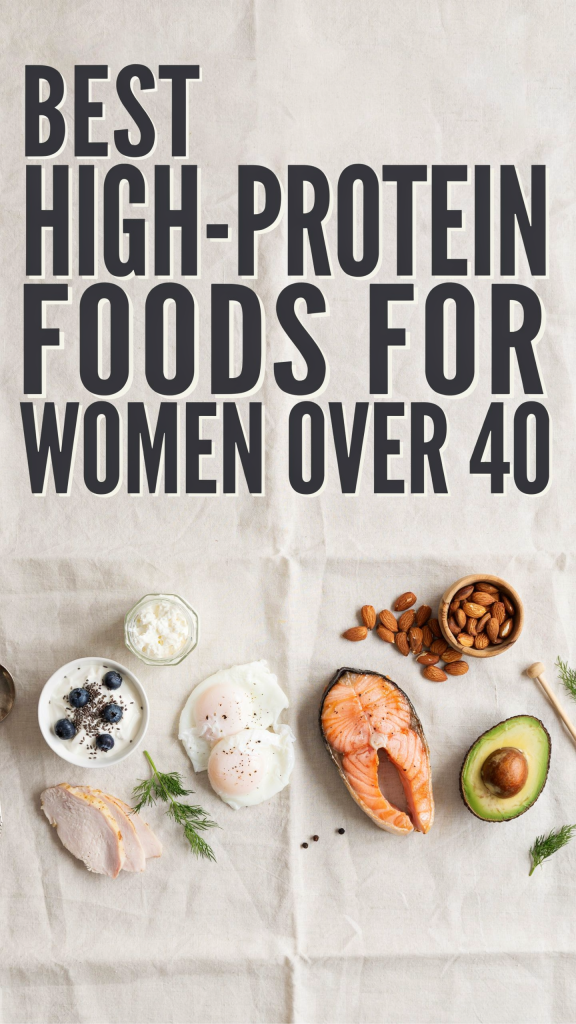
Lean poultry: Skinless chicken and turkey breast provide about 25–30 grams of protein per 3.5-ounce (100 g) cooked serving with relatively low saturated fat. They’re versatile, roast, grill, dice into salads, or add to grain bowls.
Eggs: One large egg has about 6–7 grams of high-quality protein with all essential amino acids and important nutrients like choline and vitamin D (in fortified eggs). For women concerned about cholesterol, current evidence supports moderate egg consumption in most healthy adults: balancing whole eggs with egg whites can adjust calories and cholesterol while preserving protein.
Greek yogurt and skyr: These strained yogurts pack 15–20 grams of protein per 6-ounce (170 g) serving, plus calcium and probiotics. They make convenient breakfasts, smoothies, or creamy sauces. Choose plain varieties and add fruit or nuts to control added sugars.
These choices are easy to prep, mix-and-match, and fit into breakfast, lunch, or dinner without much fuss, ideal for busy midlife schedules.
Fish, Seafood, And Lean Red Meat: Omega-3s, Iron, And Quality Protein
Fatty fish (salmon, mackerel, sardines): These supply 20–25 grams of protein per 3.5-ounce cooked portion and are rich in EPA/DHA omega-3s, which support heart and inflammatory health. Regular seafood intake (2–3 servings/week) can help with joint stiffness and may support mood, beneficial during hormonal transitions.
White fish and shellfish: Cod, haddock, shrimp, and scallops are lean and low-calorie protein sources, offering 18–24 grams of protein per serving and useful micronutrients like selenium and iodine.
Lean red meat: Beef and lamb provide highly bioavailable iron and B12, important for women who may have low iron stores. Choose lean cuts and moderate portions (3–4 ounces) a few times weekly if you tolerate red meat.
Practical tips: Rotate seafood and lean meats through the week for variety: use simple cooking methods (bake, broil, poach) to preserve nutrients: and aim for two to three servings of fish weekly, prioritizing fatty fish once or twice for omega-3 benefits.
Top Plant-Based Protein Sources For Women Over 40
More women over 40 are exploring plant-forward diets for metabolic and cardiovascular benefits, and we can meet protein needs with thoughtful choices. Plant proteins vary in amino acid profiles, so combining different sources across meals, legumes with grains or nuts, helps provide complete amino acid patterns. Plant sources often bring fiber, phytonutrients, and lower saturated fat, all useful for long-term health. Below we focus on legumes and soy first, then nuts, seeds, whole grains, and plant protein powders as versatile inclusions.
Legumes, Soy, And Pulses: Complete Nutrition And Hormone-Friendly Options
Legumes (lentils, chickpeas, black beans): Cooked legumes typically provide 7–9 grams of protein per half-cup and are excellent sources of fiber, folate, potassium, and resistant starch. That fiber supports gut health and steady blood sugar, two priorities for women navigating midlife metabolic shifts.
Soy foods (tofu, tempeh, edamame): Soy is a high-quality plant protein containing all essential amino acids. Tofu (firm) has about 10–12 grams per half-cup: tempeh offers 15–20 grams per serving and brings probiotic-friendly fermentation in some preparations. Soy also contains isoflavones, which may have mild estrogen-like effects: research indicates soy is generally safe and can be part of a heart-healthy diet for midlife women.
Mixed dishes: Hummus, bean salads, and lentil stews are easy ways to add concentrated protein and keep meals satisfying. For those with digestive sensitivity, start with smaller servings and gradually increase fiber to allow the microbiome to adapt.
Nuts, Seeds, Whole Grains, And Plant Protein Powders: Versatile Ways To Add Protein
Nuts and seeds: Almonds, pistachios, pumpkin seeds, and chia are small but potent protein sources, roughly 5–8 grams per ounce for many nuts and seeds. They also provide healthy fats, magnesium, and satiety: sprinkle them on yogurt, oats, or salads.
Whole grains: Quinoa is notable for being a complete plant protein, about 8 grams per cooked cup. Farro, barley, and steel-cut oats contribute modest protein and valuable fiber. Combining grains with beans elevates overall protein quality.
Plant protein powders: Pea, soy, hemp, and blended plant proteins can be practical for women who struggle to meet daily targets. A typical scoop provides 15–25 grams of protein and can be mixed into smoothies, porridge, or baked goods. We recommend choosing powders with minimal additives and checking for third-party testing if purity is a concern.
Practical combos: Peanut butter on whole-grain toast with chia seeds, a quinoa salad with chickpeas and pumpkin seeds, or a tempeh stir-fry with brown rice are simple templates that boost daily protein without elaborate cooking.
Practical Meal Planning, Snack Ideas, And Sample Day Menus
We find it’s easier to meet protein goals with planning and simple templates. Aim to start the day with protein, include a protein-rich lunch, and balance dinner around a 25–35 gram protein portion. Snacks bridge gaps and support muscle recovery. Below are quick ideas and two full sample days, one omnivore and one plant-forward, each approximating 90–110 grams of protein for a midweight active woman.
Quick snack ideas
- Greek yogurt (6 oz) with a tablespoon of chia seeds, ~20 g protein
- Hard-boiled eggs (2) and a small apple, ~12–14 g protein
- Hummus (1/3 cup) with veggie sticks and a handful of almonds, ~10–12 g protein
- Cottage cheese (1/2 cup) with cucumber slices, ~14 g protein
- Protein smoothie: plant or whey powder, spinach, frozen berries, and unsweetened milk, 20–30 g protein
Sample Day, Omnivore
- Breakfast: Greek yogurt parfait with 6 oz plain Greek yogurt, 1/4 cup granola, and berries, ~20 g
- Mid-morning snack: Hard-boiled egg + 1 oz almonds, ~13 g
- Lunch: Grilled chicken salad (4 oz chicken) with mixed greens, quinoa (1/2 cup cooked), and vinaigrette, ~34 g
- Afternoon snack: Cottage cheese (1/2 cup) with cherry tomatoes, ~14 g
- Dinner: Baked salmon (4 oz) with steamed broccoli and sweet potato, ~28 g
- Total: ~109 g
Sample Day, Plant-Forward
- Breakfast: Oatmeal made with soy milk, topped with 2 tbsp peanut butter and chia seeds, ~18 g
- Mid-morning snack: Edamame (1 cup shelled), ~17 g
- Lunch: Quinoa and black bean bowl with roasted veggies and tahini, ~28 g
- Afternoon snack: Protein smoothie (pea protein) with spinach and banana, ~25 g
- Dinner: Stir-fried tempeh (4 oz) with brown rice and greens, ~22 g
- Total: ~110 g
Meal prep tips
- Batch-cook grains and legumes on weekends: portion into containers.
- Roast a tray of mixed proteins (chicken, tofu, or tempeh) to mix into salads and bowls.
- Keep portable protein snacks in your bag, jerky, nuts, or protein bars with clean ingredients. These small habits make it realistic to meet targets without overthinking every meal.
Conclusion
Protein is one of the most actionable nutrients for women over 40: it protects muscle, supports bone health, steadies energy, and helps manage body composition. By aiming for realistic daily targets, spreading protein across meals, and choosing a mix of animal and plant sources, from salmon and Greek yogurt to lentils and tempeh, we can meet our needs without dramatic diet overhauls. Start by adding a protein-rich breakfast, planning one higher-protein meal each day, and keeping a few easy snacks handy. Small, consistent changes compound quickly: within weeks you’ll likely notice better energy, easier workouts, and steadier hunger. Let’s make protein a practical part of our midlife wellness strategy.