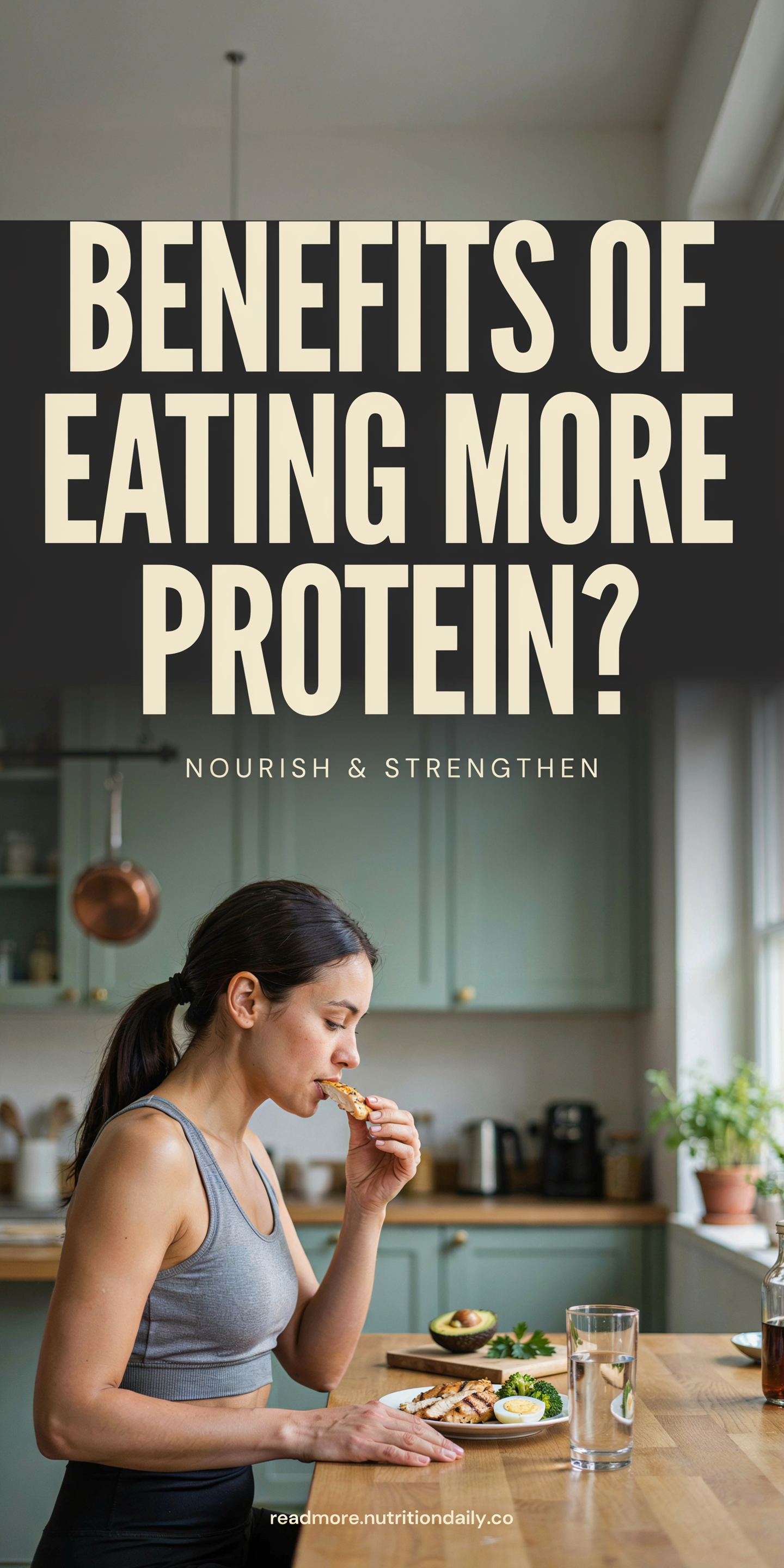
What Are the Benefits of Eating More Protein?
Eating more protein is one of the simplest, most evidence-backed dietary changes you can make to improve health, body composition, performance, and day-to-day wellbeing. Whether you’re trying to lose weight, build muscle, improve recovery from workouts, or simply feel fuller between meals, increasing the proportion of protein in your diet can deliver measurable benefits. This article explains why protein matters, how much you might need, the best sources, possible downsides, and practical meal ideas and recipes to help you increase protein in a balanced, enjoyable way.
Introduction
Protein is more than just a gym-food buzzword. It’s a crucial macronutrient that supports nearly every structure and function in the body — from muscles and bones to hormones, enzymes, and immune cells. Despite its importance, many people undervalue protein in favor of carbs or fats, or assume simply eating more calories will do the trick. The result: suboptimal recovery after exercise, slower metabolism, more cravings, and less lean mass retention as we age.
This guide will walk you through the science-backed benefits of eating more protein, how to tailor intake to your goals, what high-quality protein sources look like, and practical recipes and meal ideas to make adding protein both easy and delicious. Whether you’re a busy professional, a parent, an athlete, or someone focused on healthy aging, you’ll find actionable tips to fit protein into real life.
Why Protein Matters: The Core Benefits
1. Supports muscle growth and repair
Protein provides the amino acids necessary for muscle protein synthesis — the process by which muscle tissue repairs and grows after stress (like resistance training). If you’re trying to build muscle or recover from workouts, increasing protein intake and distributing it evenly across meals helps maximize gains.
- Recommended for strength athletes: 1.4–2.0 g/kg body weight per day
- For general fitness goals: 1.2–1.6 g/kg/day is often sufficient
2. Helps preserve lean mass during weight loss
When you reduce calories to lose fat, your body can break down muscle for energy unless protein intake is adequate. Eating more protein helps preserve lean mass, which is crucial for long-term metabolic health and maintaining strength.
- Higher-protein diets during calorie restriction reduce muscle loss and improve body composition compared to lower-protein diets.
3. Increases satiety and reduces cravings
Protein is the most satiating macronutrient. Meals higher in protein help you feel full longer, reduce snacking, and lower total calorie intake without conscious restriction. This makes it easier to stick with a healthy eating plan.
4. Boosts metabolic rate through the thermic effect of food
Protein has a higher thermic effect (energy required to digest, absorb, and metabolize nutrients) compared with carbohydrates and fats. Roughly 20–30% of protein calories are used during digestion versus 5–10% for carbs and 0–3% for fats. This modest increase can help support metabolism, especially when combined with resistance exercise.
5. Supports healthy aging and reduces frailty
As we age, we naturally lose muscle mass (sarcopenia). Higher protein intake, paired with resistance exercise, helps older adults maintain strength, mobility, and independence.
- Older adults often benefit from 1.0–1.2 g/kg/day (or higher if ill or very active) to support muscle maintenance and recovery.
6. Helps regulate blood sugar and reduces post-meal spikes
Protein slows gastric emptying and helps moderate blood sugar responses when eaten with carbohydrates. This is useful for improving energy stability, reducing mood swings from blood sugar dips, and supporting metabolic health.
7. Supports bone health
Adequate protein intake contributes to bone health by providing the amino acids necessary for bone matrix and helping maintain muscle which protects bones from falls. Combined with calcium and vitamin D, protein assists in reducing osteoporosis risk.
8. Helps immune function and recovery
Many immune cells and antibodies are proteins. During illness or recovery from injury, protein needs increase to support healing and immune responses. Ensuring sufficient intake speeds recovery and supports robust immune function.
How Much Protein Do You Need?
There’s no one-size-fits-all answer — needs vary by age, body composition, activity level, and goals. Use these as general guidelines:
- Sedentary adults (minimum RDA): 0.8 g/kg body weight per day
- Active adults and endurance athletes: 1.2–1.4 g/kg/day
- Strength athletes and those building muscle: 1.6–2.2 g/kg/day
- Older adults (to prevent muscle loss): 1.0–1.2 g/kg/day or more
- During calorie restriction (to preserve muscle): toward the higher end of recommended ranges
Practical example: A 70 kg (155 lb) moderately active person aiming for fat loss or muscle gain might target 1.6 g/kg → 112 g protein/day.
Distribute protein across meals (e.g., 25–40 g per meal) to maximize muscle protein synthesis, rather than front-loading protein into one meal only.
Best Protein Sources: Animal and Plant Options
Animal-based proteins
- Lean meats (chicken breast, turkey, lean beef)
- Fish and seafood (salmon, tuna, cod, shrimp)
- Eggs and egg whites
- Dairy (Greek yogurt, cottage cheese, milk)
- Whey protein powders
Benefits: Complete proteins with all essential amino acids, high leucine content (important for muscle synthesis), high bioavailability.
Plant-based proteins
- Legumes (lentils, chickpeas, black beans)
- Soy products (tofu, tempeh, edamame)
- Whole grains (quinoa, farro)
- Nuts and seeds (almonds, chia, hemp)
- Plant-based protein powders (pea, soy, rice blends)
Benefits: High fiber and phytonutrients; combining complementary plant proteins across meals ensures adequate essential amino acids.
Tip: If you follow a plant-based diet, prioritize high-quality plant proteins like soy, quinoa, and varied legumes + grains to meet amino acid needs.
Potential Downsides and Myths
Will high protein damage my kidneys?
In healthy individuals, higher protein diets have not been shown to cause kidney damage. People with pre-existing kidney disease should follow medical advice and likely limit protein. If you have kidney concerns, consult your healthcare provider before increasing protein significantly.
Does protein cause dehydration or bone loss?
Higher protein increases urea production and may modestly increase fluid needs — simply drink enough water. Earlier myths linked protein to bone loss; modern research indicates appropriate protein intake, combined with adequate calcium and vitamin D, supports bone health.
Could eating more protein increase cholesterol?
Sources matter. High intakes from processed meats and fatty cuts can increase saturated fat and LDL cholesterol. Choose lean proteins, fish, plant proteins, and low-fat dairy more often to avoid this issue.
Practical Tips for Adding More Protein
- Aim for a protein-rich breakfast (eggs, Greek yogurt, cottage cheese, or a protein smoothie).
- Pack high-protein snacks (Greek yogurt, jerky, roasted chickpeas, cottage cheese + fruit).
- Add a protein source to every meal: beans in salads, chicken on grain bowls, tofu in stir-fries.
- Use protein powders to boost shakes, oatmeal, or pancakes when time is limited.
- Prepare larger batches of protein (grilled chicken, baked tofu, boiled eggs) for easy meals through the week.
- Swap refined carbs for protein-rich alternatives (e.g., replace some pasta with beans or lentils).
High-Protein Meal Ideas and Recipes
Below are practical, tasty recipes and ideas you can use to increase protein intake each day. Each recipe lists ingredients as a bullet list and instructions as a numbered list.
1. Greek Yogurt Breakfast Bowl (High-Protein Breakfast)
Ingredients:
– 1 cup (240 g) plain Greek yogurt (2% or whole as preferred)
– 1/4 cup (30 g) mixed berries (fresh or frozen)
– 2 tbsp (16 g) chopped toasted almonds or walnuts
– 1 tbsp chia seeds
– 1 tsp honey or maple syrup (optional)
Instructions:
1. Scoop Greek yogurt into a bowl.
2. Top with berries, chopped nuts, and chia seeds.
3. Drizzle with honey or maple syrup if desired and stir lightly.
4. Enjoy immediately.
Protein per serving: ~20–25 g (varies by yogurt type).
2. Quick Chickpea and Quinoa Salad (Plant-Based Lunch)
Ingredients:
– 1 cup cooked quinoa (cooled)
– 1 can (15 oz) chickpeas, drained and rinsed
– 1 cup cherry tomatoes, halved
– 1/2 cucumber, diced
– 1/4 cup chopped parsley
– 2 tbsp olive oil
– Juice of 1 lemon
– Salt and pepper to taste
– Optional: 1/4 cup crumbled feta (omit for vegan)
Instructions:
1. Combine quinoa, chickpeas, tomatoes, cucumber, and parsley in a large bowl.
2. Whisk olive oil, lemon juice, salt, and pepper in a small bowl, then pour over salad.
3. Toss to combine and sprinkle with crumbled feta if using.
4. Serve chilled or at room temperature.
Protein per serving: ~15–18 g (more with feta).
3. Turkey and Veggie Stir-Fry (High-Protein Dinner)
Ingredients:
– 1 lb (450 g) lean ground turkey
– 2 cups mixed vegetables (broccoli, bell peppers, snap peas)
– 2 cloves garlic, minced
– 1 tbsp fresh ginger, minced
– 2 tbsp low-sodium soy sauce or tamari
– 1 tbsp sesame oil or olive oil
– 1 tsp honey or maple syrup (optional)
– 2 green onions, sliced
– Serve over 1–2 cups cooked brown rice or cauliflower rice
Instructions:
1. Heat oil in a large skillet over medium-high heat.
2. Add garlic and ginger; sauté 30 seconds until fragrant.
3. Add ground turkey, breaking it up with a spoon, and cook until browned.
4. Add mixed vegetables and stir-fry until tender-crisp (3–5 minutes).
5. Stir in soy sauce and honey; cook 1–2 more minutes.
6. Top with green onions and serve over rice.
Protein per serving (with turkey): ~30–35 g.
4. Salmon with Lemon-Dill Yogurt Sauce (Protein-Rich Dinner)
Ingredients:
– 2 salmon fillets (4–6 oz each)
– Salt and pepper to taste
– 1 tbsp olive oil
– For sauce:
– 1/2 cup plain Greek yogurt
– 1 tbsp fresh dill, chopped (or 1 tsp dried)
– Juice of 1/2 lemon
– 1 small garlic clove, minced
– Salt and pepper to taste
Instructions:
1. Preheat oven to 400°F (200°C). Line a baking sheet with foil.
2. Place salmon on sheet, drizzle with olive oil, and season with salt and pepper.
3. Bake for 10–12 minutes until cooked through and flaky.
4. While salmon bakes, mix Greek yogurt, dill, lemon juice, garlic, salt, and pepper in a small bowl.
5. Serve salmon topped with a spoonful of lemon-dill yogurt sauce.
Protein per serving: ~25–30 g.
5. Protein-Packed Smoothie (Snack or Breakfast on the Go)
Ingredients:
– 1 scoop whey or plant-based protein powder (20–25 g protein per scoop)
– 1 cup unsweetened almond milk or milk of choice
– 1/2 banana (frozen preferred)
– 1 tbsp almond butter or peanut butter
– 1 handful spinach (optional)
– 4–6 ice cubes
Instructions:
1. Add all ingredients to a blender.
2. Blend until smooth, adding more liquid if needed to reach desired consistency.
3. Pour into a glass and drink immediately.
Protein per serving: ~25–35 g (depends on protein powder).
6. Lentil and Tofu Curry (Hearty Plant-Based Dinner)
Ingredients:
– 1 cup dry brown or green lentils (cooked)
– 8 oz firm tofu, cubed
– 1 tbsp coconut oil or olive oil
– 1 small onion, diced
– 2 cloves garlic, minced
– 1 tbsp curry powder
– 1 can (14 oz) diced tomatoes
– 1/2 cup light coconut milk or plain stock
– Salt and pepper to taste
– Fresh cilantro for garnish
– Serve with 1 cup cooked brown rice or naan if desired
Instructions:
1. Heat oil in a pot over medium heat. Sauté onion and garlic until translucent.
2. Add curry powder and toast briefly.
3. Stir in diced tomatoes and coconut milk; bring to a simmer.
4. Add cooked lentils and tofu; simmer 5–10 minutes to blend flavors.
5. Season with salt and pepper and garnish with cilantro.
6. Serve with rice or naan.
Protein per serving: ~20–25 g (varies with tofu and lentils).
How to Track and Fit Protein into Busy Life
- Use a rough protein target per meal (e.g., 25–40 g) rather than obsessing over totals; this is easier and effective.
- Keep a protein-rich snack pack (nuts, jerky, Greek yogurt cups) in your bag or car.
- Batch-cook protein sources (baked chicken, boiled eggs, lentils) and portion them into easy grab-and-go containers.
- Choose convenient, minimally processed protein sources like canned tuna, Greek yogurt, edamame, or pre-cooked beans.
- If using protein powders, prefer products with minimal additives and realistic ingredient lists.
When to See a Professional
If you have chronic kidney disease, liver disease, or other serious health conditions, talk with a registered dietitian or physician before significantly increasing protein intake. A dietitian can personalize protein targets for performance, weight loss, aging, or medical recovery, and help you create meal plans that fit your preferences and needs.
Summary: Key Takeaways
- Protein is essential for muscle, bone, immune function, hormones, and overall health.
- Eating more protein helps with muscle building, fat loss, satiety, metabolic rate, recovery, and healthy aging.
- General intake ranges: 0.8 g/kg minimum for sedentary adults; 1.2–2.2 g/kg for active people, athletes, and those in calorie deficit; older adults often need higher amounts.
- Choose a mix of high-quality animal and plant proteins and distribute protein across meals.
- Practical recipes and strategies make increasing protein easy, enjoyable, and sustainable.
Conclusion
Boosting your protein intake is a practical, flexible, and powerful way to improve health — from better body composition and stronger muscles to greater satiety, improved recovery, and support for aging well. You don’t need fancy supplements or rigid rules: start by adding a protein source to every meal, choose lean and nutrient-dense options, and try a few of the recipes above to make it tasty. Over time, these small changes add up, delivering measurable benefits to your energy, performance, and long-term wellbeing. If you’re unsure how much protein is right for you, a brief consultation with a registered dietitian or healthcare provider can clarify goals and create a plan that fits your lifestyle.
Encouragement: Take one small step today—swap a carb-heavy breakfast for a protein-rich one, add a can of beans to a salad, or try the salmon with lemon-dill yogurt sauce for dinner. Your body will thank you.