What Are the Benefits of a Mediterranean Diet?
Introduction
The Mediterranean diet is one of the most celebrated and science-backed eating patterns in the world. Rooted in the culinary traditions of countries bordering the Mediterranean Sea—Greece, Italy, Spain, southern France, and others—this way of eating emphasizes whole, minimally processed foods, plant-forward meals, healthy fats, and social enjoyment of food. But beyond its delicious flavors, what exactly are the benefits of a Mediterranean diet? In this article I’ll walk you through the evidence-based health advantages, explain why it works, give practical tips for getting started, and share several simple, flavorful recipes you can use right away. Whether you’re curious about improving heart health, managing weight, supporting brain function, or simply eating more deliciously and sustainably, the Mediterranean approach has something to offer.
What is the Mediterranean diet?
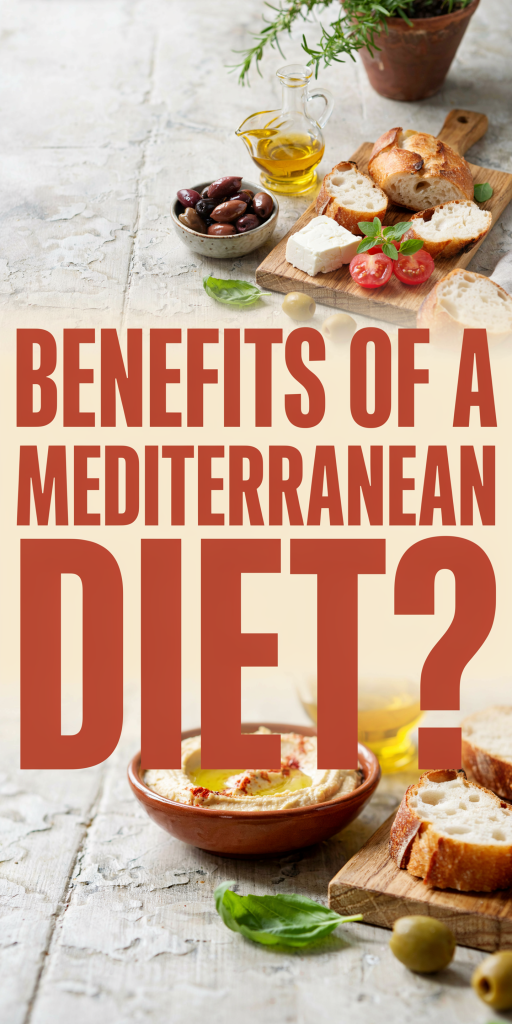
The Mediterranean diet is not a strict meal plan but a flexible pattern built around nutrient-dense, minimally processed foods and a lifestyle that often includes regular physical activity and shared meals.
Core components
- Abundant vegetables, fruits, whole grains, legumes, nuts, and seeds
- Olive oil as the primary source of fat
- Moderate amounts of fish and seafood
- Smaller amounts of poultry, eggs, dairy (mostly yogurt and cheese)
- Limited red meat and processed meats
- Moderate wine consumption in some traditions (optional and not recommended for everyone)
- Herbs, spices, and citrus to flavor food instead of relying on salt
How it differs from many fad diets
- Focuses on patterns rather than strict rules or elimination
- Encourages pleasure and social connection around food
- Emphasizes quality and variety, not calorie counting or packaged “diet” products
Key health benefits
Extensive research—observational studies, randomized controlled trials, and meta-analyses—supports multiple health benefits of adopting a Mediterranean-style diet.
Heart health and reduced cardiovascular risk
One of the strongest and most consistent benefits is improved heart health. Studies have shown:
– Lower LDL (bad) cholesterol and improved HDL (good) cholesterol ratios
– Reduced blood pressure
– Lower risk of heart attack, stroke, and death from cardiovascular disease
Notably, landmark trials such as PREDIMED demonstrated significant reductions in major cardiovascular events when participants followed a Mediterranean-style diet supplemented with extra-virgin olive oil or nuts.
Improved blood sugar control and reduced diabetes risk
The Mediterranean diet is associated with:
– Better insulin sensitivity
– Lower fasting glucose levels
– Reduced risk of developing type 2 diabetes in long-term studies
Its emphasis on fiber-rich whole grains, legumes, and healthy fats helps stabilize blood sugar and blunt post-meal glucose spikes.
Weight management and metabolic health
While not a calorie-restriction plan, the Mediterranean pattern supports weight management by:
– Encouraging satiety through fiber and healthy fats
– Reducing ultra-processed foods and added sugars
– Supporting healthy metabolic markers like triglycerides and waist circumference
Brain health and reduced cognitive decline
Research suggests the Mediterranean diet is linked to:
– Slower cognitive decline with aging
– Lower risk of developing Alzheimer’s disease and other forms of dementia
This benefit likely reflects combined effects of improved cardiovascular health, anti-inflammatory compounds, and antioxidant-rich foods.
Reduced inflammation and oxidative stress
Plant foods, olive oil, nuts, and fish are rich in anti-inflammatory compounds and antioxidants (polyphenols, vitamins C and E, omega-3 fats). Regular intake is associated with lower markers of systemic inflammation, which contributes to many chronic diseases.
Gut health
A diet high in fiber and diverse plant foods fosters a healthy gut microbiome—greater microbial diversity and favorable metabolites (such as short-chain fatty acids)—which in turn supports immune function, metabolic health, and even mood.
Longevity and overall mortality
Population studies show that higher adherence to Mediterranean-style eating is associated with reduced all-cause mortality and longer life expectancy.
Mental health and mood
Emerging evidence links the Mediterranean diet with improved mood and lower risk of depression. Theories include the diet’s anti-inflammatory effects, its nutrient density (B vitamins, omega-3s), and social components of meals.
Why it works: the foods and mechanisms
Understanding the “why” can help you apply the principles in practical ways.
Healthy fats: olive oil and omega-3s
Replacing saturated fats from processed foods and red meat with monounsaturated fats (olive oil) and omega-3 fatty acids (fatty fish, walnuts) improves lipid profiles and reduces inflammation.
Fiber and complex carbohydrates
Whole grains, legumes, fruits, and vegetables provide soluble and insoluble fiber that improves digestion, lowers cholesterol, and feeds beneficial gut bacteria.
Polyphenols and antioxidants
Olive oil, coffee, tea, fruits, vegetables, herbs, and spices contain polyphenols—potent antioxidants that protect cells from oxidative damage and reduce inflammation.
Balanced macronutrients
The Mediterranean pattern tends to have moderate protein, healthy fats, and complex carbohydrates—supporting sustained energy and satiety without extreme restriction.
Practical benefits beyond health
- Culinary pleasure: Fresh herbs, citrus, and simple techniques maximize flavor with minimal fuss.
- Sustainability: Plant-forward patterns tend to have a lower environmental impact than meat-heavy diets.
- Social and cultural benefits: Emphasis on shared meals and mindful eating supports relationships and enjoyment.
- Flexibility: Fits vegetarian, pescatarian, and omnivore preferences.
How to start: practical tips
- Use olive oil instead of butter for cooking and dressings.
- Aim for vegetables at every meal—think 1/2 the plate as vegetables and fruits combined.
- Include legumes (beans, lentils, chickpeas) several times per week.
- Eat fish—especially fatty fish like salmon, mackerel, sardines—at least 2 times per week.
- Choose whole grains (brown rice, farro, bulgur, whole-wheat pasta) instead of refined grains.
- Snack on nuts, seeds, olives, and fruit rather than chips and sweets.
- Flavor food with herbs, lemon, garlic, and spices rather than excess salt.
- Make meals social: sit down, slow down, enjoy conversation.
Sample meal ideas and recipes
Below are practical, flavorful recipes and meal ideas that embody the Mediterranean pattern. Each recipe includes ingredients and step-by-step instructions.
1) Greek Yogurt Breakfast Bowl with Fruit, Nuts & Honey
Ingredients
– 1 cup plain Greek yogurt (full-fat or low-fat)
– 1/2 cup mixed berries (fresh or thawed frozen)
– 2 tablespoons chopped walnuts or almonds
– 1 tablespoon chia seeds or ground flaxseed
– 1 teaspoon honey or a drizzle to taste
– 1 teaspoon lemon zest (optional)
– Pinch of cinnamon (optional)
Instructions
1. Spoon Greek yogurt into a bowl.
2. Top yogurt with berries, chopped nuts, and chia seeds.
3. Drizzle with honey, sprinkle lemon zest and cinnamon if using.
4. Stir lightly and enjoy immediately.
2) Shakshuka (Tomato-Poached Eggs) — Mediterranean Comfort Brunch
Ingredients
– 1 tablespoon olive oil
– 1 small onion, finely chopped
– 1 red bell pepper, diced
– 2 garlic cloves, minced
– 1 teaspoon ground cumin
– 1 teaspoon smoked paprika
– 1 (14 oz) can crushed tomatoes (or 3 cups fresh diced tomatoes)
– Salt and black pepper to taste
– 4 large eggs
– 2 tablespoons chopped fresh parsley or cilantro
– Crusty whole-grain bread for serving
Instructions
1. Heat olive oil in a large skillet over medium heat. Add onion and bell pepper and cook until softened, about 5–7 minutes.
2. Add garlic, cumin, and smoked paprika; cook 1 minute until fragrant.
3. Pour in crushed tomatoes, season with salt and pepper, and simmer 8–10 minutes until slightly thickened.
4. Use a spoon to make four wells in the sauce. Crack an egg into each well.
5. Cover skillet and cook gently until eggs are set to your liking (about 6–8 minutes for runny yolks).
6. Sprinkle with fresh parsley or cilantro and serve with bread for dipping.
3) Classic Greek Salad (Horiatiki)
Ingredients
– 3 cups mixed salad greens or chopped romaine
– 1 cup cherry tomatoes, halved
– 1 cucumber, sliced or diced
– 1/2 red onion, thinly sliced
– 1/2 cup Kalamata olives, pitted
– 1/2 cup feta cheese, crumbled
– 2 tablespoons extra-virgin olive oil
– 1 tablespoon red wine vinegar or lemon juice
– 1 teaspoon dried oregano
– Salt and freshly ground black pepper to taste
Instructions
1. Combine greens, cherry tomatoes, cucumber, red onion, and olives in a large bowl.
2. In a small bowl, whisk olive oil, red wine vinegar or lemon juice, dried oregano, salt, and pepper.
3. Pour dressing over salad and toss gently to combine.
4. Top with crumbled feta and serve immediately.
4) Grilled Lemon-Herb Salmon with Farro and Greens
Ingredients
– 2 salmon fillets (4–6 oz each)
– 1 tablespoon olive oil
– 1 tablespoon lemon juice
– 1 garlic clove, minced
– 1 teaspoon chopped fresh dill or parsley
– Salt and pepper to taste
– 1 cup cooked farro (or brown rice)
– 2 cups sautéed or steamed greens (spinach, Swiss chard, or kale)
– Lemon wedges to serve
Instructions
1. In a small bowl, mix olive oil, lemon juice, garlic, chopped herbs, salt, and pepper.
2. Brush salmon fillets with the mixture and let rest 10 minutes.
3. Grill salmon skin-side down over medium-high heat 4–6 minutes per side, or bake at 400°F (200°C) for 10–12 minutes until cooked through.
4. Warm cooked farro and prepare greens (sauté greens with a drizzle of olive oil and a pinch of salt).
5. Serve salmon over a bed of farro and greens with lemon wedges.
5) Chickpea & Spinach Stew (Quick Vegetarian Entrée)
Ingredients
– 1 tablespoon olive oil
– 1 small onion, chopped
– 2 garlic cloves, minced
– 1 teaspoon ground cumin
– 1/2 teaspoon smoked paprika
– 1 (14 oz) can chickpeas, drained and rinsed
– 1 (14 oz) can diced tomatoes
– 4 cups fresh spinach (or 1 cup frozen)
– Salt and pepper to taste
– 1 tablespoon lemon juice
– Fresh parsley for garnish
– Whole-grain pita or brown rice for serving
Instructions
1. Heat olive oil in a saucepan over medium heat. Add onion and sauté until translucent, about 5 minutes.
2. Add garlic, cumin, and smoked paprika and cook 1 minute.
3. Add chickpeas and diced tomatoes; simmer 8–10 minutes to let flavors meld.
4. Stir in spinach until wilted (if using fresh) or heated through (if using frozen). Season with salt, pepper, and lemon juice.
5. Garnish with parsley and serve with pita or rice.
6) Simple Hummus & Vegetable Platter (Snack or Light Meal)
Ingredients
– 1 (15 oz) can chickpeas, drained (reserve a few for garnish)
– 2 tablespoons tahini
– 2 tablespoons extra-virgin olive oil, plus extra for drizzling
– 1–2 tablespoons lemon juice (to taste)
– 1 garlic clove
– Salt to taste
– Water to thin as needed
– Sliced vegetables: cucumber, bell peppers, carrots, cherry tomatoes
– Whole-grain crackers or pita wedges
Instructions
1. In a food processor, combine chickpeas, tahini, olive oil, lemon juice, garlic, and salt.
2. Blend until smooth, adding water a tablespoon at a time to reach desired consistency.
3. Adjust seasoning with more lemon or salt if needed.
4. Transfer to a serving bowl, drizzle with olive oil, and garnish with reserved chickpeas or paprika.
5. Arrange vegetables and crackers around hummus and serve.
Sample one-day Mediterranean-style meal plan (quick reference)
- Breakfast: Greek Yogurt Breakfast Bowl with Fruit, Nuts & Honey (see recipe above).
- Lunch: Classic Greek Salad with added chickpeas for protein (combine ingredients from the Greek Salad recipe and add 1 cup drained chickpeas).
- Snack: Hummus & Vegetable Platter (see recipe).
- Dinner: Grilled Lemon-Herb Salmon with Farro and Greens (see recipe).
This sample demonstrates how easy it is to mix and match recipes for a balanced day.
Common questions and considerations
Is wine required?
No. While moderate wine consumption is part of some Mediterranean traditions, it is not necessary to reap the diet’s benefits. For many people, the potential risks outweigh benefits, and alcohol should be avoided or consumed only in accordance with medical guidance.
Can the Mediterranean diet be vegetarian or vegan?
Yes. Emphasize legumes, nuts, seeds, whole grains, and plant-based proteins while keeping olive oil, vegetables, fruits, and herbs as staples.
How quickly will I see benefits?
Some improvements (like better blood sugar control or energy) can occur within weeks. Major risk reductions for heart disease or diabetes often appear over months to years as habits solidify.
Is the Mediterranean diet suitable for weight loss?
It can support sustainable weight loss when attention is given to portion sizes and minimizing energy-dense processed foods. Its focus on satiety through fiber and healthy fats makes it easier for many people to stick to.
Tips for long-term success
- Start small: swap olive oil for butter, add one extra vegetable serving daily, or have fish twice a week.
- Plan meals and cook at home when possible—this increases control over ingredients and portions.
- Make use of batch cooking: prepare grains, legumes, and roasted vegetables in advance.
- Experiment with herbs and spices to keep meals interesting.
- Include friends or family—shared meals boost enjoyment and adherence.
Conclusion
The Mediterranean diet is more than a list of foods—it’s a flexible, evidence-based way of eating that supports heart health, metabolic function, brain health, longevity, and overall wellbeing. Its appeal lies not only in measurable health benefits but also in its practicality, cultural richness, and delicious flavors. By emphasizing whole foods, healthy fats like olive oil, plentiful vegetables and fruits, legumes, whole grains, and regular fish intake, you create a sustainable eating pattern that nourishes both body and mind. Start with small, manageable swaps—use olive oil, add an extra vegetable to each meal, choose whole grains, and enjoy meals with others—and you’ll likely find the Mediterranean approach easy to maintain and rewarding. Try the recipes above this week to get a taste of how simple and satisfying Mediterranean eating can be. Your future self—heart, brain, mood, and belly—will thank you.