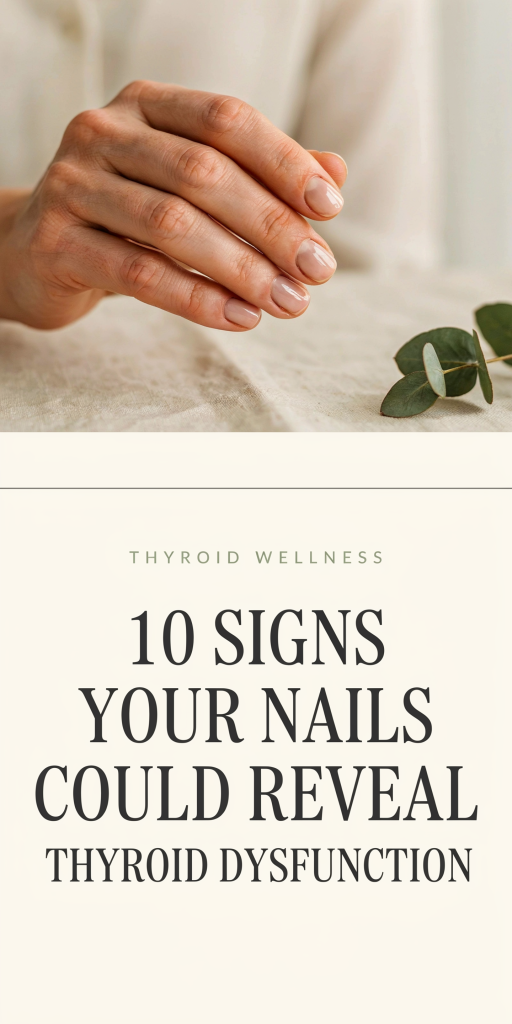
10 Nail Clues Your Body’s Hiding: Signs Your Nails Could Reveal Thyroid Dysfunction In 2026
Nails are more than a cosmetic detail, they’re miniature health reports. Over the years we’ve seen how subtle changes in nail texture, color, and growth can precede other signs of systemic disease, and the thyroid is one of the chief culprits. Thyroid hormones regulate metabolism across almost every tissue in the body, including the matrix that produces our nails. When thyroid function drifts off balance, nails often change in predictable ways. In this text we’ll walk through the biology linking thyroid health to nails, describe the top 10 nail clues that suggest thyroid dysfunction, explain how to tell thyroid-related changes apart from other causes, and outline practical diagnostic, treatment, and home-care steps you can take. Our aim is to give you clear, actionable guidance so you and your clinician can spot problems earlier and restore nail, and overall, health.
How Thyroid Function Impacts Nail Biology
Thyroid hormones, primarily thyroxine (T4) and triiodothyronine (T3), control cellular metabolism, protein synthesis, and blood flow, all of which influence nail formation. Nails grow from the nail matrix, a specialized epithelial tissue beneath the proximal nail fold: keratinocytes in the matrix proliferate, differentiate, and produce the hard keratin that becomes the visible nail plate. Normal rates of proliferation and keratinization require adequate thyroid signaling.
When thyroid function is low (hypothyroidism), metabolic processes slow. Keratinocyte turnover in the matrix declines, leading to slower nail growth and nails that become dry, brittle, and prone to splitting. Reduced peripheral circulation, commonly seen with hypothyroidism, further diminishes nutrient and oxygen delivery to the matrix and nail bed, worsening structural integrity. Conversely, when thyroid function is high (hyperthyroidism), metabolism accelerates. Nails may grow faster but often become thin, fragile, or develop surface irregularities because the coordinated keratinization process is disrupted.
Thyroid dysfunction also alters skin and cutaneous appendages via changes in sebaceous and sweat gland activity and immune regulation. For example, autoimmune thyroid disease (like Hashimoto’s or Graves’) can coexist with autoimmune skin conditions that affect the nails (psoriasis, lichen planus), which complicates the clinical picture. Medications used to treat thyroid disease, such as antithyroid drugs or high-dose levothyroxine, and nutritional deficiencies commonly coincident with thyroid disorders (iron, vitamin D, biotin) can further influence nail health.
In short, nails reflect a combination of local matrix biology, systemic metabolic status, immune environment, and external insults. That’s why they can be an early, visible clue to thyroid dysfunction, but interpreting them requires context, pattern recognition, and sometimes additional testing.
Top 10 Nail Signs To Watch For
Below we break the most common nail changes into three practical groups: texture and growth alterations, shape and surface abnormalities, and color/separation/infection-prone changes. Each subsection lists specific signs you can look for and why they point toward thyroid-related causes.
Texture And Growth Changes (Brittle Nails, Splitting, Slow Growth)
Brittle nails and slowed growth are among the most frequent nail complaints we see in people with hypothyroidism.
• Brittle, dry nails: Reduced thyroid hormone activity decreases keratinocyte turnover and impacts hydration of the nail plate. Nails lose elasticity and chip or snap easily when we trim or open containers. This tends to be symmetric and affects both fingernails and toenails.
• Longitudinal and horizontal splitting (onychoschizia): Splitting along layers of the nail plate often reflects defective keratin bonding during nail formation. In hypothyroid states the matrix produces plates with poor cohesion, so nails peel or split into layers.
• Slow nail growth: Normal fingernail growth averages about 3 mm per month: in hypothyroidism this can slow significantly. If you notice it takes months for a line or chip to grow out, or your manicure fades quickly because the nail hasn’t advanced, that’s a useful clinical hint.
• Thinning or fragility in hyperthyroidism: With an overactive thyroid, nails can appear thin and fine, and they sometimes develop transverse ridging due to episodic disruptions in matrix activity. Rapid metabolic turnover can create imperfect keratinization and increase brittleness even though faster growth.
When we evaluate these texture and growth changes, we always consider external causes that can look similar: frequent wet work, harsh nail products, chronic trauma, and nutritional deficiencies (iron, zinc, biotin). The pattern that favors thyroid involvement is generalized, gradual change across many nails accompanied by other systemic symptoms, fatigue, cold intolerance, weight shifts, or palpitations, rather than isolated nails or abrupt onset after a topical exposure.
How To Differentiate Thyroid-Related Nail Changes From Other Causes And When To Seek Care
Nail changes have many causes, so our job is to separate thyroid-related patterns from local, nutritional, infectious, or occupational origins. Here’s a practical differential approach we use and recommend:
- Pattern and distribution: Thyroid-related nail changes are typically symmetric and involve multiple nails (both hands or both feet). In contrast, trauma or localized fungal infection often begins in a single nail. If many nails are affected over months, think systemic.
- Associated symptoms: Ask about fatigue, temperature intolerance, weight changes, palpitations, constipation or diarrhea, hair loss, dry skin, and mood changes. If these symptoms cluster with nail abnormalities, thyroid testing is warranted.
- Temporal clues: Sudden changes after a medication start, new occupational exposure (frequent wetting, acetone, chemicals), or a recent severe illness point to non-thyroid causes. Gradual, progressive changes often align with endocrine causes.
- Lab and bedside tests: A simple TSH and free T4 are the first-line labs. Abnormal TSH (high in hypothyroidism, low in hyperthyroidism) with concordant free T4 suggests thyroid dysfunction. If autoimmune thyroid disease is suspected, anti-thyroid peroxidase (anti-TPO) and anti-thyroglobulin antibodies can be informative.
- Nail-specific evaluation: KOH prep, fungal culture, or a PAS stain of nail clippings helps confirm onychomycosis. If pitting or psoriasis-like changes appear, a dermatology consult might be needed for biopsy or targeted therapy.
- Nutritional and systemic screen: Check for iron studies (ferritin, iron), vitamin B12, vitamin D, and zinc if nails show koilonychia, brittle changes, or if the history suggests deficiency.
When to seek care: We advise evaluation when nail changes are widespread, progressive, painful, associated with systemic symptoms, recurrent even though home care, or if there’s concern about infection. Early blood testing is inexpensive and often clarifies whether endocrine evaluation is necessary. If lab results are normal but nails worsen, refer to dermatology for specialized workup.
Diagnosis, Treatment Options, And Home Care For Nail Changes With Thyroid Dysfunction
Diagnosis
Our diagnostic pathway starts with a focused history and physical exam, followed by targeted labs. Initial tests include serum TSH and free T4. If TSH is abnormal, we check thyroid antibodies to evaluate for autoimmune thyroiditis. Concurrently, if there’s clinical suspicion for fungal infection we perform KOH prep or send nail clippings for microscopy/culture. Additional labs, ferritin, vitamin D, B12, and basic metabolic panel, help rule out nutritional and systemic contributors.
Medical treatment options
• Treat the underlying thyroid disorder: Correcting thyroid hormone levels often improves nail health over months. For hypothyroidism we start or adjust levothyroxine with dose titration guided by TSH: for hyperthyroidism options include antithyroid medications (methimazole, propylthiouracil), radioactive iodine, or surgery depending on cause and severity. When thyroid status stabilizes, nails typically begin to improve, though full recovery can take several months because nails grow slowly.
• Address coexisting conditions: If fungal infection is confirmed, oral antifungals (terbinafine or itraconazole) are often more effective than topical therapy for toenails. For psoriatic or autoimmune-associated nail disease, topical steroids, intralesional corticosteroids, systemic immunomodulators, or biologics may be appropriate in consultation with dermatology.
• Nutritional supplementation: If deficiencies are identified (iron, biotin, zinc, vitamin D), targeted supplementation can aid nail recovery. We caution against indiscriminate high-dose biotin because it can interfere with some lab assays: discuss dosing with your clinician.
Home care and practical tips
• Gentle nail care: Keep nails trimmed short, file edges smoothly, avoid aggressive manicures, and limit gel/acrylic use while nails recover. Moisturize the nail folds and plates with emollients or cuticle oil to reduce brittleness.
• Protective habits: Wear gloves for wet work and when using detergents or solvents. For frequent hand washers, pat hands dry and apply emollient.
• Manage infections early: If onycholysis develops, keep the space clean and dry: seek prompt evaluation for fungal or bacterial infection. Over-the-counter antifungal topicals rarely clear established toenail fungal disease but may help early toe involvement.
• Monitor and follow up: Because nails take months to reflect change, we set realistic expectations: fingernails may take 3–6 months to show improvement, toenails often 6–12 months. We schedule periodic reassessment of thyroid labs and nail status, and adjust therapy as needed.
Complementary considerations
Lifestyle measures that support overall nail and thyroid health include balanced protein intake, maintaining adequate iron and micronutrients, avoiding smoking, and controlling comorbid conditions like diabetes that impair wound healing and increase infection risk. If medications for thyroid disease cause side effects to nails or skin, we work with patients to find alternatives or supportive treatments.
Conclusion
Nails give us accessible, low-cost clues about internal health, including thyroid function. When we see symmetric, gradual changes across multiple nails, especially alongside fatigue, weight or temperature changes, or hair and skin symptoms, it’s wise to check thyroid testing as part of a broader evaluation. Many nail problems improve once thyroid balance is restored, but recovery is gradual and often benefits from combined medical treatment, infection control, nutritional support, and careful home care. If you’re noticing several of the signs described here, bring those observations to your clinician, early recognition helps us treat the root cause rather than just the cosmetic consequence.