
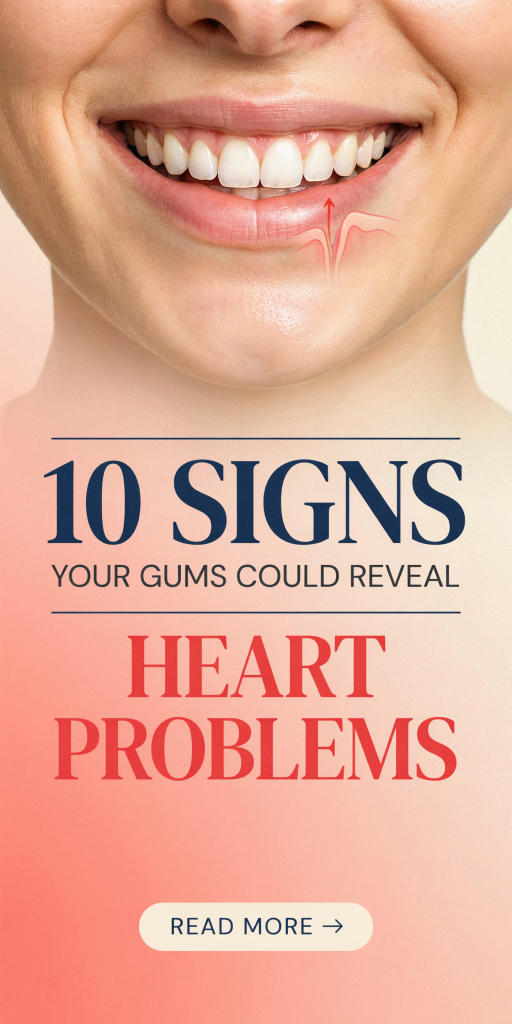
10 Gum Signs Your Mouth Might Be Telling You About Heart Trouble — What To Watch For in 2026
We tend to think of oral health as something separate from the heart, but the evidence over the last decade has made that separation harder to justify. In 2026, the connection between gum disease and cardiovascular risk is better understood: chronic oral inflammation can mirror or even contribute to systemic inflammation, and bacteria that thrive in the mouth can influence blood vessels and the heart. In this text we’ll walk through the gum signs that warrant attention, explain why they matter for heart health, and give practical guidance on when to seek a dentist, cardiologist, or primary care doctor. Our goal is to help you spot warning signs early so you can act before a manageable problem becomes a serious one.
What The Mouth–Heart Connection Really Means
The mouth isn’t an isolated ecosystem, it’s part of the same circulatory and immune systems that affect every other organ. When the gums are inflamed or infected, immune cells, inflammatory molecules, and even bacteria can enter the bloodstream. Over time that systemic exposure can promote atherogenesis (plaque formation), destabilize existing plaques, and increase the risk of events like heart attack and stroke. We don’t want to overstate things: not every person with gingivitis will develop heart disease. But the patterns we see are strong enough that dental and medical communities increasingly view poor oral health as a modifiable risk factor.
Here are the mechanisms we watch for and why they matter:
- Inflammation: Chronic gum inflammation raises circulating markers like C-reactive protein, which are linked to cardiovascular events. Inflammation begets inflammation, an inflamed mouth nudges systemic inflammatory pathways that influence the blood vessels.
- Bacteremia and microbial signaling: Everyday activities (chewing, flossing) can introduce oral bacteria into the bloodstream when gums are compromised. Some oral microbes produce molecules that encourage clotting or endothelial dysfunction.
- Shared risk factors: Smoking, diabetes, poor diet, and socioeconomic factors drive both gum disease and heart disease. That makes the mouth a sentinel, a place where broader health risks often first appear.
So when we examine gum signs, we’re not looking for a single cause-and-effect statement. We’re identifying early signals that, in the right context, should prompt further investigation and preventive action.
10 Gum Signs That Could Reveal Heart Problems
We’ll organize the most important gum signs into three clinical clusters: inflammatory signals, structural warning signs, and infection/systemic clues. Each cluster contains specific observations that should raise our level of concern, especially when accompanied by cardiovascular risk factors like age, smoking, diabetes, high blood pressure, or a family history of heart disease.
Bleeding, Swelling, And Tenderness: Early Inflammatory Signals
Bleeding when brushing or flossing, swollen or puffy gums, and tenderness are classic signs of gingivitis, the earliest stage of gum disease. Why should we care beyond the mouth?
- Bleeding: Gums that bleed easily indicate a breakdown of the protective tissue barrier. Repeated micro-bleeds allow bacteria and inflammatory mediators to interface with the bloodstream more often.
- Swelling: Edematous, red gums signal active immune response. Persistently elevated local inflammation contributes to systemic inflammatory load.
- Tenderness: Painful gums may make people avoid proper cleaning, creating a vicious cycle of plaque accumulation and worsening inflammation.
When these symptoms are recurrent rather than occasional, they’re more than a nuisance. They are a sign that the inflammatory environment in the mouth is sustained, and sustained inflammation is the mechanism most closely linked to increased cardiovascular risk.
Receding Gums, Loose Teeth, And Changes In Bite: Structural Warning Signs
As gum disease progresses to periodontitis, the supporting structures around the teeth, gum tissue, periodontal ligament, bone, break down. These structural changes are not only visible but significant for systemic health.
- Receding gums: Exposed tooth roots are a sign of tissue loss. This loss reflects long-standing inflammation and bacterial invasion beneath the gumline.
- Loose teeth: Mobility indicates that the bone and connective tissue anchoring the tooth have deteriorated. Tooth mobility is a late and serious sign of periodontal destruction.
- Changes in bite or shifting teeth: Few people notice small shifts at first, but if your bite feels different or gaps appear between teeth, that’s evidence of progressive structural damage.
We should treat these as red flags. The same processes that generate bone loss around teeth, chronic inflammation and destructive immune responses, can reflect or worsen systemic vascular inflammation. In clinical practice we find patients with severe periodontitis often carry higher rates of atherosclerotic disease markers.
Persistent Bad Breath, Pus, Color Changes, And Slow Healing: Infection And Systemic Clues
Some gum signs point less to mechanical destruction and more to active infection or impaired healing, both of which can signal broader health problems.
- Persistent bad breath (halitosis): Chronic halitosis that doesn’t resolve with brushing often stems from deep periodontal pockets where anaerobic bacteria thrive. Those bacteria produce volatile sulfur compounds and inflammatory byproducts that reflect an unhealthy oral microbiome.
- Pus or exudate: Noticeable pus around a tooth or in a periodontal pocket is a clear sign of infection. Bacterial toxins and the immune response they trigger can have systemic consequences.
- Unusual gum color: Healthy gums are pink: gums that are very red, purplish, or have white patches warrant evaluation. White patches could reflect fungal overgrowth or leukoplakia: very red or bluish gums suggest ongoing inflammation or vascular congestion.
- Slow healing after dental work: If extraction sites or surgical sites heal slowly, we need to think about systemic causes such as poorly controlled diabetes, immunosuppression, or medication effects (e.g., some cancer agents). These same systemic issues also raise cardiovascular risk.
When we find infection-related signs, we should consider that the oral microbiome might be influencing systemic pathways, for instance, by increasing circulating inflammatory mediators or by allowing bacteria to seed distant sites via transient bacteremia. These mechanisms help explain epidemiologic links between periodontal infection and heart disease. Importantly, treating active infections reduces local symptoms and may also lower systemic inflammatory markers, a potential win for both oral and heart health.
When To See A Dentist, Cardiologist, Or Your Primary Care Doctor
Knowing which clinician to see and when can shorten the path to diagnosis and help us manage overlapping risks efficiently.
- See a dentist when: you experience persistent bleeding, swelling, new tooth mobility, gum recession, pus, chronic bad breath that doesn’t improve with oral hygiene, or slow healing after dental procedures. Dentists can diagnose gingivitis vs. periodontitis and treat infections, perform deep cleanings (scaling and root planing), and refer for specialist periodontal care.
- See a primary care doctor when: oral signs occur alongside systemic symptoms, unexplained fatigue, night sweats, weight loss, or signs of uncontrolled diabetes (increased thirst, frequent urination). Primary care clinicians can run baseline labs (fasting glucose or A1c, lipid panel, inflammatory markers) and evaluate medication interactions that impair oral healing.
- See a cardiologist when: you have a known heart condition (previous heart attack, stent, bypass surgery), unstable cardiovascular symptoms (chest pain, shortness of breath, palpitations), or multiple cardiovascular risk factors coupled with severe periodontal disease. Cardiologists can assess cardiac risk, order cardiac imaging or stress tests, and advise on perioperative or procedural antibiotic prophylaxis when necessary.
Coordination matters. If we see active periodontal infection and the patient has significant cardiac risk, we want dental and medical teams to communicate. In many cases, treating the oral source promptly reduces systemic inflammation and simplifies medical management.
Practical Steps To Reduce Risk: Oral Care, Lifestyle, And Medical Options
Reducing the mouth–heart risk doesn’t require dramatic measures: it requires consistent, evidence-based actions. Below are practical steps we recommend.
Daily oral care
- Brush twice daily with a fluoride toothpaste using a soft-bristled brush. Proper technique matters, short, gentle strokes along the gumline are more effective than heavy scrubbing.
- Floss or use interdental cleaners daily. We shouldn’t wait for space between teeth to appear before flossing: interdental plaque is a key driver of gum disease.
- Use an antimicrobial mouth rinse short-term if recommended by a dentist to reduce bacterial load in active cases.
Lifestyle measures
- Stop smoking. Tobacco is one of the strongest modifiable links between periodontitis and poor cardiovascular outcomes. Quitting improves both oral healing and vascular health.
- Control blood sugar. For people with diabetes, better glycemic control reduces periodontal disease progression and lowers cardiovascular risk.
- Improve diet and exercise. A Mediterranean-style diet, reduced processed sugar intake, and regular physical activity lower systemic inflammation and benefit both teeth and heart.
Professional care and medical options
- Regular dental checkups. We advise at least annual dental exams and cleanings: many at-risk patients benefit from twice-yearly care or more frequent periodontal maintenance.
- Early periodontal therapy. Scaling and root planing can arrest disease progression: adjunctive therapies (localized antibiotics, host-modulation agents) may be appropriate in select cases.
- Address systemic inflammation. For high-risk individuals, primary care clinicians may target traditional risk factors aggressively, optimizing blood pressure, lipids, and using statins when indicated. Some treatments that lower systemic inflammation (like statins) could indirectly reduce periodontal inflammation, though medication decisions should be individualized.
Implementation tips
We find that scheduling dental visits at the same time as medical checkups, using shared electronic records where possible, and having clear referral pathways improves outcomes. Small, sustained changes, better flossing habits, a smoking cessation program, and more consistent medical follow-up, add up faster than dramatic one-off interventions.
What To Expect During A Dental And Cardiac Evaluation
If we suspect a link between gum signs and heart risk, coordinated evaluation helps us get answers efficiently.
Dental evaluation
- Clinical exam: The dentist will inspect gum color, contour, pocket depth, attachment loss, tooth mobility, and signs of infection. Probing depth and bleeding on probing guide the diagnosis (gingivitis vs. periodontitis).
- Radiographs: Bitewing and periapical X-rays, and sometimes panoramic imaging, assess bone levels and detect abscesses or deep infections.
- Microbial or inflammatory testing: In select cases we may test for specific periodontal pathogens or measure local inflammatory markers to tailor therapy.
- Treatment plan: Options range from nonsurgical scaling and root planing, localized antimicrobial therapy, and maintenance cleanings to periodontal surgery for advanced cases.
Cardiac evaluation
- Risk assessment: The cardiologist or primary care clinician will review history, perform a focused exam, and calculate risk using guideline-based tools (e.g., ASCVD risk estimator) while considering how systemic inflammation might adjust our threshold for intervention.
- Tests: Expect an ECG, lipid panel, and possibly imaging (coronary CT calcium scoring or stress testing) depending on symptoms and baseline risk. For symptomatic patients, more urgent testing may be performed.
- Management: Medication optimization (statins, antihypertensives, antiplatelet therapy when indicated) and lifestyle counseling are mainstays. If invasive cardiac procedures are planned, dental infections are often treated first to reduce the risk of infective complications.
Communication and timing
We make decisions case-by-case. For most patients, dental treatment can proceed safely alongside cardiac risk management. For those undergoing major cardiac surgery, clearing active dental infections beforehand reduces perioperative infectious risk. Good communication between providers is key to sequencing care safely.
Common Misconceptions And Red Flags To Ignore
There’s a lot of misinformation around the mouth–heart connection. We want to correct a few common errors and point out red herrings.
Misconceptions
- “Gum disease causes heart attacks in everyone.” That’s too simplistic. Gum disease is a risk factor, one of many, and it increases relative risk rather than guaranteeing a cardiac event.
- “Only bad breath matters.” Bad breath can indicate disease, but painless or subtle signs (mild bleeding, slight recession) are equally important. Don’t wait for dramatic symptoms.
- “If I brush harder, I’ll fix it.” Brushing harder can damage gums and accelerate recession. Technique and consistency beat force.
Red flags to ignore
- Over-the-counter miracle cures: Mouthwashes or supplements that promise to ‘cure’ periodontitis without professional care are usually snake oil. Professional debridement and risk-factor control are essential.
- Cosmetic masking: Whitening strips or abrasive toothpaste can make teeth look better while the underlying gum disease progresses. Treat the cause rather than only the appearance.
What we should act on
We focus on actionable signals: persistent bleeding, mobility, pus, poor healing, and changes in bite. These deserve professional attention. At the same time, we avoid alarmism. Not every mouth sign means imminent heart trouble, but it does mean an opportunity to intervene and reduce risk.
Conclusion
Our mouths can be early-warning systems for systemic health, including the heart. Focusing to bleeding, swelling, recession, loose teeth, persistent bad breath, pus, color changes, and healing problems, we can catch problems earlier and reduce cumulative cardiovascular risk. The action plan is straightforward: practice consistent oral hygiene, address lifestyle risk factors (especially smoking and diabetes), seek timely dental care, and coordinate with primary care or cardiology when risk factors or symptoms align. In 2026, integrating dental and medical care is one of the most practical steps we can take to protect both smiles and hearts.


