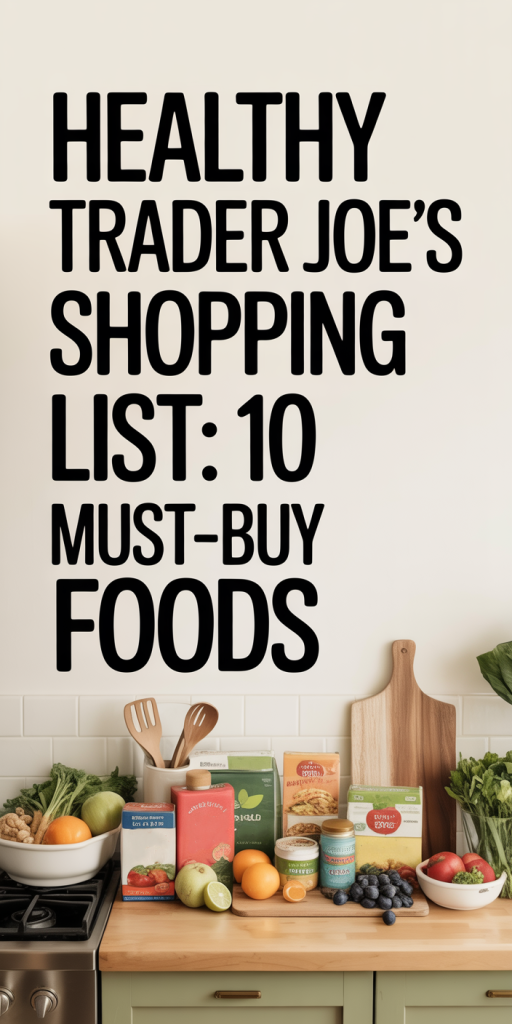
Healthy Trader Joe’s Shopping List: 10 Must-Buy Foods For Simple, Nutritious Meals (2026 Edition)
Trader Joe’s has quietly become a go-to spot for shoppers who want convenience without compromising on nutrition. We’ve shopped dozens of times, tested pantry staples, and compared labels so you don’t have to. In this updated 2026 edition, we highlight the 10 must-buy foods at Trader Joe’s that make balanced meals easier, faster, and, importantly, better for your health. Whether you’re stocking a new kitchen, trying to eat cleaner, or hunting for budget-friendly nutrient-dense picks, this list focuses on whole foods, minimally processed options, and versatile ingredients that pair well together. We’ll explain why each item earned a spot, how to use it in practical meals, and small shopping strategies to keep your grocery bill sensible. Let’s immerse and fill our cart with foods that help us eat well, week after week.
Why Trader Joe’s Is A Great Choice For Healthy Shoppers
Trader Joe’s stands out for several reasons that matter when we’re trying to eat healthier. First, their private-label model reduces middlemen and often results in better pricing on single-ingredient or minimally processed foods, think nuts, frozen fruit, and olive oil, compared with other specialty grocers. Second, Trader Joe’s keeps ingredient lists relatively short on many prepared items and is quick to reformulate products based on consumer trends, which means we’ll often find low-sugar versions, whole-grain alternatives, and plant-based options. Third, the store’s product rotation encourages seasonal produce and limited-time healthier finds, so our shopping stays interesting without compromising quality.
From a practical standpoint, Trader Joe’s locations are typically smaller and curated: that helps us make quicker, focused choices instead of getting overwhelmed by too many options. Labels are also generally clear about allergens and key nutrition facts, which makes it easier for us to spot whole-food choices. Finally, the chain leans into value, not just low prices but value in nutrition per dollar. That’s important when we’re building a sustainable grocery routine: we want ingredients that are nutrient-dense, versatile, and will actually get used during the week. All of these features make Trader Joe’s a smart place to assemble a healthy, time-efficient shopping list.
Fresh Produce Picks: Staples To Keep On Hand
Produce is the backbone of healthy meals, and Trader Joe’s consistently offers solid picks at reasonable prices. Here are the items we rely on and why each deserves a spot in our cart.
- Baby Spinach (or Organic Baby Spinach): A versatile leafy green that wilts into eggs, soups, and sautés. We use it raw for salads and smoothies, and cooked it pairs with garlic and lemon for a quick side. Spinach is rich in iron, vitamin K, and folate, nutrients we want regularly in our meals.
- Bagged Mixed Greens or Spring Mix: When time is limited, these mixes make salads effortless. They’re also a quick base for grain bowls and sandwiches.
- Avocados (Hass): Trader Joe’s often sells avocados at good price points. They add heart-healthy monounsaturated fats, fiber, and a creamy texture that replaces some higher-calorie dressings.
- Cruciferous Vegetables (Broccoli Florets / Cauliflower Rice): We pick up fresh broccoli or the ready-to-cook florets for roasting or steaming. Cauliflower rice is handy when we want low-carb swaps and sneaks extra veggies into meals.
- Seasonal Fruit (Berries / Apples / Citrus): Berries are antioxidant-packed and excellent frozen for smoothies: apples and citrus keep well and add fiber and vitamin C to snacks and desserts.
- Sweet Potatoes: Satisfying and nutrient-dense, sweet potatoes give us beta-carotene, fiber, and a natural sweetness that works across bowls, fries, and mash.
When we shop produce, we buy for the week and plan a couple of recipes so nothing goes to waste. Trader Joe’s produce quality is usually dependable, but we still check for firmness and avoid bruised items to make sure everything lasts through meal prep.
Lean Protein Picks To Stock Your Fridge
Protein is essential for satiety and muscle maintenance, and Trader Joe’s has a variety of lean, affordable options that fit different eating patterns.
- Boneless Skinless Chicken Breasts (or Thighs for Flavor): Chicken breasts are a lean, familiar protein that we grill, roast, or cube for salads and stir-fries. For more flavor, thighs work well and remain relatively lean when skinless. Buying frozen individually portioned pieces helps us avoid waste.
- Wild-Caught Alaskan Salmon (Frozen Portions): Salmon provides high-quality protein and omega-3 fatty acids. Trader Joe’s frozen wild-caught fillets are convenient, often sustainably sourced, and quick to bake or pan-sear.
- Organic Tofu (Extra-Firm): Tofu is versatile, inexpensive, and an excellent plant-based protein. We press extra-firm tofu to get a crisp exterior when baking or stir-frying. It soaks up marinades and adds protein to grain bowls and salads.
- Canned Tuna or Salmon (in Water): These pantry-friendly proteins are perfect for quick sandwiches, salads, and grain bowls. Look for lower-sodium options and use them sparingly with added veggies to keep sodium in check.
- Eggs (Pasture-Raised or Organic if Available): Eggs are one of the most versatile and nutrient-rich proteins. We rely on eggs for breakfasts, quick dinners, and baking. Hard-boiled eggs are also a great on-the-go snack.
When selecting proteins, we watch portion sizes (typically 3–4 oz cooked per meal for many adults) and prefer minimally processed cuts and products. Trader Joe’s also rotates in interesting proteins like grass-fed ground beef, turkey burgers, and plant-based meat alternatives, good to try occasionally depending on our dietary goals.
Whole-Grain And Pantry Essentials For Balanced Meals
Whole grains and a smart pantry make healthy cooking faster and more forgiving. These Trader Joe’s staples form the backbone of balanced meals.
- Brown Rice and Quinoa (Frozen or Dry): Brown rice and quinoa add fiber and sustained energy to bowls and sides. Trader Joe’s offers ready-to-heat frozen brown rice for nights when we need dinner in under 15 minutes.
- Whole-Wheat or Ancient Grain Pastas: Swap refined pasta for whole-wheat or blends (farro, kamut) when we want more fiber and micronutrients. These pair well with vegetables and lean proteins.
- Canned Beans (Low-Sodium Black Beans, Chickpeas): Beans are a plant-protein and fiber powerhouse. We use them for salads, chilis, hummus, and quick tacos. Rinsing canned beans reduces sodium.
- Nuts and Seeds (Raw Almonds, Chia Seeds, Pumpkin Seeds): Nuts and seeds add healthy fats, protein, and crunch to meals and snacks. Trader Joe’s often sells them in bulk or resealable packs that keep well.
- Extra-Virgin Olive Oil and Apple Cider Vinegar: A small set of high-quality pantry fats and acids elevates simple dishes. We use olive oil for cooking and dressings: apple cider vinegar for brightening salads and marinades.
- Low-Sodium Broth (Vegetable or Chicken): Broth is a great base for soups, risottos, and cooking grains with extra flavor.
- Nut Butters (Almond or Peanut, No Added Sugar): A spoonful of nut butter adds protein and healthy fat to smoothies and toast.
Stocking these pantry essentials ensures we can quickly assemble balanced meals with protein, fiber, and healthy fats. Buying in modest bulk and rotating through freezer-ready grains keeps food fresh and reduces weekly shopping stress.
Dairy, Dairy Alternatives, And Probiotic Picks
Dairy and fermented foods contribute calcium, protein, and gut-friendly bacteria when chosen thoughtfully. Trader Joe’s carries a mix of traditional and plant-based options that we find useful.
- Greek Yogurt (Plain, Low-Fat or Full-Fat Based on Needs): Plain Greek yogurt is high in protein and versatile. We use it as a breakfast base with fruit and seeds, as a tangy sauce base, or to replace sour cream in recipes. Choosing plain varieties avoids added sugars.
- Kefir (Drinkable Yogurt): Kefir is a fermented milk with a broad diversity of probiotics. A small daily serving can support digestion: we often blend it into smoothies for a probiotic boost.
- Plant-Based Milks (Unsweetened Almond or Oat Milk): For dairy-free households, Trader Joe’s unsweetened varieties are useful for cereals, coffee, and recipes. Oat milk has a creamier mouthfeel for lattes, while almond milk is lower in calories.
- Cottage Cheese: An underrated high-protein dairy. We top cottage cheese with fruit for a quick breakfast or add to savory bowls for extra creaminess and protein.
- Fermented Pickles and Sauerkraut (Low-Sodium Options): These add flavor and probiotic potential when unpasteurized. Check labels for “raw” or “contains live cultures” if the probiotic benefit is a priority.
We pay attention to sugar and sodium on labels, many flavored yogurts and dairy alternatives contain added sugars. By choosing plain or unsweetened options and adding our own fruit, spices, or a drizzle of honey, we control the flavor and maintain the health benefits.
How To Shop Smart At Trader Joe’s: Meal Ideas And Tips
Shopping smart is about planning, flexibility, and a few small habits that save time and money. We focus on items that multitask, shop with a short list, and use Trader Joe’s convenience products strategically. Here are practical shopping and meal-planning tips we use regularly:
- Make a rotating weekly meal template: 2 breakfasts, 3 lunches, 3 dinners, plus snacks. Slot the Trader Joe’s staples into that template to avoid impulse buys.
- Buy frozen fruits and vegetables for smoothies and emergencies: they often match fresh in nutrition and reduce waste.
- Use pre-portioned frozen proteins and single-serve items to control portions and avoid spoilage.
- Check labels quickly for sodium, added sugar, and ingredient length: shorter is usually better.
- Try one new product per trip to keep meals interesting without overcomplicating the list.
Below we share quick meal ideas and substitution/storage hacks that make the 10 staples come alive in real meals.
Quick Meal Ideas Using These 10 Staples
These quick recipes use the 10 Trader Joe’s essentials and can be adjusted by taste or dietary needs.
- Grain Bowl with Salmon: Roast a wild-caught salmon fillet, serve over warmed quinoa or brown rice, top with sautéed spinach, avocado slices, and a squeeze of lemon. Drizzle with olive oil and a pinch of salt.
- Chickpea & Veggie Stir-Fry: Sauté broccoli and cauliflower florets with garlic and soy sauce, add rinsed canned chickpeas for protein, and serve over frozen brown rice. Finish with toasted sesame seeds.
- Tofu Scramble Breakfast Wrap: Crumble extra-firm tofu and sauté with turmeric, spinach, and diced tomatoes. Wrap in a whole-wheat tortilla with avocado and a spoonful of salsa.
- Greek Yogurt Parfait: Layer plain Greek yogurt with frozen-then-thawed berries, chia seeds, and a sprinkle of chopped almonds for crunch.
- Sweet Potato & Black Bean Tacos: Roast cubed sweet potatoes with cumin and paprika, combine with black beans, and top tortillas with cabbage slaw and a dollop of Greek yogurt.
- Quick Salmon Salad: Mix canned salmon with diced celery, plain Greek yogurt, lemon, and pepper. Serve on whole-grain toast or over spring mix.
These meals are approachable, take 10–30 minutes, and can be scaled for meal prep. We often double recipes to have leftovers for lunches.
Smart Substitutions, Storage Tips, And Budget Hacks
A few small swaps and storage habits extend freshness and lower costs.
- Substitutions: Swap ground beef for canned lentils in tacos or Bolognese when you want more fiber and fewer saturated fats. Use Greek yogurt instead of sour cream to cut calories and add protein. Choose whole-grain pasta or spaghetti squash instead of white pasta for more fiber.
- Storage Tips: Store avocados that aren’t ripe at room temperature, then refrigerate when ripe to slow decay. Keep herbs in a jar with a bit of water and cover loosely with a bag to extend life. Freeze portions of cooked brown rice or quinoa in single servings for 90 days.
- Budget Hacks: Buy nuts and seeds in bulk-style bags and portion them into small reusable containers to avoid spoilage. Use store-brand staples (Trader Joe’s label), they’re often the same quality as name brands but cheaper. Plan two meals around bulk proteins like a whole roast chicken or a large bag of frozen salmon fillets.
- Reduce Waste: Rotate older items to the front of the fridge, make a “use-first” list on the fridge door, and batch-blend overripe bananas into freezer-ready smoothie packs.
These small behaviors save money and ensure our healthy choices truly get eaten.
Conclusion
Assembling a healthy Trader Joe’s shopping list is less about strict rules and more about consistent, practical choices. By focusing on fresh produce, lean proteins, whole grains, and smart pantry staples, we set ourselves up for diverse, nutritious meals that fit busy lives and modest budgets. The 10 must-buy foods we highlighted give us a flexible foundation: combine them in different ways, plan a simple weekly menu, and use the storage and substitution tips to minimize waste. Over time, these small habits compound into better health and fewer stressful dinners. Head to your local Trader Joe’s with your list, try one new product, and enjoy the simplicity of meals that nourish both body and schedule.