The 10 Best Organic Foods To Buy At Whole Foods (2026): What To Stock For Health, Flavor, And Value
We shop at Whole Foods with a clear goal: get the most nutritional bang for our buck while supporting higher animal-welfare and environmental standards where it counts. Organic labeling can be confusing and price tags can climb fast, so we focus on items where organic delivers the biggest health, flavor, or sustainability difference. In this guide we’ll walk through the ten organic foods we prioritize at Whole Foods in 2026, why each one matters, how to read labels, and small tactics that help us keep costs reasonable. Expect practical picks, produce, proteins, and pantry staples, that balance science, taste, and value. Whether you’re stocking a weekly cart or rethinking your staples, this list helps you shop smarter and eat better without guessing which organic choices actually matter.
Why Buy Organic At Whole Foods? Benefits, Quality Standards, And When It Matters Most
Whole Foods has positioned itself as a destination for certified organic goods, and for good reasons. Organic farming restricts synthetic pesticides, antibiotics in livestock, and genetically modified organisms (GMOs). That translates to lower pesticide residues on produce, reduced antibiotic exposure from meat, and farming practices that prioritize soil health and biodiversity. For us, the decision to buy organic is a combination of health considerations, environmental impact, and animal welfare.
That said, not every product needs to be organic. We prioritize organic where pesticide exposure is highest or where production practices have outsized environmental or health consequences, think strawberries, leafy greens, and pasture-raised eggs. Whole Foods also enforces quality standards beyond USDA Organic, many stores highlight local regenerative farms or have in-house labels for higher-welfare meats.
Finally, organic at Whole Foods often means better traceability and clearer labeling, which helps us make informed choices quickly. When we face a big price difference, we weigh measurable benefits (lower pesticide levels, higher omega-3s in eggs) against budget and frequency of consumption.
How We Selected These 10 Items: Criteria, Seasonal Considerations, And Price Vs. Value
We used three guiding criteria to select the top 10 organic buys: health impact, likelihood of contamination (pesticide or antibiotic), and value-to-frequency (how often we eat it). Items that we consume daily or weekly and that commonly carry residues or welfare concerns scored higher. We also considered flavor: organic produce can taste noticeably better when harvested at peak, and that matters when we’re buying berries or tomatoes.
Seasonality plays a role. Whole Foods sources can vary regionally, so we recommended categories rather than specific SKUs. When produce is in season locally, organic price premiums often shrink and flavor improves, so we bump those items up the list. For meat, we leaned toward pasture-raised organic options that show meaningful welfare differences.
On price vs. value, we favor organic when there’s demonstrable health or ecological benefit. For staples where differences are small (e.g., some processed pantry items), conventional may be acceptable. We’ll flag where to compromise and where to prioritize, this helps us stretch budgets without losing the benefits of organic choices.
Organic Leafy Greens: Spinach, Kale, And Swiss Chard (Why They’re Worth The Premium)
Leafy greens like spinach, kale, and Swiss chard regularly show up near the top of pesticide residue lists. Because we eat these leaves raw in salads and smoothies, residues aren’t reduced by cooking, so buying organic makes a measurable difference. Beyond pesticides, organic leafy greens are typically grown with better soil practices, which can improve nutrient density and flavor.
At Whole Foods we look for bagged or loose greens harvested recently (check the “packed on” or “harvested” dates). Baby greens are convenient but tend to be pricier per ounce: whole leaves often last longer and are more versatile. For storage, we rinse only before use and keep greens in a breathable container with a paper towel to absorb excess moisture, this extends freshness and prevents waste, helping justify the premium.
If you’re on a budget, prioritize organic for greens you eat raw. For greens you always cook (e.g., collards in long braises), conventional may be an acceptable compromise, but for smoothies and salads, organic is a smart buy.
Organic Berries: Strawberries, Blueberries, And Raspberries (Lower Pesticides, Higher Taste)
Berries, especially strawberries, rank high for pesticide residues and are often delicate, so farming methods matter. Organic berries at Whole Foods typically taste sweeter and hold up better in the fridge because growers that meet organic standards often emphasize soil health and careful harvest practices. For us, the flavor upgrade alone is frequently worth the extra cost.
When choosing organic berries, inspect the package: mold or crushed fruit is more common in conventional overcrowded shipments. Whole Foods sometimes offers local organic berry producers in season, these are the best buys for flavor and value. Frozen organic berries are another smart option: they lock in peak ripeness and are cheaper per serving, perfect for smoothies, baking, or compotes.
If organic fresh berries are out of budget, buy smaller portions and freeze what you won’t use within two days. This reduces waste and approximates the taste and nutritional benefits of buying organic when seasonal prices spike.
Organic Eggs: Pasture-Raised, Certified Organic Options And What To Look For On The Carton
Eggs are one of our highest-value organic purchases. Certified organic eggs mean hens are fed organic feed without synthetic pesticides or GMOs, and antibiotics are prohibited. When those standards are combined with pasture-raised claims, we see real improvements in nutrient profiles, higher vitamin D and omega-3 content are commonly reported, and significant animal-welfare benefits.
At Whole Foods, read the carton carefully: “USDA Organic” is the baseline. Look for “pasture-raised” or Animal Welfare Approved for stronger outdoor access claims. Don’t confuse “cage-free” with pasture access: cage-free hens may still live indoors. Also check carton dating and use-by codes, freshness matters for texture and flavor.
Organic eggs are often pricier, but because we use them many ways (breakfasts, baking, quick dinners), the added cost per serving is modest. If budget is tight, consider buying a mix: use organic eggs for everyday meals and reserve specialty, higher-welfare brands for when the difference matters most to you.
Organic Chicken And Pork: When Organic Meat Makes The Biggest Health And Animal-Welfare Difference
Organic chicken and pork matter for two reasons: reduced antibiotic exposure and better husbandry standards. Conventional livestock often receive antibiotics to promote growth or prevent disease in crowded conditions, practices that contribute to antimicrobial resistance. Organic certification prohibits routine antibiotics and requires feed to be organic, which reduces pesticide and hormone exposure through meat.
We prioritize organic for cuts we eat frequently or prepare simply (grilled chicken breasts, ground pork in tacos) because any contaminants are not removed during cooking. Whole Foods frequently stocks USDA Organic plus additional certifications like Global Animal Partnership (GAP) for enhanced welfare. Look for those badges if animal welfare is a top priority.
Price can be a barrier. Our compromise strategy: buy organic chicken or pork for recipes where meat is the star and flavor/welfare matter, and choose conventional for heavily spiced or slow-cooked dishes where differences are less perceptible. Buying family packs or bulk when on sale at Whole Foods and freezing portions stretches the budget.
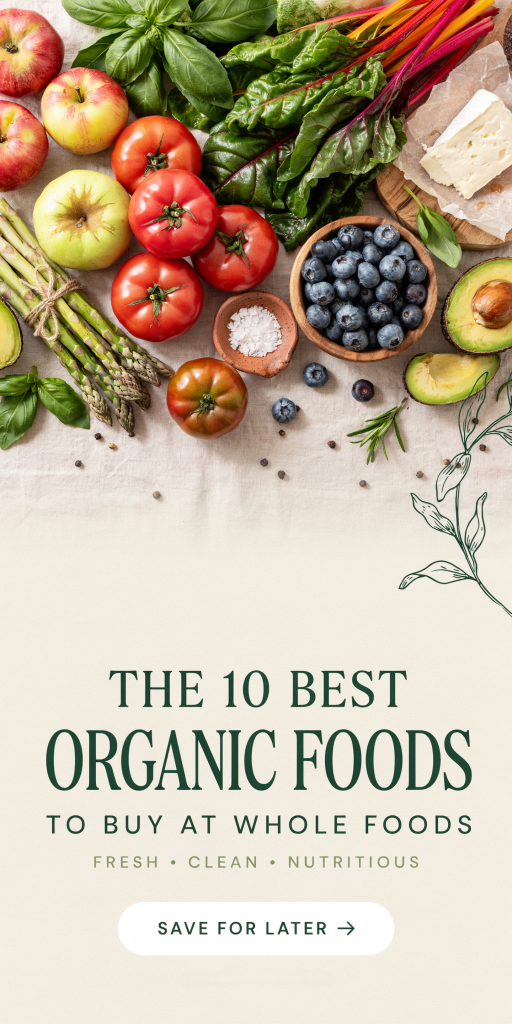
Organic Tomatoes, Avocados, And Bell Peppers: High-Reward Produce To Prioritize
Tomatoes, avocados, and bell peppers are produce items where organic often delivers noticeable quality and meaningful reductions in chemical residues. Tomatoes and bell peppers, eaten raw in salsas or salads, can carry surface pesticides that we’d rather avoid. Avocados have thick skins that block many residues, but organic avocados are often sourced from farms practicing better soil and water management, and they support biodiversity.
At Whole Foods we prioritize organic for tomatoes when they’ll be eaten raw or in lightly cooked dishes to preserve nuanced flavor. For avocados, organic isn’t always essential because of the protective skin, but we’ll choose organic when it’s similarly priced or when buying small avocados with thinner skin. Bell peppers are another top organic pick because of typical pesticide use and frequent raw consumption.
Tip: smell and feel tomatoes for ripeness: choose peppers that are firm with glossy skin: for avocados, buy a mix of ripeness stages so one is ready each day. These small steps reduce waste and increase the value of buying organic.
Organic Nuts, Seeds, And Whole Grains: Pantry Staples That Keep Well And Deliver Nutrients
Nuts, seeds, and whole grains are pantry powerhouses we rely on for healthy fats, fiber, and plant protein. Organic versions reduce exposure to pesticides used during crop production and storage, especially important for almonds, which are often treated, and for grains where glyphosate use is common in some conventional systems.
Whole Foods carries a wide range of organic pantry staples: organic oats, quinoa, brown rice, almonds, walnuts, chia seeds, and flax. These items generally store well, so the price premium amortizes over many servings. Buying in bulk bins can yield savings, we’ll bring reusable bags and compare per-pound pricing to packaged options.
We also watch for certifications like Non-GMO Project and look for cold-pressed labels on oils and whole seeds, these indicate minimal processing and better nutrient retention. For everyday baking and breakfasts, organic oats and flours are a small but impactful swap that supports cleaner supply chains without drastically increasing our grocery bill.
Smart Shopping Tips At Whole Foods: How To Save, Read Labels, And Choose Peak-Season Organic Produce
Whole Foods can be expensive if you don’t shop smart, but there are straightforward ways to save while prioritizing organic. First, sign up for their loyalty program and check weekly sales, Whole Foods runs frequent promotions on organic staples and local produce. We also compare unit prices and consider bulk-bin purchases for grains and nuts.
Label literacy helps. “USDA Organic” is the key baseline. Look for additional certifications, GAP for animal welfare, Certified Humane, or local regenerative labels for extra assurance. For produce, check origin labels: local organic in-season items often offer the best value and flavor.
Timing matters: shop mid-week or early morning for the best produce selection and fewer crowds. Freeze surplus organic berries or bulk-cook organic chicken to lock in value. Finally, be pragmatic: prioritize organic for the top items on our list and mix conventional for less critical staples. That way we preserve both health benefits and the grocery budget.
Conclusion: Building A Balanced, Cost-Conscious Organic Grocery List For Whole Foods Trips
Our approach to shopping Whole Foods is intentionally selective: we buy organic where science and experience show real benefits, leafy greens, berries, eggs, certain meats, and pantry staples, and we use smart shopping tactics to keep costs down. Prioritizing the items in this list helps us reduce pesticide and antibiotic exposure, support better farming practices, and enjoy produce and proteins that taste better.
Start by drafting a weekly meal plan that centers these organic picks, watch for sales and bulk options, and don’t be afraid to mix organic and conventional where it makes sense. With this strategy, we get the advantages of organic without blowing the budget, and we feel good about every cart we push out of Whole Foods.